
 Reviewed by: Takahiro Sugiyama (CEO, meguri Inc.)
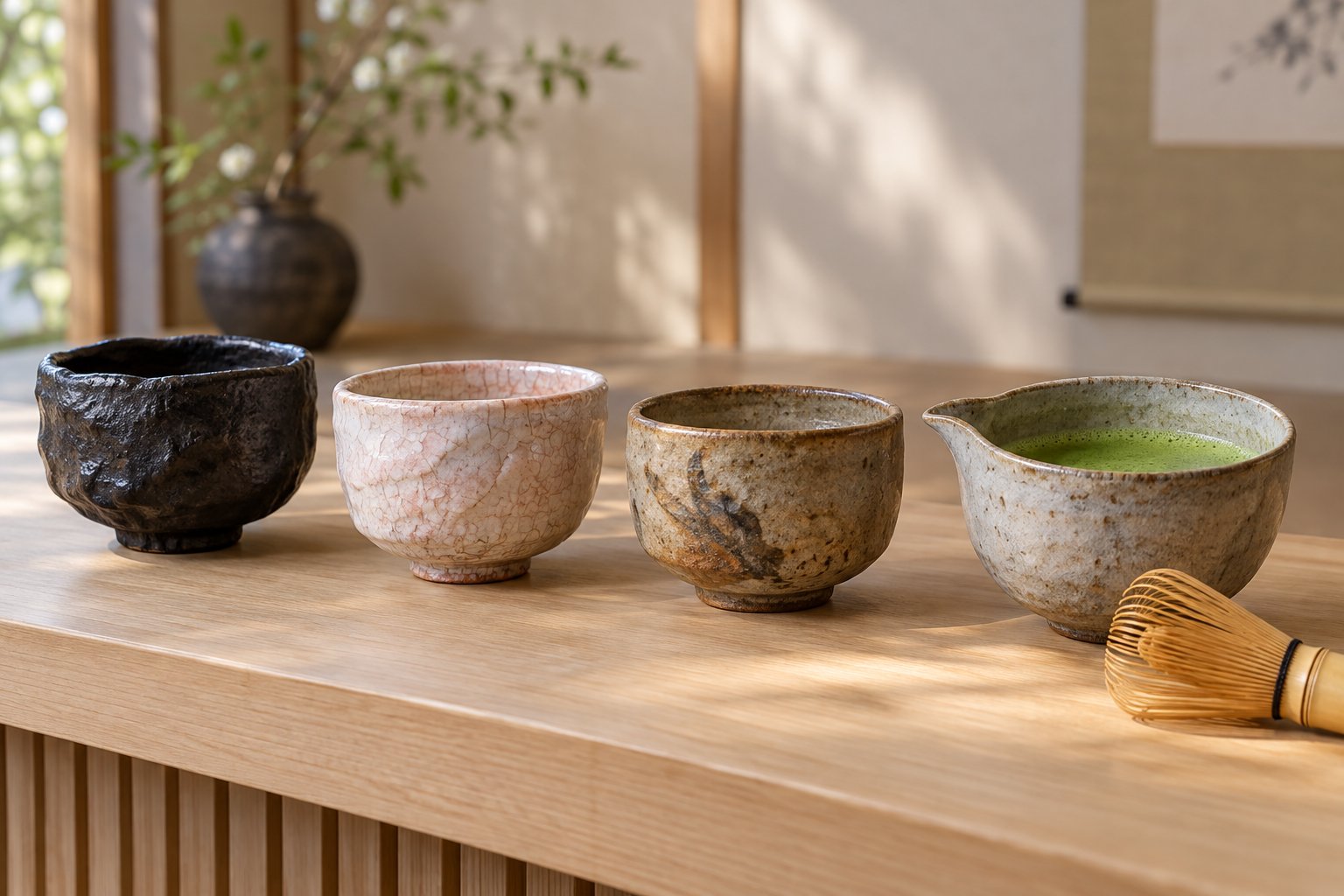
In a café that serves matcha straight, the bowl affects both the taste and the look of the drink. If you also serve lattes, it matters how easily you can pour from it into a glass. This guide checks the shapes and sizes of matcha bowls, pottery styles, spouted bowls and care using public sources and the published information of a long-established tea shop, then covers how many bowls a café needs and the safety standards for ceramics in Japan, Singapore and Thailand.
What is a matcha bowl?
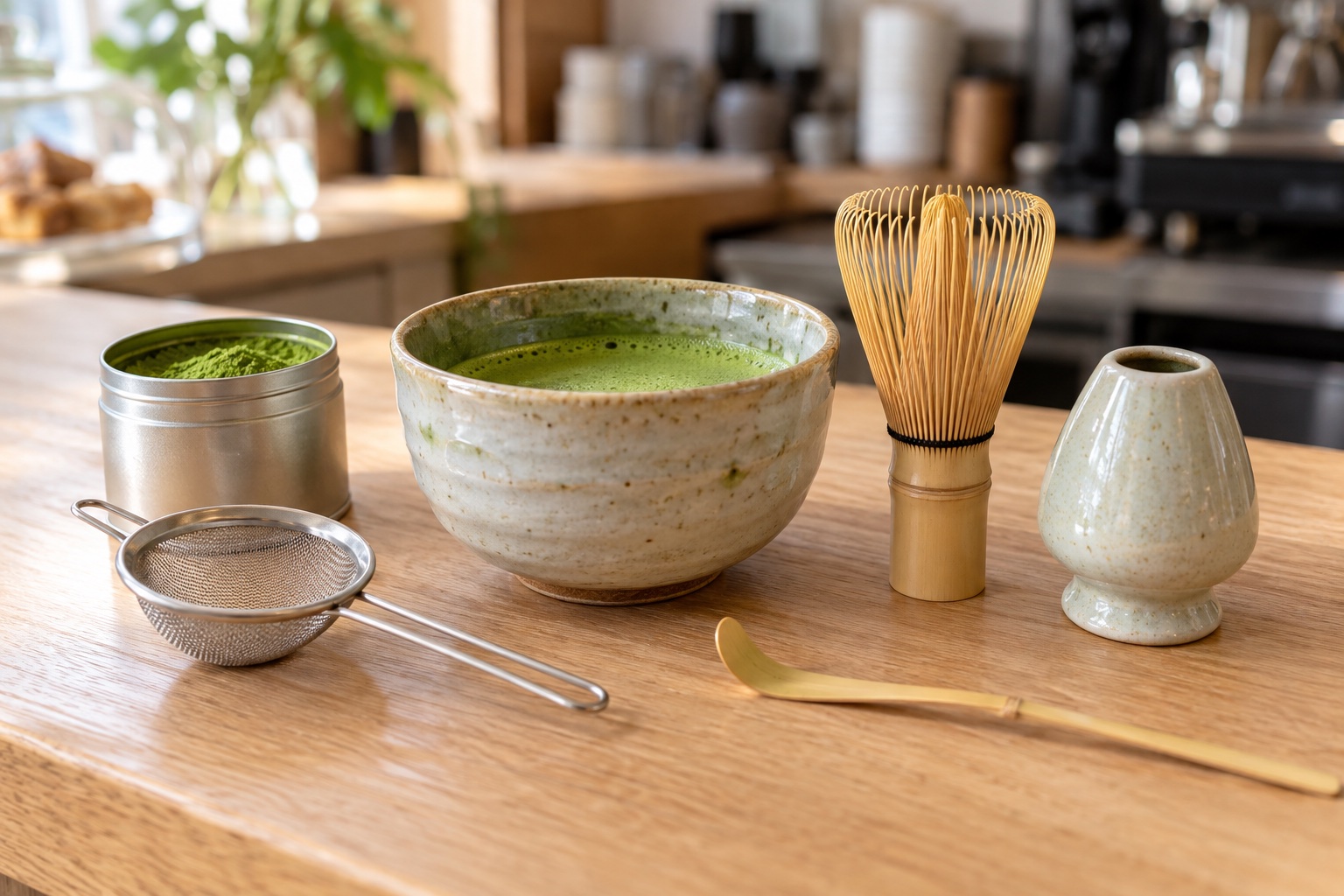
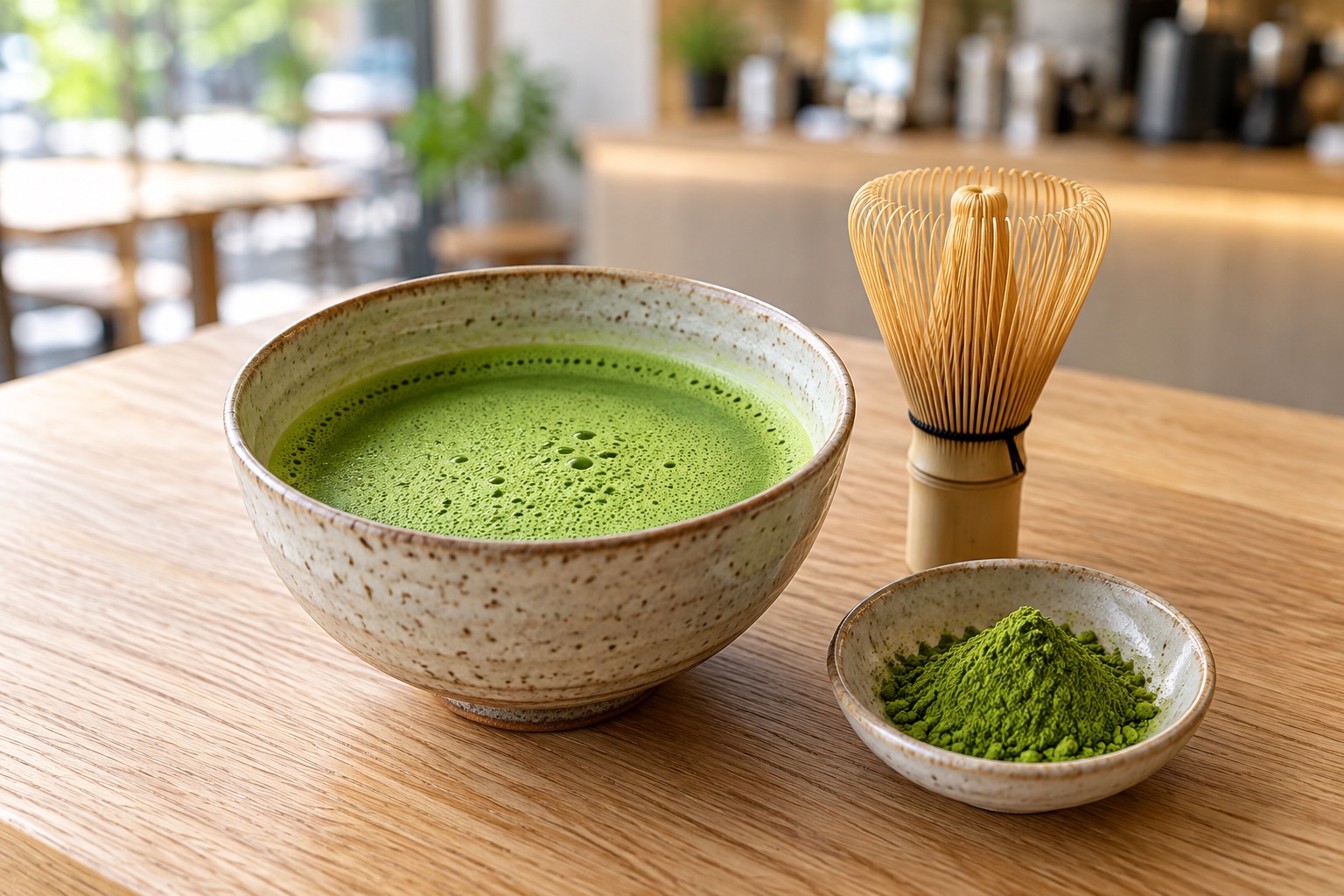
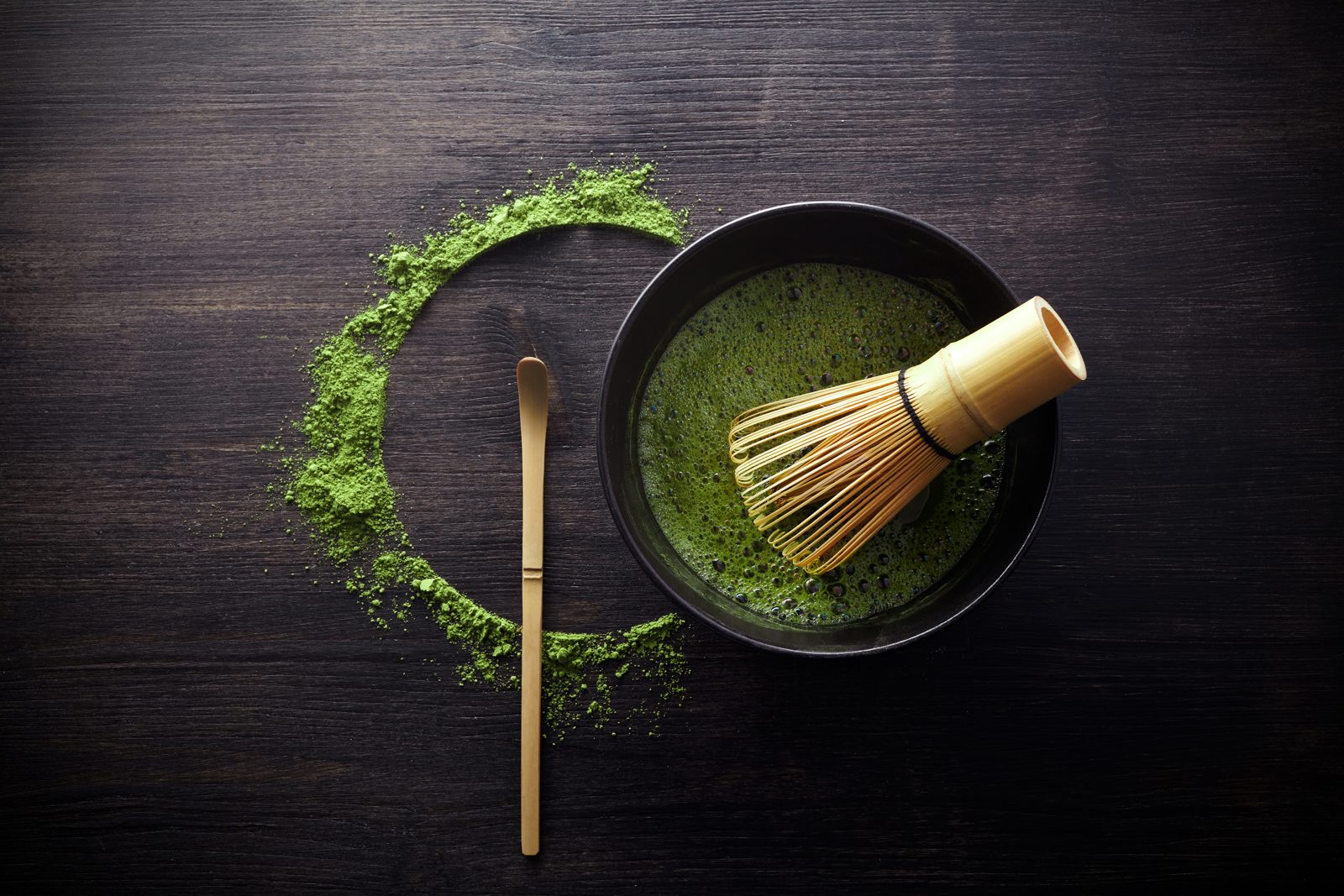
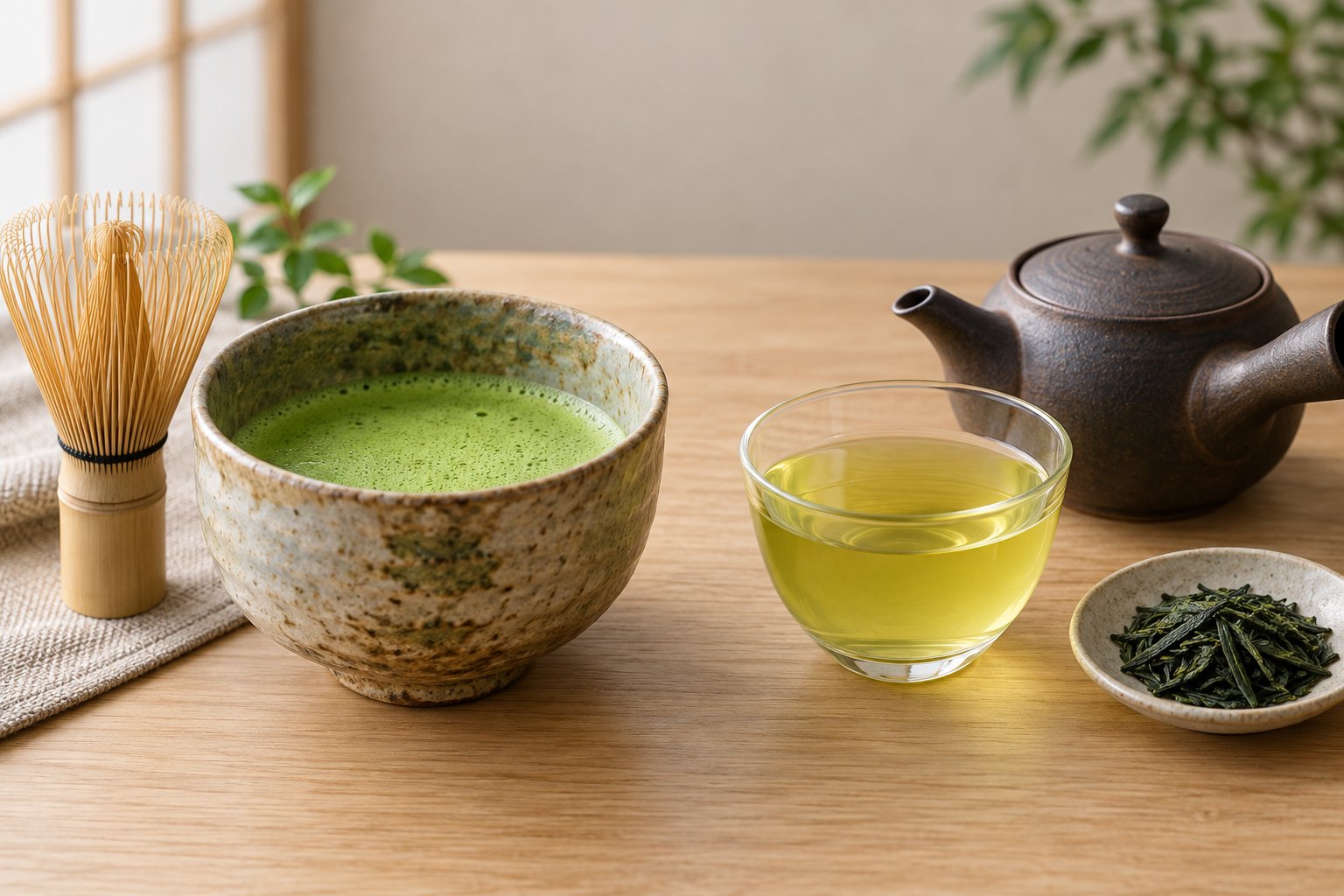
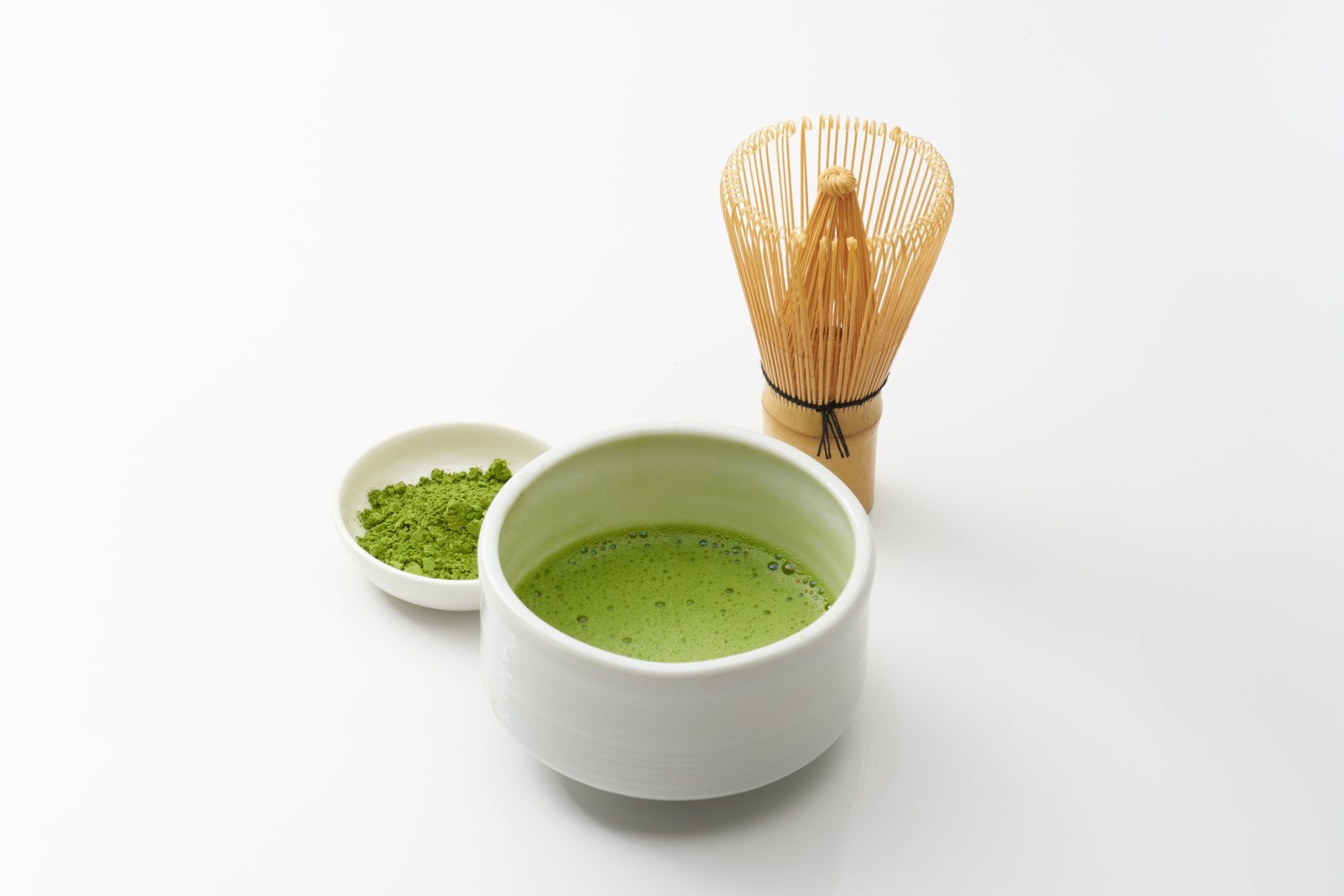
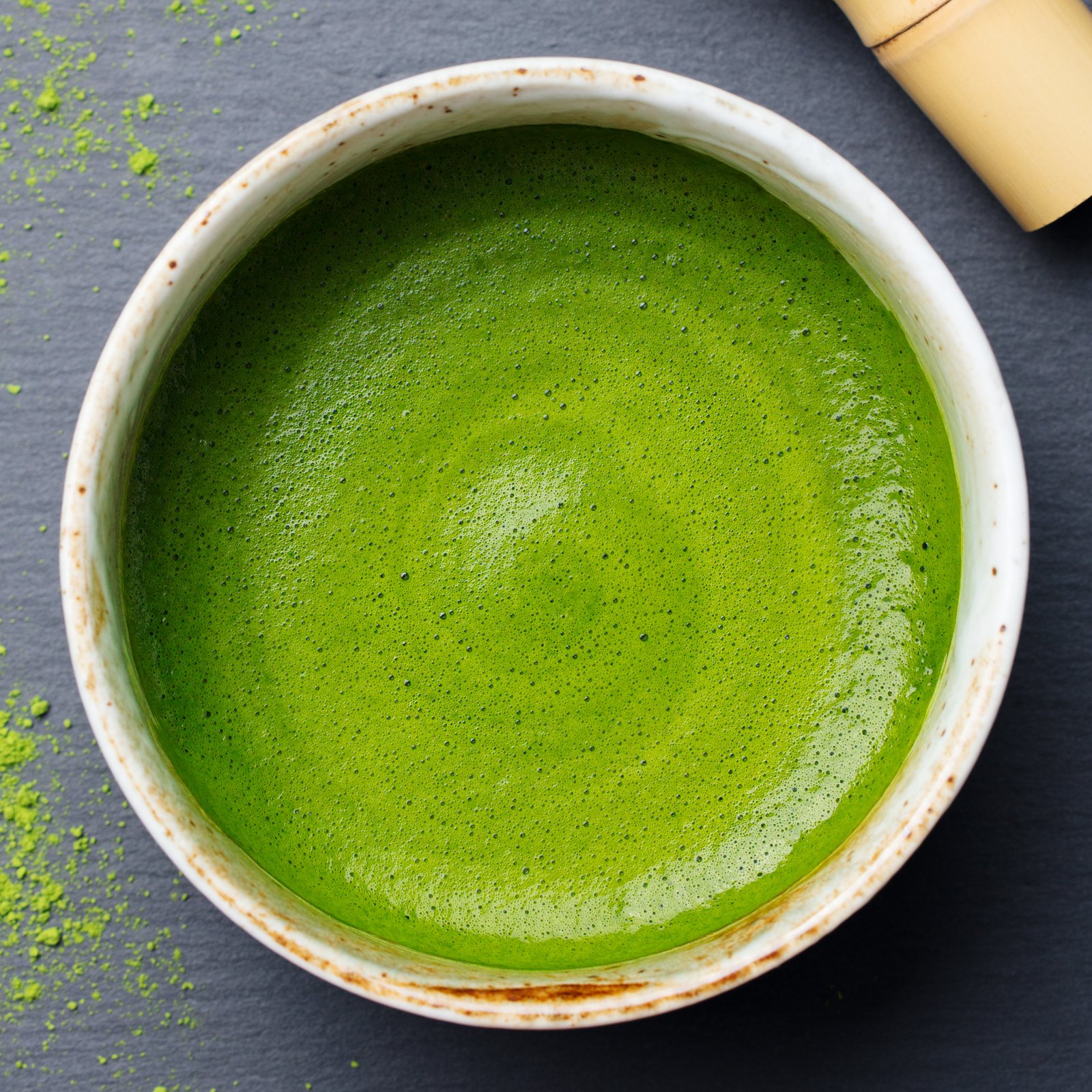
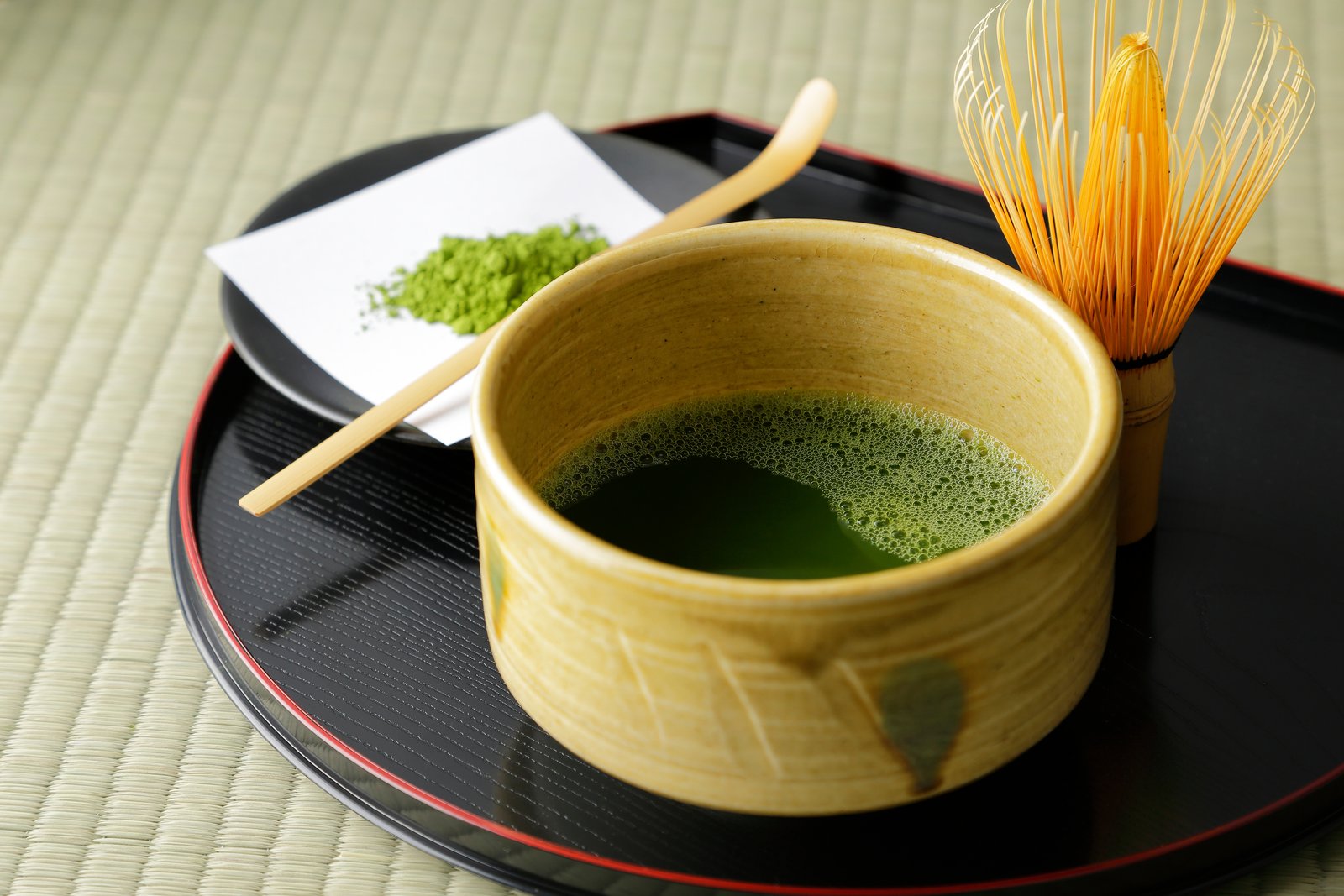
A matcha bowl is a vessel for whisking matcha and drinking it directly from the bowl. In English it is called a matcha bowl, or a chawan (茶碗), using the Japanese word. In Japanese it is also called a matcha-jawan, to tell it apart from a rice bowl, which is also called chawan.
The bowl at a tea gathering
According to the multilingual commentary database of the Japan Tourism Agency, at a tea gathering the host (teishu) whisks the matcha in the bowl. Before the 16th century, most bowls were refined pieces imported from China. Japanese tea masters later came to prefer rustic bowls from Goryeo (the Korean Peninsula), and in the 16th century Japanese kilns began making their own bowls.
The same source explains that many bowls have a “front,” and that the host serves the bowl with its front facing the guest. If your café serves matcha in the bowl, place it so that the side with the design or glaze (yuyaku, the glassy layer that covers the surface) you most want to show faces the customer.
Whisking and the whisk are covered in other articles
How much matcha to use, the water temperature and how to move the whisk are covered in How to Make Matcha, and how to choose and care for the whisk itself in Matcha Whisk (Chasen). This article covers choosing and handling the bowl.
Shape: changing with the season
Bowl shapes are used according to the season: thick, deep bowls are common in winter and wide, shallow bowls in summer. This is not a rule but a way of hosting that suits the temperature and the look.
Deep in winter, shallow in summer
The Japan Tourism Agency’s database says that winter bowls are often thick-walled and deep to keep the tea warm, and that summer bowls are often wide and shallow so the tea cools quickly. Ippodo Tea also writes that in the tea ceremony, heavier bowls of coarse clay are preferred in winter and thin, smooth bowls in summer.
Tsutsu and hira bowls
Three shape names come up often.
| Name | Shape | How public sources treat it |
|---|---|---|
| Tsutsu-jawan (cylindrical bowl) | Tall, like a cylinder | Urasenke calls it one of the touches a host can use to show warm hospitality in the cold season |
| Hantsutsu (half-cylinder) | Lower than a tsutsu-jawan | The Cultural Heritage Online entry on a Raku bowl describes it as “half-cylinder shaped” |
| Hira-jawan (flat bowl) | Wide mouth, shallow | Urasenke gives the example of filling a hira-jawan with water in a summer procedure |
Urasenke also says that wringing the tea cloth when using a tsutsu-jawan is not required and is “only a touch” by the host. We could not find any public list that sets how bowl shapes are classified or how many there are.
Size: wide enough to whisk without spilling
Choose a bowl wide and deep enough that it does not spill when you whisk vigorously, and small enough to hold in your hands to drink from. No public document sets a standard rim diameter, so compare bowls by the amount you whisk and their capacity.
The size of Ippodo Tea’s bowls
Ippodo Tea says a bowl must be large enough not to spill during vigorous whisking, and not too big, because you hold it in your hands to drink. It says its bowls are made wide and deep to make the wide whisking motion easier. The sizes and capacities on its product pages are as follows.
| Ippodo Tea bowl | Size | When full | When whisking |
|---|---|---|---|
| Matcha bowl (Cream, Mino-yaki) | 5 × 5 × 2.5 in (about 12.7 × 12.7 × 6.4 cm) | 360 mL | 120 mL |
| Bowl with spout (White, Mino-yaki) | 5.1 × 5.1 × 3.5 in (about 13.0 × 13.0 × 8.9 cm) | 450 mL | 150 mL |
For both bowls, the amount when whisking is about one third of the full capacity. Ippodo’s three-serving method (below) divides 180 mL of hot water into three cups, which is 60 mL of water per serving.
Some old bowls are small
According to Cultural Heritage Online, the 16th-century black Raku bowl “Mukashi-banashi” by Chojiro is 8.0 cm high with a rim diameter of 10.0 cm. You can whisk in a bowl with a rim of about 10 cm, but there is less room to move the whisk. In our view, a café that whisks many servings a day will find a bowl with a wide mouth and a flat area at the bottom, where the tips of the whisk touch, easier to work with.
Pottery styles, and designation as traditional crafts
Hagi, Karatsu, Kyo and Kiyomizu, and Mino ware are traditional crafts designated by Japan’s Minister of Economy, Trade and Industry. Raku ware, often named as a pottery style for tea bowls, is not in the list.
Pottery styles often used for tea bowls
Traditional crafts (伝統的工芸品) are crafts made in a particular region with traditional techniques and materials that are designated under law. We checked the designation dates and main products on each page of the Association for the Promotion of Traditional Craft Industries.
| Pottery | Main production area | Designated as a traditional craft | Main products (as listed by the association) |
|---|---|---|---|
| Hagi ware (萩焼) | Hagi city and other areas, Yamaguchi Prefecture | 30 January 2002 | Tea utensils, flower vases, tableware, decorative items |
| Karatsu ware (唐津焼) | Karatsu city and other areas, Saga Prefecture | 9 June 1988 | Tea utensils, flower vases, sake bottles |
| Kyo ware and Kiyomizu ware (京焼・清水焼) | Kyoto city and other areas, Kyoto Prefecture | 20 March 1977 | Tableware, flower vases, tea utensils, incense ceremony items |
| Mino ware (美濃焼) | Tajimi city, Toki city and other areas, Gifu Prefecture | 22 July 1978 | Flower vases, tea utensils, tableware, ornaments |
| Imari and Arita ware (伊万里・有田焼) | Arita town and other areas, Saga Prefecture | 14 October 1977 | Japanese and Western tableware, decorative items |
| Raku ware (楽焼) | The Raku family, Kyoto | Not designated (not in the list of 33 ceramic crafts) | - |
“First Raku, second Hagi, third Karatsu”
On its Hagi ware page, the association quotes the saying “first Raku, second Hagi, third Karatsu” and says Hagi ware has been valued as a tea ceremony utensil for several hundred years. Its Karatsu ware page also says Karatsu ware became so established as “wabi tea bowls” that it is named in this saying.
Raku ware is shaped by hand
According to the Raku Museum, Raku ware was started in the Momoyama period (16th century) by Chojiro, the first generation of the Raku family. Cultural Heritage Online explains that Chojiro began making Raku tea bowls following the ideas of Sen no Rikyu, shaping them by hand without a potter’s wheel (rokuro) and finishing them by cutting with a spatula.
The bowl and the spouted bowl that Ippodo Tea sells in its English online store are both Mino ware. When you choose a bowl by the name of a pottery style, ask the seller whether it was made in the designated production area or only uses the name of the area.
Spouted bowls: whisking several servings for lattes
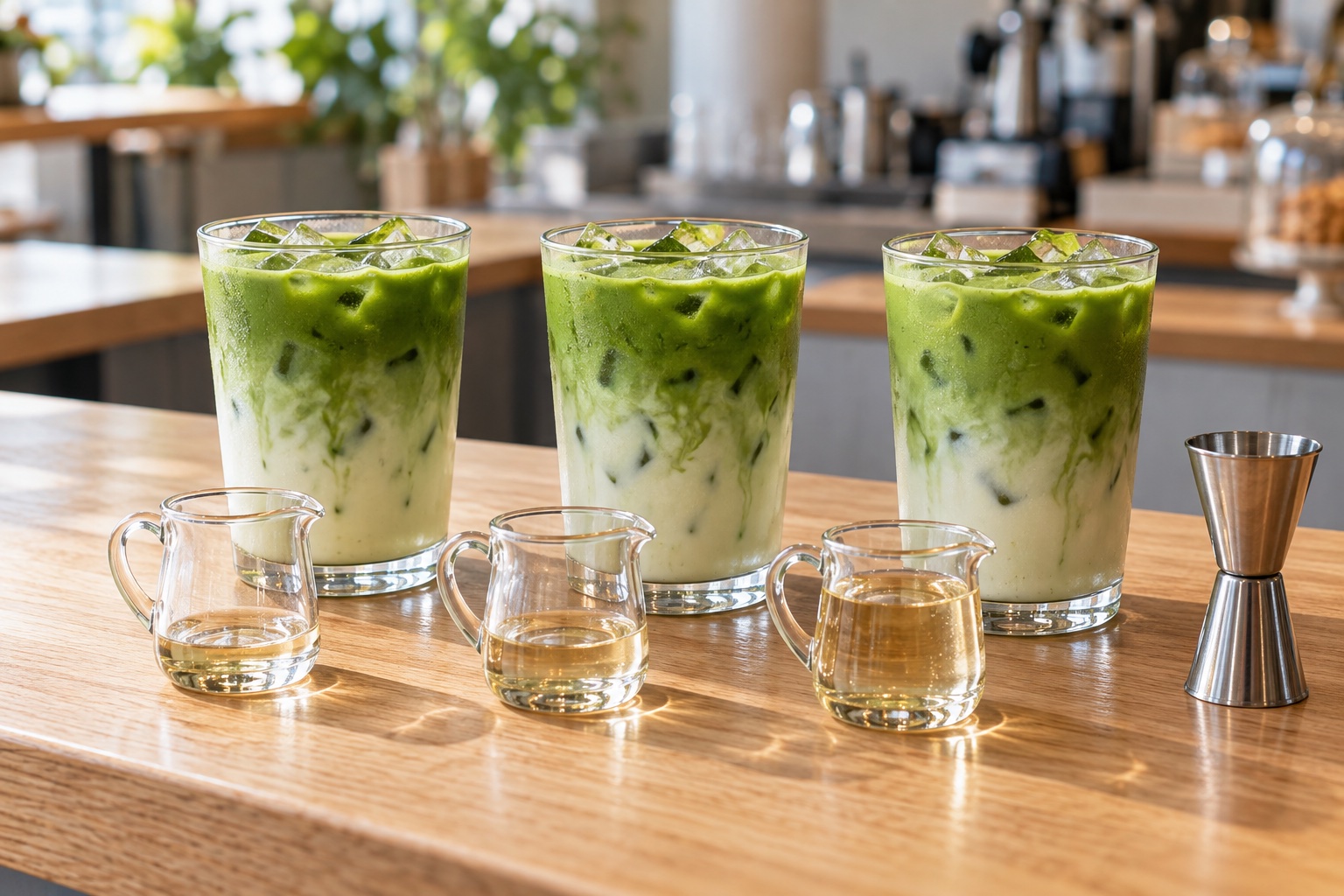
For matcha lattes, one method is to whisk in a bowl with a spout (katakuchi) and then pour into glasses. Ippodo Tea recommends a larger bowl with a spout if you whisk in the bowl and pour into a glass or mug.
Whisking three servings at once
Ippodo Tea’s spouted bowl is designed to whisk up to three servings at once and pour them. Its published method for three servings is:
- Sift 6 g of matcha into the spouted bowl
- Add 180 mL of hot water at 80°C
- Whisk vigorously for 15 seconds, making an “M” shape
- Divide into three cups
For lattes, pour each portion into a glass with milk. Compared with whisking one bowl at a time, this makes it easier to serve when orders come in together (this is our view).
Using it in a café
From here on, this is our view. After whisking several servings in a spouted bowl, stir lightly again before pouring and divide it evenly between the cups. Setting the amounts of matcha and water for your café keeps the taste the same whoever makes it. Latte ratios are covered in How to Choose Matcha for Café Lattes, and iced lattes in Iced Matcha Latte Recipe.
Care: crackle, water absorption, mould and the dishwasher
For pottery bowls that absorb water, such as Hagi ware, let the bowl soak up water before use, then wash it by hand and dry it completely after use. Tea seeps into the fine cracks in the surface (kan’nyu, crackle) and changes the colour, and crackle that appears later in ware that had none can cause stains and mould.
What is crackle?
According to the Mie Prefecture Industrial Research Institute, kan’nyu (crackle) is a network of fine cracks in the glaze that covers the surface of the ware. It is caused by the difference in how much the body of the ware (the clay) and the glaze expand and contract with heat. Some ware uses crackle as decoration, while “aging crackle” (keinen kan’nyu) appears over time in ware that originally had none.
| Point | What the bulletin says (translated) |
|---|---|
| What crackle is | Kan’nyu is a crack in the glaze, the glassy layer covering the surface of ceramics. Some products use attractive crackle as decoration |
| Aging crackle | Crackle that appears over time in porcelain tableware or semi-porcelain ware that originally had none is called aging crackle and is treated as a product defect |
| Why it is a defect | Irregular crackle spoils the appearance, and moisture from food can soak in and cause leaks, stains and mould |
Source: Mie Prefecture Industrial Research Institute, “三重県工業研究所だより 第26号 陶磁器の貫入について” (Mie Prefecture Industrial Research Institute Bulletin No. 26, On crackle in ceramics, November 2024, in Japanese) https://www.pref.mie.lg.jp/common/content/001165896.pdf
The institute says that aging crackle is treated as a product defect, and moisture from food can soak in and cause leaks, stains and mould. On the other hand, some bowls, such as Ippodo Tea’s, are meant to be enjoyed as the crackle gradually shows in a light amber colour with use.
Caring for Hagi ware
According to the Association for the Promotion of Traditional Craft Industries, Hagi ware absorbs a lot of water, and tea seeps into the gaps of the crackle so that the colour changes with use (known as “the seven changes of Hagi” and chanare, “settling in with tea”). It gives this care:
- Before use, let the ware soak up plenty of water
- After use, wash it well by hand with water
- Let it air-dry until all the moisture is gone
In our view, a café should place washed bowls upside down without stacking them after closing, and put them on the shelf only once they are dry. Do not stack them wet or put them in a box with a lid.
Check the dishwasher and microwave on each product’s label
We could not find any document from a pottery producers’ association that says whether matcha bowls can go in a dishwasher or microwave. Some English-language retailer articles (Sazen Tea, for example) say that bowls should never go in the dishwasher, but they give no reason and do not mention differences in material. When buying, ask the kiln or seller for each bowl whether it can be used in a dishwasher or microwave and with bleach, and keep bowls that cannot for hand washing only.
Safety standards: lead and cadmium in ceramics
Lead or cadmium can be used in pottery glazes and paints, so Japan, Singapore and Thailand each set limits on how much may leach out. Lead in matcha itself is covered in Matcha Lead. This section looks at the limits for what leaches out of the bowl.
Limits in three countries
Japan’s standard fills the vessel with 4% acetic acid, leaves it at room temperature in the dark for 24 hours, and measures how much has leached out. Singapore’s regulation sets the limit as the amount of lead per mL of leaching solution, and Thailand’s notification sets it as the amount measured by the analysis method of the US AOAC.
| Country | Legal basis | Category a matcha bowl may fall into | Lead | Cadmium |
|---|---|---|---|---|
| Japan | Standards under the Food Sanitation Act (amended by Cabinet Office Notification No. 95 of 2025) | At least 2.5 cm deep, not a cooking utensil, capacity under 1.1 L | 2 µg/mL | 0.5 µg/mL |
| Singapore | Food Regulations, Regulation 37 | Small hollow-ware (under 1.1 L, excluding cups and mugs) 2.0; cups and mugs 0.5 | 2.0 or 0.5 mcg/mL | No figure set (vessels capable of imparting it are prohibited) |
| Thailand | Ministry of Public Health Notification No. 92 (1985) | Small deep vessel (deeper than 25 mm, under 1.1 L) | 5.0 mg/L | 0.5 mg/L |
µg/mL, mcg/mL and mg/L are the same size of unit (1 µg/mL = 1 mg/L). The regulation does not settle whether a matcha bowl counts as “small hollow-ware” or as a “cup or mug” in Singapore. For lead, confirming that the bowl meets the lower figure of 0.5 mcg/mL covers both categories.
Where Japan’s standard applies
Article 18 of Japan’s Food Sanitation Act sets standards for utensils that are sold or used in business, and prohibits selling, importing or using in business any that do not meet them. A Q&A from the Ministry of Health, Labour and Welfare says the Act does not regulate individuals using them at home, and that leaching from outer surfaces that do not touch food is outside the standard. The standard was tightened in 2008 with reference to standards of the International Organization for Standardization (ISO). Japan’s standard applies to ware sold or used in Japan. For a café in Singapore or Thailand, check against that country’s standard.
The Singapore Food Agency’s advice
The Singapore Food Agency (SFA) publishes guidance on the safe use of ceramic tableware.
| Point | What the guide says |
|---|---|
| Where metals come from | Clay and other raw materials naturally contain trace metals such as lead and cadmium, and heavy metals may also come from glazes, pigments and decoration |
| Scratched tableware | Using scratched tableware increases the likelihood of heavy metals migrating into food and drinks |
| Rules in Singapore | Ceramic tableware imported, used or sold in Singapore must comply with the Food Regulations, and SFA tests ceramic tableware |
| Tips | Buy from trusted manufacturers, avoid decorative or antique ceramic food ware, and avoid heavy brushing or scrubbing that may damage the glaze |
Source: Singapore Food Agency, “A Guide to Safe use of Ceramic Tableware” https://www.sfa.gov.sg/food-safety-tips/food-risk-concerns/risk-at-a-glance/a-guide-to-safe-use-of-ceramic-tableware
SFA says that using scratched tableware makes it more likely for heavy metals to migrate into food and drinks. It also says decorative or antique ware may use glazes or paints that do not meet current standards, and that heavy scrubbing may damage the glaze. Do not use antique bowls or bowls sold as decoration in your café.
How many bowls a café needs, and what to do with chipped bowls
Buy more bowls than you use at once to allow for drying time, and take bowls out of service once they chip or get scratched. The following is our example of how to run this, based on the care advice above and SFA’s advice.
Deciding how many to buy
- Take the number you use at the same time in the busiest hours, then add those being washed and dried, plus spares
- Count bowls for straight matcha and spouted bowls for lattes separately
- Use the same model so that every bowl gives the same amount and result
- Check with the kiln or seller in advance whether you can buy more of the same model later
Handmade bowls each differ in shape and colour. Ippodo Tea also says that its handmade items vary in shape, glaze and colour. For the bowls that set your café’s standard, choose ones with similar full capacity so the amount you whisk stays the same.
Chips, cracks and scratches
- Do not serve customers in a bowl with a chipped rim
- Take bowls with more scratches inside out of service, because SFA says scratches make heavy metals more likely to migrate
- If colour or smell remains after washing, or water seeps through a crack, review your care or replace the bowl
If your café shows off the colour of matcha, a bowl with a white or light-coloured inside makes both the green of the matcha and any stains on the bowl or in the crackle easier to see. Deciding in advance when to replace bowls keeps everyone’s judgement consistent.
What to check when importing
If your café overseas uses Japanese bowls, confirm with documents before buying that they meet your country’s standards. A bowl sold in Japan does not necessarily meet the standards of Singapore or Thailand.
What to ask the kiln or seller
- Results of lead and cadmium leaching tests (under which country’s standard, and when the test was done)
- Whether it can be used in a dishwasher or microwave and with bleach
- Whether you can keep buying the same model, and how much each piece differs in shape
- How replacements are handled if a bowl breaks
Singapore and Thailand
In Singapore, SFA says that ceramic tableware imported, used or sold must comply with the Food Regulations. In Thailand, Ministry of Public Health Notification No. 92 sets limits for lead and cadmium in ceramic vessels. However, the notification defines a “container” as something used for packing food by filling or wrapping, and we could not confirm in official sources how far it applies to bowls used in a café, or whether registration or other procedures are needed to import them. Before importing, check with the Thai Food and Drug Administration (Thai FDA) or a customs broker, giving the item and its material. The procedure for importing matcha itself into Singapore is covered in How to Import Matcha into Singapore.
Matching the matcha to the bowl
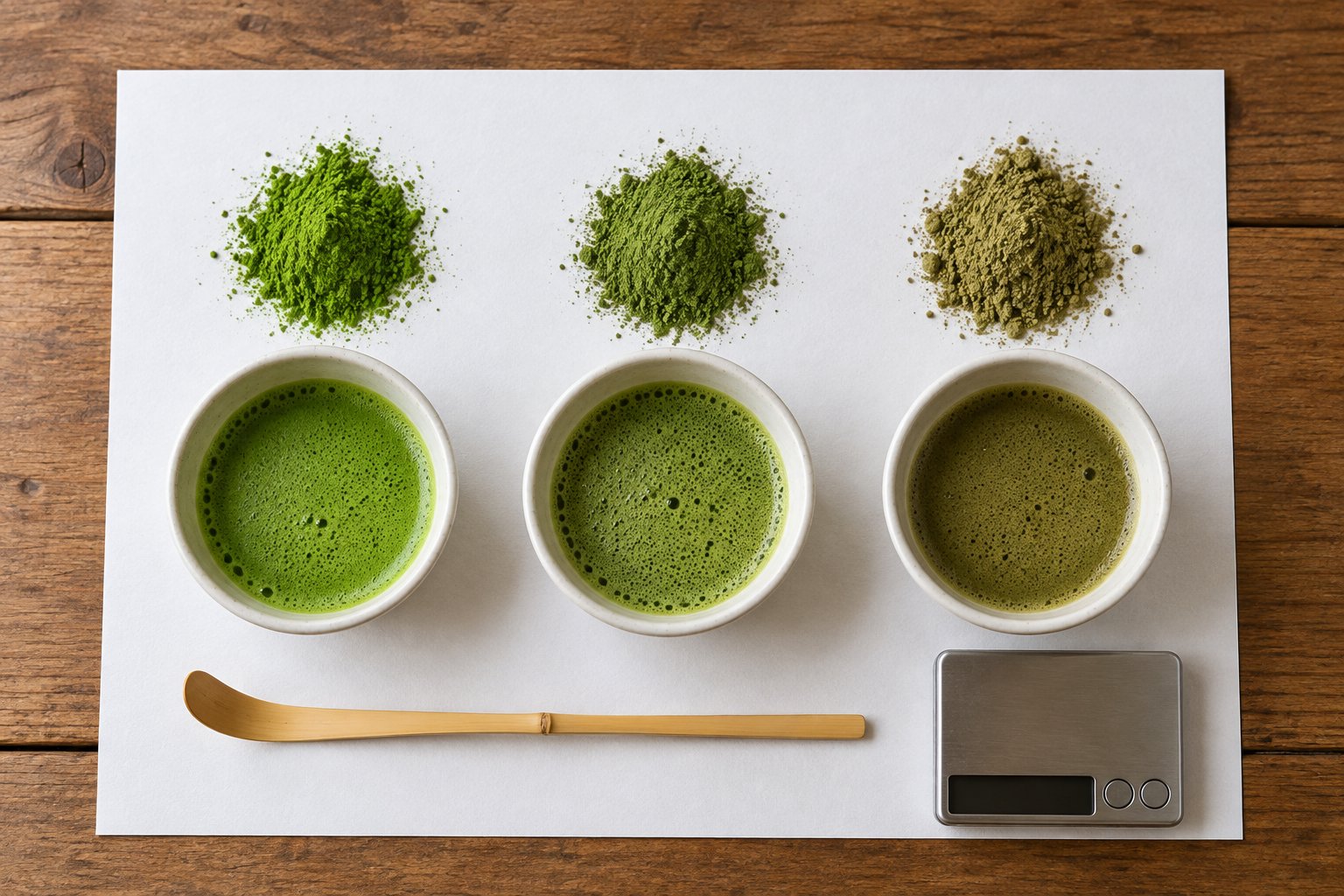
Even with the same bowls, changing the grade or grinding method of the matcha changes the foam and colour. The differences between grades are covered in Matcha grades. Omakase Matcha does not sell bowls, but it supplies matcha from the origins of Uji, Yame, Shizuoka, Kagoshima and Miyazaki from 1kg, and you can try it with your café’s bowls using three samples.
Sources
- Japan Tourism Agency, multilingual commentary database, “有楽苑の茶道で使われる茶道具” (Tea utensils used in the tea ceremony at Urakuen, in Japanese) https://www.mlit.go.jp/tagengo-db/common/001653482.pdf
- Urasenke, “家元と一問一答” (Questions and answers with the Iemoto, in Japanese) https://www.urasenke.or.jp/archives/textm/headq/soke/ichimon/ichimon01an.html
- Cultural Heritage Online, “黒楽茶碗(俊寛)” (Black Raku tea bowl “Shunkan”, in Japanese) https://online.bunka.go.jp/heritages/detail/166215
- Cultural Heritage Online, “黒楽茶碗 銘むかし咄” (Black Raku tea bowl “Mukashi-banashi”, in Japanese) https://online.bunka.go.jp/heritages/detail/490604
- Raku Museum, “樂焼の歴史” (History of Raku ware, in Japanese) https://raku-yaki.or.jp/history/index.html
- Ippodo Tea, “How to Choose a Chawan” https://ippodotea.com/blogs/ippodo-tea-blog/how-to-choose-a-chawan
- Ippodo Tea, “Matcha Tea Bowl – Cream (Mino-yaki)” https://ippodotea.com/products/matcha-tea-bowl-cream
- Ippodo Tea, “Tea Bowl with Spout – White (Mino-yaki)” https://ippodotea.com/products/tea-bowl-with-spout-white
- Ippodo Tea, “Usucha for a Group (Three Servings)” https://ippodotea.com/blogs/recipes-to-brew-japanese-tea/usucha-for-a-group-makes-3-servings
- Ministry of Economy, Trade and Industry (METI), “伝統的工芸品に関する法律について” (On the law on traditional crafts, in Japanese) https://www.meti.go.jp/policy/mono_info_service/mono/nichiyo-densan/densan/designation.html
- Aoyama Square (Association for the Promotion of Traditional Craft Industries), “萩焼” (Hagi ware, in Japanese) https://kougeihin.jp/craft/0419/
- Aoyama Square, “唐津焼” (Karatsu ware, in Japanese) https://kougeihin.jp/craft/0425/
- Aoyama Square, “京焼・清水焼” (Kyo ware and Kiyomizu ware, in Japanese) https://kougeihin.jp/craft/0414/
- Aoyama Square, “美濃焼” (Mino ware, in Japanese) https://kougeihin.jp/craft/0406/
- Aoyama Square, “伊万里・有田焼” (Imari and Arita ware, in Japanese) https://kougeihin.jp/craft/0424/
- Aoyama Square, “陶磁器” (Ceramics list, in Japanese) https://kougeihin.jp/craft_industry/toujiki/
- Sazen Tea, “How to take care of your teaware” https://www.sazentea.com/en/blog/lexicon/how-to-take-care-of-your-teaware.html
- Mie Prefecture Industrial Research Institute, “三重県工業研究所だより 第26号 陶磁器の貫入について” (Bulletin No. 26, On crackle in ceramics, November 2024, in Japanese) https://www.pref.mie.lg.jp/common/content/001165896.pdf
- Food Sanitation Act, Article 18 (in Japanese) https://laws.e-gov.go.jp/law/322AC0000000233
- Consumer Affairs Agency, “令和7年内閣府告示第95号(食品、添加物等の規格基準の一部改正)新旧対照表” (Cabinet Office Notification No. 95 of 2025, comparison of old and new texts, in Japanese) https://www.caa.go.jp/policies/policy/standards_evaluation/appliance/assets/standards_cms101_250530_001.pdf
- Ministry of Health, Labour and Welfare, “食品、添加物等の規格基準の一部改正について” (Partial revision of the standards for food and additives, 31 July 2008, in Japanese) https://www.caa.go.jp/policies/policy/standards_evaluation/appliance/assets/080731-1_1.pdf
- Ministry of Health, Labour and Welfare, “ガラス製、陶磁器製又はホウロウ引きの器具又は容器包装の規格に関するQ&A” (Q&A on standards for glass, ceramic and enamelled utensils and containers, in Japanese) https://www.caa.go.jp/policies/policy/standards_evaluation/appliance/assets/standards_cms101_250529_003.pdf
- Singapore Statutes Online, “Food Regulations”, Regulation 37 https://sso.agc.gov.sg/SL/SFA1973-RG1?ProvIds=pr36A-,pr37-
- Singapore Food Agency, “A Guide to Safe use of Ceramic Tableware” (9 January 2025) https://www.sfa.gov.sg/food-safety-tips/food-risk-concerns/risk-at-a-glance/a-guide-to-safe-use-of-ceramic-tableware
- Thailand Ministry of Public Health, Notification No. 92 (B.E. 2528), English translation https://food.fda.moph.go.th/media.php?id=509201964098265088&name=No.92-28%20Prescription%20of%20Quality%20or%20Standard%20for%20Food%20Container.pdf
- Thai Food and Drug Administration, laws on food containers and packaging (in Thai) https://food.fda.moph.go.th/food-law/category/package