
 Reviewed by: Takahiro Sugiyama (CEO, meguri Inc.)
The amount of matcha and the water temperature vary a little from shop to shop and book to book. If you serve matcha every day in a café, you first need to set a standard method so the taste is the same whoever makes it. This guide compares the methods published by the Kyoto Prefectural Tea Research Institute and long-established Kyoto tea shops, then covers a daily routine for cafés and storage in hot countries.
What matcha is, and usucha vs. koicha
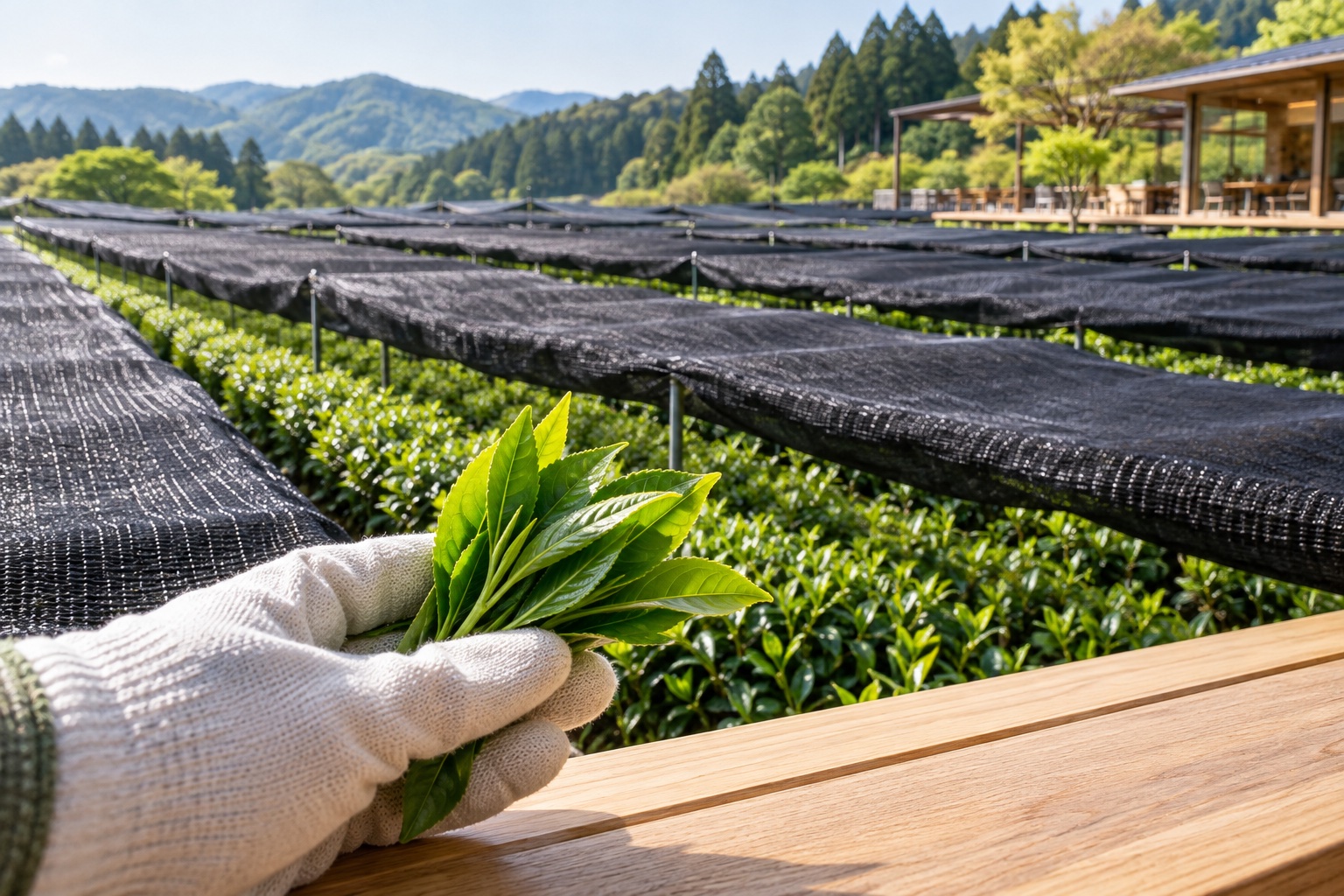
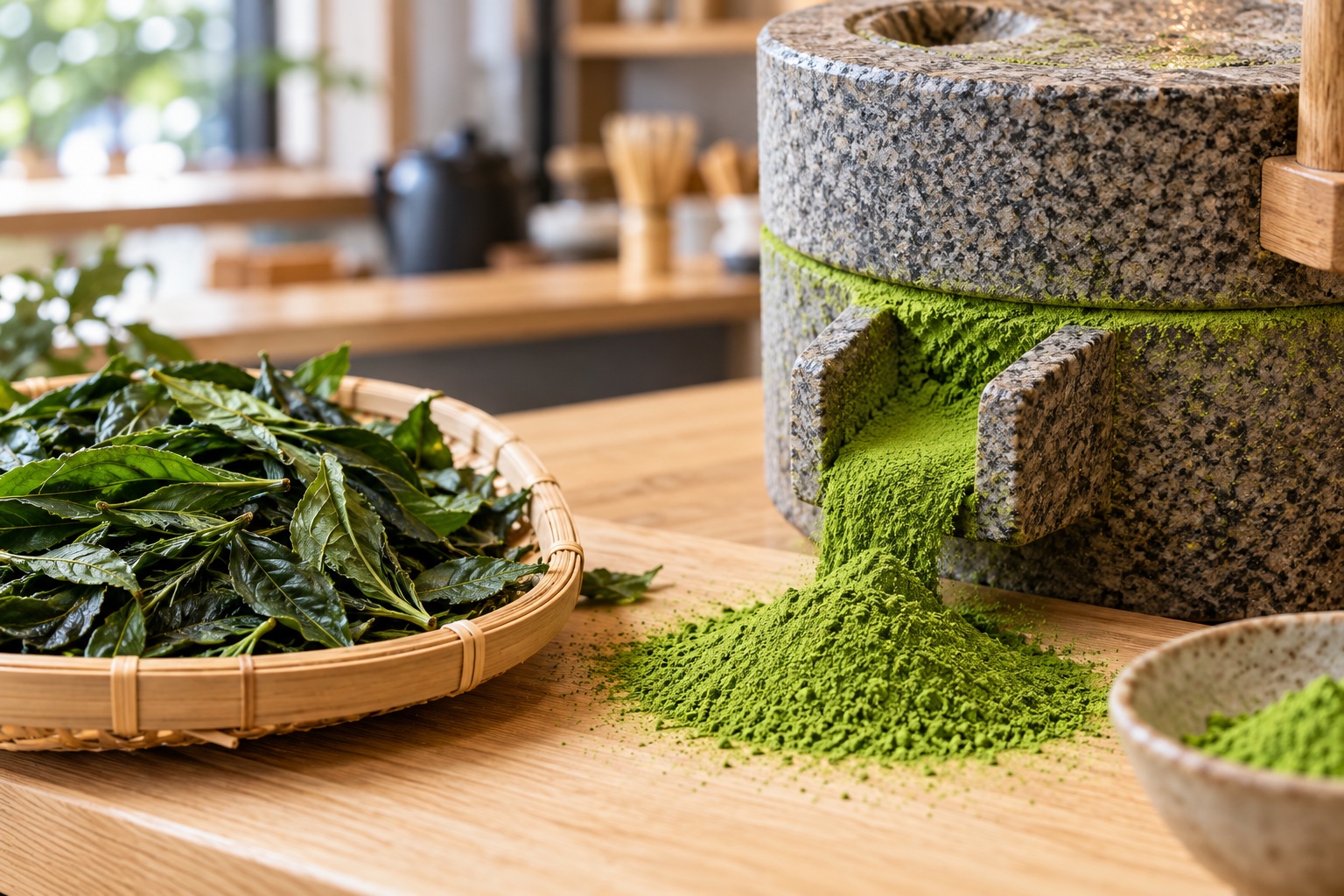
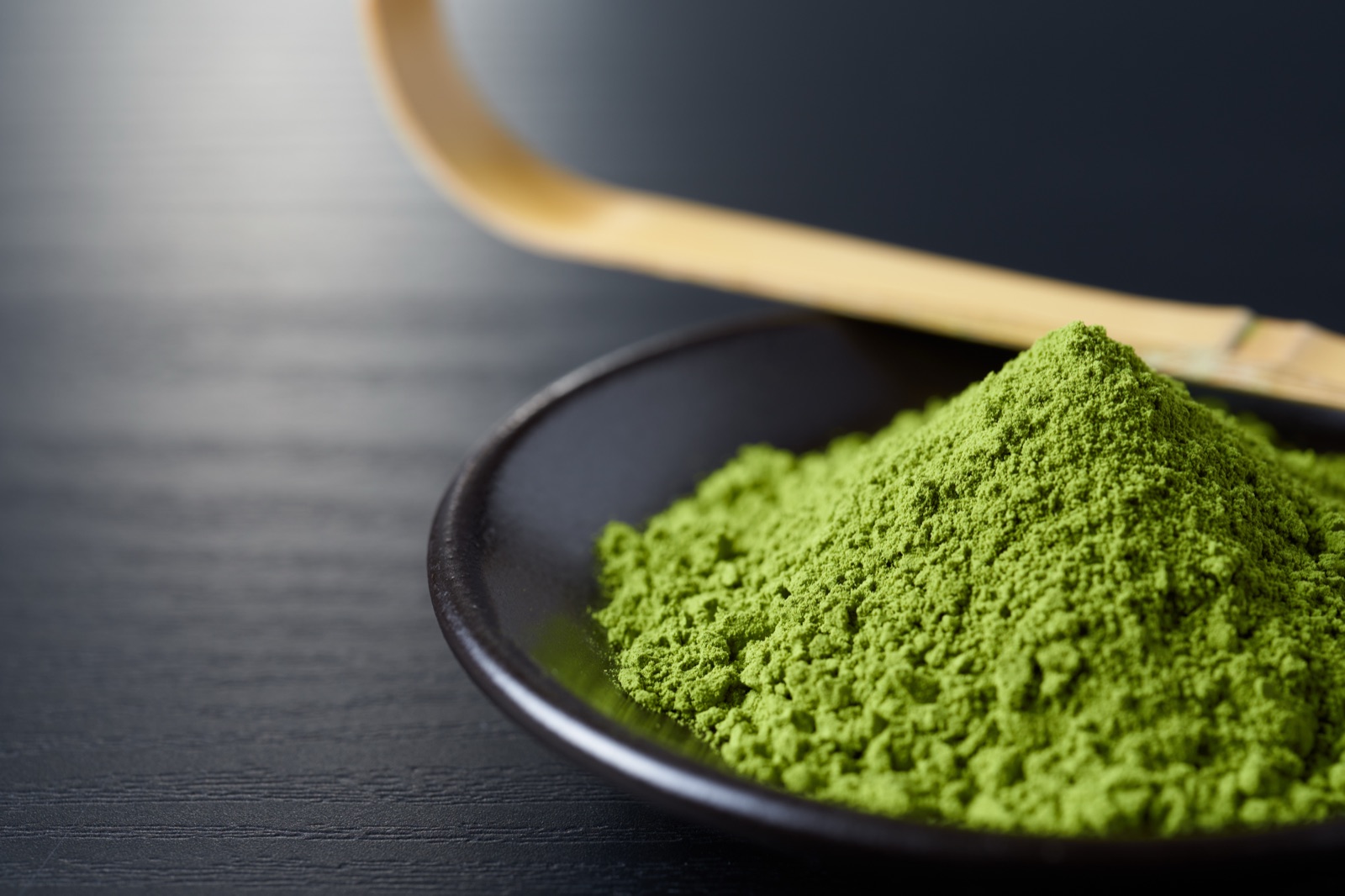
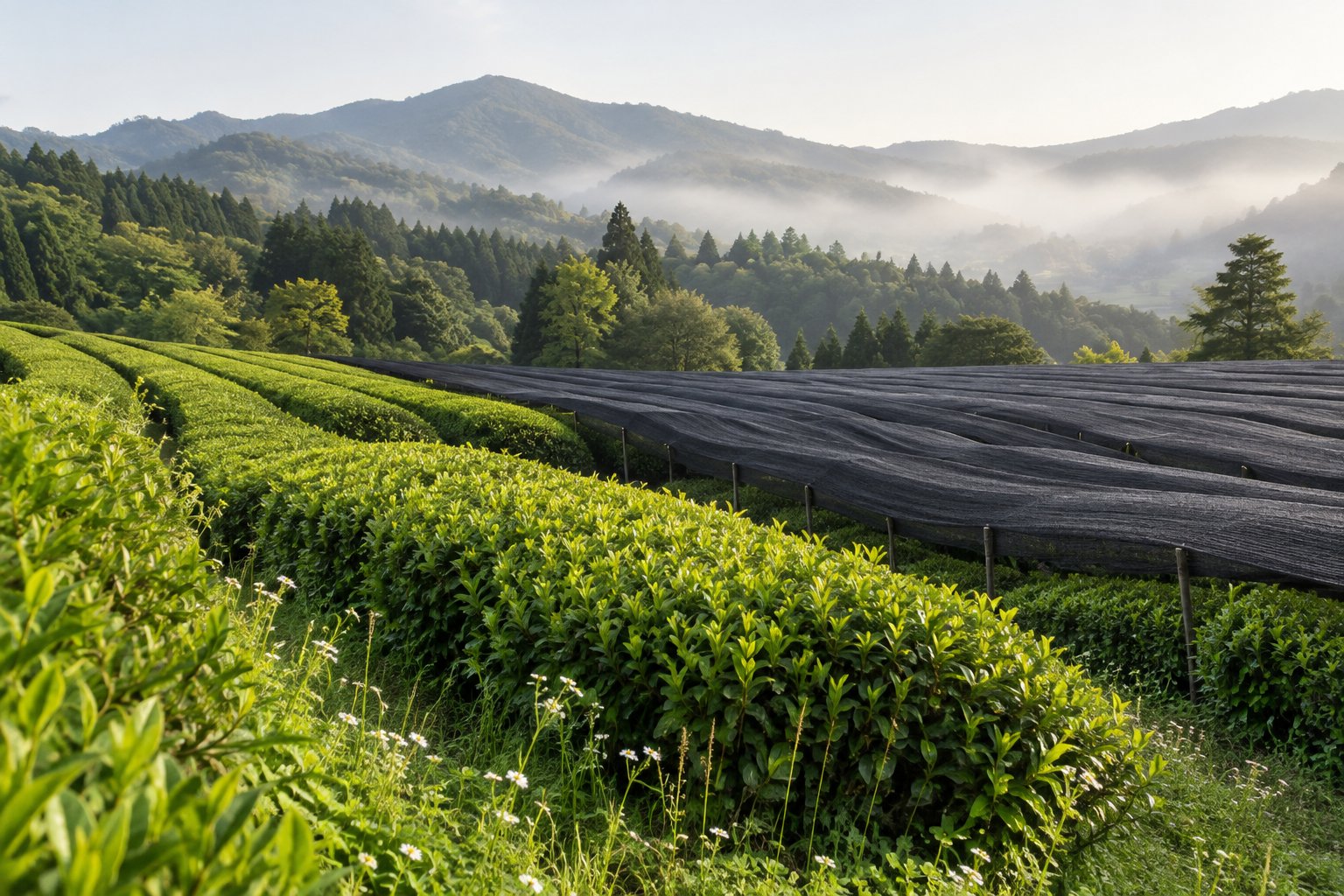
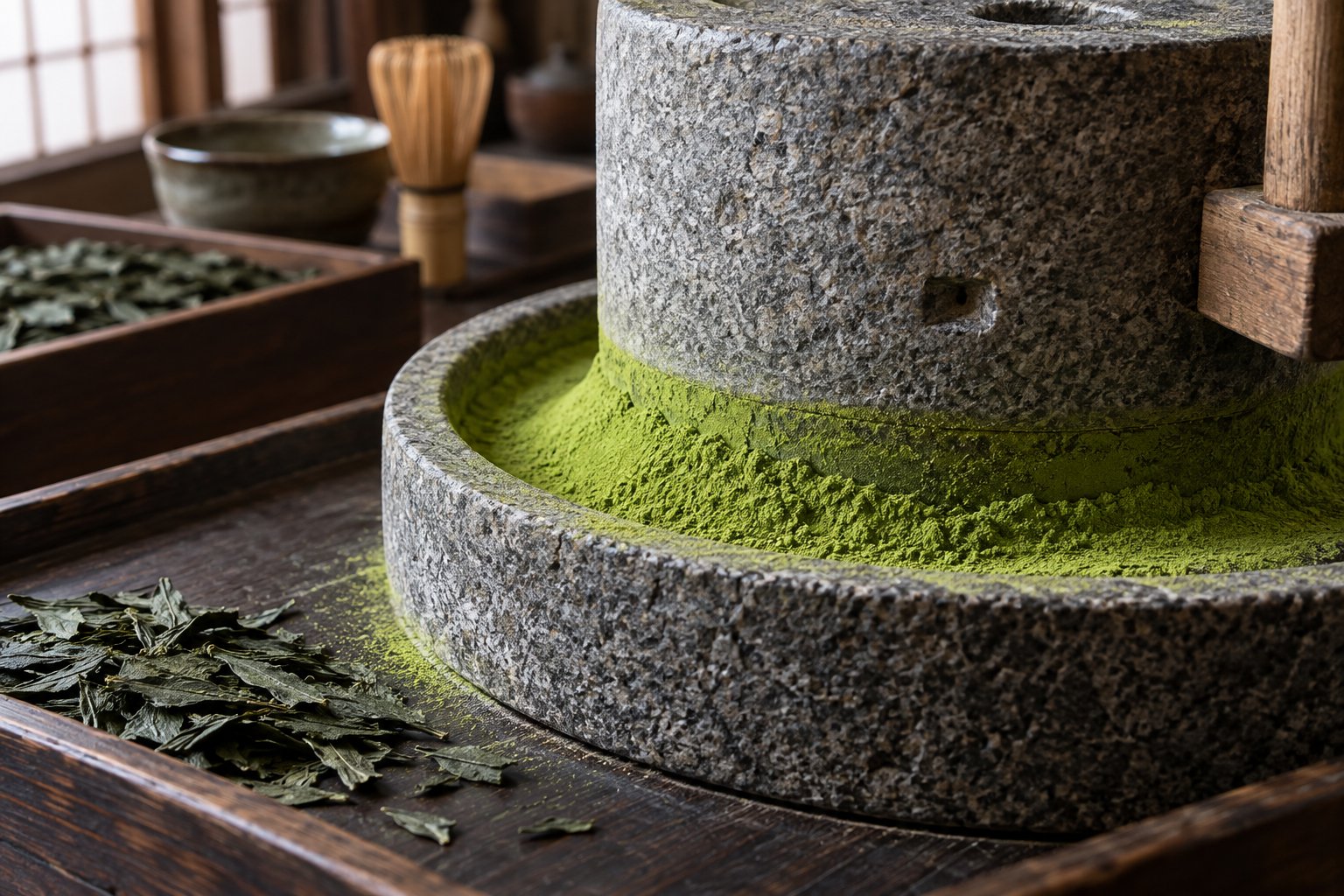
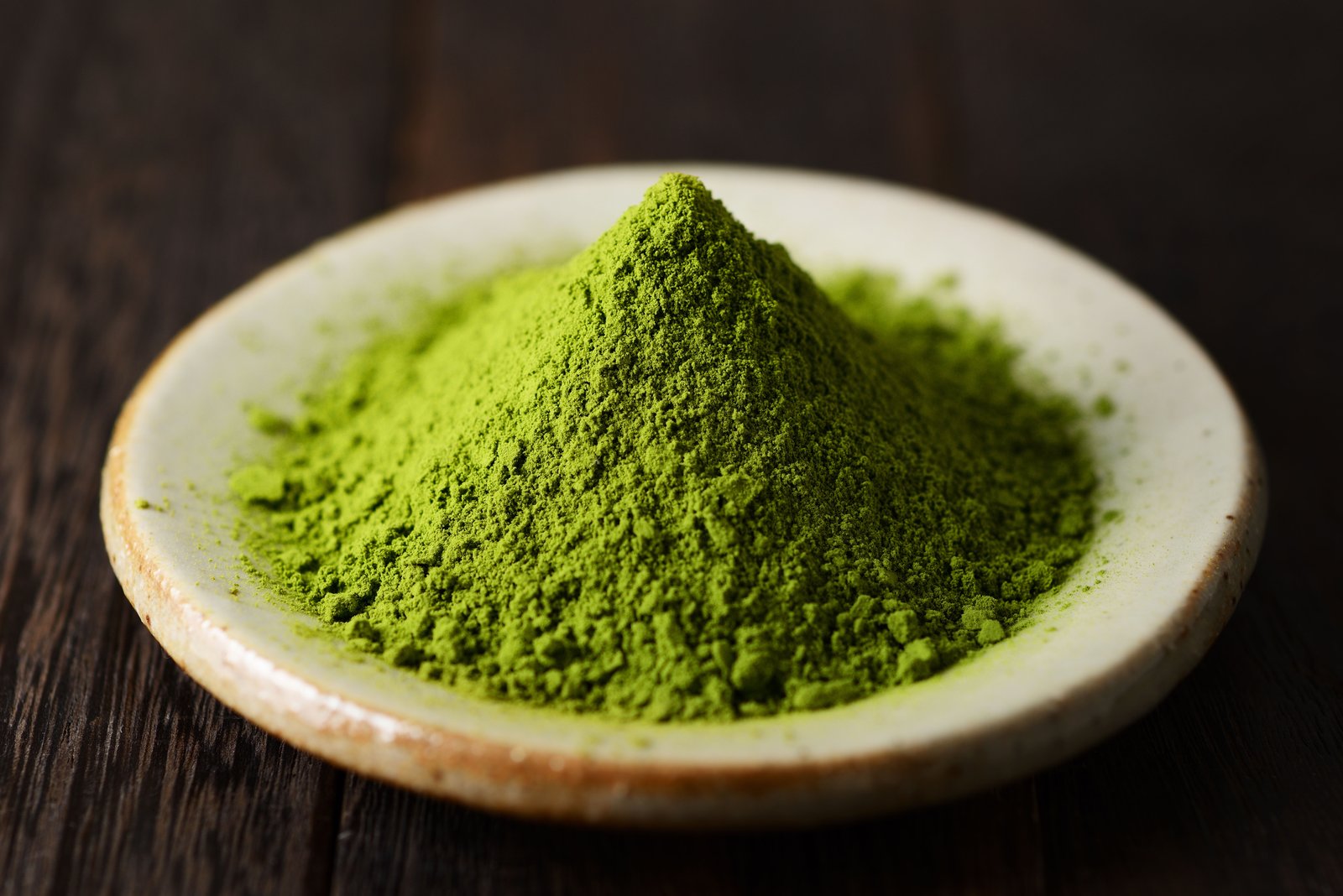
Matcha is tea made by grinding tencha into a fine powder with a stone mill or similar. The Green Tea Labelling Standard of the Japan Tea Central Public Interest Incorporated Association describes tencha as tea leaves grown under shade and dried in a tencha furnace or similar without rolling.
Usucha and koicha are names for how it is made
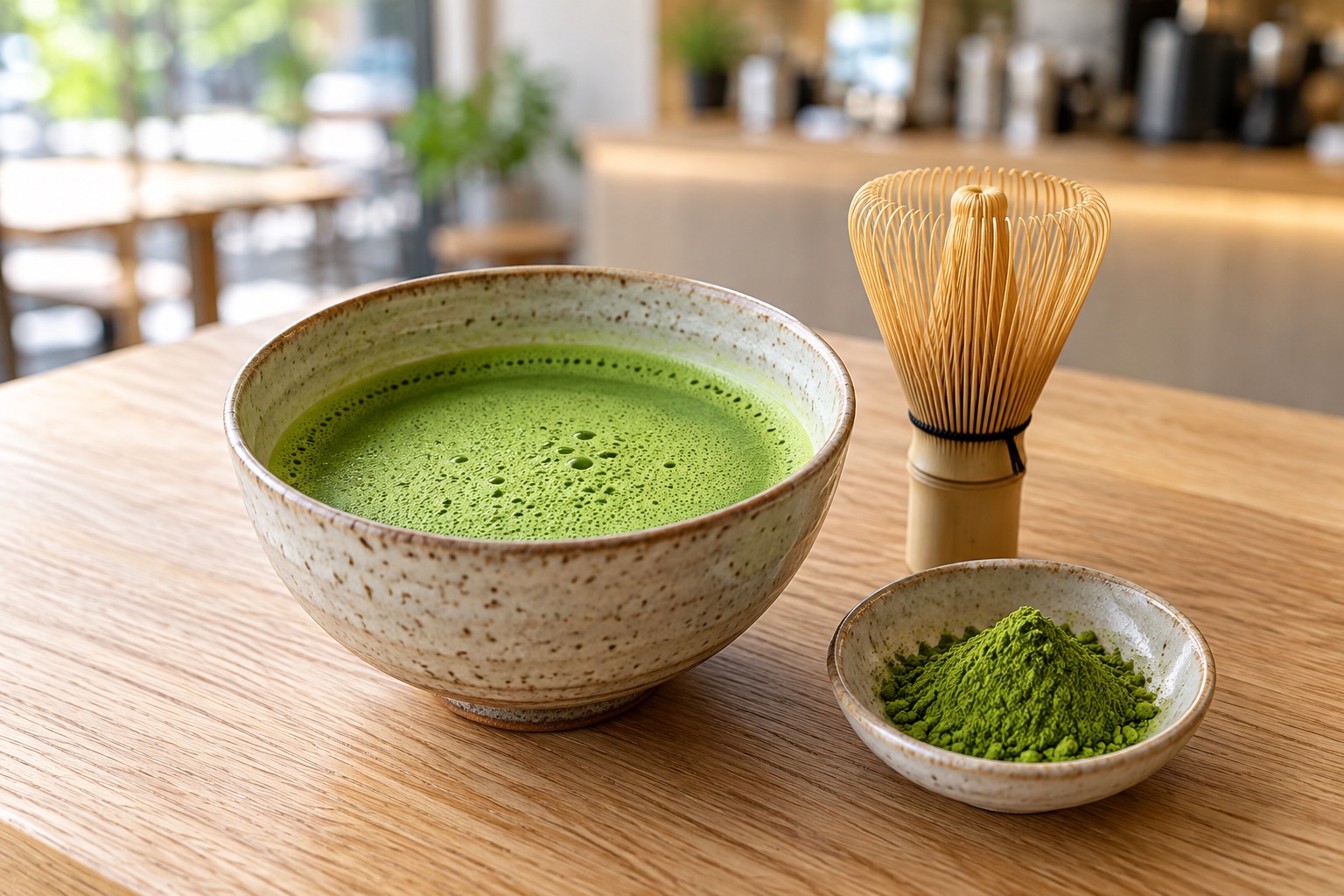
There are two ways to drink matcha: usucha (thin matcha) and koicha (thick matcha). Yamamasa Koyamaen explains that usucha and koicha are names for how the tea is made, not indications of quality.
- Usucha: about 1.5–2g of matcha whisked into a foam with about 60–70ml of water
- Koicha: more than twice as much matcha, kneaded with a small amount of water
Koicha tends to bring out bitterness and astringency, so long-established shops recommend higher grades of matcha for koicha.
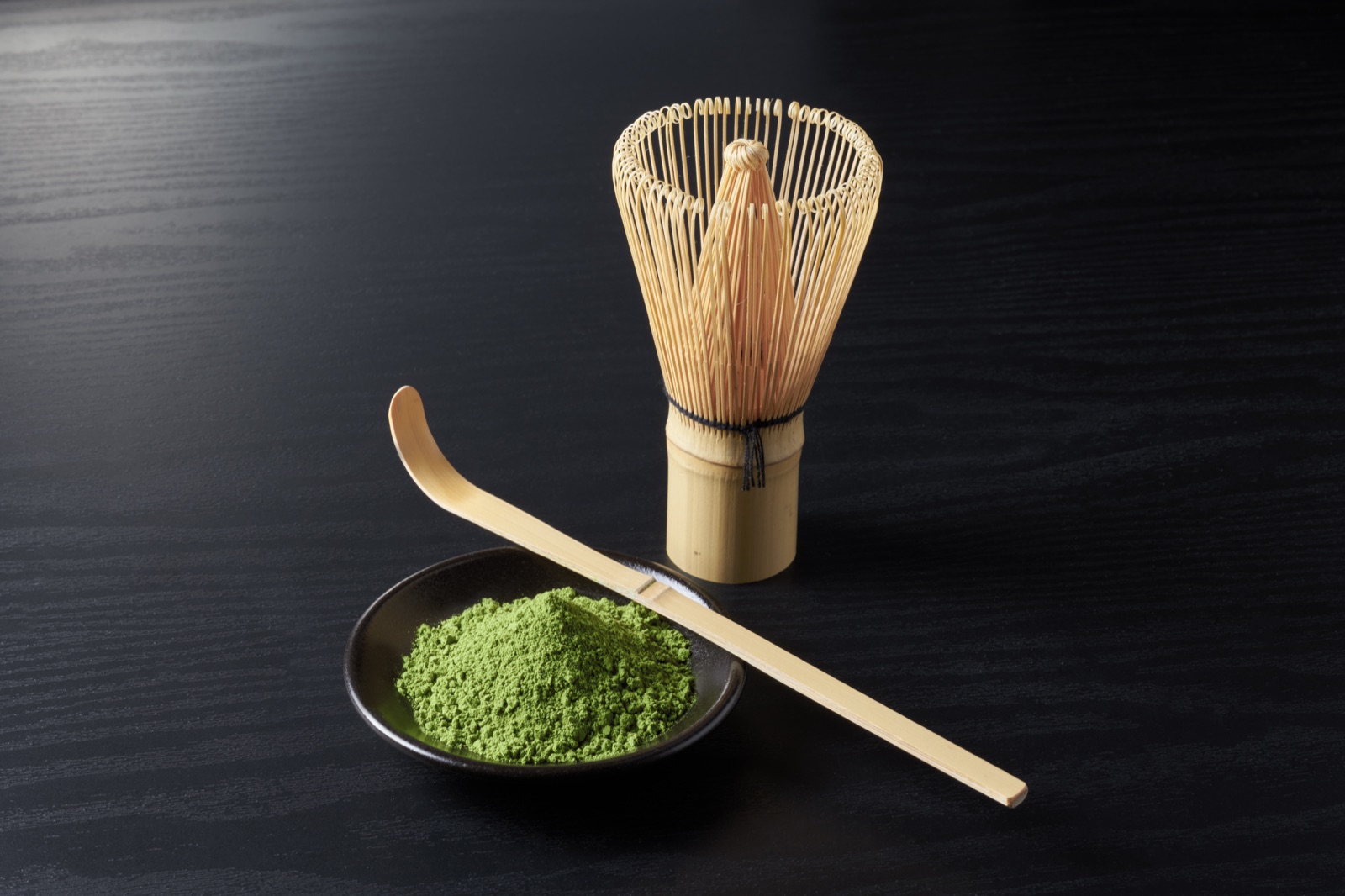
What you need
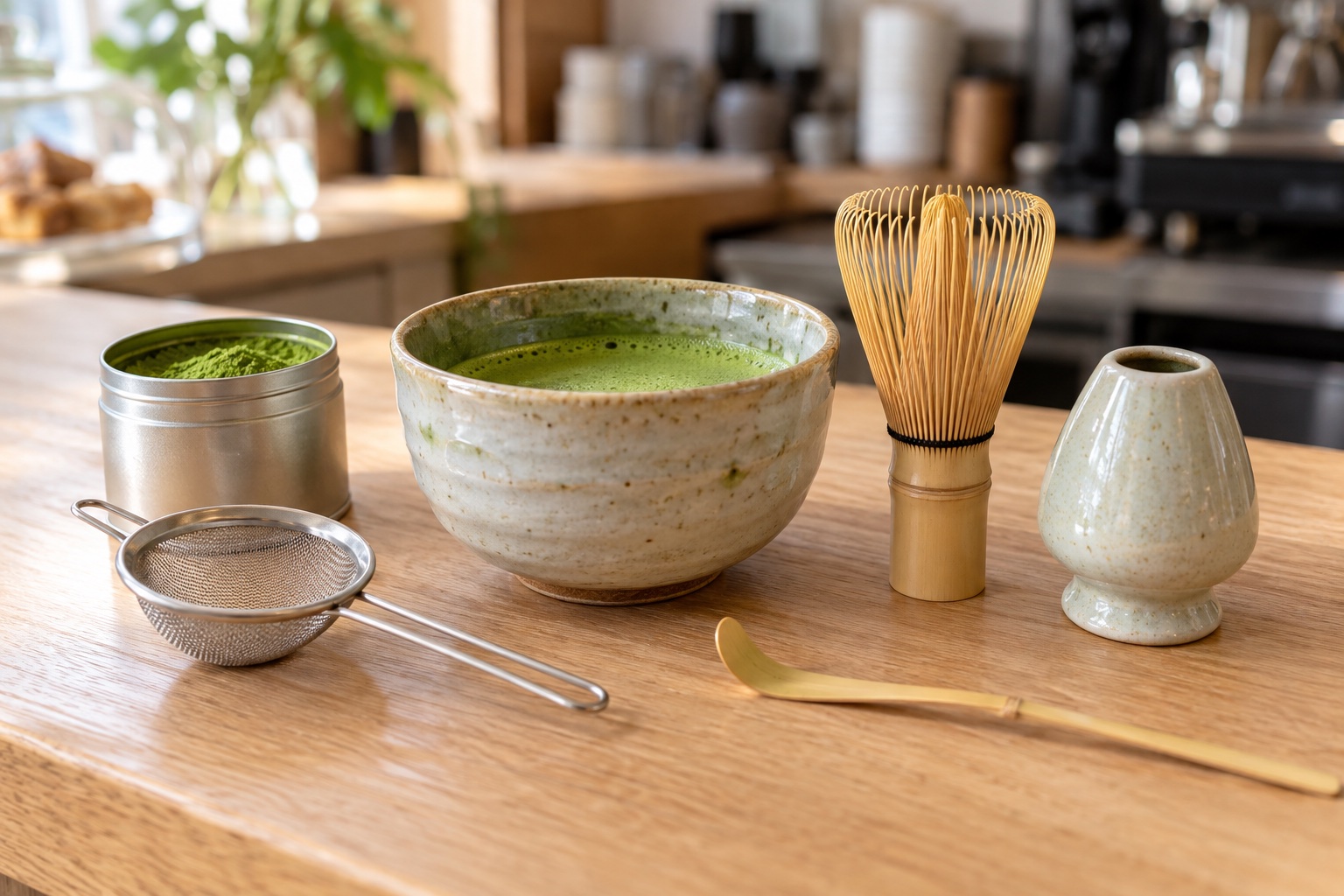
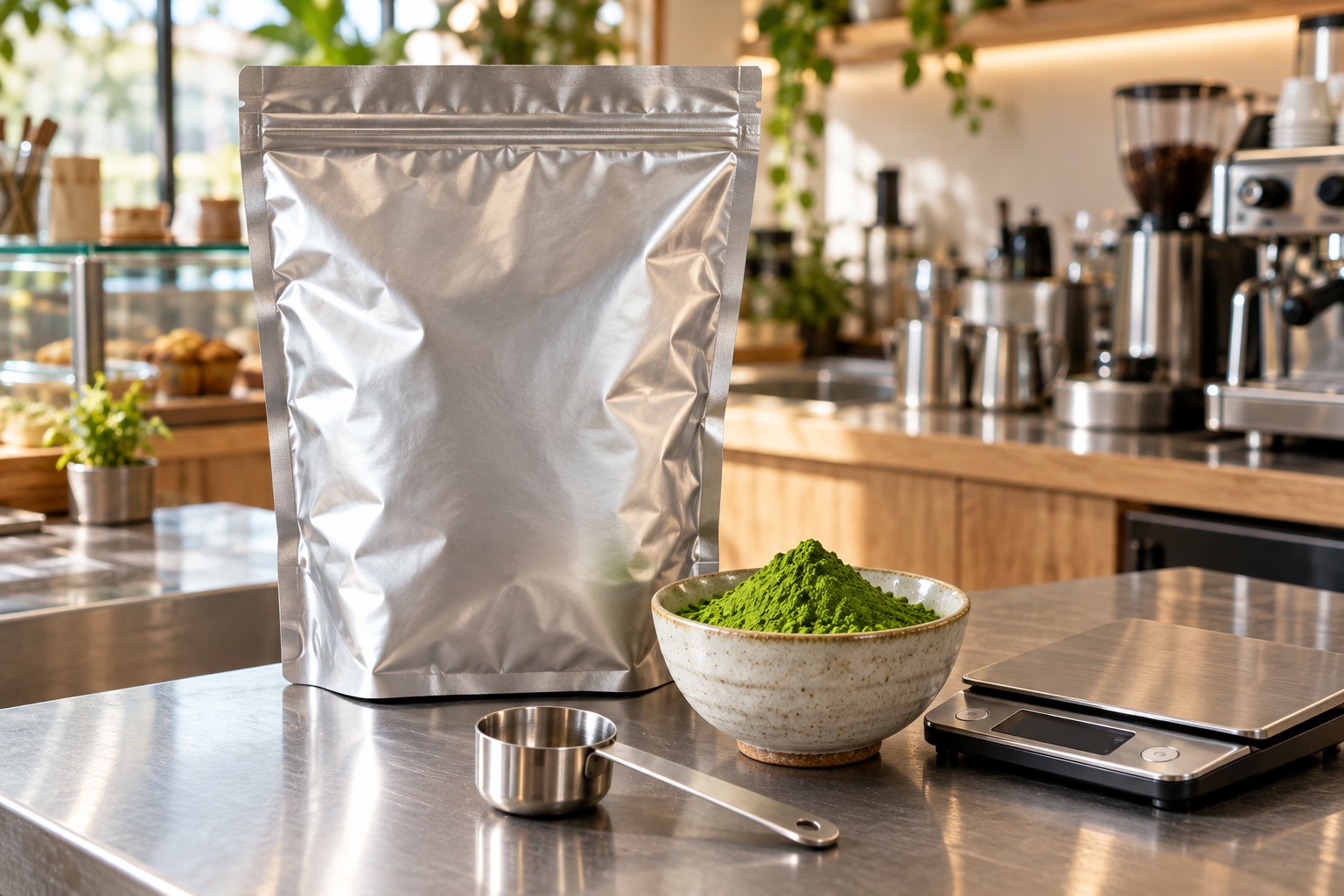
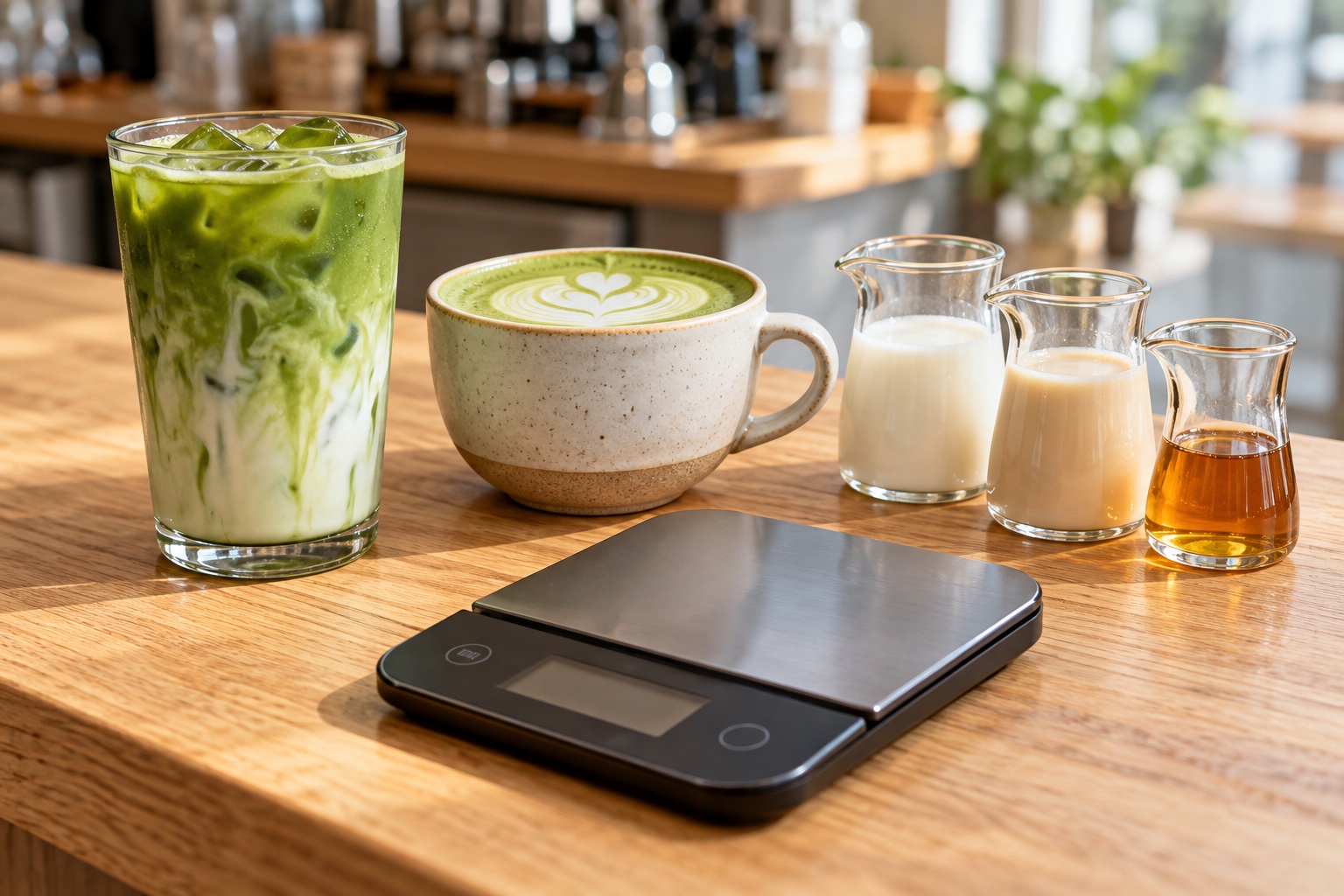
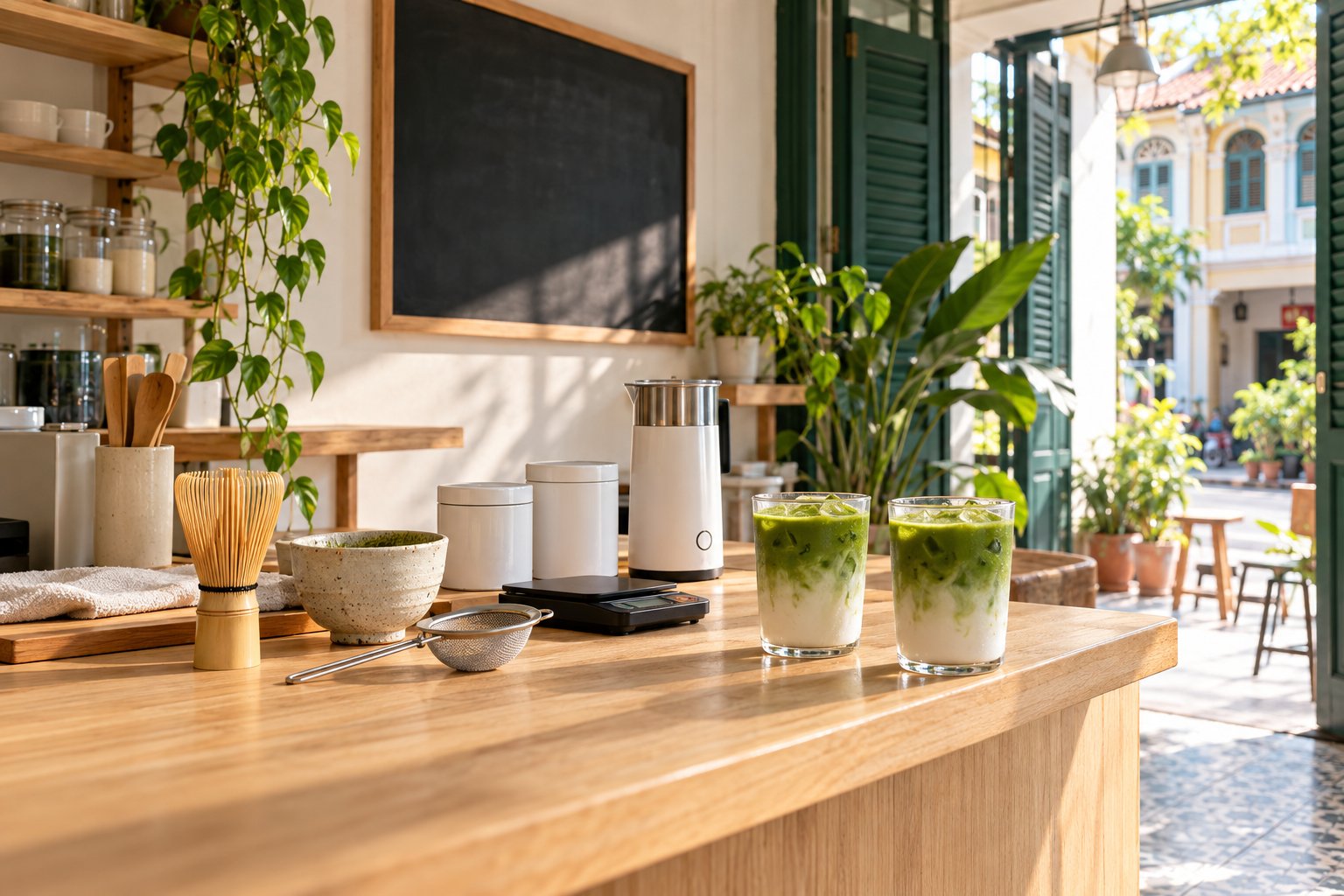
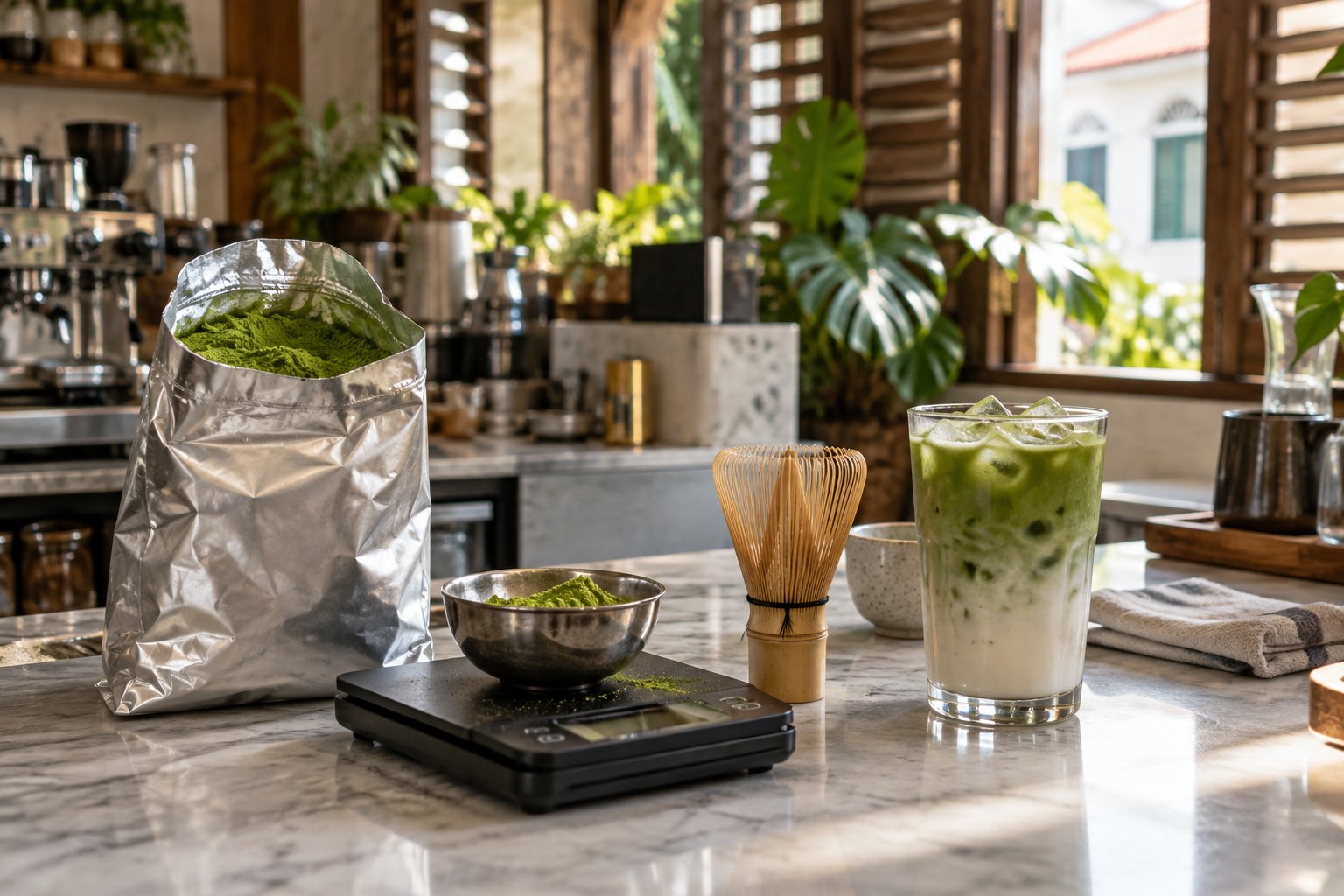
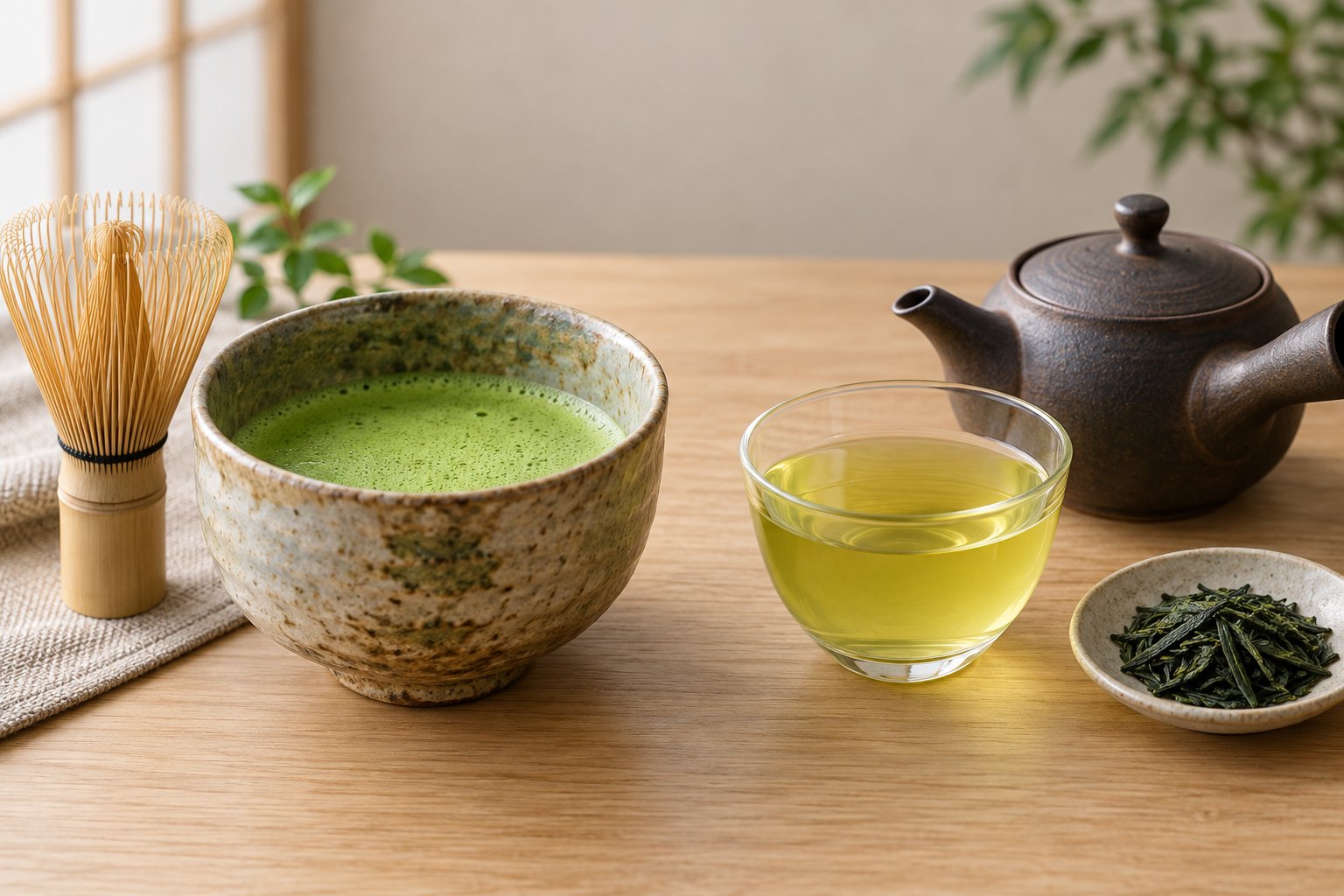
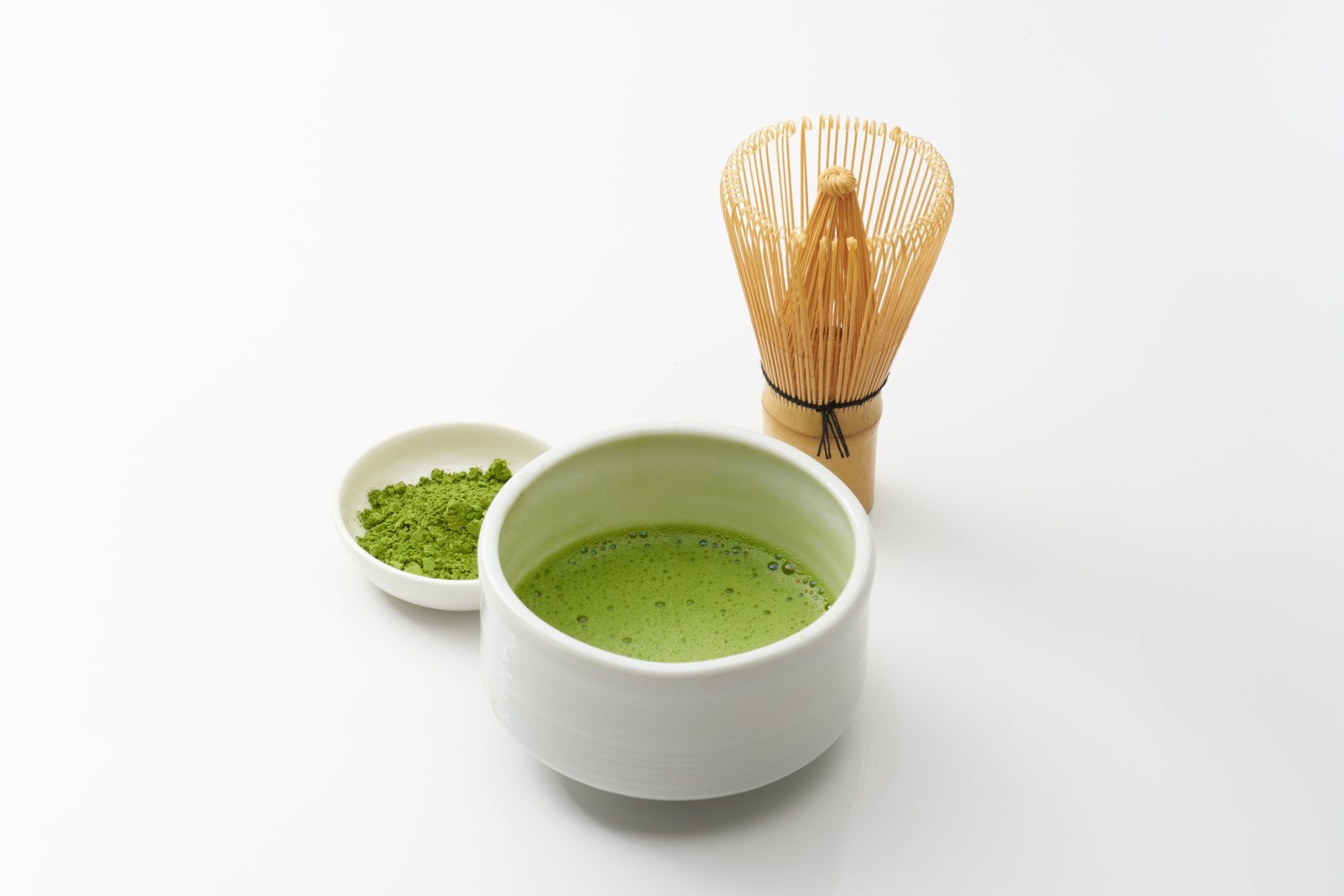
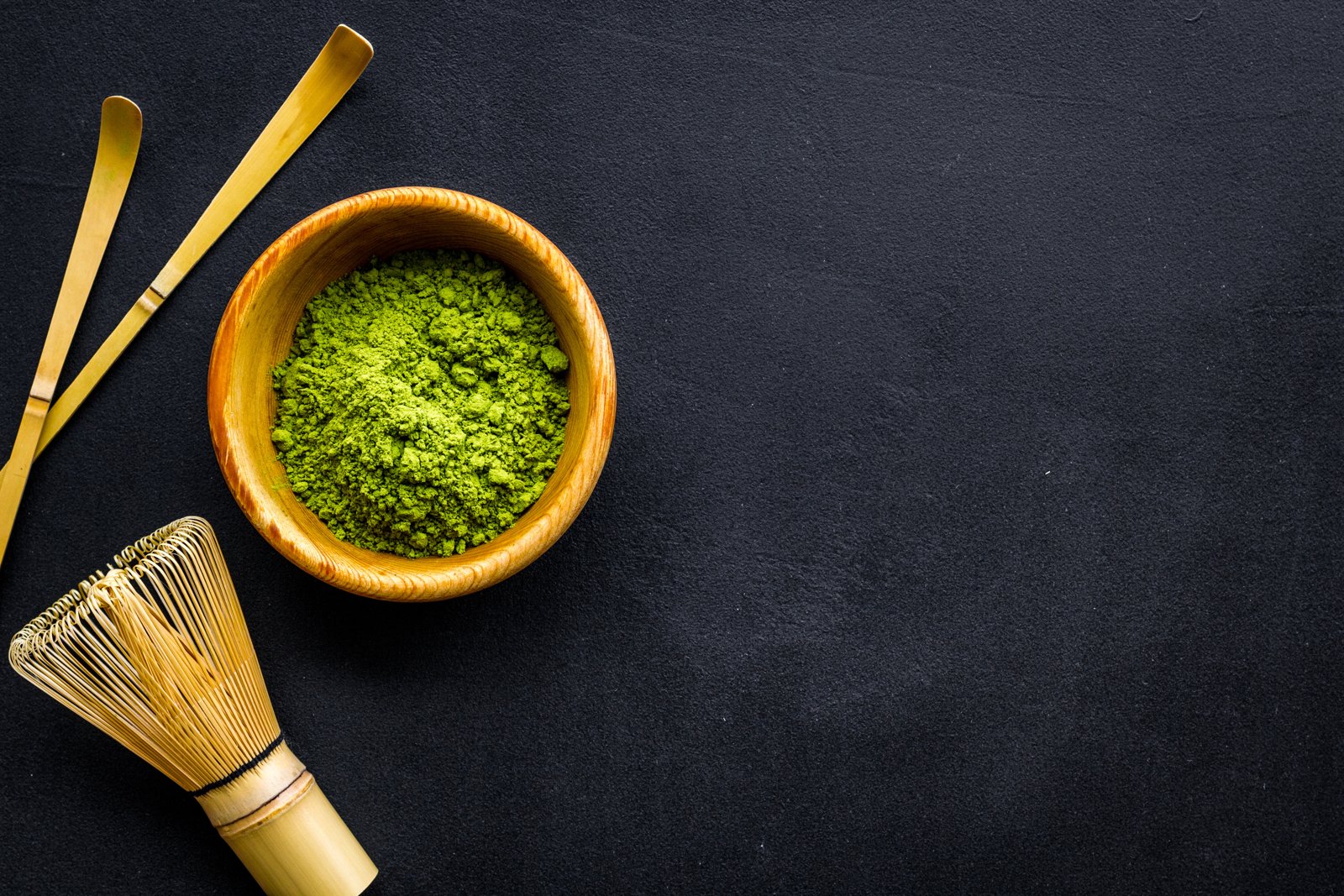
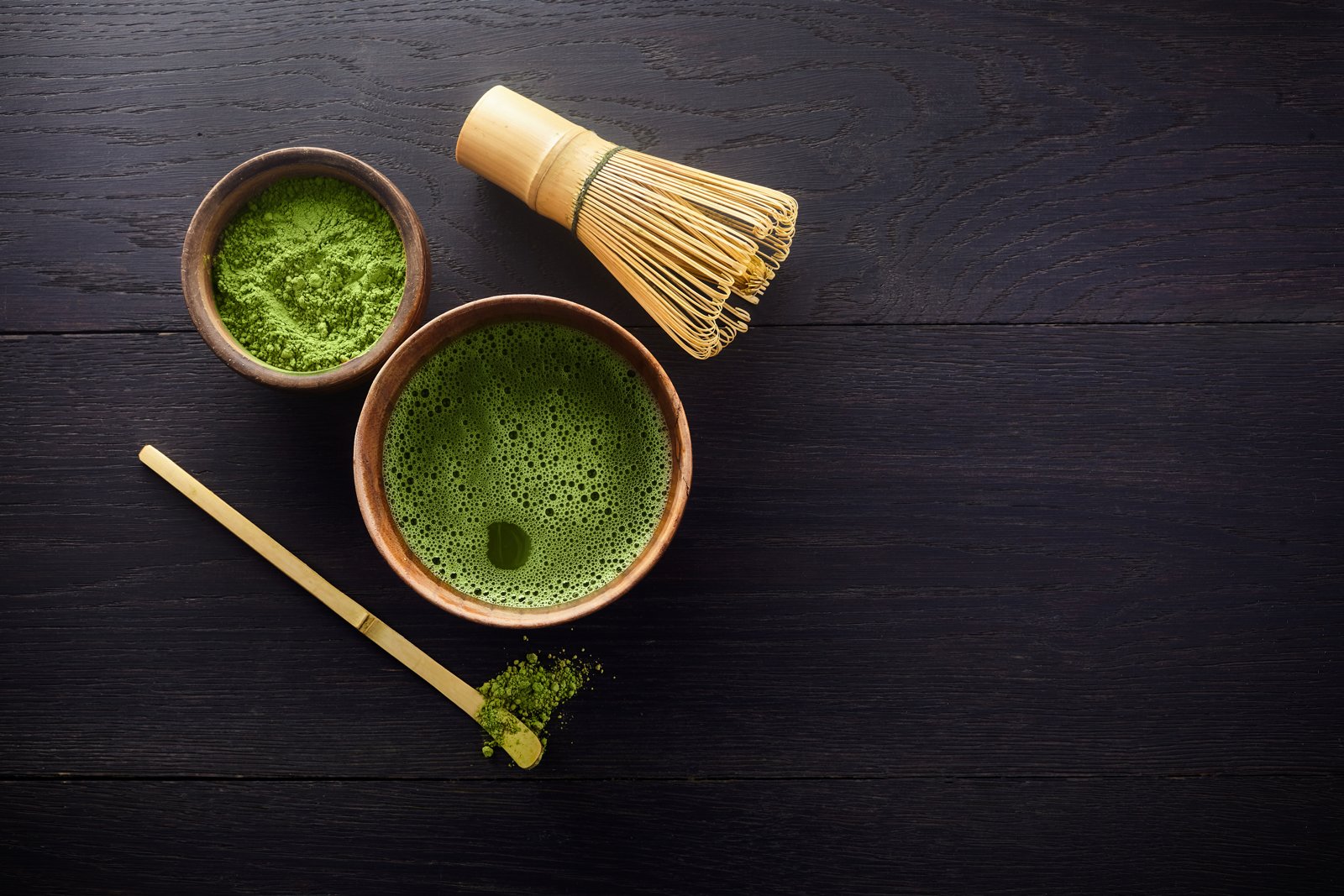
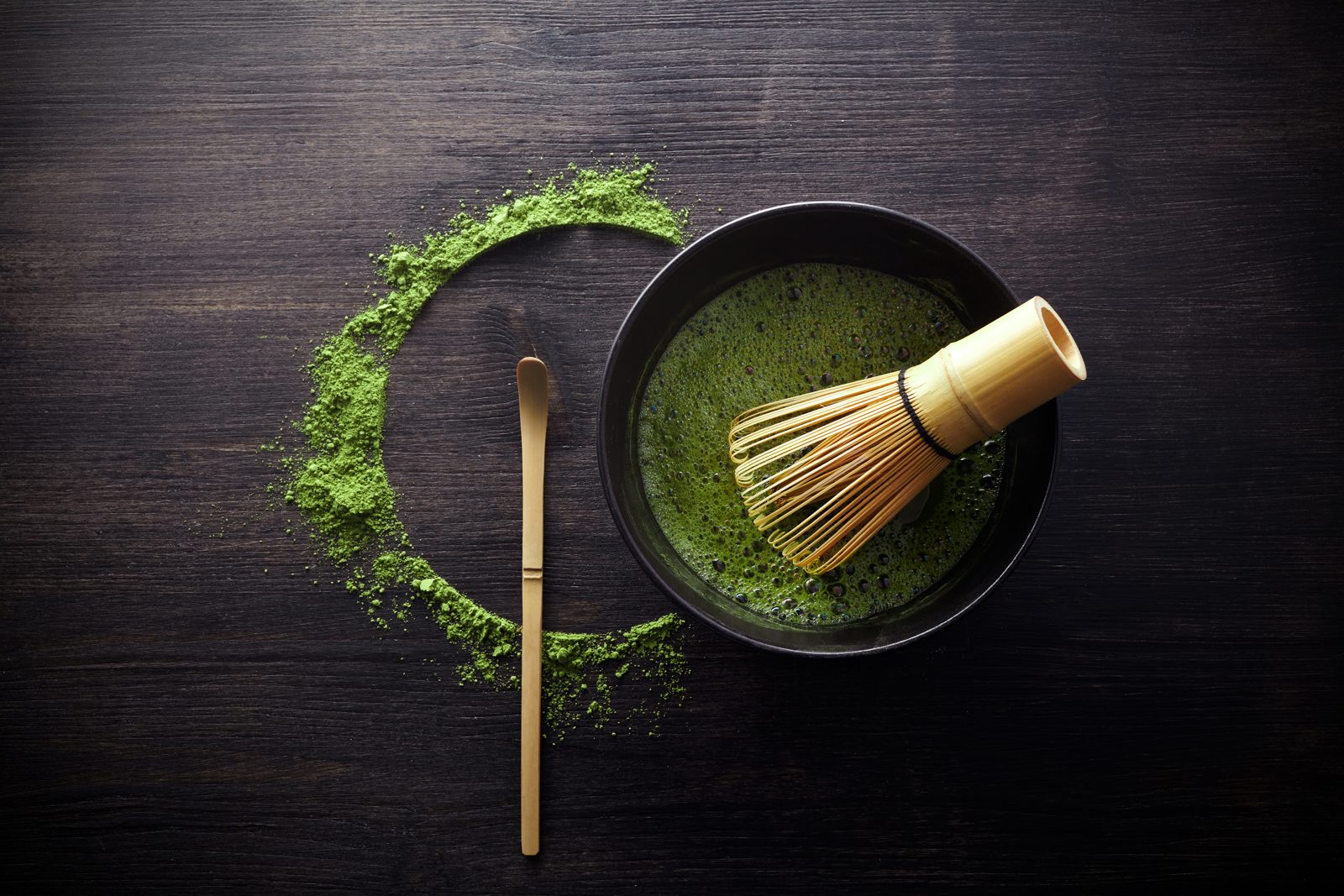
The tools are the same at home and in a café. In a café, add a scale and a thermometer so the amount and temperature are the same every time.
| Tool | How it is used |
|---|---|
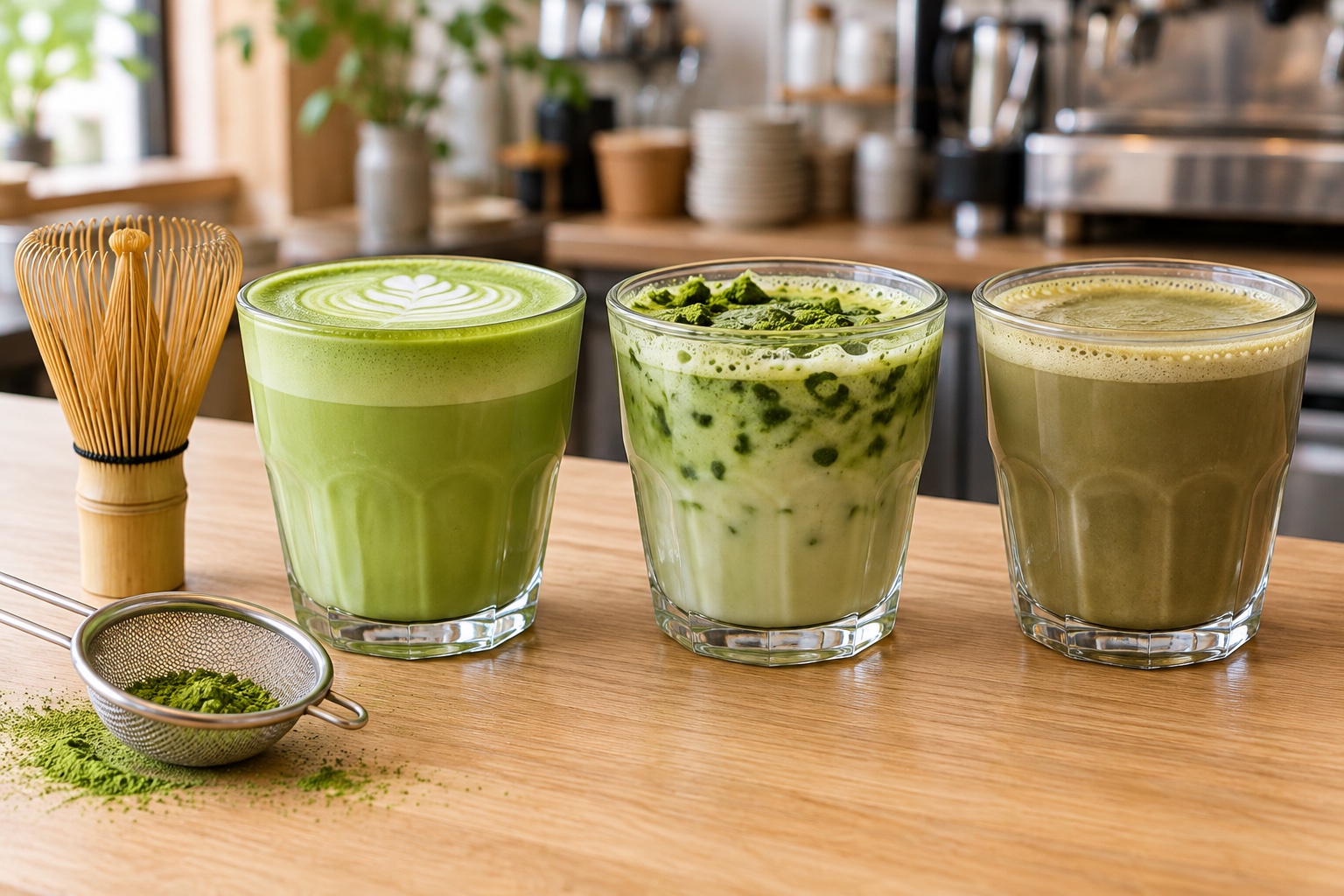
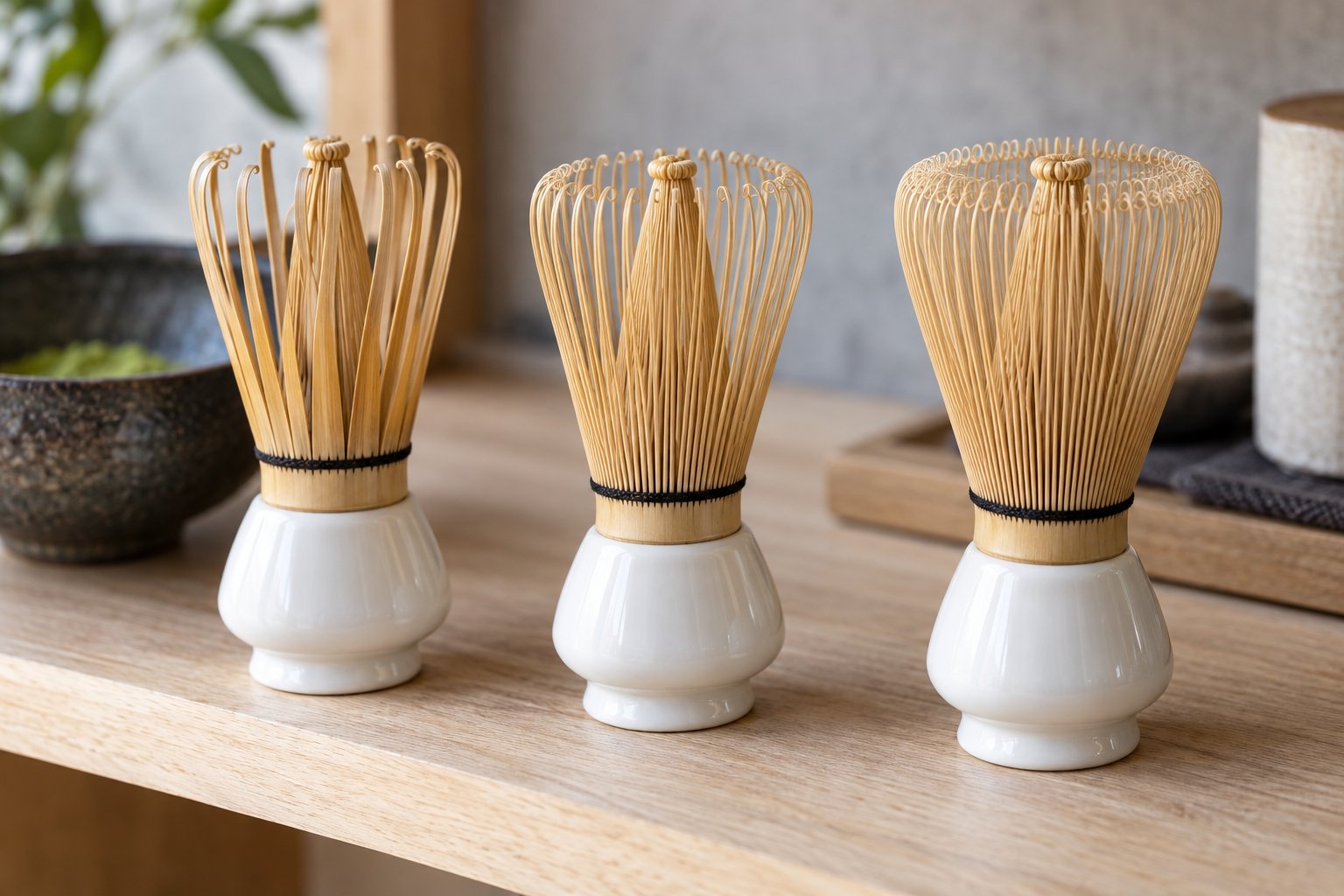
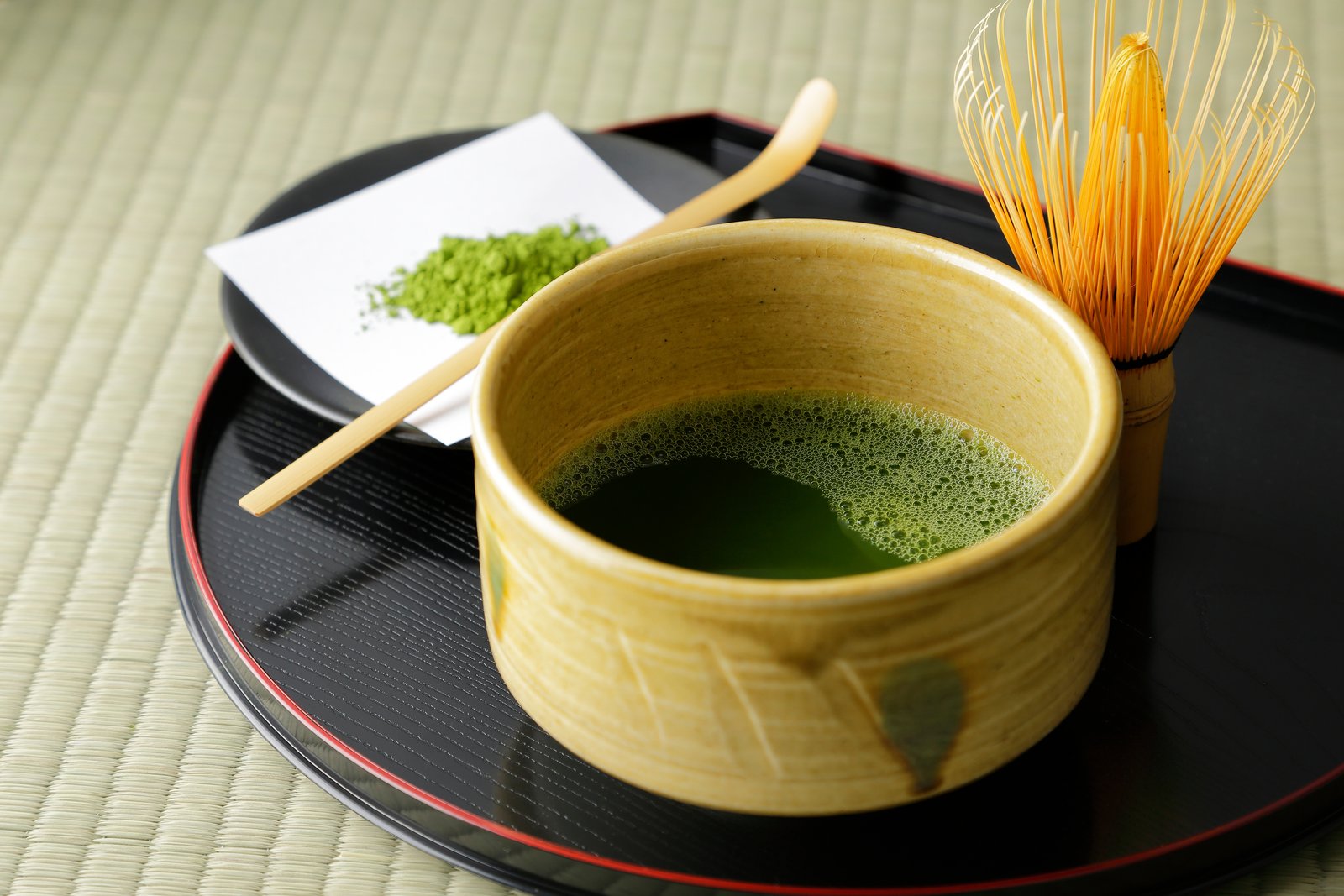
| Chasen (bamboo whisk) | A whisk made of bamboo. Warm it in hot water before use |
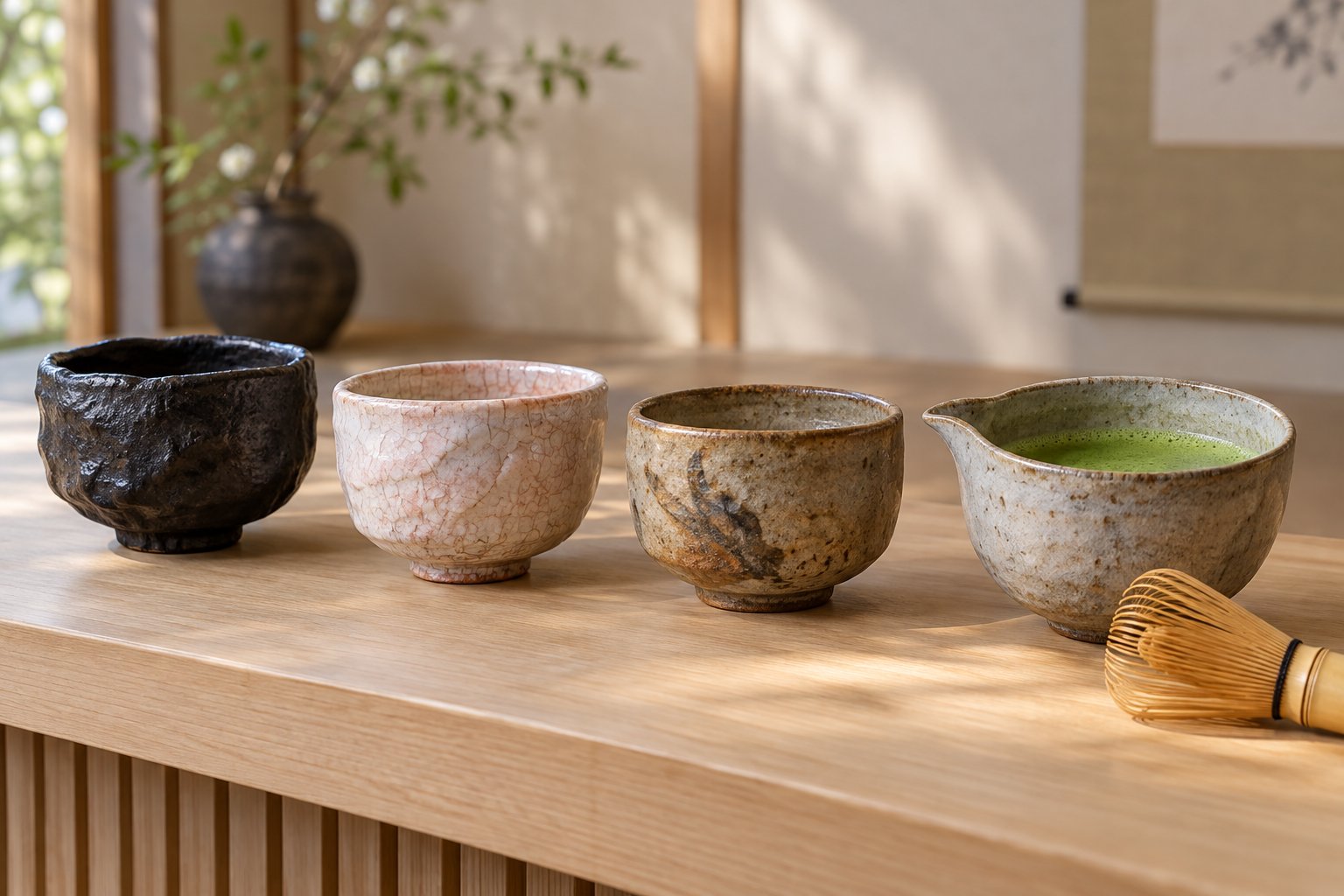
| Bowl | One wide enough to move the chasen. Warm it with hot water first |
| Tea strainer | Sifts the matcha to break up lumps |
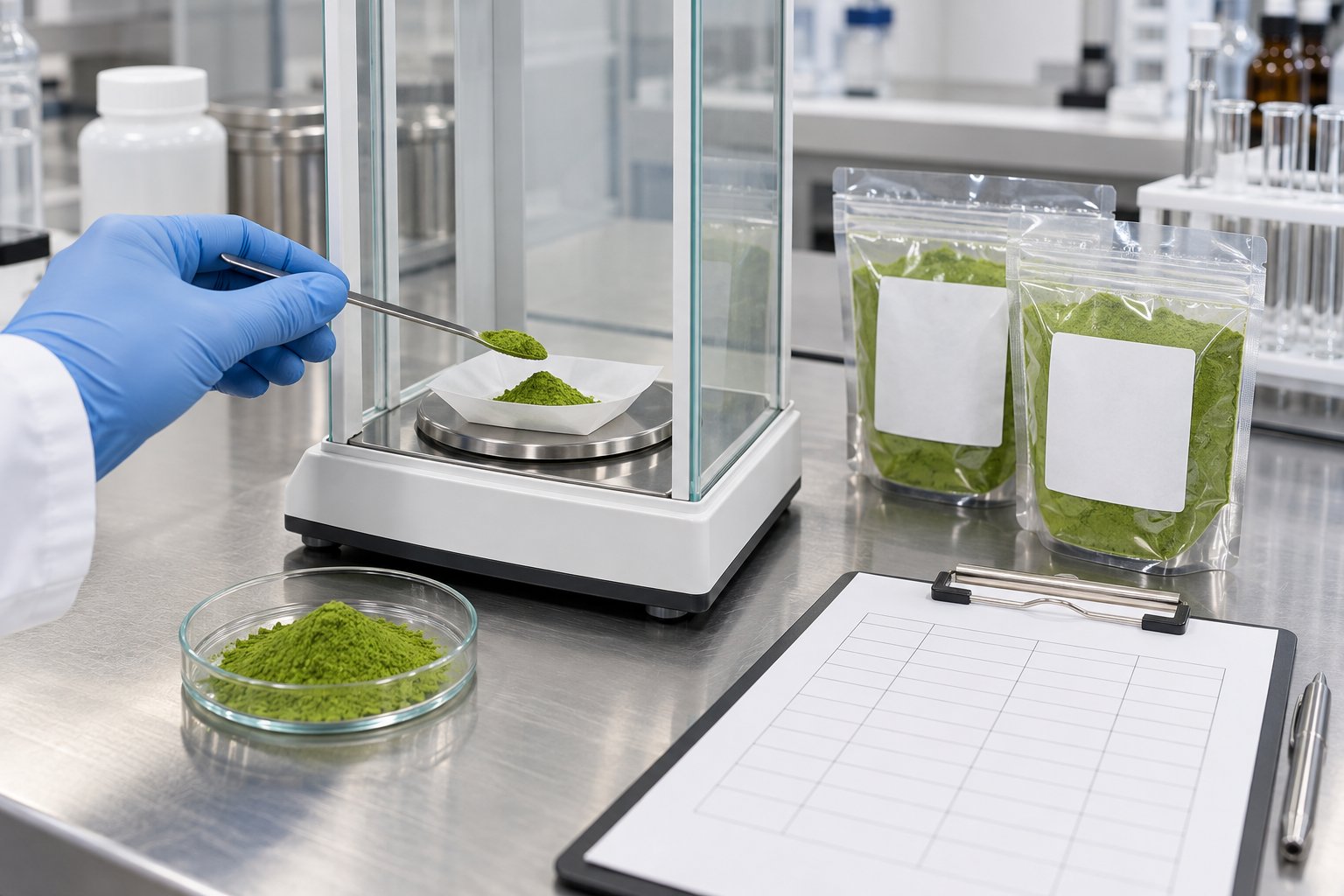
| Scale | Weighs the matcha in grams (in a café, one that reads to 0.1g) |
| Thermometer | Keeps the water temperature consistent |
Yamamasa Koyamaen says that warming the bowl and chasen with hot water makes the chasen more flexible and easier to whisk with.
The basic method (usucha)
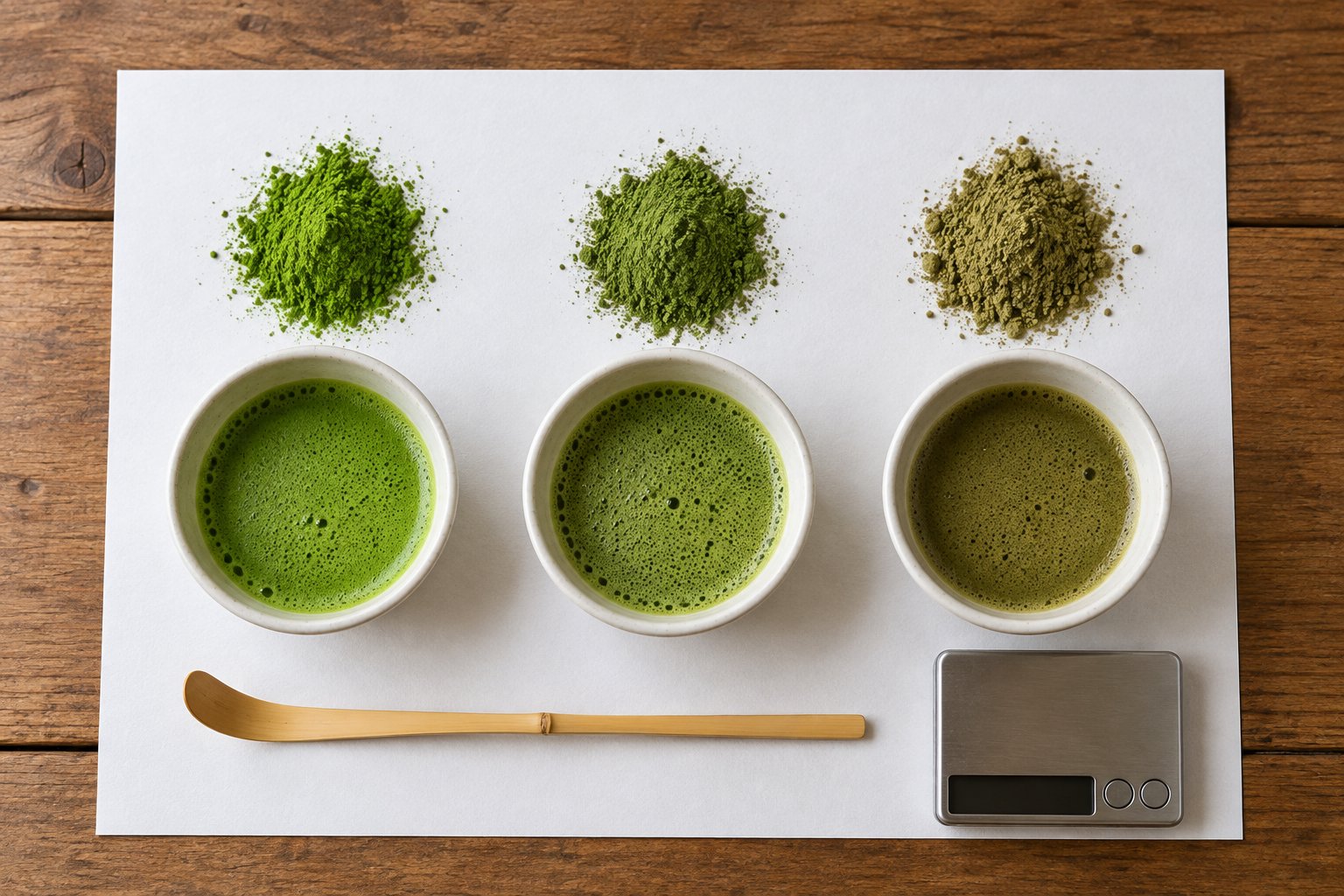
The usucha methods published by the Kyoto Prefectural Tea Research Institute and long-established Kyoto tea shops use almost the same amount and water temperature.
A public institute and tea shops compared
| Source | Matcha | Water | Water temperature | Whisking time |
|---|---|---|---|---|
| Kyoto Prefectural Tea Research Institute | About 2g | 70ml | 70–80°C (158–176°F) | Not stated |
| Ippodo Tea | 2g | 60ml | 80°C (176°F) | 15 seconds |
| Yamamasa Koyamaen | 1.5–2g | About 70ml | 80°C (176°F) | About 15 seconds |
| Marukyu Koyamaen | About 1.5g | About 70ml | Winter 75–85°C (167–185°F), summer 70–80°C (158–176°F) | Not stated |
What most sources share is about 2g, around 80°C (176°F) and 60–70ml. The two sources that give a whisking time are Ippodo Tea, at 15 seconds, and Yamamasa Koyamaen, at about 15 seconds. Setting your café’s standard within this range is an easy place to start.
Steps
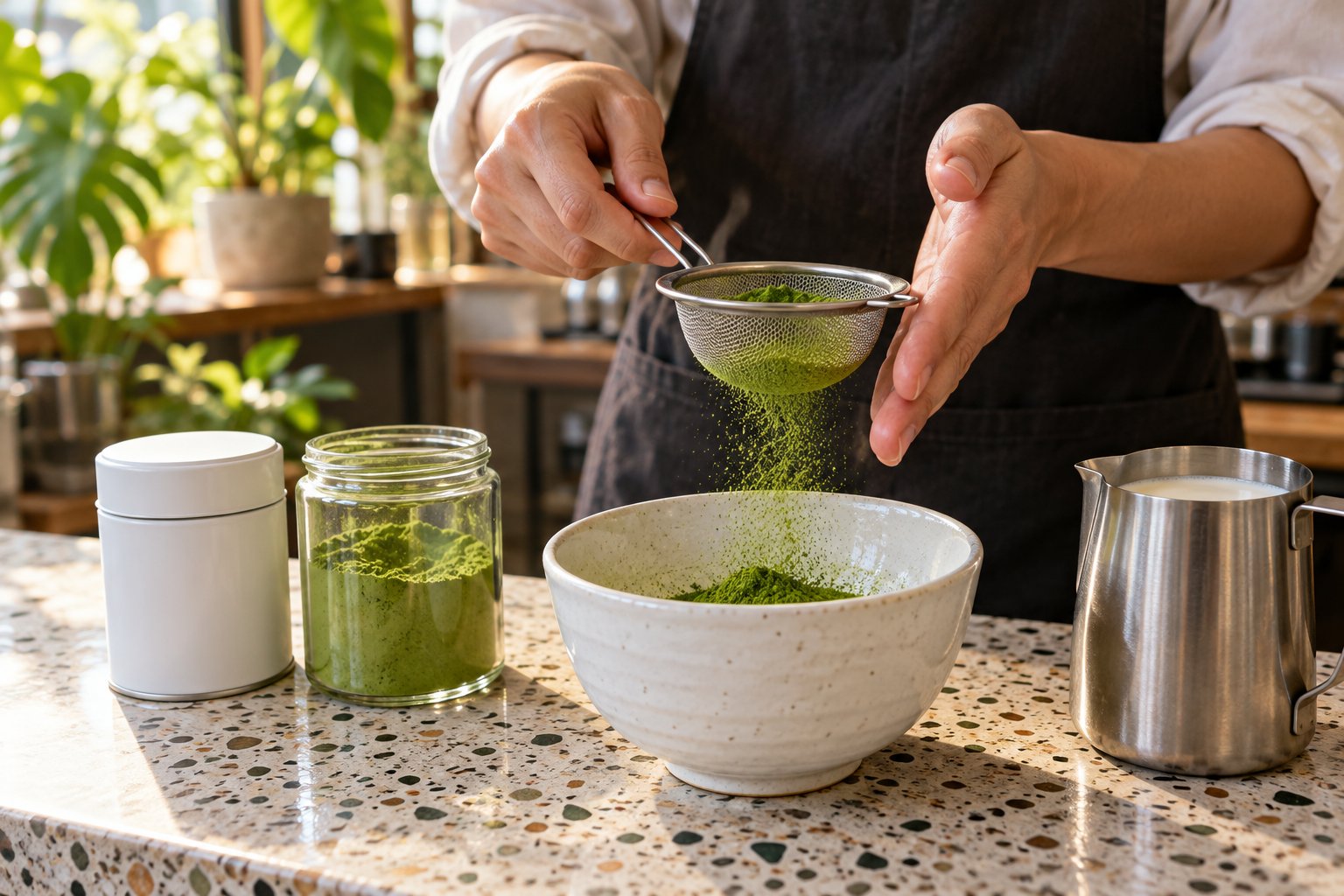
- Sift the matcha through a tea strainer into a warmed bowl
- Pour in a little water at around 80°C (176°F) and knead with the chasen to dissolve the powder
- Pour in the rest of the water
- Hold the chasen slightly above the bottom of the bowl and whisk for about 15 seconds by moving your wrist back and forth (Ippodo Tea and Yamamasa Koyamaen say to move it in an “M” or “m” shape)
- Break the large bubbles on the surface with the tip of the chasen, then lift the chasen gently so the center rises slightly
The Kyoto Prefectural Tea Research Institute says to move the whisk in small strokes at first and smooth the surface at the end. Marukyu Koyamaen says to slowly loosen the matcha at the bottom, then whisk firmly by moving the wrist back and forth, and finally raise the tip of the chasen to the surface of the foam and move it slowly to make the foam finer.
What to check when it does not turn out well
| Problem | What to check | Source |
|---|---|---|
| Lumps of powder remain | Sift just before use. Knead with a little water first | Kyoto Prefectural Tea Research Institute, Yamamasa Koyamaen |
| Hard lumps that do not break even after sifting | Whether drops of water from wet hands or a spoon got in | Yamamasa Koyamaen |
| Large bubbles remain | At the end, break the large bubbles with the tip of the chasen and smooth the surface | Kyoto Prefectural Tea Research Institute |
| The foam does not become fine | Hold the chasen slightly above the bottom. At the end, raise the tip of the chasen to the surface of the foam and move it slowly to make the foam finer | Marukyu Koyamaen |
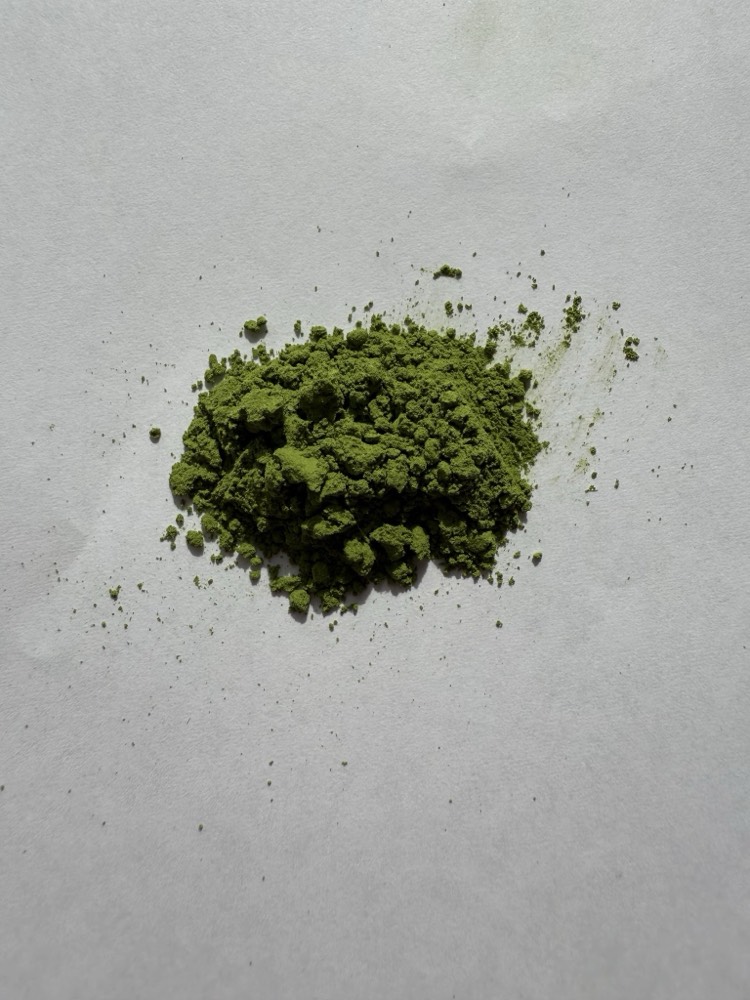
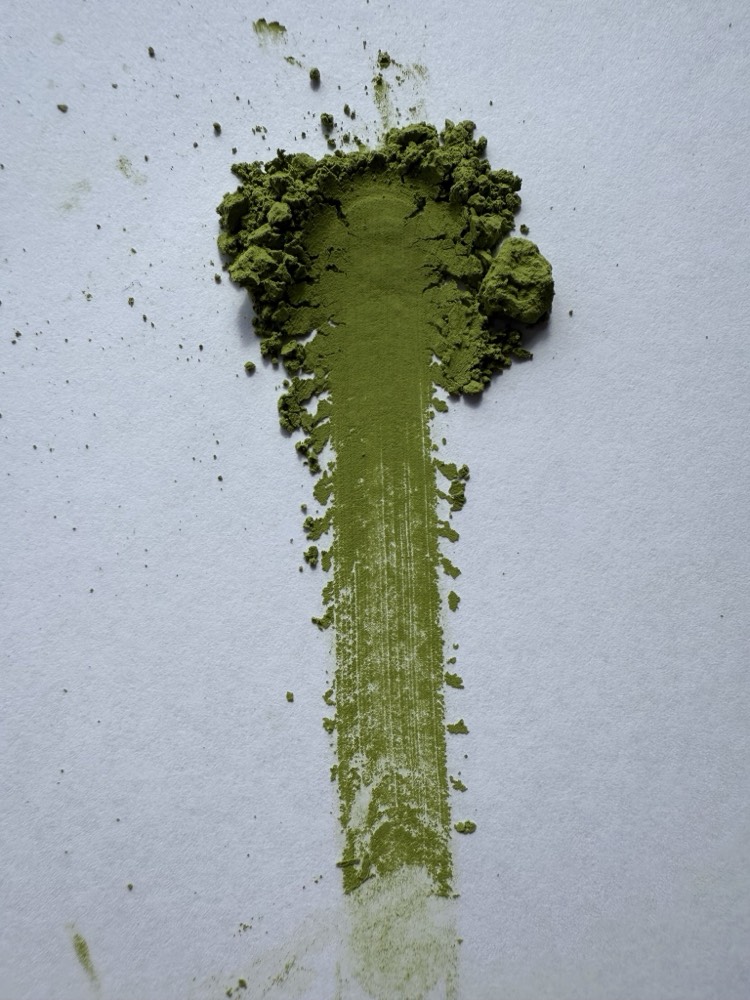
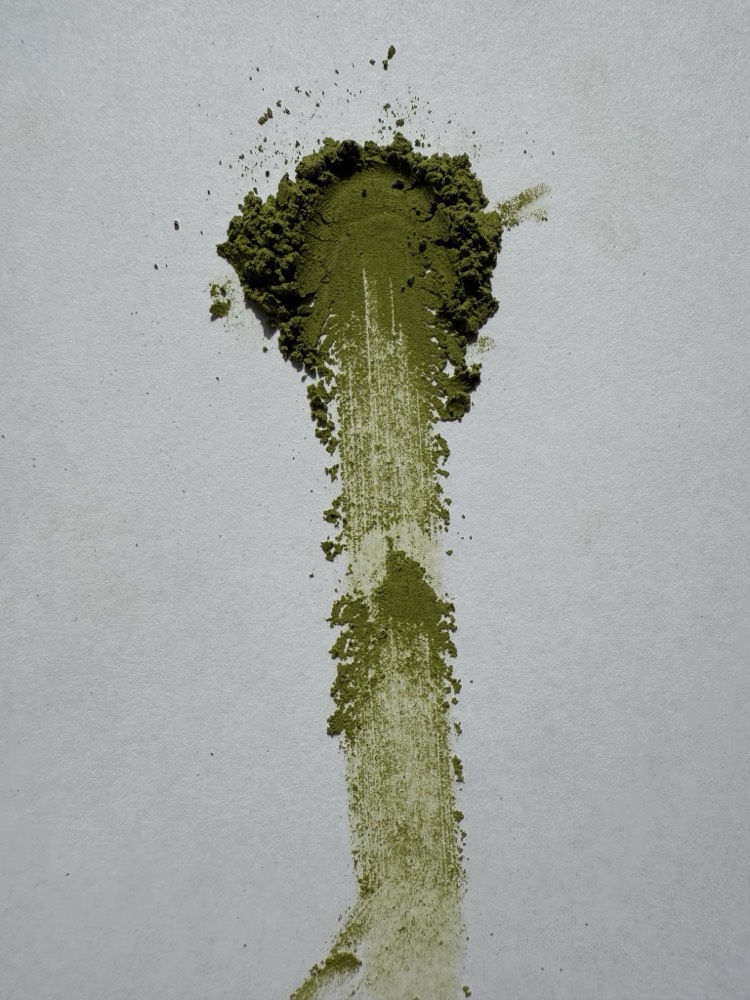
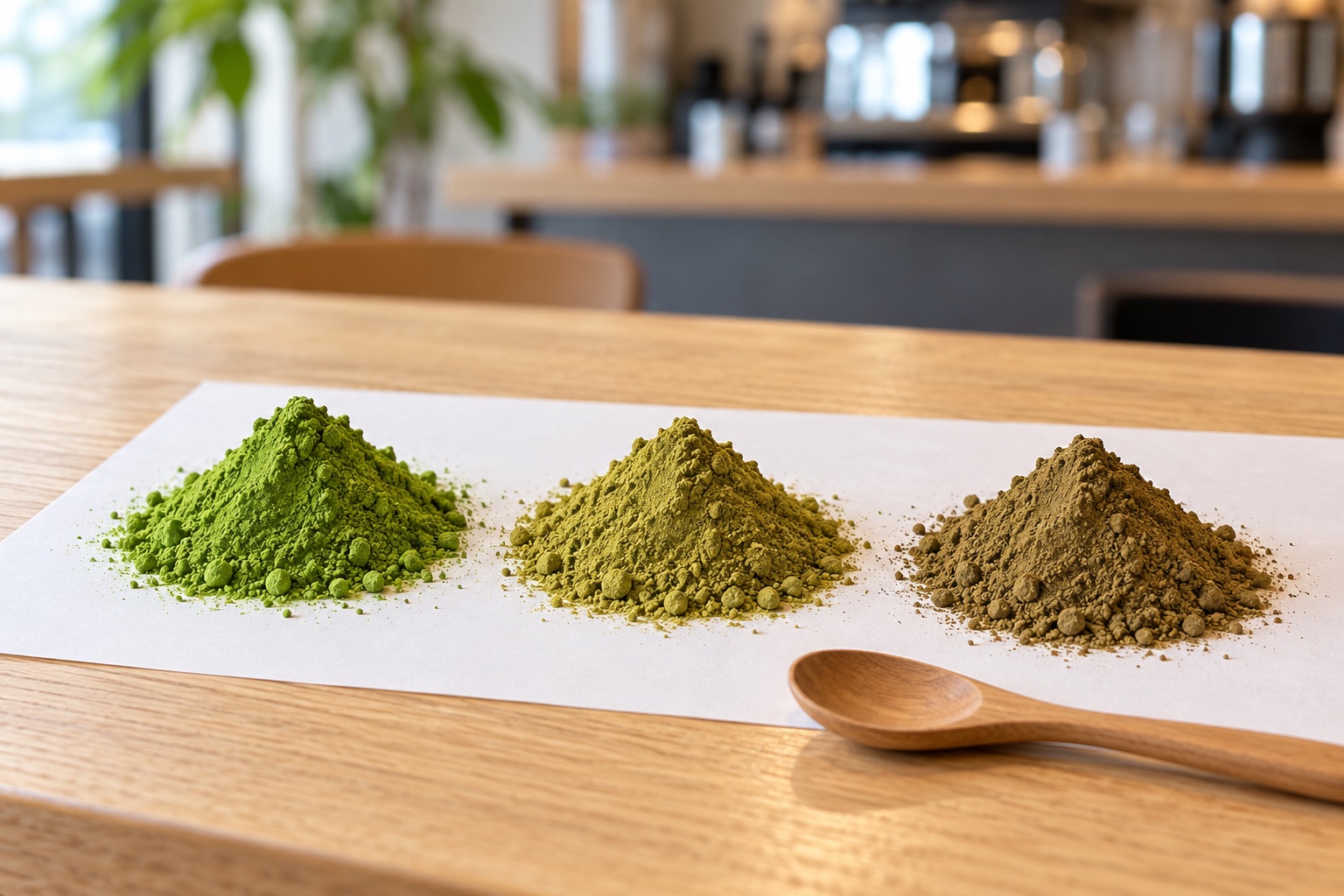
| The color looks reddish | The matcha has deteriorated from high temperature or humidity. Review the temperature and humidity where it is stored | Yamamasa Koyamaen |
| The green has faded | Light has faded the color. Keep it in a container that blocks light, in a dark place | Yamamasa Koyamaen |
When the taste varies in your café, first check that the amount, water temperature and time all match your standard.
How to prevent lumps
To prevent lumps, two things matter: sifting just before use, and kneading with a little water first.
Why lumps form
According to Yamamasa Koyamaen, matcha is a fine powder of about 10 microns and clumps into lumps from static electricity and its own weight during storage. Marukyu Koyamaen also names vibration during transport as a cause, and says that lumps are not a quality problem.
On the other hand, if drops of water from wet hands or a spoon get in, they form hard lumps that do not break even when sifted. Use dry tools when handling matcha.
Sift, then knead first
The Kyoto Prefectural Tea Research Institute says to sift matcha through a tea strainer to remove lumps, dissolve it in a little water first, then pour in the rest of the water. In the assessment used to check matcha quality, too, a little water, just enough to cover the matcha, is poured in first to blend it before whisking.
What to change with the season and the water
Even with the same amount and time, the result changes with the season and the water.
Change the water temperature with the season
The Kyoto Prefectural Tea Research Institute says to use slightly cooler water in summer and slightly hotter water in winter. Marukyu Koyamaen uses 75–85°C (167–185°F) in winter and 70–80°C (158–176°F) in summer as a guide. If your café in a hot country makes matcha at the same temperature all year round, set the standard water temperature to match the room temperature in your café.
Use water with low hardness
Marukyu Koyamaen says that soft water with low hardness should be used for matcha, and tap water or mineral water should be boiled for 5 minutes. It also notes that mineral water outside Japan varies in hardness, so care is needed.
A daily routine for cafés
In a café, what matters is keeping the taste the same even when the person making it or the time of day changes. What follows is an example routine from our editors, based on the methods of the public institute and tea shops above.
Before opening
- Set out a dry tea strainer and scale so each cup’s matcha can be weighed and sifted right away (Yamamasa Koyamaen says to sift just before use)
- Decide the amount per cup (for example, 2g) and make weighing it on a scale part of the routine
- Prepare water at your standard temperature in an electric kettle or pot with a temperature setting
- If you use a chasen, warm it in hot water before use
Make each cup to order
We could not find any public source showing how long whisked matcha or matcha paste can be kept. To keep the taste and color consistent, the basic approach is to make each cup to order. If you prepare matcha in advance, compare the taste and color at different times in your café before deciding how long it can be kept.
Choosing tools
Besides the chasen, some cafés use an electric milk frother. The Tea Research Journal paper on how matcha is assessed lists the chasen as the assessment tool and notes that an electric chasen is sometimes used. It does not mention milk frothers, and our editors have not found a source showing that a frother makes matcha the same way a chasen does. If you use a frother, compare the taste and foam with matcha made with a chasen before setting it as your standard.
How to make koicha and cold matcha
Koicha uses more matcha and less water, kneaded rather than whisked. Cold matcha is kneaded with a little water first, then cold water is added.
Koicha
Ippodo Tea’s koicha uses 4g of matcha and 30ml of water at 80°C (176°F), kneaded slowly for about 15 seconds. That is twice the matcha of usucha and half the water.
Cold matcha
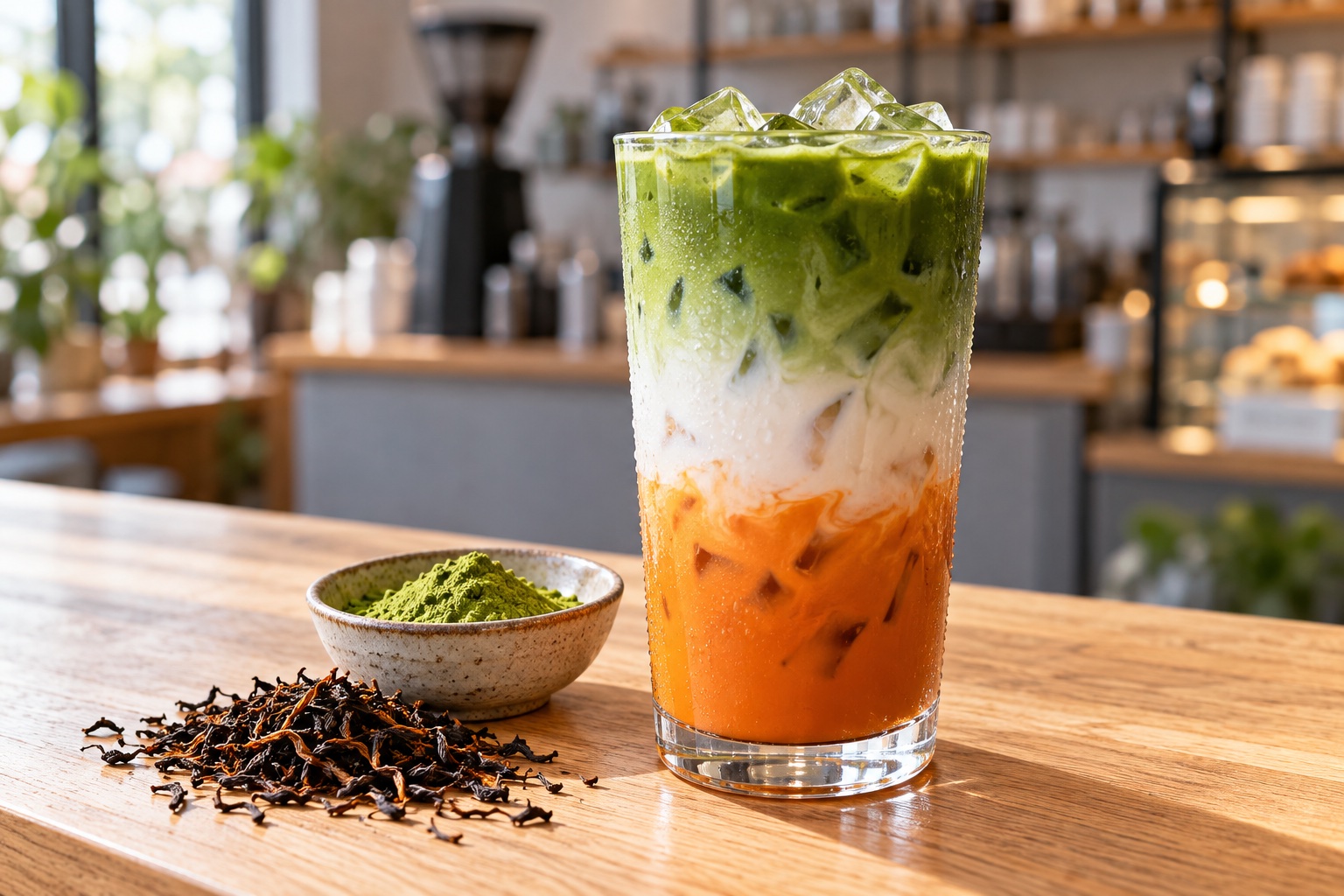
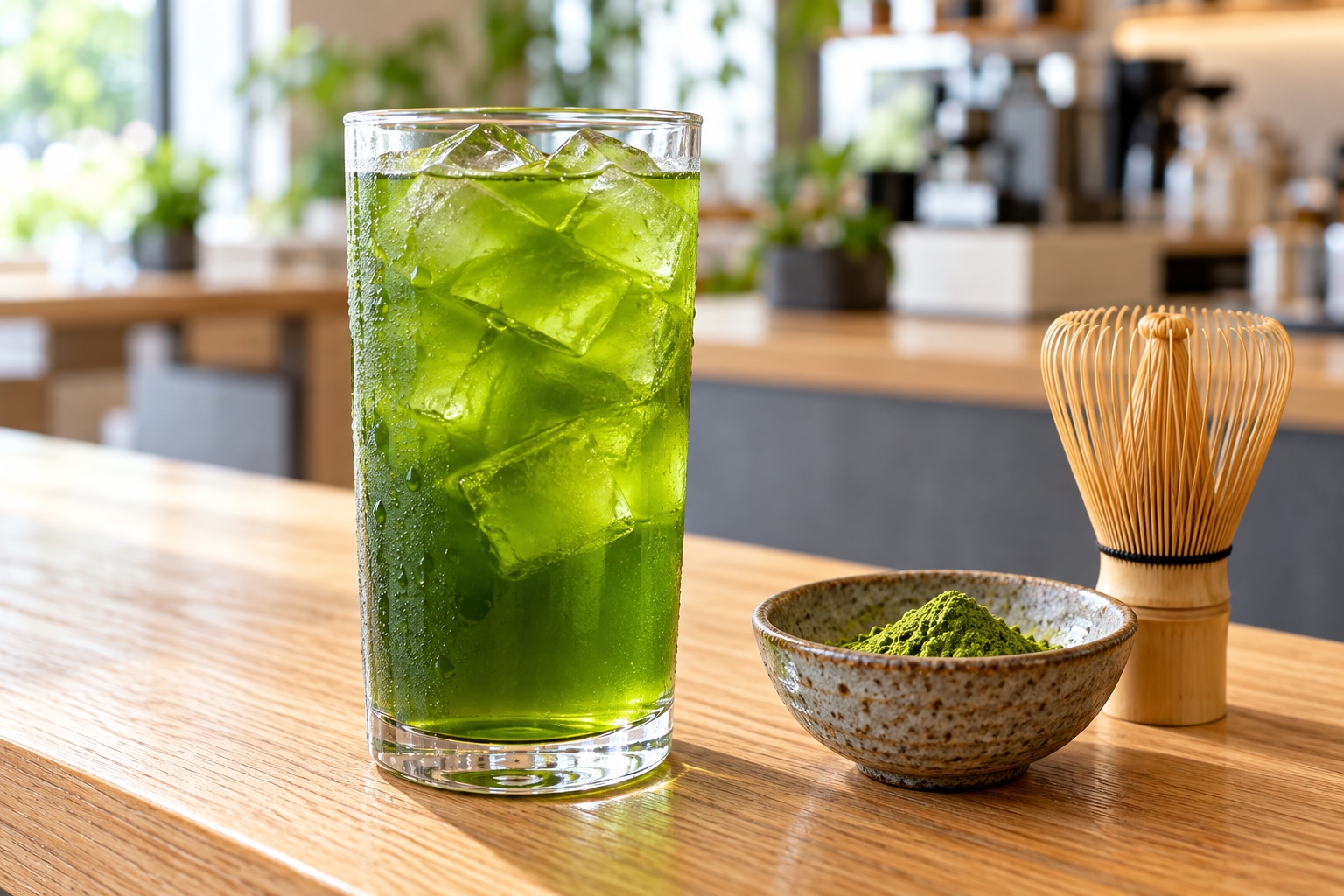
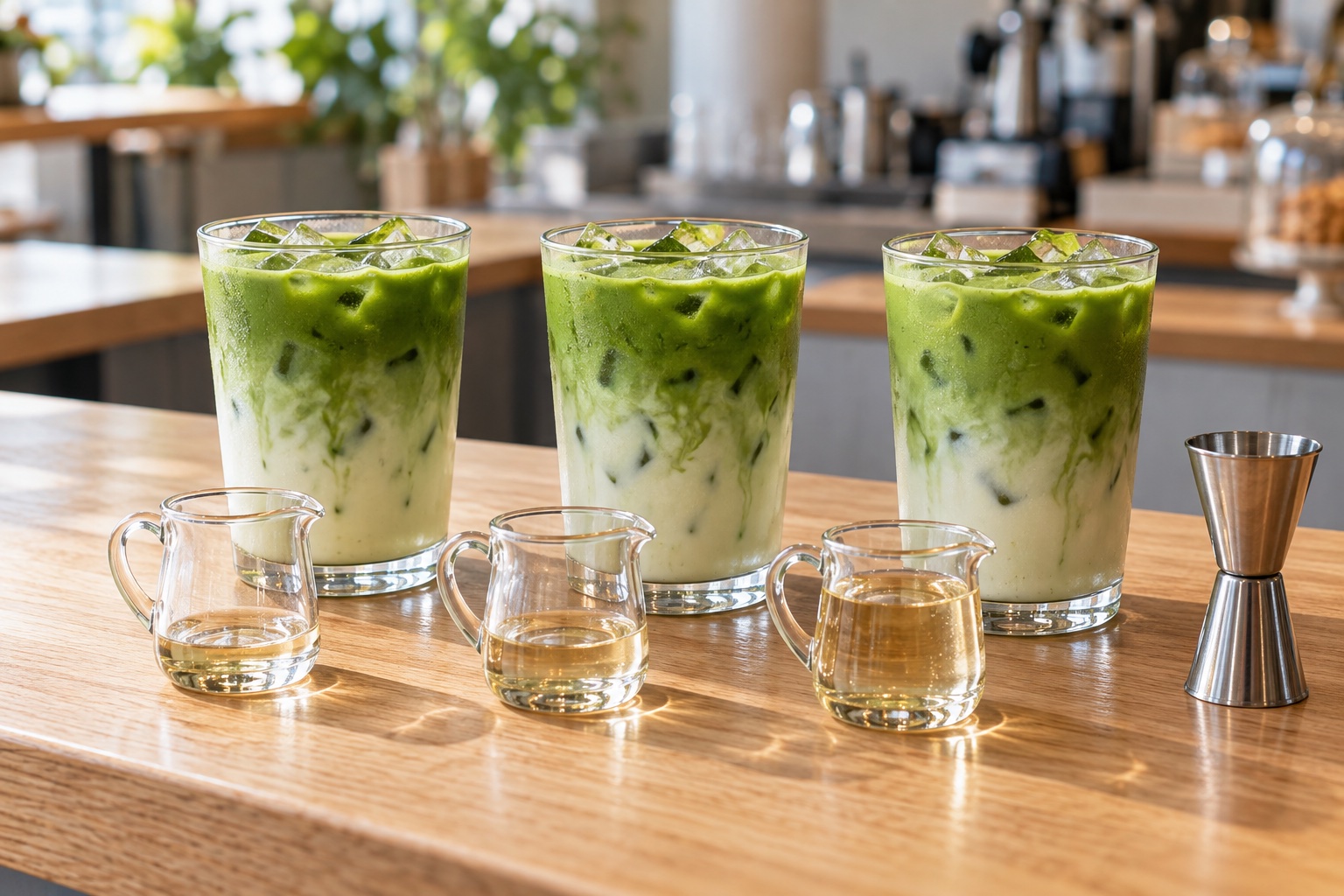
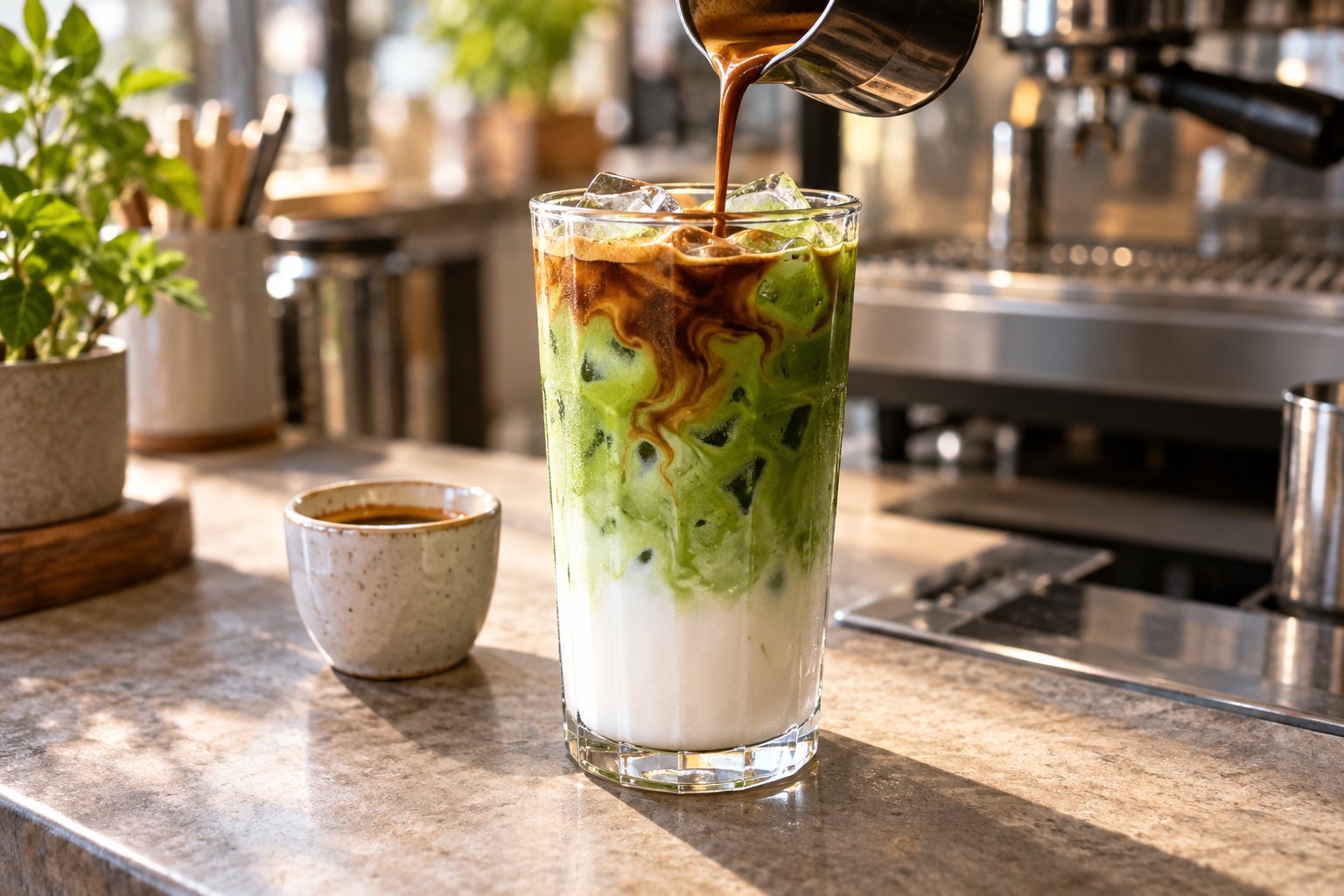
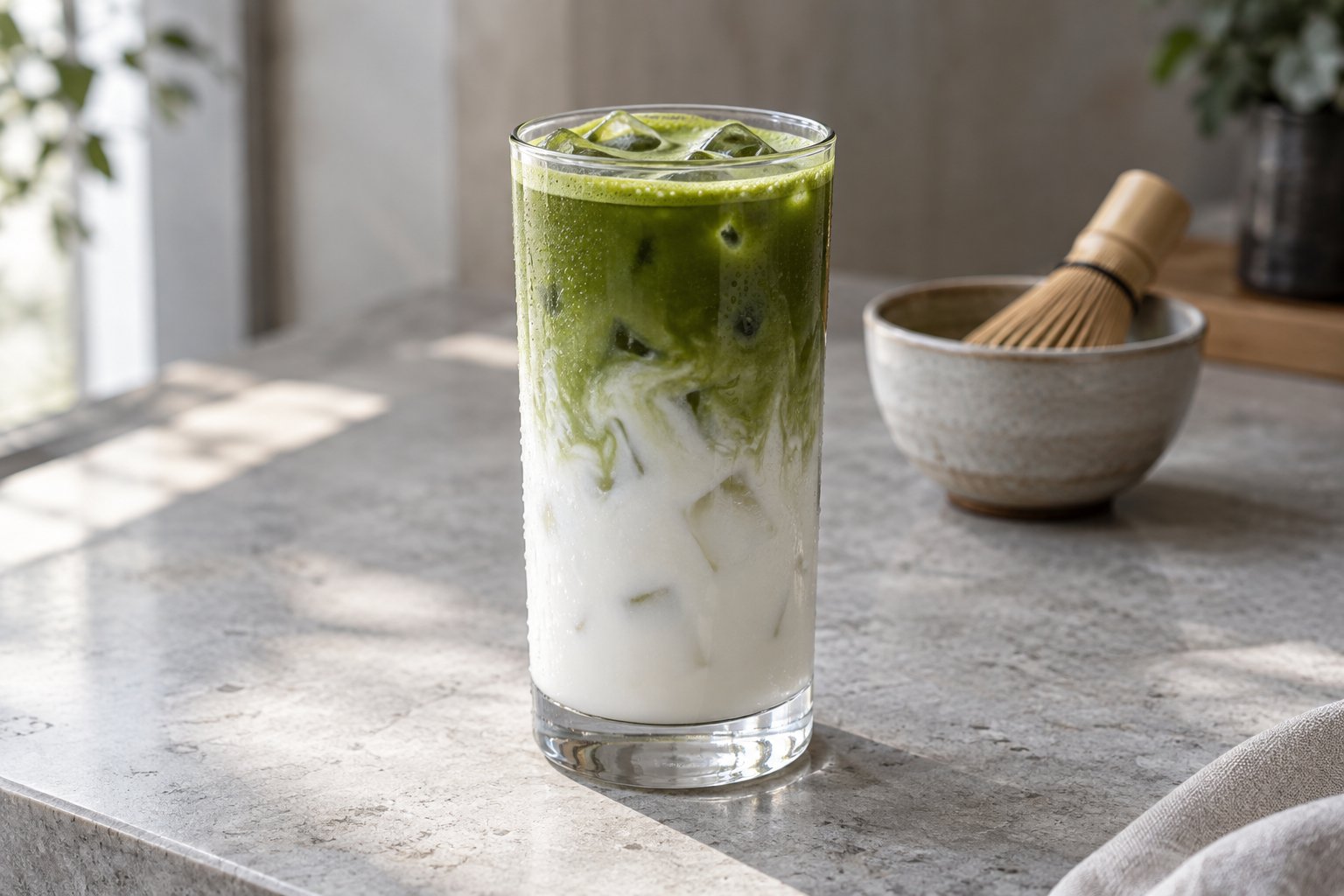
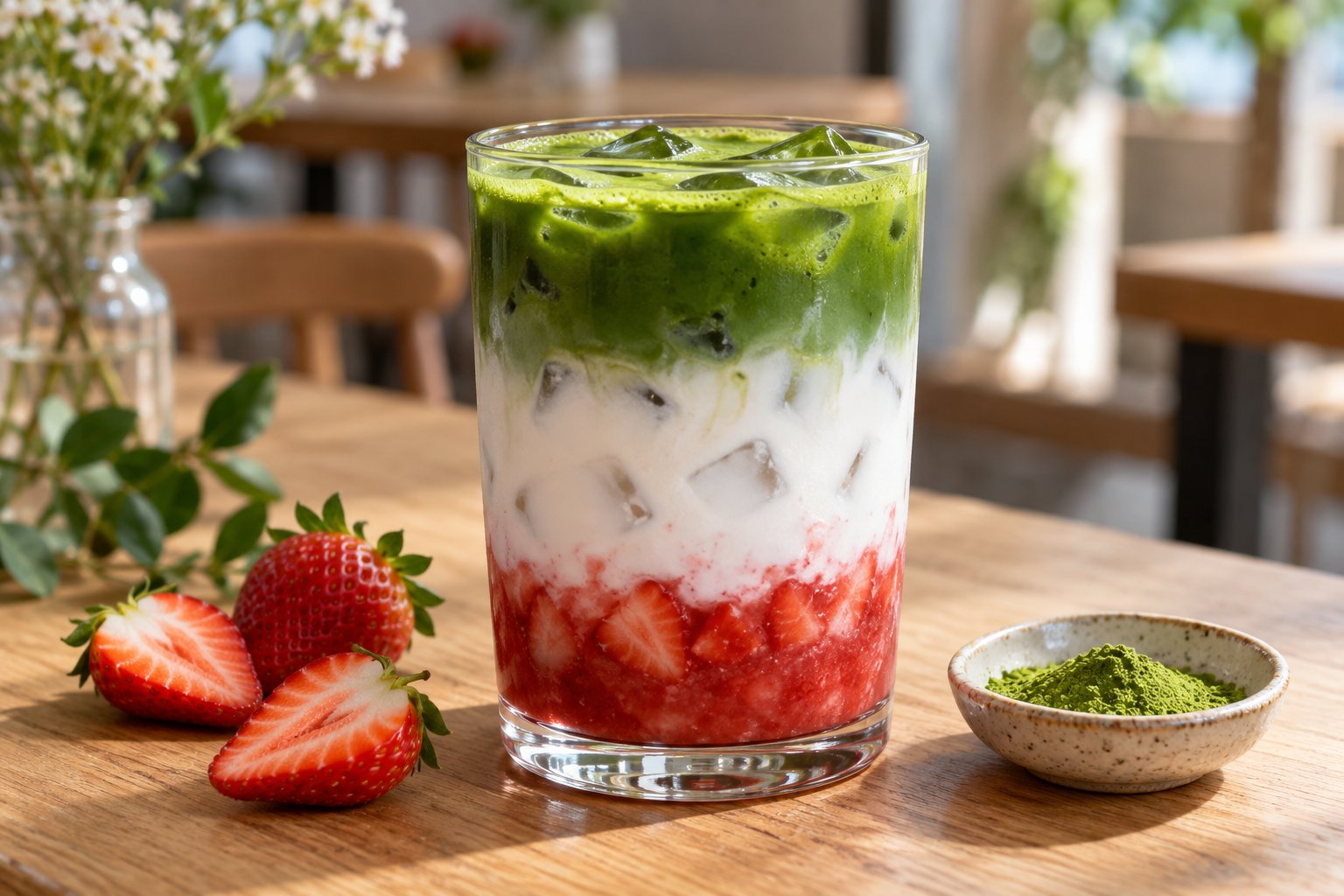
Yamamasa Koyamaen’s cold matcha kneads 2g of sifted matcha with a little lukewarm water, adds 30–40ml of cold water, whisks in an “m” shape for about 15 seconds, and is served with ice. Marukyu Koyamaen says to make it slightly strong with hot water and add ice. For matcha latte recipes, see How to choose matcha for café lattes.
Storage, and how to check a lot you have bought
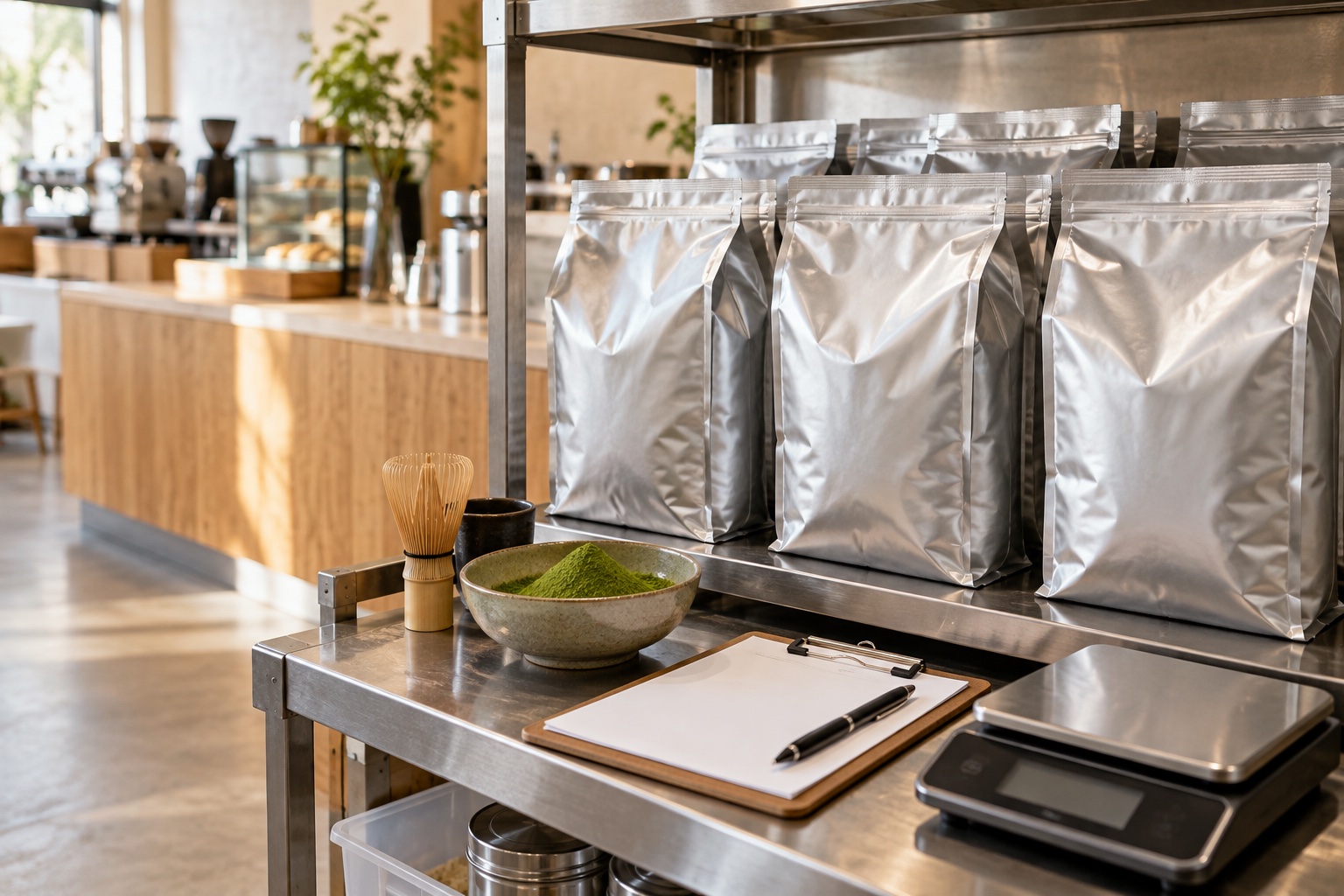
Matcha is sensitive to temperature, humidity, light and odors, and its color turns reddish as it deteriorates. For cafés in hot countries, how matcha is stored after it arrives also affects the taste.
Storage in hot countries
In a storage test published in the Tea Research Journal, unopened matcha for food processing was stored at different temperatures. At 37°C (99°F), quality dropped sharply within 3–4 weeks; at 25°C (77°F) or below, it kept its product qualities for 24 weeks.
| Storage temperature | Result |
|---|---|
| 37°C (99°F) | Pigments and other components decreased from week 1, and marked changes appeared in sensory evaluation from week 4 onward |
| 25°C (77°F) or below | Recommended storage condition; product qualities were maintained for 24 weeks |
Source: Tea Research Journal No. 93 (2002), “原料抹茶の保存条件が品質に与える影響” (Effects of Storage Conditions on Quality of Matcha) https://www.jstage.jst.go.jp/article/cha1953/2002/93/2002_93_1/_pdf
Tea shops say different things about storage after opening.
- Ippodo Tea: seal it in an opaque container and keep it in a cupboard away from spices, coffee and other strong odors. Using it within 1 month of opening is a guide
- Yamamasa Koyamaen: seal it in a container that blocks light, keep it in a cool, dark place free of humidity after opening, and use it up in a short time. If it has been chilled, let it come back to room temperature before opening (to prevent condensation). Buy small packs that match how much you use, and buy often
- Marukyu Koyamaen: close the lid tightly and keep it in the refrigerator so it does not pick up odors. When you take it out, let it come back to room temperature before opening
What all three say is to seal it and keep it away from strong-smelling things.
How to check a lot you have bought
The Tea Research Journal paper “抹茶の審査について” (Sensory Evaluation of Matcha) pours 100ml of boiling water over 2g of matcha, whisks it for about 20 seconds, and looks at 5 things: color and sheen, particle size, foaming, foam color, and taste. When a new lot arrives, making it under the same conditions as the previous lot and comparing them side by side makes the differences easier to see.
| Item | Details |
|---|---|
| Sample | 2g of matcha, 100ml of boiling water, whisked for 20 seconds |
| 5 assessment items | Color and sheen, particle size, foaming, foam color, taste |
| Main tools | Balance, sieve (mesh No. 20–30), chasen (an electric whisk is sometimes used), beaker to measure 100ml of boiling water, timer |
Source: Tea Research Journal No. 134 (2022), “抹茶の審査について” (Sensory Evaluation of Matcha) https://www.jstage.jst.go.jp/article/cha/2022/134/2022_31/_pdf
Sources
- Kyoto Prefectural Tea Research Institute, “お茶のおいしい入れ方(抹茶)” (How to make tea well: matcha) https://www.pref.kyoto.jp/chaken/irekata_maccha.html
- Ippodo Tea, “Basic Usucha (Matcha)” https://global.ippodo-tea.co.jp/blogs/tea-recipe/basic-usucha-matcha
- Ippodo Tea, “Usucha (Classic Matcha)” https://ippodotea.com/blogs/recipes-to-brew-japanese-tea/usucha-thin-matcha
- Ippodo Tea, “Basic Koicha (Matcha)” https://global.ippodo-tea.co.jp/blogs/tea-recipe/basic-koicha-matcha
- Ippodo Tea, “How to keep your matcha fresh” https://ippodotea.com/blogs/ippodo-tea-blog/how-to-keep-your-matcha-fresh
- Marukyu Koyamaen official site (how to make matcha) https://www.marukyu-koyamaen.co.jp/about-tea/enjoy-matcha.html
- Marukyu Koyamaen official site (matcha basics and storage) https://www.marukyu-koyamaen.co.jp/about-tea/know-matcha.html
- Yamamasa Koyamaen official site (how to make matcha) https://www.yamamasa-koyamaen.co.jp/enjoy/2019/post/
- Yamamasa Koyamaen official site (cold matcha) https://www.yamamasa-koyamaen.co.jp/enjoy/2019/post-8/index.html
- Yamamasa Koyamaen official site (handling matcha) https://www.yamamasa-koyamaen.co.jp/matcha/basic/handling.html
- Yamamasa Koyamaen official site (names of matcha) https://www.yamamasa-koyamaen.co.jp/matcha/point/name.html
- Japan Tea Central Public Interest Incorporated Association, “緑茶の表示基準” (Green Tea Labelling Standard) https://www.nihon-cha.or.jp/pdf/hyoujikijyun.pdf
- Tea Research Journal No. 93 (2002), “原料抹茶の保存条件が品質に与える影響” (Effects of Storage Conditions on Quality of Matcha) https://www.jstage.jst.go.jp/article/cha1953/2002/93/2002_93_1/_pdf
- Tea Research Journal No. 134 (2022), “抹茶の審査について” (Sensory Evaluation of Matcha) https://www.jstage.jst.go.jp/article/cha/2022/134/2022_31/_pdf