
 Reviewed by: Takahiro Sugiyama (CEO, meguri Inc.)
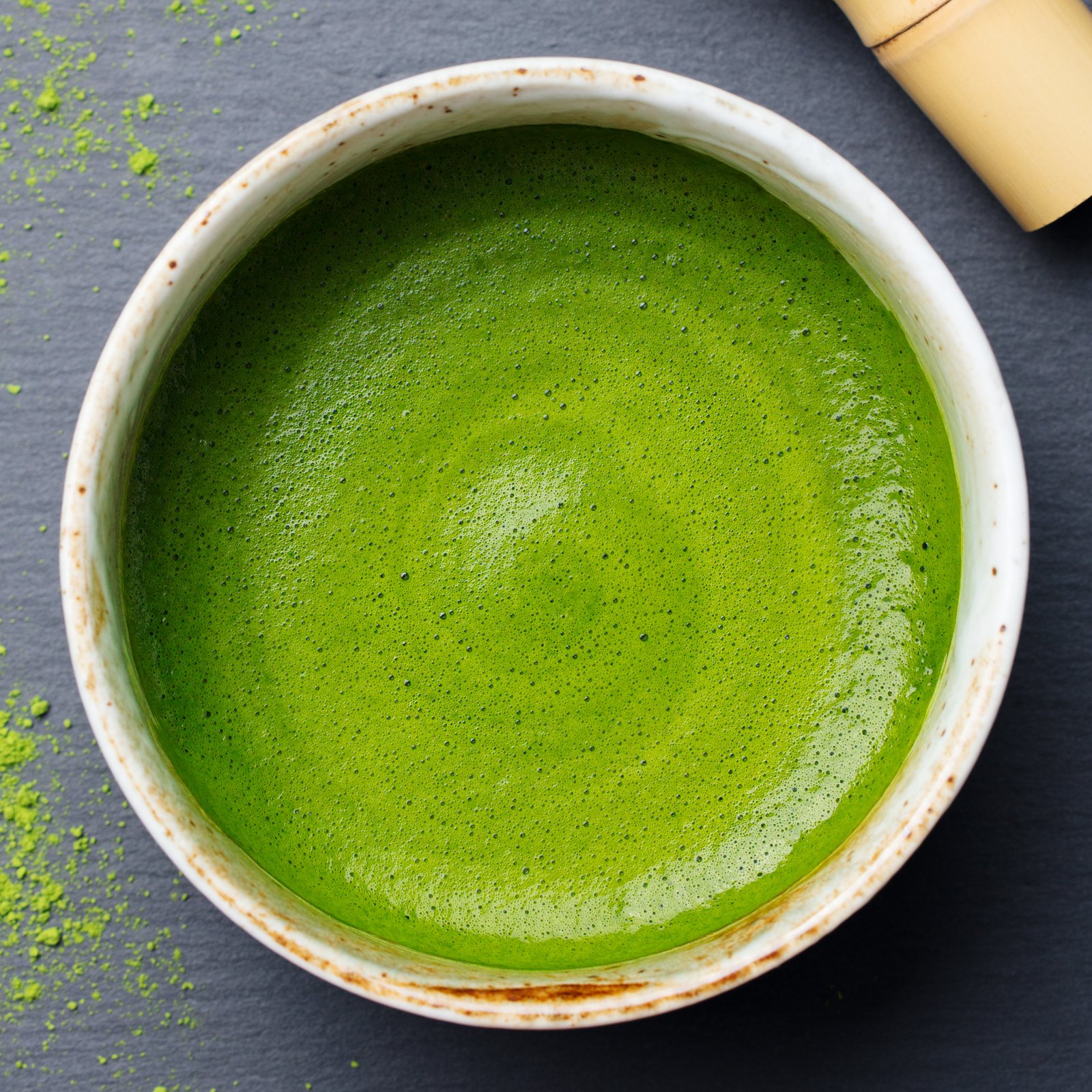
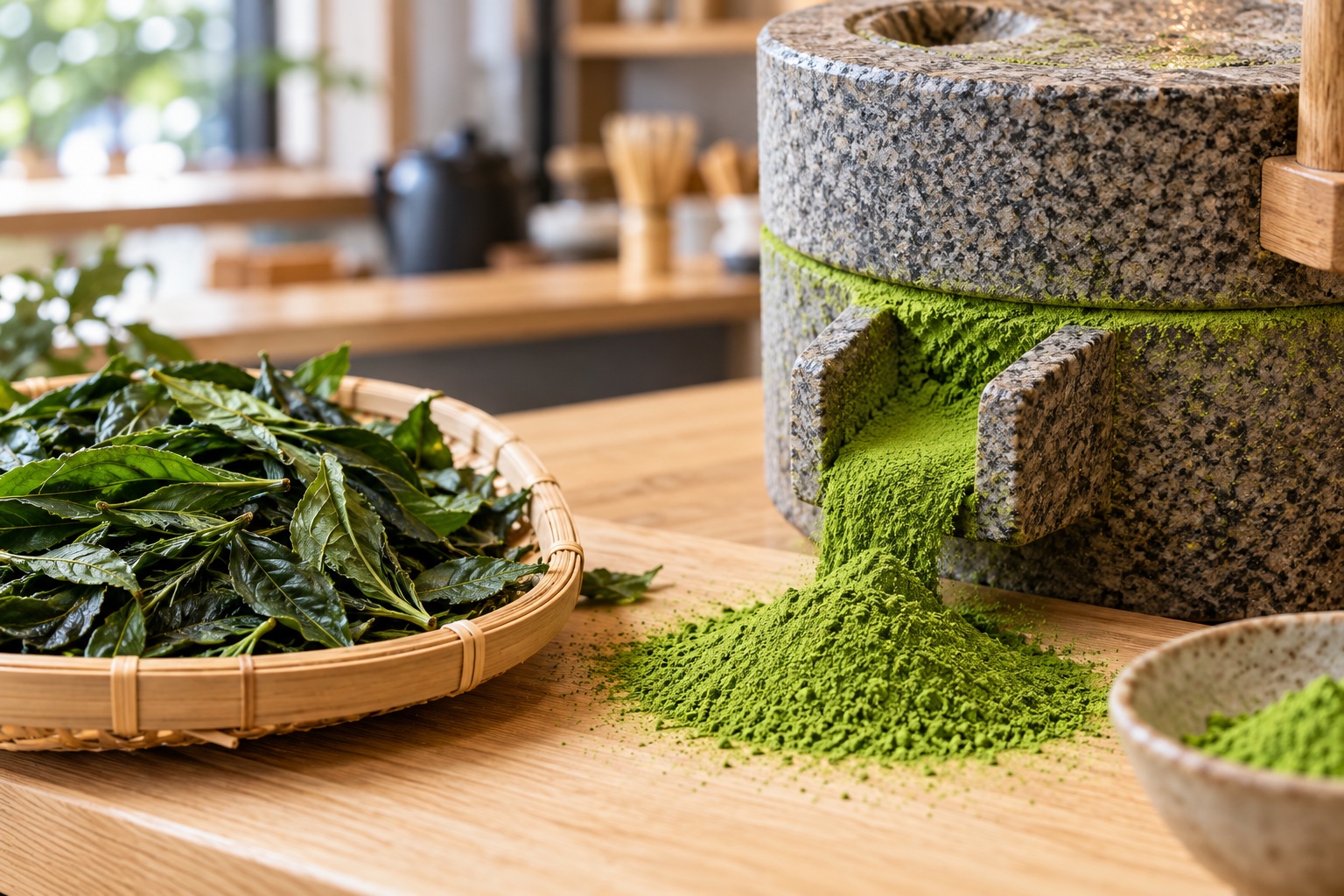
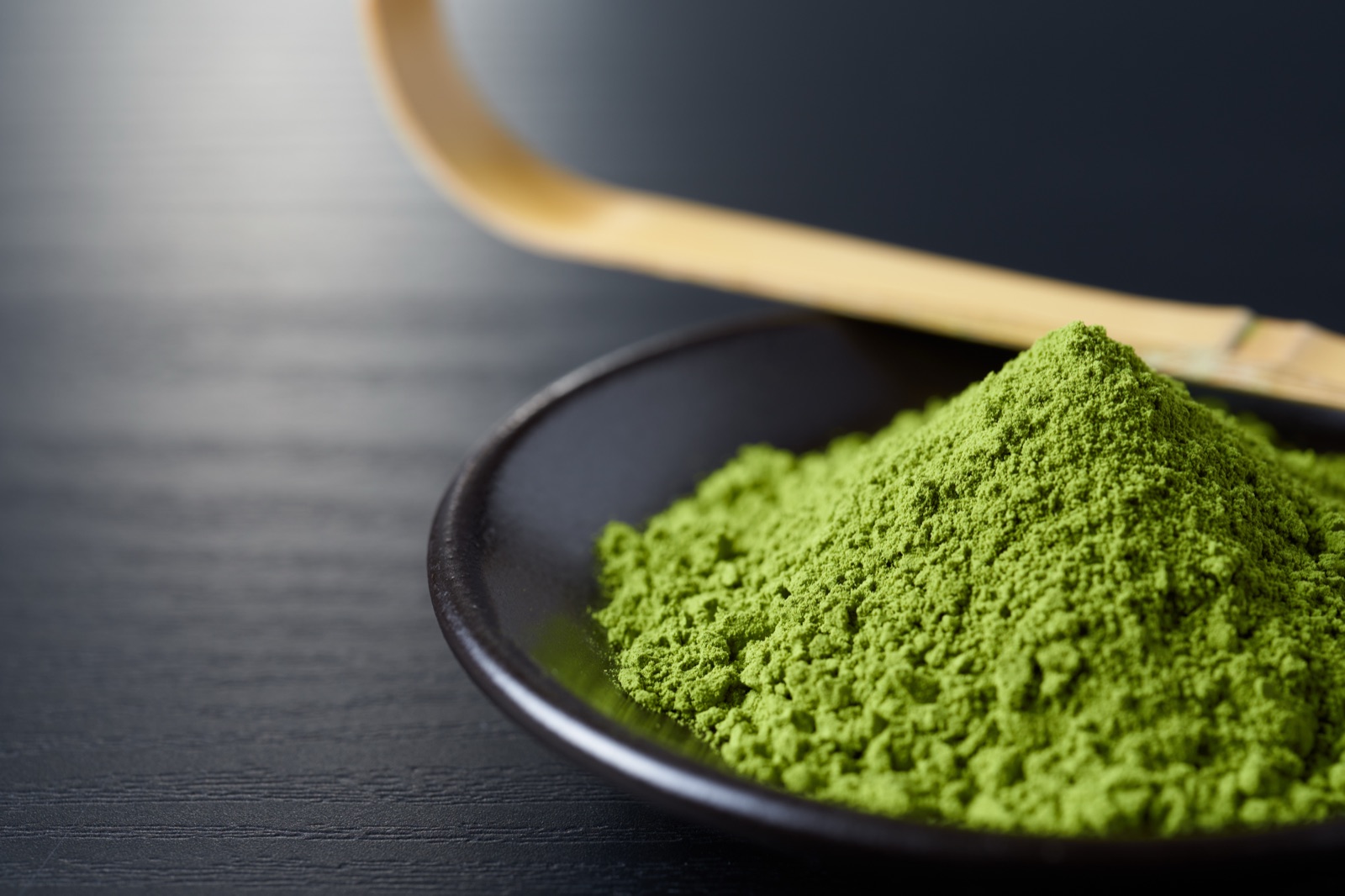
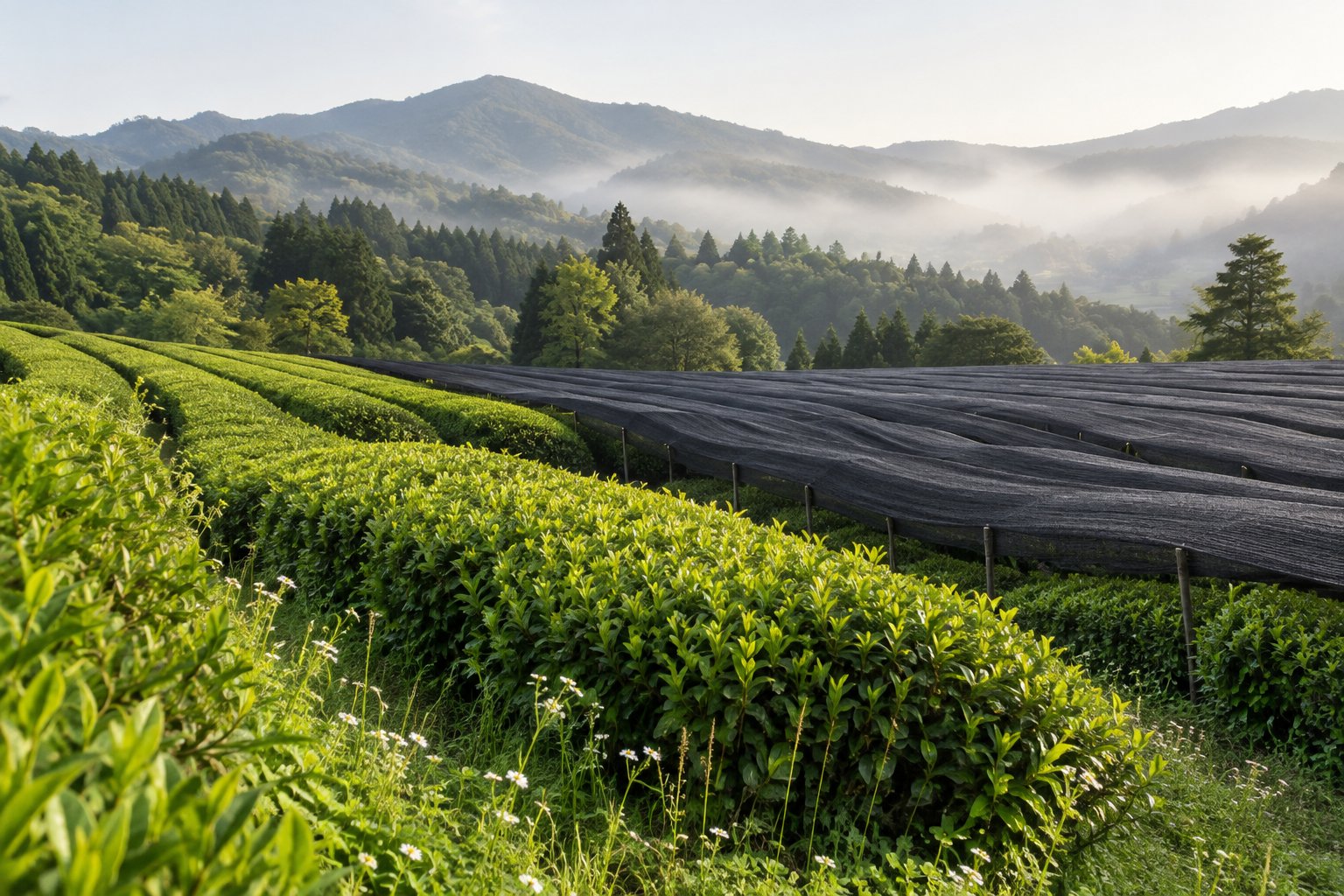
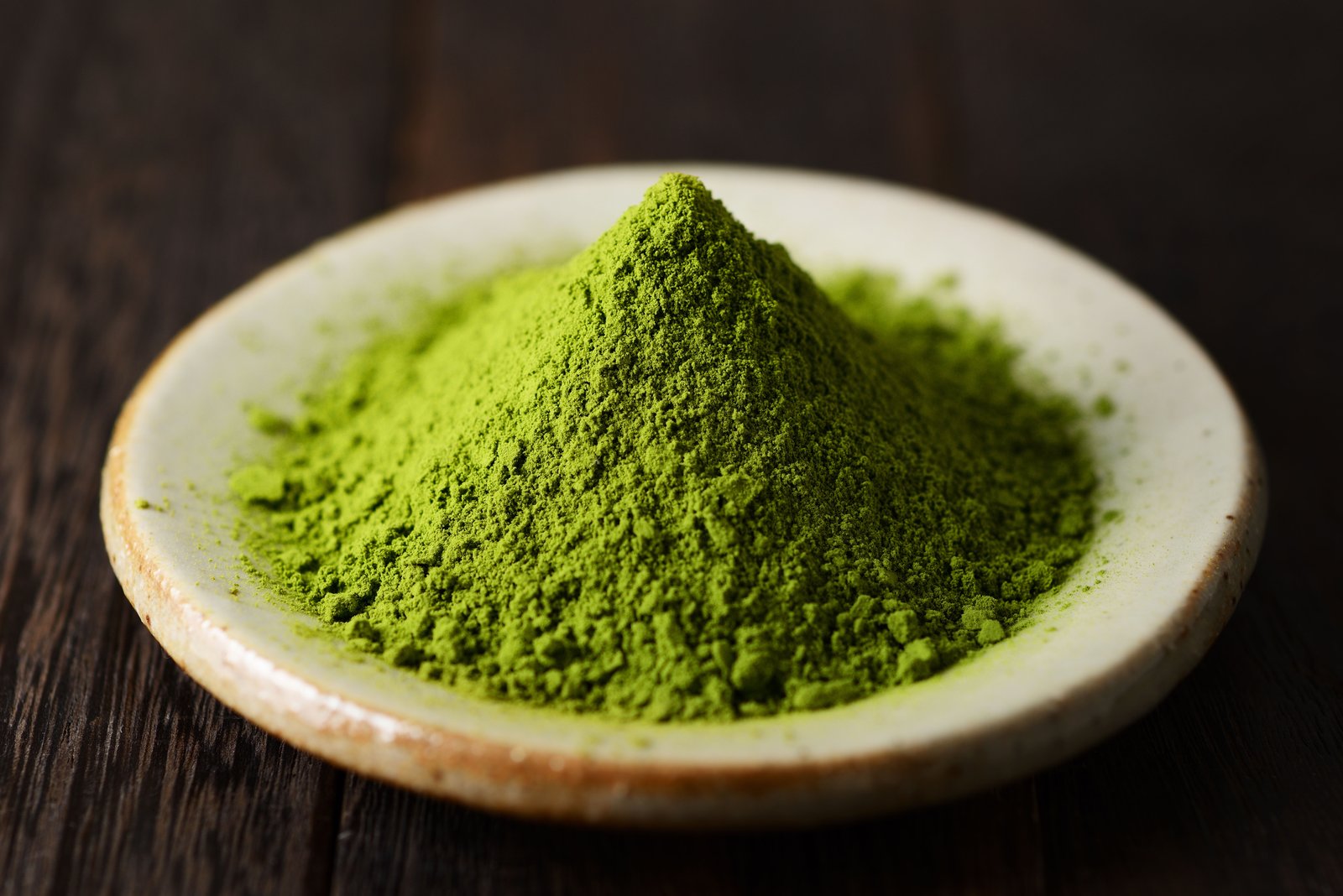
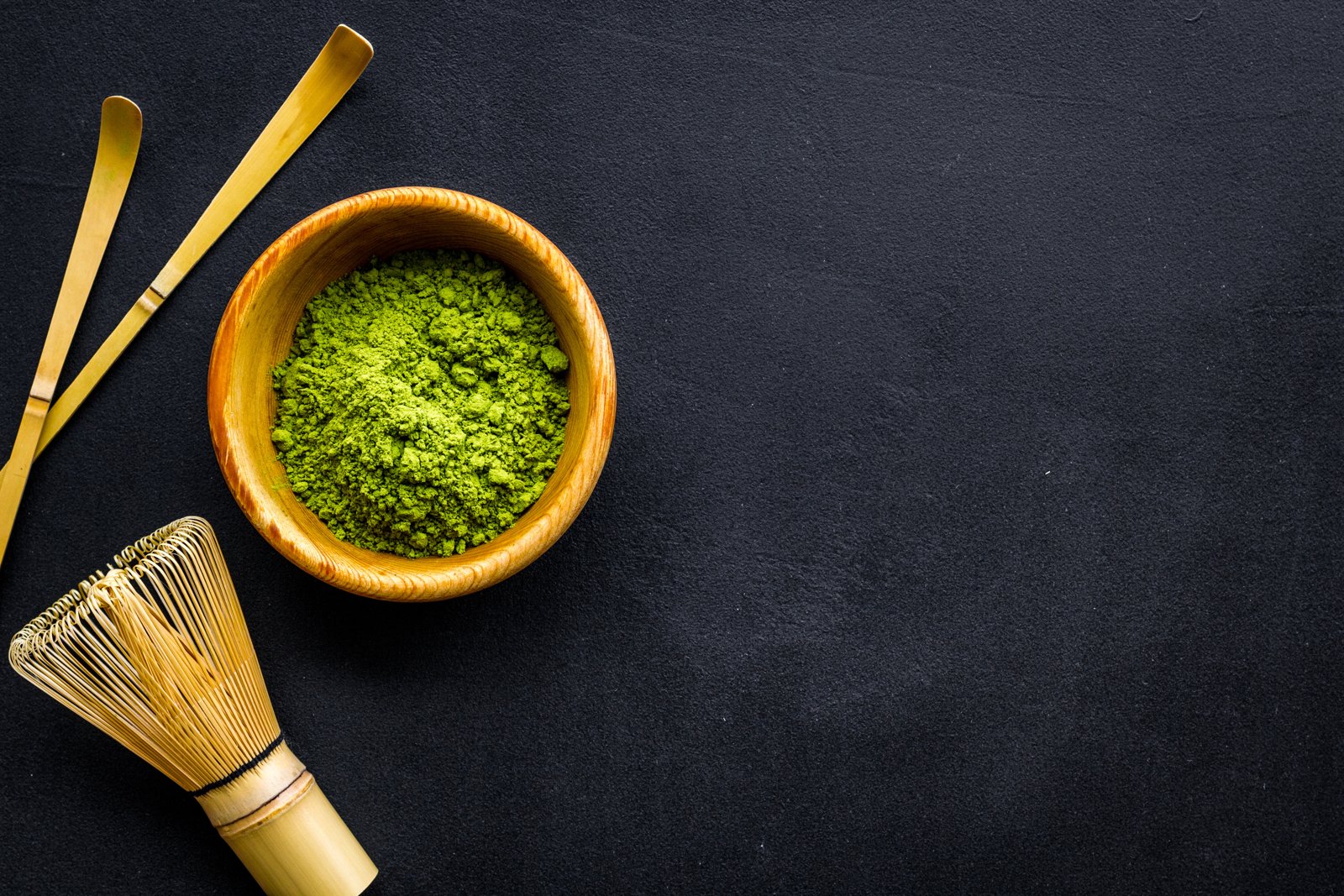
Matcha is tea made by grinding tencha (tea leaves grown under shade and dried without rolling) into a fine powder. As a powder it has a large surface area for its weight, and Marukyu Koyamaen, a Kyoto tea shop, says that among green teas, matcha changes color and quality especially fast. If you use matcha every day in a café, you need to decide how many months it lasts, how soon to use it after opening, and where to keep it in a hot shop. This article checks Japan’s labelling rules, the official guidance of long-established tea shops and the numbers from a storage test.
Does matcha expire?
Matcha has a best-before date, and it shows how long the matcha stays at its best quality. Matcha does not become undrinkable as soon as the date passes, but its color and aroma decline little by little.
Best-before date and use-by date
Under Japan’s Food Labeling Standards (national rules based on the Food Labeling Act), there are two kinds of date label.
| Meaning | Tests given priority when setting it | |
|---|---|---|
| Use-by date (消費期限) | The date until which there is no risk of the food becoming unsafe, for example by rotting, when stored as labelled | Safety tests such as microbiological tests |
| Best-before date (賞味期限) | The date until which all the expected qualities can be fully kept when stored as labelled | Quality tests such as physical and chemical tests and sensory tests (tests in which people look, smell and taste) |
The Japan Tea Central Public Interest Incorporated Association’s “Green Tea Labelling Standard” also uses the best-before date for green tea.
The definition in the Food Labeling Standards adds that the qualities may still be kept after the best-before date has passed.
Source: Consumer Affairs Agency, “食品期限表示の設定のためのガイドライン” (Guidelines for Setting Food Date Labels, March 2025, in Japanese) https://www.caa.go.jp/policies/policy/food_labeling/food_labeling_act/assets/food_labeling_cms201_250328_1029.pdf
Does matcha go bad after the best-before date?
The Consumer Affairs Agency’s guidelines say that food past its best-before date does not necessarily become inedible right away. Ippodo Tea also says matcha does not spoil, and recommends opening and enjoying it before the date.
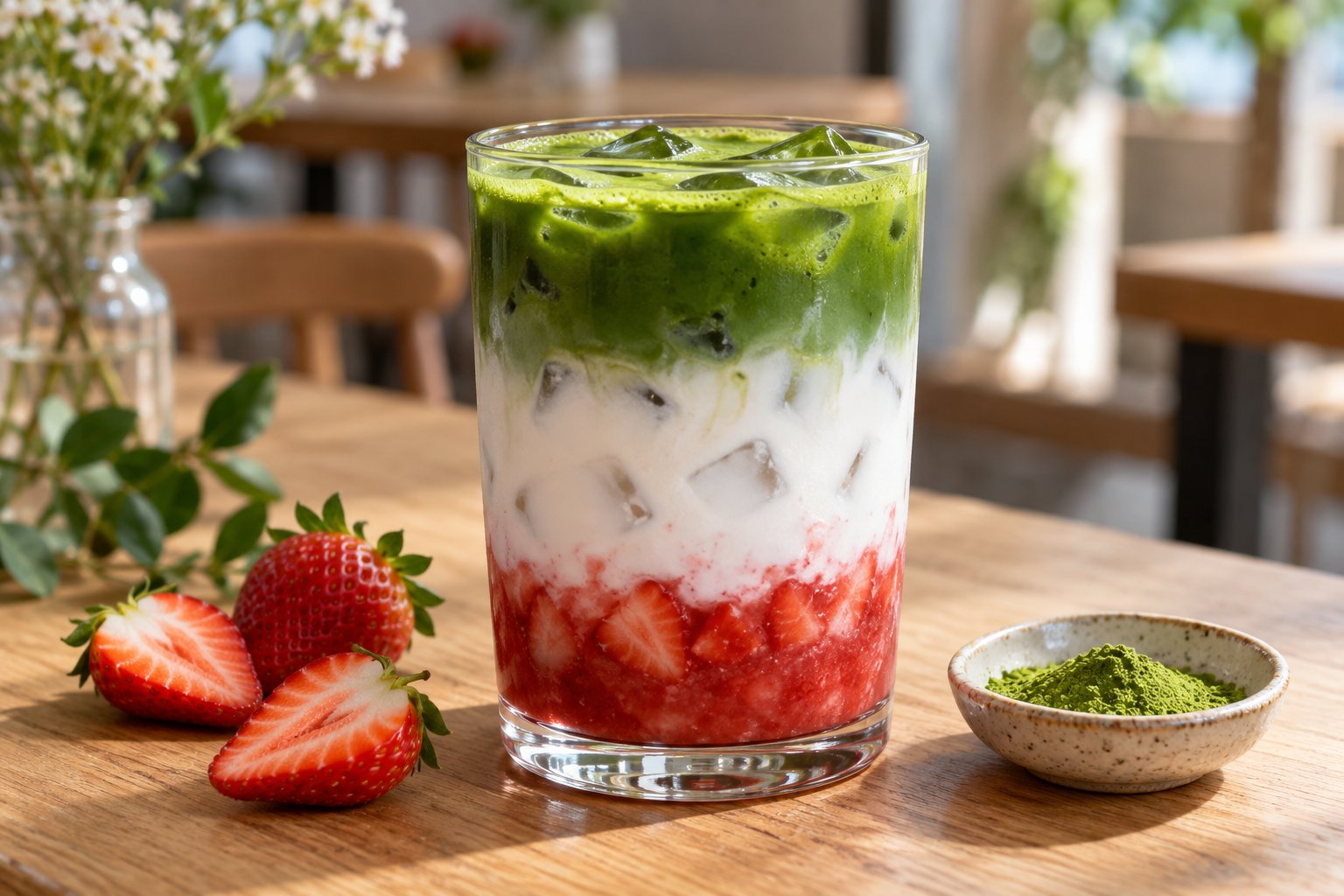
When you serve matcha in a café, though, the question is less whether it can be drunk and more whether its color and aroma meet your shop’s standard. If you use matcha whose color has faded for straight matcha or lattes, the difference shows directly. If you move it to baked goods, check the result first: according to Yamamasa Koyamaen, heating turns matcha reddish and makes its aroma harder to notice.
How to read the best-before date
The best-before date on Japanese matcha applies before the package is opened, when it is stored as labelled. A date showing only the year and month means the last day of that month.
It assumes the package is unopened and stored as labelled
The Consumer Affairs Agency’s guidelines say a date label is the date for the product before opening, stored by the specified method. In the label example in the Japan Tea Central Public Interest Incorporated Association’s “Green Tea Labelling Standard,” the storage method for green tea is “avoid high temperature and humidity, and be careful of odors transferring.”
After the package is opened, or after it has been kept warmer than the label says, the quality may not last until the printed date.
“2027.5” means until 31 May
Food with more than 3 months between manufacture and the best-before date may show only the year and month. The label example in the Japan Tea Central Public Interest Incorporated Association’s standard also uses a year and month, such as “September 2020.” According to the Q&A in the Consumer Affairs Agency’s guidelines, a date given as a year and month is read as the last day of that month.
If the actual date falls in the middle of a month, the label shows the previous month. For example, if the date is 10 April, the label shows “March.” Some shops, such as Ippodo Tea, print the full date in the order year.month.day.
The date can change in the importing country
When food is imported into Japan, the importer is responsible for the date label. The importer sets it based on the date set by the overseas manufacturer, taking transport and storage conditions into account where needed. If matcha you buy in Singapore or Thailand seems to have a different date from the Japanese bag, ask your supplier which date it is and which storage method it was set for.
How long does unopened matcha last?
How long unopened matcha lasts depends heavily on the packaging and the storage temperature. Yamamasa Koyamaen, a long-established tea shop, gives 8 months for matcha sealed with an oxygen absorber, unopened and kept away from high temperatures.
Yamamasa Koyamaen: 8 months unopened
Yamamasa Koyamaen seals its matcha products with an oxygen absorber (a small packet that absorbs oxygen in the bag) and guarantees a best-before period of 8 months as long as the matcha is unopened and kept away from high temperatures. It says to store matcha somewhere away from high temperatures, such as a freezer, fridge or cool dark place, and recommends the freezer or fridge because lower temperatures are better for keeping quality.
| What Yamamasa Koyamaen says | Details |
|---|---|
| Unopened | Sealed with an oxygen absorber. 8-month best-before period guaranteed if unopened and kept away from high temperatures |
| Signs of damage | At high temperature and humidity, the ooika aroma turns stale and the color turns reddish |
| Opening chilled matcha | Opening it while still cold causes condensation, and the quality declines quickly |
Source: Yamamasa Koyamaen, “抹茶の取扱い” (Handling matcha, in Japanese) https://www.yamamasa-koyamaen.co.jp/matcha/basic/handling.html
A storage test at different temperatures
In a test published in the Tea Research Journal by researchers at ITO EN, matcha made as a raw material for food processing was packed 200g at a time in aluminium bags and kept at 4 temperatures for 24 weeks without opening. No oxygen absorber was used, so the bags contained air.
| Storage temperature | Green pigment (chlorophyll a) remaining after 24 weeks | Sensory evaluation (people looking and tasting) |
|---|---|---|
| −70°C | 94.0% | No change up to 24 weeks |
| 4°C | 83.0% | Slight change at 24 weeks, but no effect on product characteristics |
| 25°C | 67.4% | Change noticed at 24 weeks, but product characteristics kept |
| 37°C | 33.7% | Rated unusable as a product for the color of the brewed tea at week 4 and for taste at week 12 |
The researchers concluded that at 25°C or below the matcha kept its product characteristics for 24 weeks, while at 37°C the limit of use was 3 to 4 weeks. The test used raw-material matcha for food processing rather than matcha for drinking, but the finding that matcha deteriorates faster at higher temperatures matches the tea shops’ guidance.
How long does matcha last after opening?
Use opened matcha within about a month. Ippodo Tea is the shop that gives a number of days. Yamamasa Koyamaen and Marukyu Koyamaen say “soon” and “while fresh.”
| Shop | Guidance after opening |
|---|---|
| Ippodo Tea | Tastes best when enjoyed within a month of opening |
| Yamamasa Koyamaen | Use soon after opening. Keep it in a cool, dark, dry place and finish it within a short time |
| Marukyu Koyamaen | Drink it while fresh after opening the can |
Ippodo Tea explains that matcha does not spoil after opening, but starts to lose its freshness gradually from the time the package is first opened. Yamamasa Koyamaen also says that buying a large bag when you use only a little means a longer storage time after opening, which lowers the quality.
Signs that matcha has gone bad, and their causes
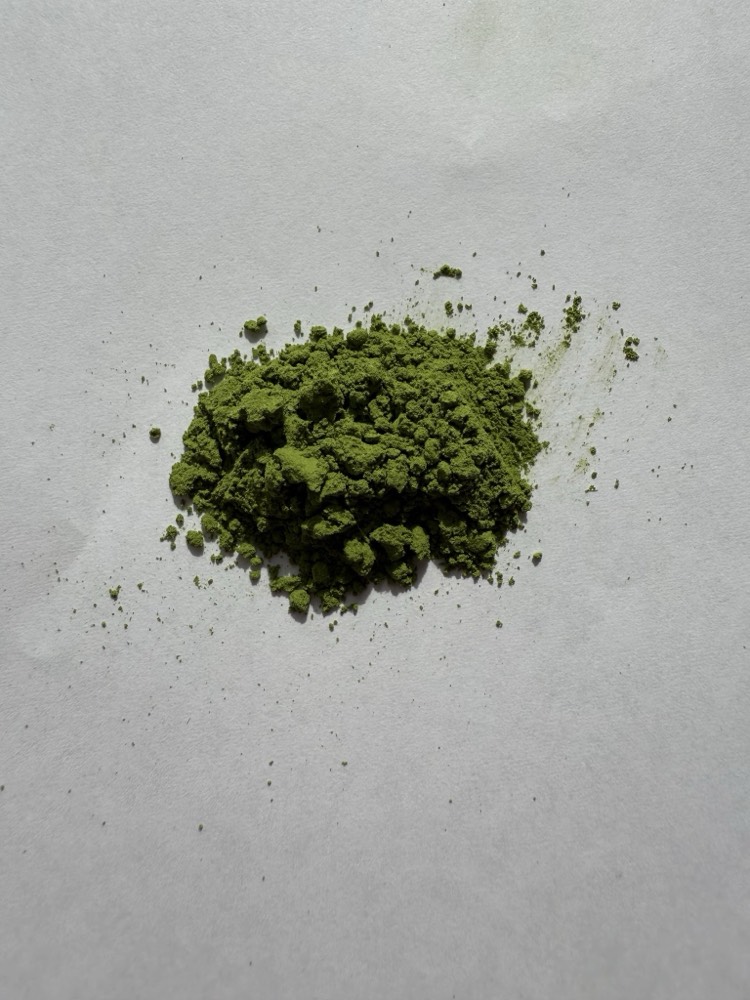
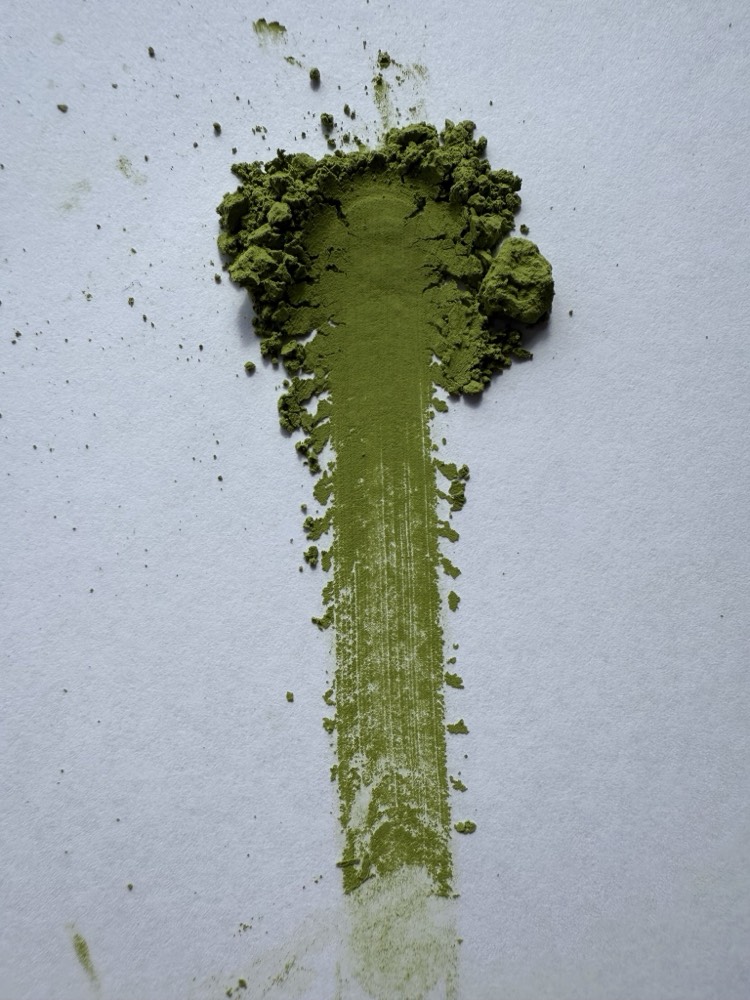
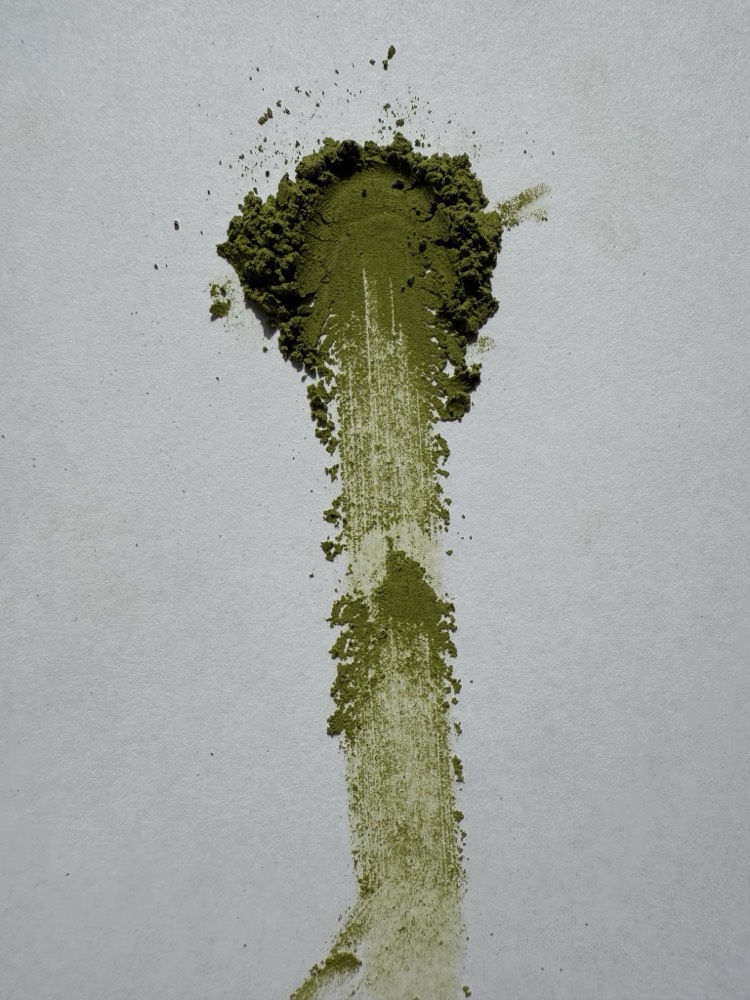
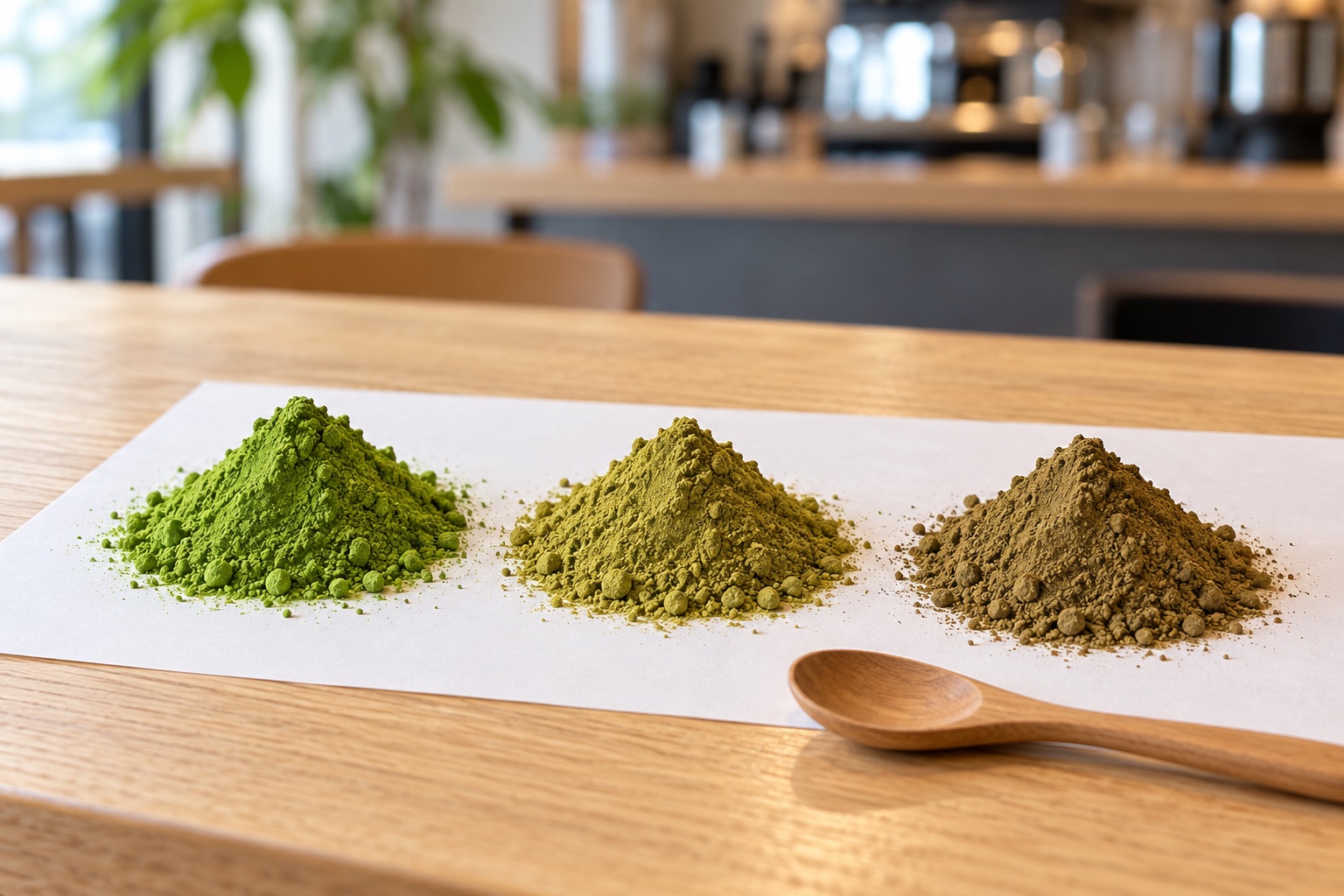
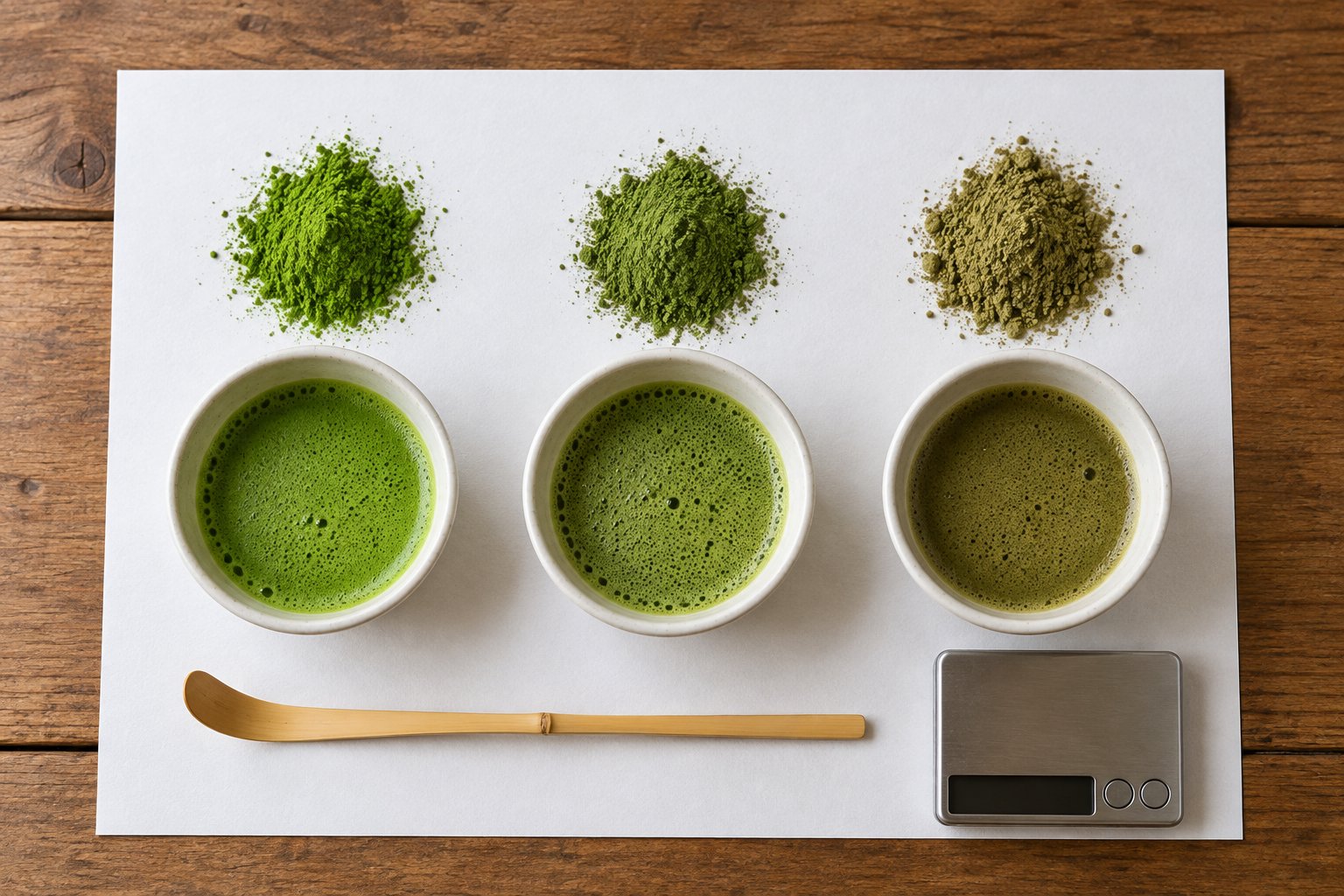
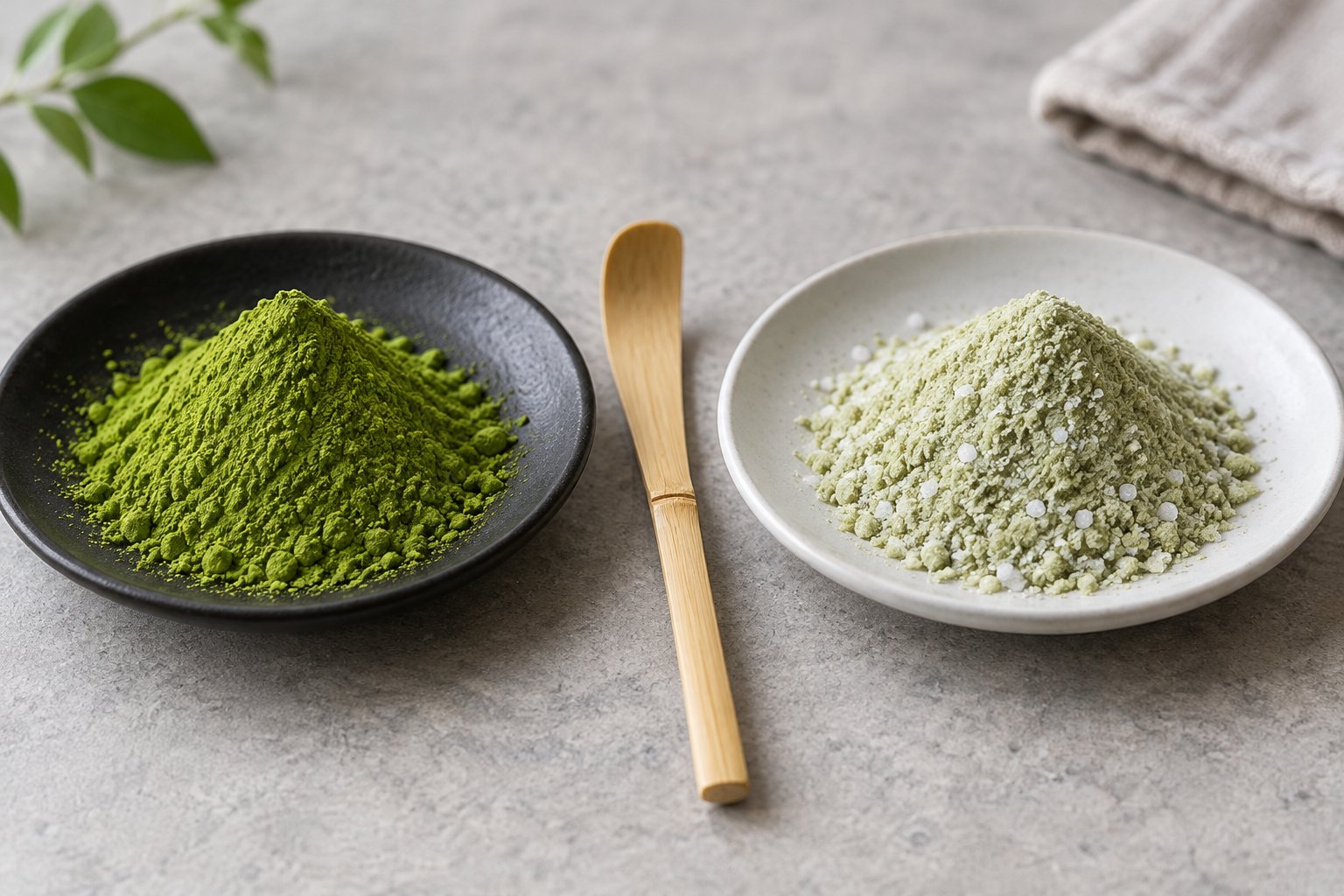
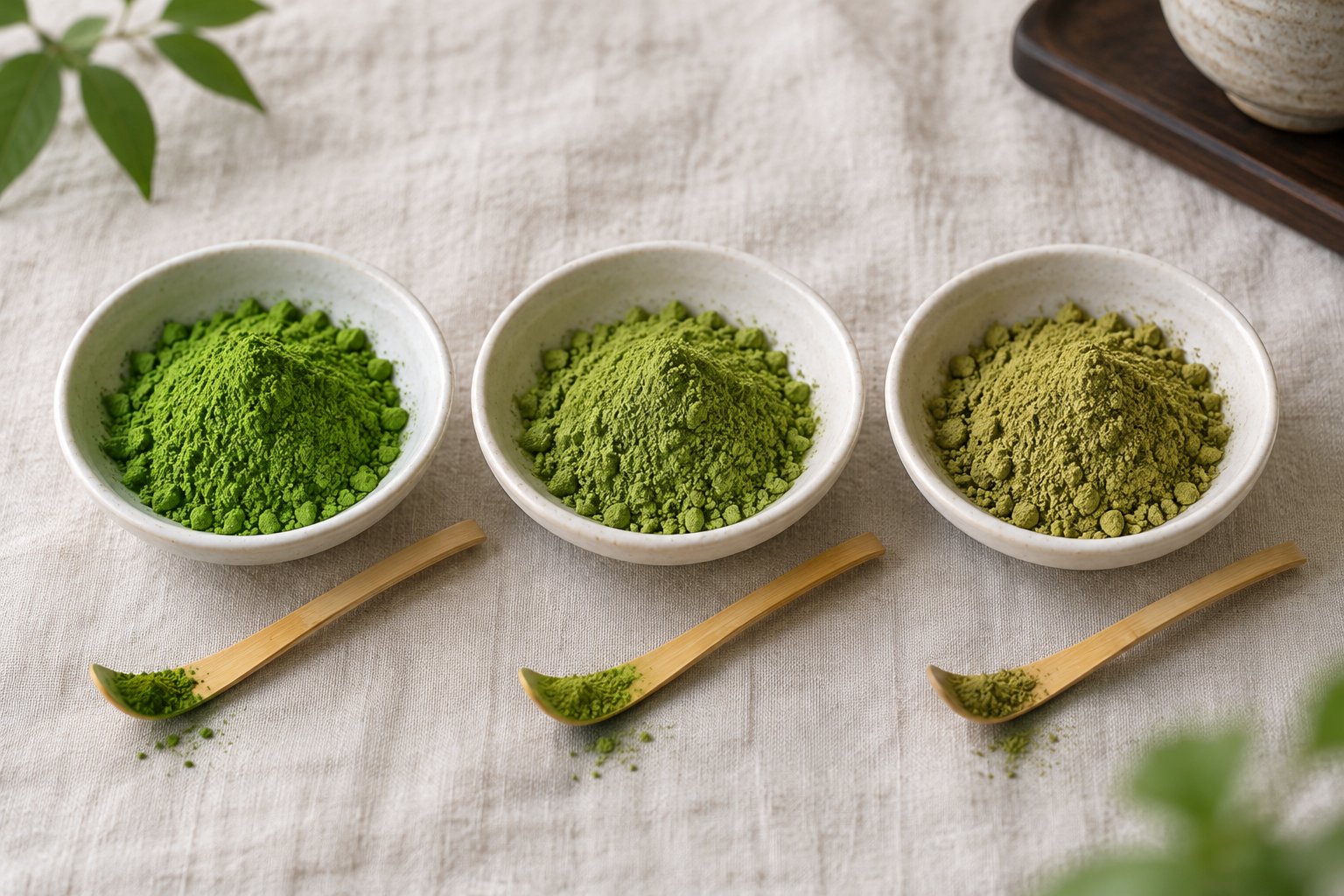
When matcha deteriorates, its bright green turns reddish and its ooika aroma (the sweet aroma of matcha grown under shade, as Marukyu Koyamaen describes it) turns stale. The causes are temperature, humidity, light, odors and oxygen.
Signs in color, aroma and texture
| Sign | Main cause | Source |
|---|---|---|
| Green turns reddish | High temperature and humidity, age | Yamamasa Koyamaen, Marukyu Koyamaen |
| Ooika aroma turns stale | High temperature and humidity, age | Yamamasa Koyamaen, Marukyu Koyamaen |
| Green fades | Sunlight or indoor lighting | Yamamasa Koyamaen |
| Smells of other things | Odors from the fridge or shelf transfer to it | Yamamasa Koyamaen, Ippodo Tea |
| Hard lumps like small stones that do not break up | Water drops from wet hands or tools got in | Yamamasa Koyamaen |
According to Yamamasa Koyamaen, small clumps that break up when sifted form from static electricity and the powder’s own weight during storage, and are different from the hard lumps that water drops create. How to prevent clumps is covered in How to make matcha.
Matcha turns red because the green pigment breaks down
In the storage test above, the surface color of matcha kept at 37°C moved strongly toward red. The researchers reported that the loss of green matched the decrease in chlorophyll a, the green pigment, well. The oxygen in the bags decreased faster at higher temperatures, and the researchers presume that the pigment broke down in the presence of oxygen.
Light has an effect within hours
The Mie Prefecture Industrial Research Institute describes matcha as one of the most light-sensitive processed foods. In a test that exposed matcha to about 5,000 lux of light for 3 to 8 hours and measured its color, there was no difference in the degree of deterioration between fluorescent and LED lights (the researchers suggest this was because heat from the LED lights raised the temperature of the samples). The matcha exposed to fluorescent light also changed in the quality of its smell.
If you keep matcha in a clear jar on the counter or a shelf, the lighting alone will fade its color.
Humidity matters too
In a test on green tea leaves by Kyoto Prefecture’s Tea Research Institute, moisture had a large effect among temperature, oxygen and moisture, and tea that had absorbed moisture became reddish and astringent after a month. For matcha, Yamamasa Koyamaen also says that once it takes up moisture, it deteriorates extremely fast.
How to store matcha before and after opening
Keep unopened matcha as cold as possible, and keep opened matcha sealed and away from light and moisture. Always let chilled matcha return to room temperature before opening it.
Unopened matcha
- Keep it in the fridge or freezer. Yamamasa Koyamaen recommends the freezer or fridge. Marukyu Koyamaen says to keep cans in the fridge where possible, and to use the freezer only for long storage
- Let chilled matcha return to room temperature with the bag or can still closed before opening it. If you open it cold, the temperature difference makes moisture in the air condense, and the matcha deteriorates quickly
- Keep the matcha you will store for a while unopened (Yamamasa Koyamaen)
Opened matcha
The shops differ on whether opened matcha should go in the fridge.
- Marukyu Koyamaen: close the lid tightly and keep it in the fridge so that odors do not transfer
- Yamamasa Koyamaen: if you will finish it within a short time, the fridge or freezer is not necessarily needed. Keep it in a cool, dark, dry place to avoid condensation and temperature changes each time it goes in and out. Putting it in the fridge without sealing it makes it absorb moisture and odors
- Ippodo Tea: keep it in an opaque, tightly sealed container in a cupboard, away from spices, coffee and other strong odors. If it is in a bag, roll it up and clip it closed
What the three shops have in common is sealing it, keeping light out and keeping it away from strong-smelling things. If you keep it in the fridge, it must be sealed, and you need to let it return to room temperature each time you take some out.
Avoid places where the temperature goes up and down
Kyoto Prefecture’s Tea Research Institute studied how to keep tea leaves after opening. It suggests a vacuum flask, which absorbs less moisture when the temperature changes, for places where room temperature varies by 10°C or more, and a container that removes air for places where it varies by 10°C or less. These results are for tea leaves, but the point that temperature changes make tea absorb moisture more easily overlaps with the warnings about condensation for matcha.
Storing matcha in a café in a hot country
In Singapore and Bangkok, the monthly mean temperature is above 25°C all year round. The storage test confirmed that quality was kept at 25°C or below, so keep unopened stock in an air-conditioned place or in the fridge, and finish opened bags within a short time.
Temperature and humidity in Singapore and Bangkok
| Singapore | Bangkok | |
|---|---|---|
| Monthly mean temperature | 26.8–28.6°C | 27.3–30.7°C |
| Daily maximum temperature (mean) | 30.5–32.4°C by month | 33.7°C annual mean (35.7°C in April) |
| Humidity (annual mean) | About 82% (over 90% before sunrise) | 73% |
| Source | Meteorological Service Singapore (Changi, 1991–2020) | Thai Meteorological Department (Bangkok, 1991–2020) |
The Consumer Affairs Agency’s guidelines also say that when setting the date for food stored at room temperature, the outside temperature at the destination and the temperatures during distribution and sale need to be considered. The date printed on the bag applies when the matcha is kept by the storage method on the label.
What you can do in your shop
The following are our suggestions based on the sources above.
- Keep unopened stock in the fridge, take it out the day before you use it and let it return to room temperature in the bag
- If you turn off the air conditioning at night, do not keep stock on shelves in the shop (the temperature goes up and down, which makes condensation more likely)
- Put opened bags or cans in an opaque, sealed container, away from machines that give off heat, such as espresso machines and ovens
- Keep only the amount you will use that day on the counter. Do not use a clear jar
- Seal and freeze a small amount of matcha from when a delivery arrives. If the color worries you, make both under the same conditions and compare
How to check a new lot is covered at the end of How to make matcha.
How much matcha to order
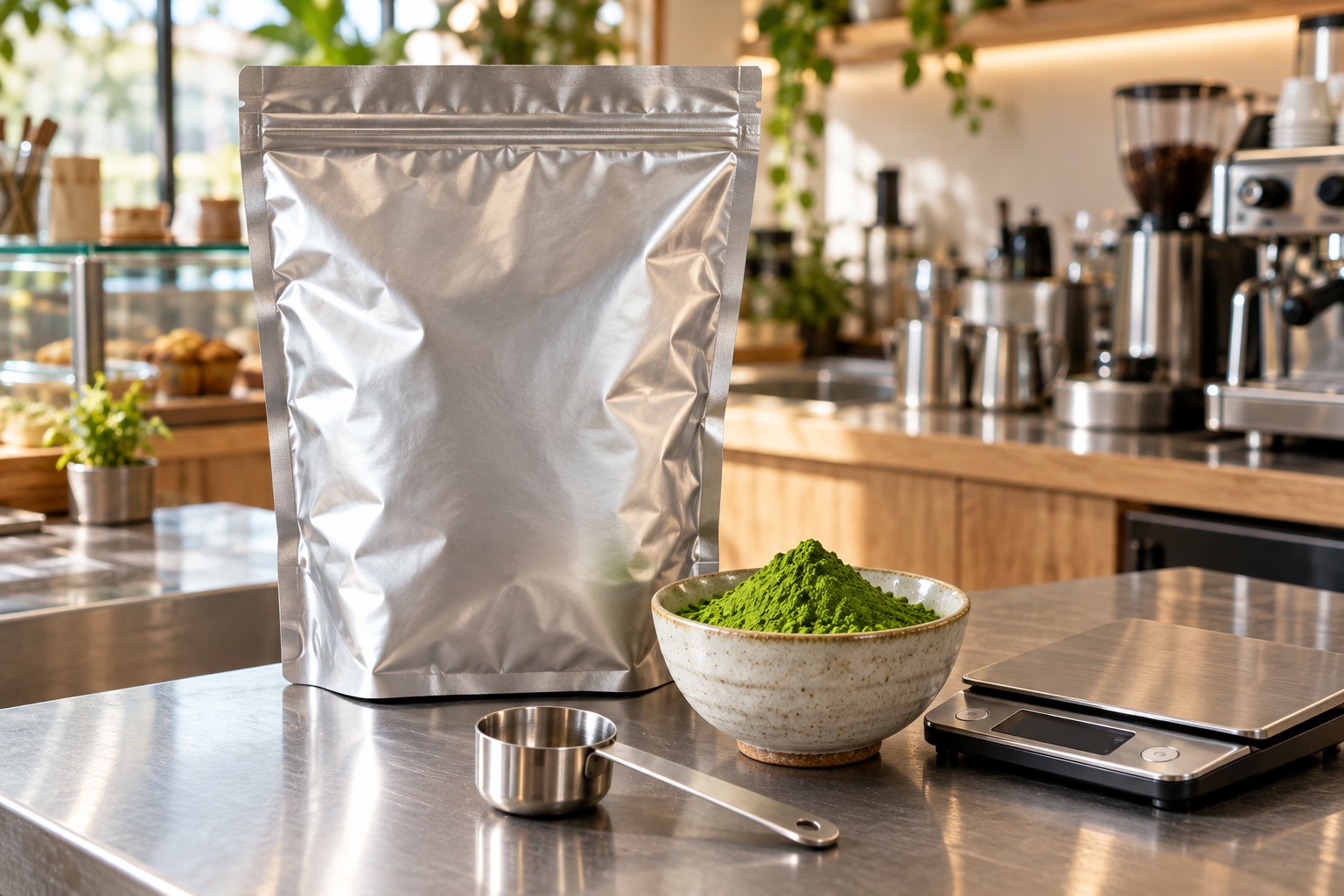
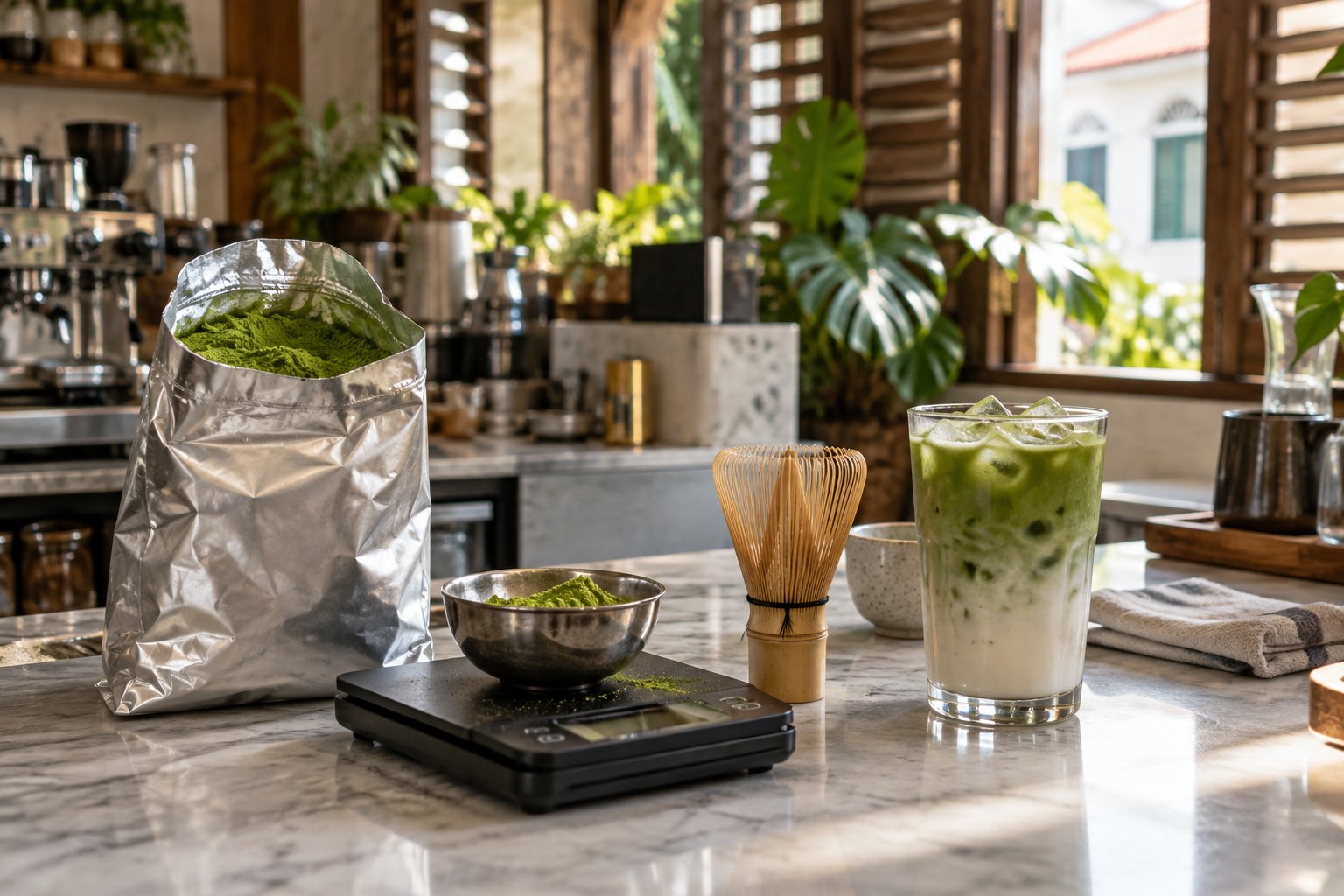
Buy bag sizes you can finish within a month of opening, and keep only as much unopened stock as you can store at a low temperature. Yamamasa Koyamaen also recommends buying smaller packs to match how much you use, for example two 500g bags rather than one 1kg bag.
Work out how much you use in a month
You can work out your monthly use with this formula.
Monthly use = cups per day × grams per cup × days open per month
Ippodo Tea’s matcha latte recipe uses 3g per cup. For example, at 30 cups a day and 30 days a month, 30 × 3g × 30 days comes to 2.7kg. How much matcha to use per cup and how to think about cost are covered in Choosing matcha for café lattes.
Choose the bag size by how long it takes to finish after opening
| Cups per day (3g per cup) | Daily use | Days to finish a 1kg bag | Days to finish a 500g bag |
|---|---|---|---|
| 10 cups | 30g | About 33 days | About 17 days |
| 30 cups | 90g | About 11 days | About 6 days |
| 60 cups | 180g | About 6 days | About 3 days |
At around 10 cups a day, a 1kg bag takes more than a month to finish once opened. In that case, ordering smaller bags such as 500g keeps you within Ippodo Tea’s guidance of one month.
Set unopened stock by the temperature you can keep it at
How much unopened stock you can hold depends on the temperature of where you keep it.
- What fits in the fridge: you can hold it within the time left until the best-before date
- A place you can keep at 25°C or below: the range in which the storage test kept product characteristics for 24 weeks
- Only places above 25°C: we have not found data showing how many weeks matcha lasts between 25°C and 37°C, so keep stock small and order often
When you order, ask your supplier how much time is left until the best-before date of the matcha you will receive, and what storage method is written in the specification sheet. Omakase Matcha takes orders from 1kg per product, and you can request up to 3 kinds of samples. For the differences between grades, see Matcha grades.
Sources
- Consumer Affairs Agency, “食品期限表示の設定のためのガイドライン” (Guidelines for Setting Food Date Labels, March 2025, in Japanese) https://www.caa.go.jp/policies/policy/food_labeling/food_labeling_act/assets/food_labeling_cms201_250328_1029.pdf
- Japan Tea Central Public Interest Incorporated Association, “緑茶の表示基準” (Green Tea Labelling Standard, last revised 10 July 2026, in Japanese) https://www.nihon-cha.or.jp/pdf/hyoujikijyun.pdf
- Yamamasa Koyamaen, “抹茶の取扱い” (Handling matcha, in Japanese) https://www.yamamasa-koyamaen.co.jp/matcha/basic/handling.html
- Marukyu Koyamaen, “抹茶について・お茶の保存方法” (About matcha and how to store tea, in Japanese) https://www.marukyu-koyamaen.co.jp/about-tea/know-matcha.html
- Ippodo Tea, “How to Keep Your Matcha Fresh” https://ippodotea.com/blogs/ippodo-tea-blog/how-to-keep-your-matcha-fresh
- Ippodo Tea, “Matcha Latte Recipe” https://ippodotea.com/blogs/recipes-to-brew-japanese-tea/matcha-latte-recipe
- Haraguchi et al., “原料抹茶の保存条件が品質に与える影響” (Effects of Storage Conditions on Quality of Matcha), Tea Research Journal No. 93 (2002, in Japanese) https://www.jstage.jst.go.jp/article/cha1953/2002/93/2002_93_1/_pdf
- Sago and Inoue, “LED技術を利用した抹茶の光劣化軽減に関する調査” (Investigation on Reduction of Photodeterioration of Powdered Green Tea by LED Light), Mie Prefecture Industrial Research Institute Report No. 37 (2013, in Japanese) https://www.pref.mie.lg.jp/common/content/000172115.pdf
- Kyoto Prefectural Agriculture, Forestry and Fisheries Technology Center, Tea Research Institute, “試験研究業務月報” (Monthly research report, February 2022, in Japanese) https://www.pref.kyoto.jp/nosoken/monthlyreport/documents/040203.pdf
- Kyoto Prefectural Agriculture, Forestry and Fisheries Technology Center, Tea Research Institute, “開封後も美味しく飲める茶葉の簡単・低コストな保管法の考案” (A simple, low-cost way to keep tea leaves tasting good after opening, in Japanese) https://www.pref.kyoto.jp/nougijyutsu/documents/tizityayouki.pdf
- Meteorological Service Singapore, “Climate of Singapore” https://www.weather.gov.sg/climate-climate-of-singapore/
- Thai Meteorological Department, “Climatological Data for the Period 1991-2020” https://ubonmet.tmd.go.th/files/MetInfo/climate_normal.pdf