
 Reviewed by: Takahiro Sugiyama (CEO, meguri Inc.)
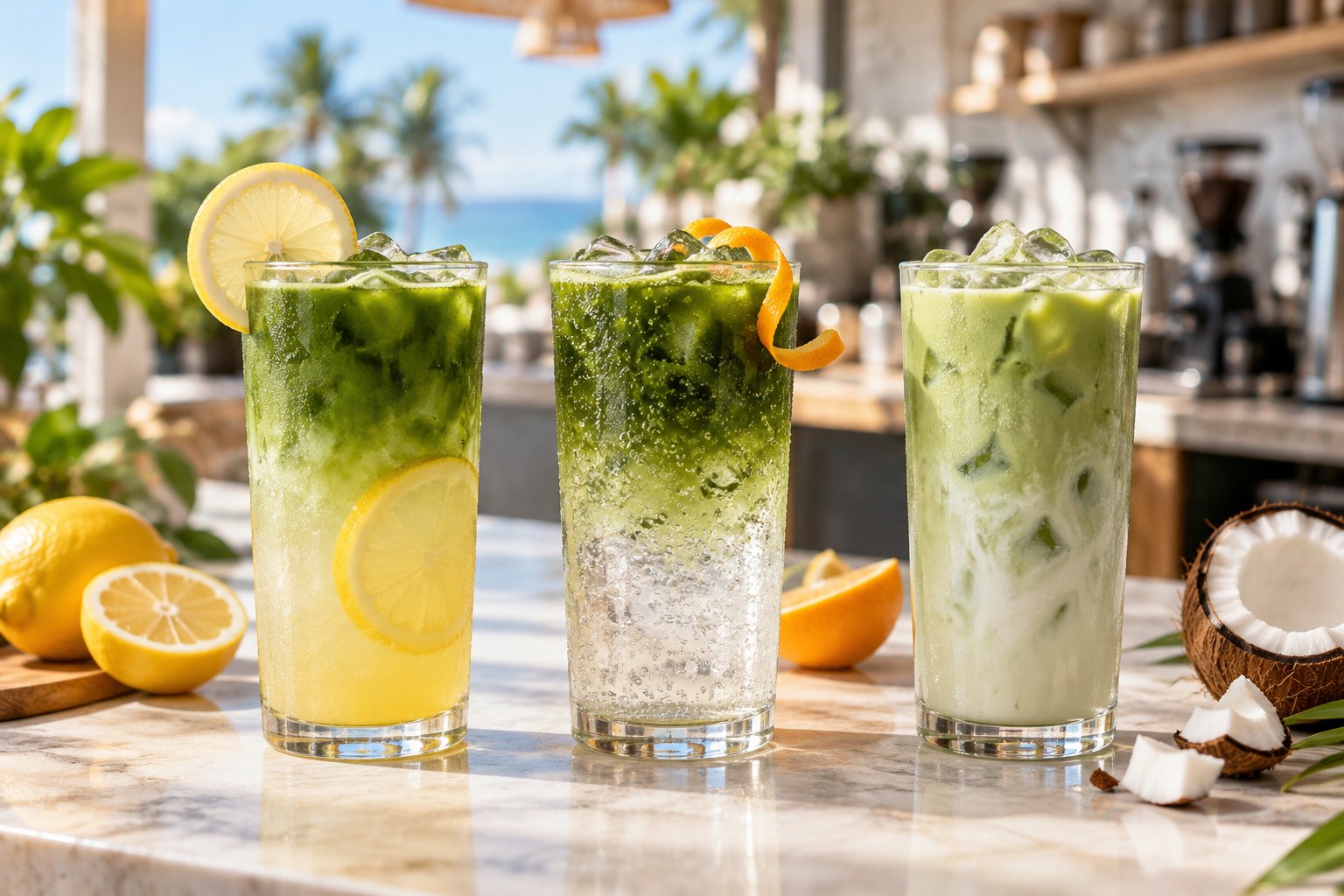
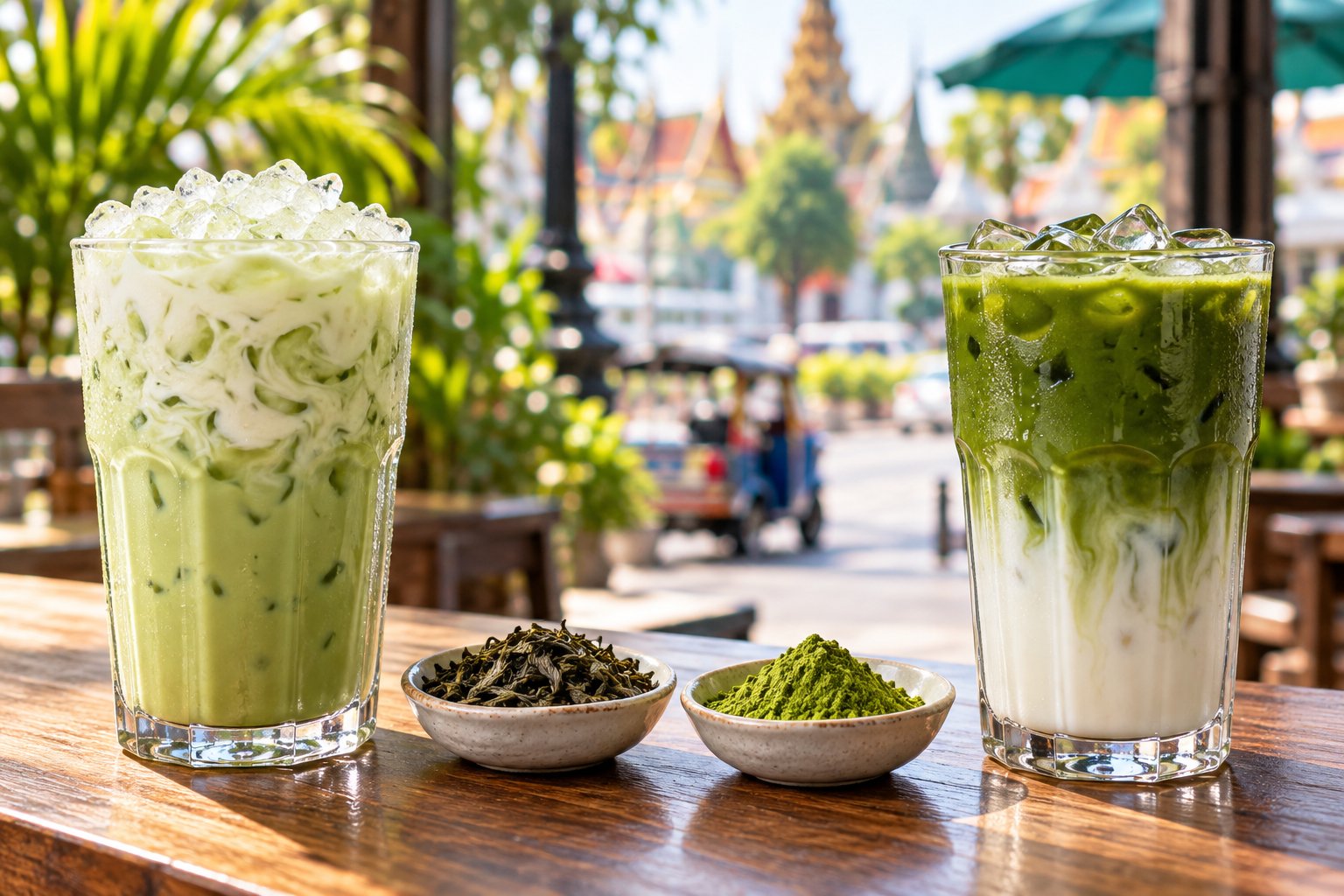
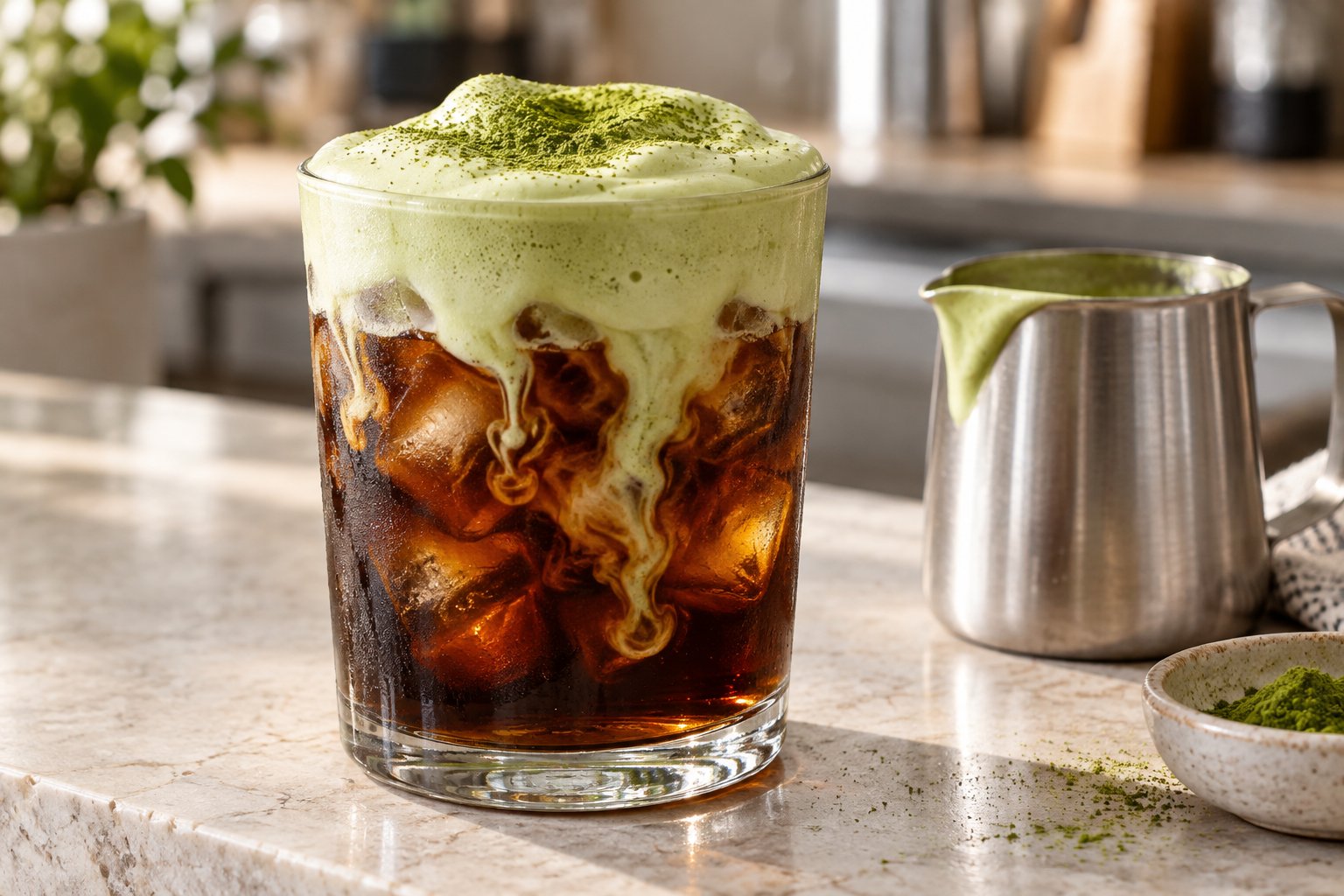
Even cafés that only offer matcha as a latte have customers in hot countries who want a cold matcha drink without milk. Drinks that combine matcha with lemonade, tonic water or coconut water are simple to make, but they behave differently from a latte: acid can change the color, and the powder sinks to the bottom. This guide lines up official recipes from tea companies, drink companies and public bodies to compare the ratios, checks the reasons for the color change and separation against research, then covers prep, cost and what to check when buying.
What are matcha drinks other than lattes?
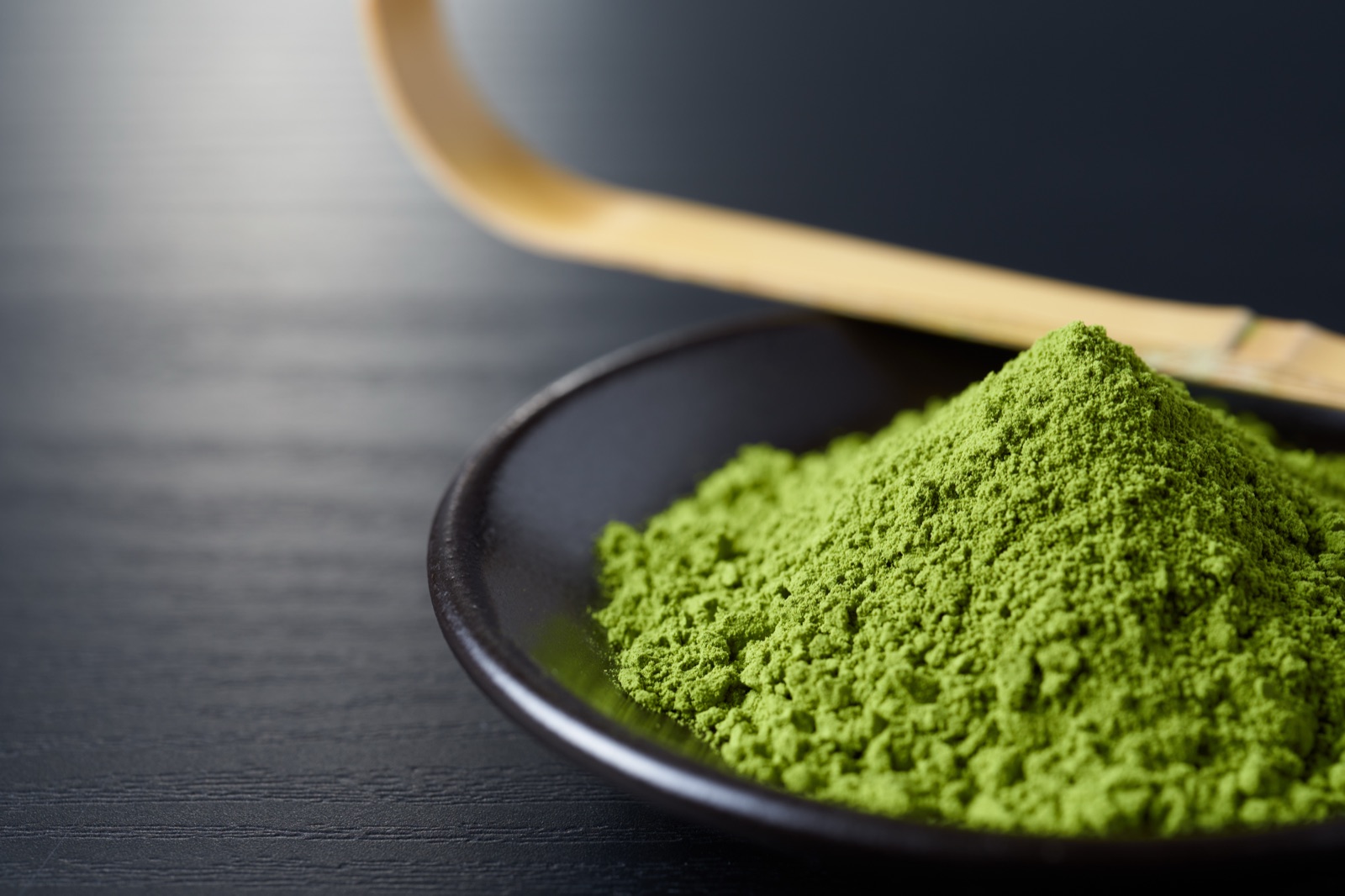
Matcha drinks other than lattes are cold drinks that combine matcha dissolved in hot water with juice, carbonated water or coconut water instead of milk. Without milk, the color and bitterness of the matcha come through as they are.
The drinks covered here
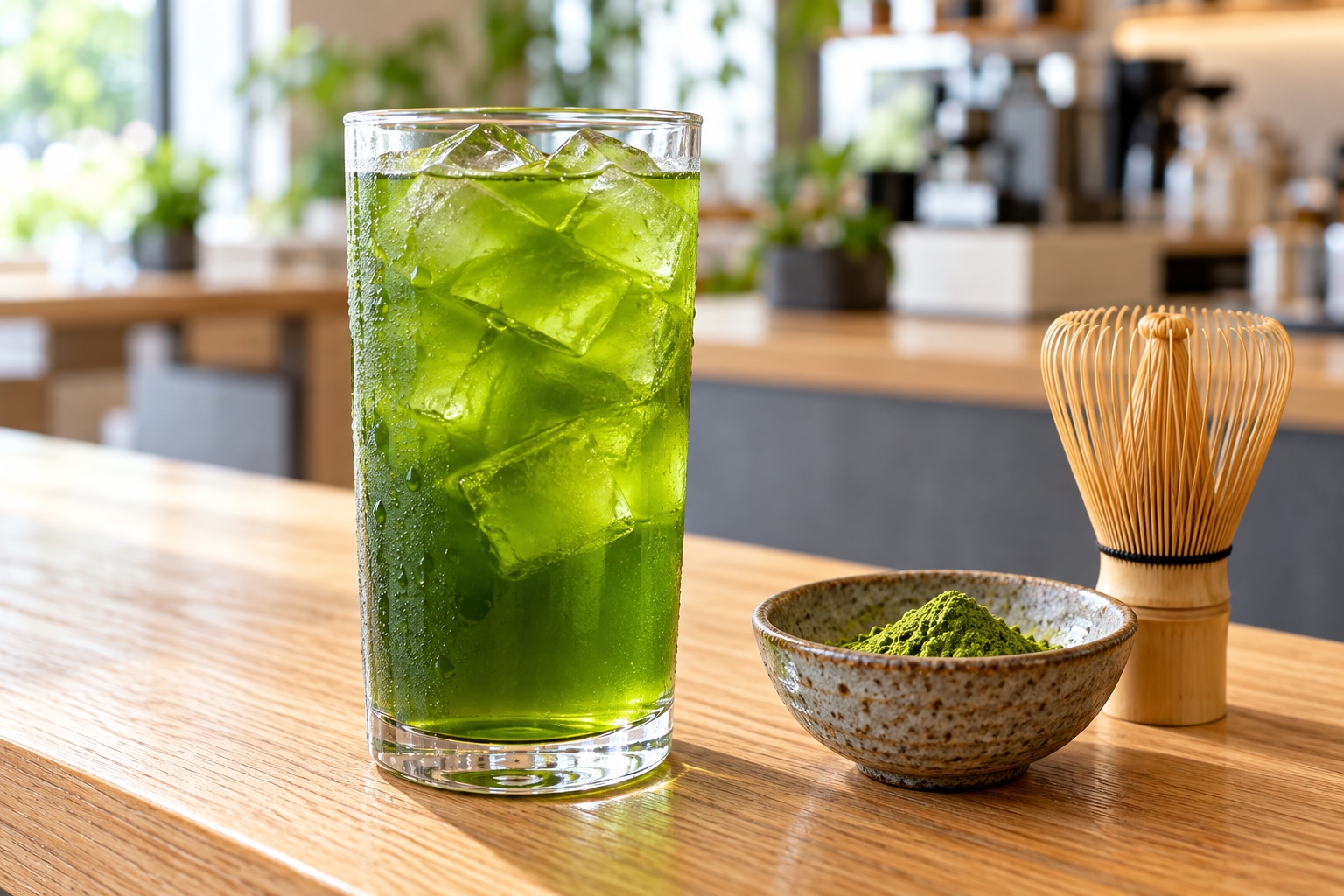
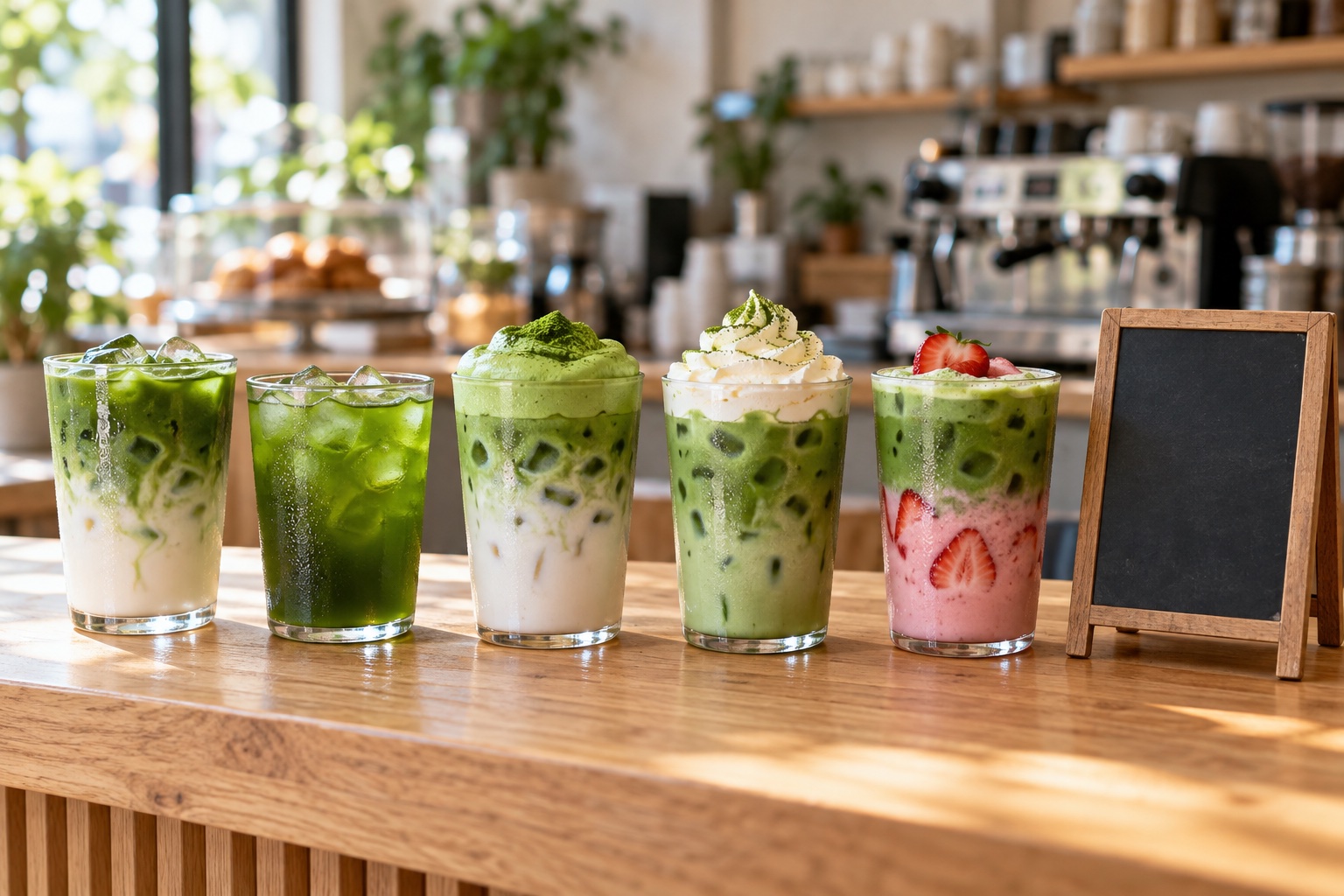
This guide covers five drinks: matcha lemonade, matcha tonic (with tonic water), matcha soda (with carbonated water), matcha coconut (with coconut water) and matcha orange. In all of them, the matcha is first dissolved in a little hot water and then combined with a cold liquid. The differences are how acidic and how sweet the liquid is, and whether it is carbonated.
How this differs from the latte guides
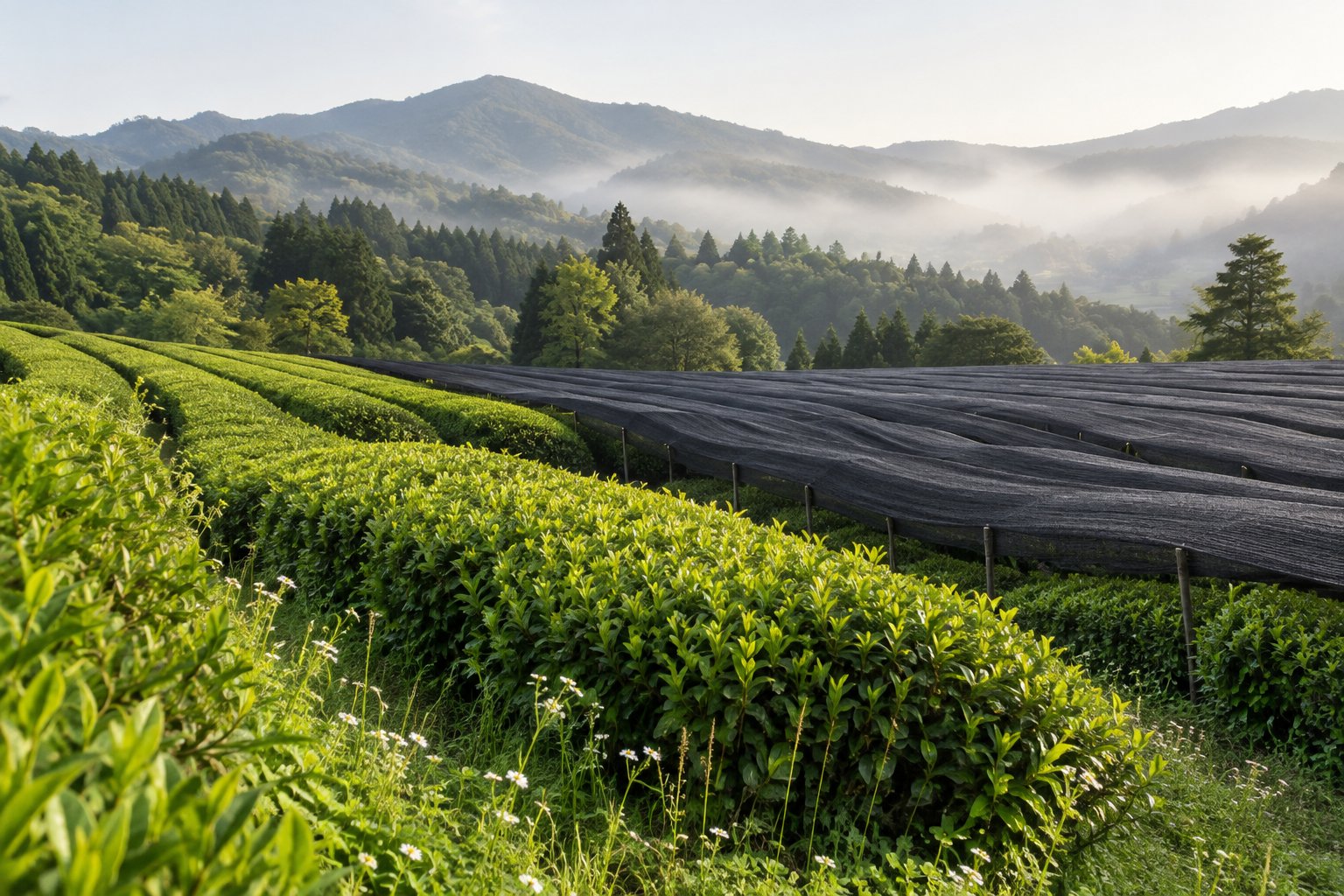
Matcha is tencha (tea leaves grown under shade and dried without rolling) ground into a fine powder. How to dissolve matcha in hot water, how to prevent lumps and food safety guides for making drinks ahead are in Iced Matcha Latte Recipe and How to Make Matcha. Making syrup by dissolving matcha in sugar water is covered in Matcha Syrup Recipe. This guide focuses on what changes when matcha meets acid or carbonation.
Comparing ratios in official recipes
Of 12 official recipes, 4 give the matcha for one drink in grams, and all of them use 3–4g. Matcha is about 0.8–1.9% of the liquid it is combined with. The rest are written in teaspoons, as syrup, or as batch quantities.
The 12 recipes compared
These are recipes that tea companies, drink and syrup companies, and public bodies publish on their own websites. We converted 1 fl oz (fluid ounce) as about 30ml, 1 cup as about 237ml, and 180°F as about 82°C.
| Drink | Source (country, business) | Matcha | Hot water to dissolve it | Liquid it is combined with | Matcha ratio |
|---|---|---|---|---|---|
| Lemonade | Bird & Blend Tea (UK, tea company) | 1/2 tsp lemon-flavored matcha | 80°C water (a little of 100ml) | Rest of the water, 25ml lemon juice, a splash of sparkling water | Not calculated |
| Lemonade | The Tea Makers (UK, tea company) | 8g (number of drinks not stated) | A little 70–80°C water | Lemonade of 3 lemons, 150g sugar and 200ml water; 650ml sparkling water | About 0.9% of the water and sparkling water |
| Lemonade | Monin (syrup company, US site) | 30mL matcha concentrate | None | 210mL lemonade | Not calculated |
| Tonic | Paper & Tea (Germany, tea specialist) | 3g | 50ml water below 80°C | 150ml tonic | About 1.5% |
| Tonic | Monin | 15mL concentrate | None | 60mL gin alternative, 7.5mL lime juice, tonic | Not calculated |
| Soda | T2 Tea (Australia, tea company) | 1/2–1 tsp per 250ml | A little 80°C water | Soda (amount not stated) | Not calculated |
| Soda | Purematcha (Australia, matcha seller) | 3g | 50ml hot water | 2–3 tbsp yuzu jam, 200ml soda | About 1.2% |
| Coconut | Matchaful (US, matcha company) | 4g | About 59ml water at 180° (apparently Fahrenheit, about 82°C) | About 148ml coconut water | About 1.9% |
| Coconut | Purematcha | 4g | 80ml water at 80°C | 400ml coconut water, 1 tbsp maple syrup | About 0.8% |
| Coconut | Vita Coco (coconut water company) | 1 tsp | About 30ml hot water | About 237ml coconut water, about 59ml yuzu juice | Not calculated |
| Orange | Florida Department of Citrus (US state agency) | 2 tsp (divided between 2 glasses) | None (blender) | 1 cup orange juice, 1/2 cup mango, 1 tbsp water | Not calculated |
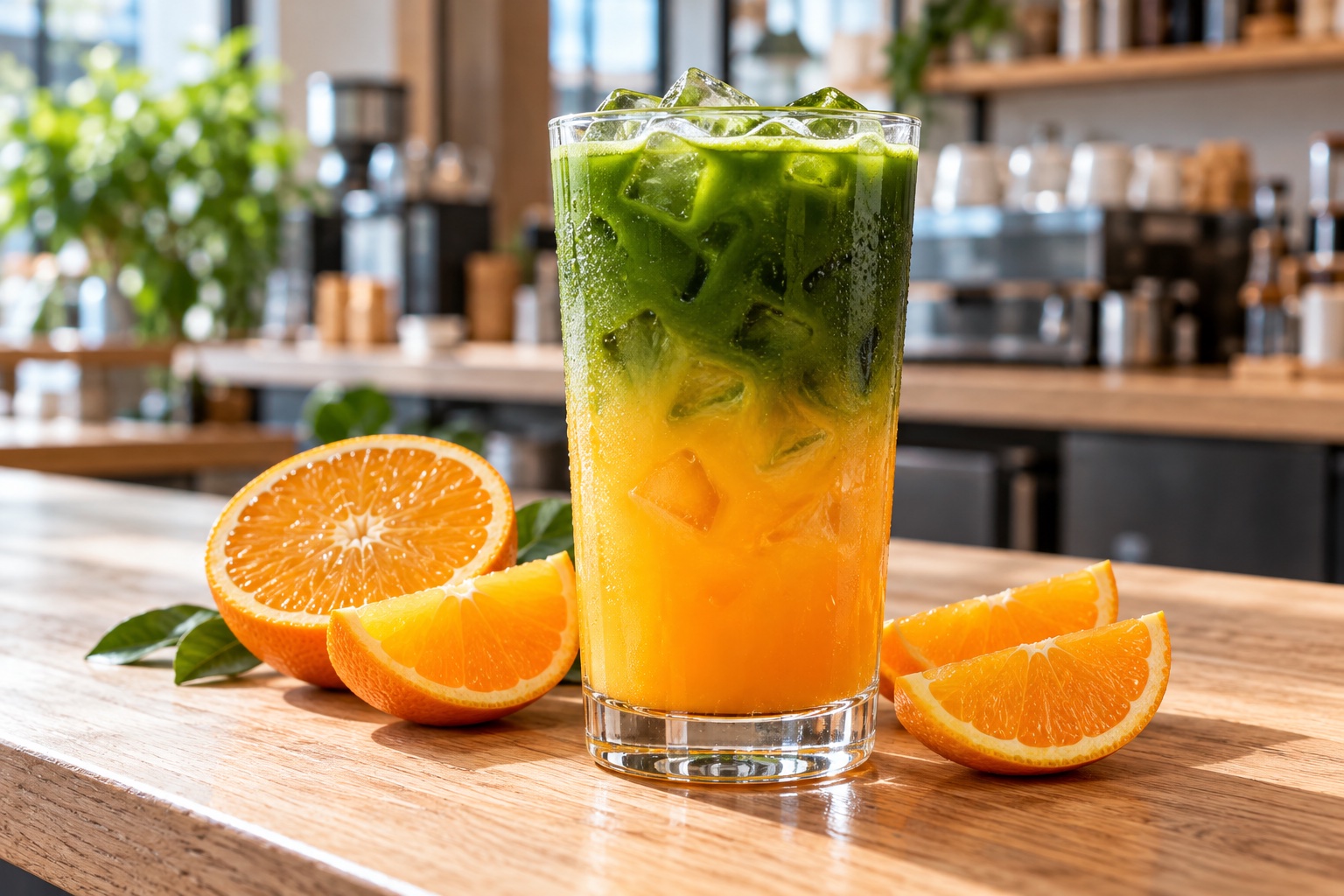
| Orange | ArtfulTea (US, tea specialist) | 1 tsp | About 59ml water at about 82°C | About 237ml orange juice | Not calculated |
We calculated the matcha ratio by dividing the weight of matcha by the total of the hot water and the liquid it is combined with (counting 1ml as 1g, and leaving out ice, jam and syrup).
What the table shows
The 4 recipes that give matcha in grams are close: 3g for tonic and soda, 4g for coconut water. The amount of liquid, though, ranges widely from about 150 to 400ml. As a ratio, the iced matcha latte from Ippodo, a long-established tea shop in Kyoto (3g matcha, 100ml hot water, 100ml milk), comes to about 1.5%, and drinks other than lattes fall in nearly the same range (our calculation). Convert recipes written in teaspoons into grams in your shop, and fix the grams of matcha per drink. The weight of a teaspoon of matcha changes depending on whether it is sifted and how fine the powder is.
Setting your shop’s standard (our view)
What follows is our view. Start with 3g of matcha, the amount shared by the official tonic and soda recipes. Measure how much liquid fits in your glass with ice first, and begin testing at a matcha ratio of around 1.5%. Sour lemonade and sweet orange juice tend to hide the taste of matcha, so if the matcha tastes too weak, add 0.5g at a time.
How to make each drink
For every drink, the basic order is to dissolve the matcha in a little hot water, then pour it last into a glass of ice and cold liquid. The official recipes differ in the liquid they use and in whether they show the layers or stir before serving.
Matcha lemonade
Bird & Blend Tea adds a little 80°C water to the matcha and whisks for about 30 seconds, adds sweetener, the rest of the water and lemon juice and whisks again, pours it into a cup of ice, then adds a splash of sparkling water. The Tea Makers first makes lemonade by blending lemons with their skin, sugar and water, straining it and mixing it with sparkling water, then gently pours in the frothed matcha. The recipe from Monin, a syrup company, uses matcha concentrate (a concentrated syrup) instead of matcha powder, and mixes the drink by pouring it into a mixing tin (a metal cocktail container) and back into the glass.
Matcha tonic
Paper & Tea’s tonic has no sweetener and combines the bitterness of matcha with the bitterness of quinine (the source of bitterness in tonic). Whisk 3g of matcha with 50ml of water that is not boiling, let it cool for 1–2 minutes, slowly pour 150ml of tonic into a glass of ice, add lemon, then pour the matcha over a spoon to make a layer.
Source: Paper & Tea, “Matcha Tonic: The refreshingly bitter green tea trend drink” https://www.paperandtea.com/blogs/journal/matcha-tonic-recipe
Matcha soda
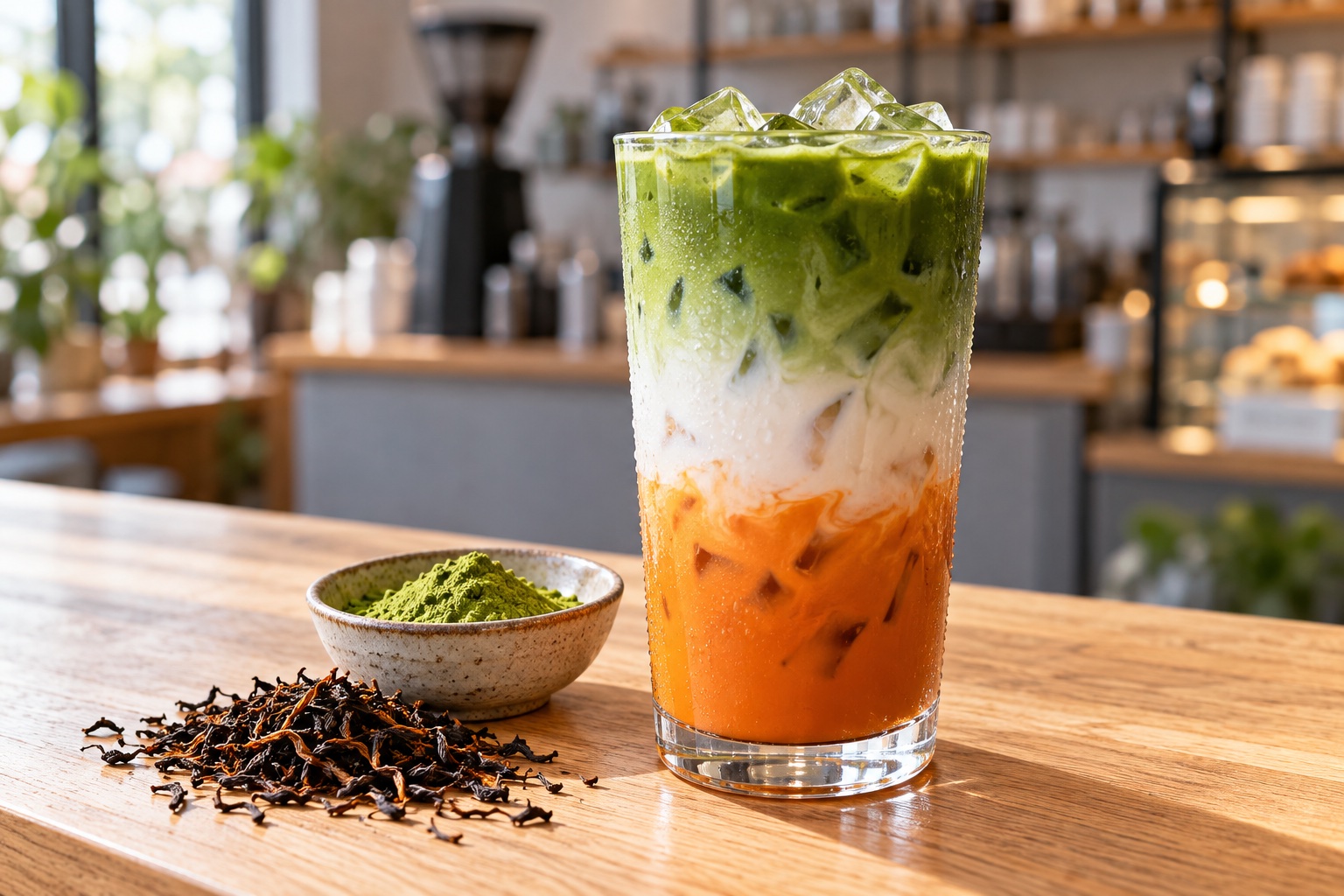
T2 Tea whisks 1/2–1 teaspoon of matcha with a little 80°C water into a smooth paste, puts it in a glass with sweetener if you like, adds soda (carbonated water) and ice, and stirs well. Purematcha’s matcha yuzu soda puts yuzu jam in the bottom, adds ice and 200ml of soda, and pours 3g of matcha whisked with hot water over the top last. The difference is whether the drink is stirred before serving or served in layers.
Matcha coconut
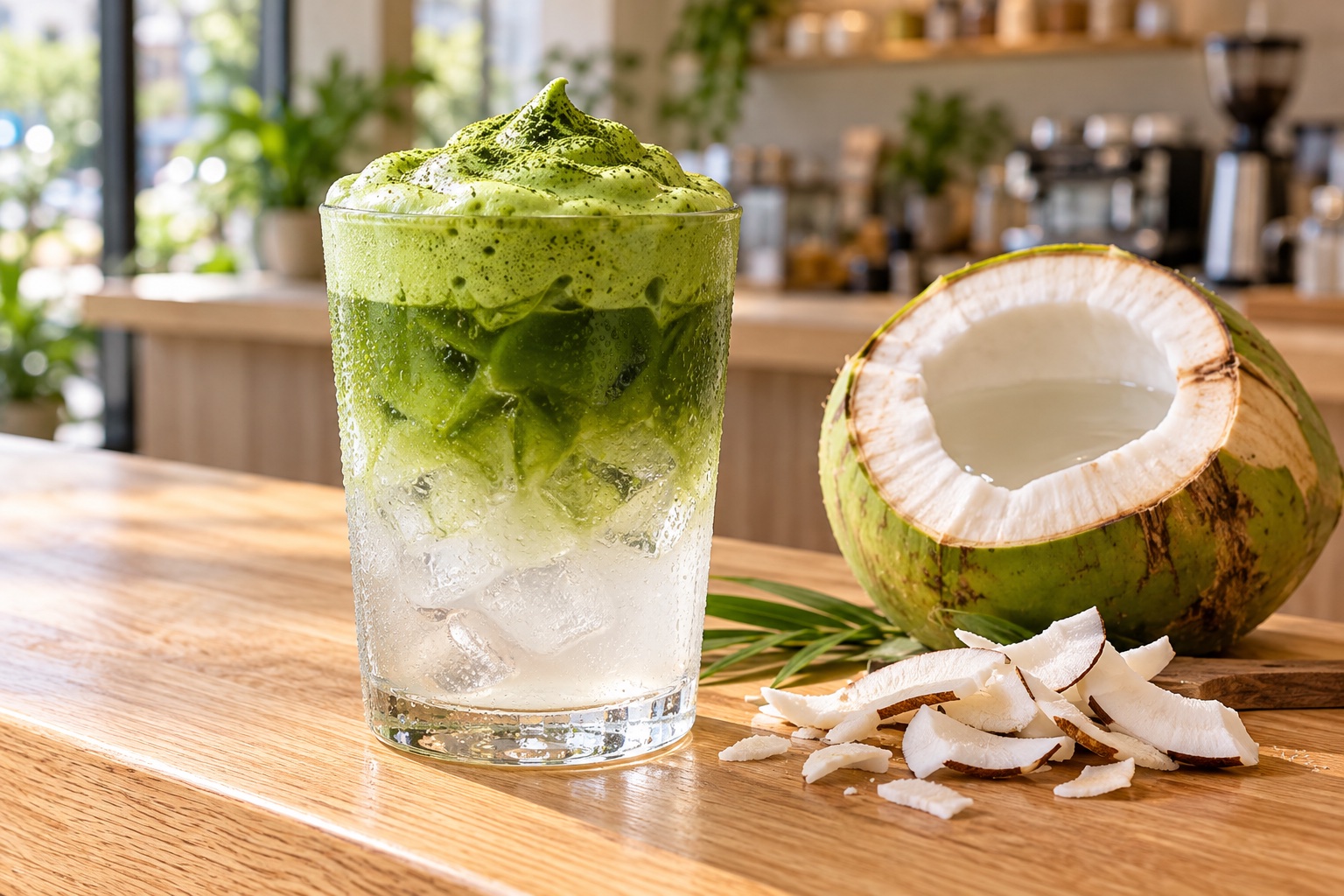
In all three recipes, from Matchaful, Purematcha and Vita Coco, the coconut water is used as it is without heating, and only the matcha is dissolved in hot water. Matchaful and Vita Coco pour the matcha last to make a layer, while Purematcha stirs everything in a jar. Purematcha says coconut water is naturally sweet, so taste first and add maple syrup only if you want it sweeter.
Matcha orange
The Florida Department of Citrus blends orange juice, mango, matcha and water until smooth, about 1 minute, and divides it between two glasses of ice. Instead of whisking the matcha in hot water, it disperses the matcha by blending it with the fruit. ArtfulTea pours matcha whisked in hot water over ice and orange juice last.
Source: Florida Department of Citrus, “Florida Orange Juice Matcha Drink” https://www.floridacitrus.org/recipes/florida-oj-matcha-drink/
Why the green fades with acid
The green of matcha is the color of chlorophyll. Under acidic conditions, magnesium comes out of chlorophyll and the color moves toward olive brown. Among the juices used, lemon is more acidic than orange.
Acid removes magnesium
A 2022 study of chlorophyll in green teas states that pheophytins (chlorophyll that has lost its magnesium) form easily from chlorophyll under acidic conditions, are brownish pigments, and lower the quality of the green color of tea. The same study reports that matcha had a higher proportion of intact green chlorophyll than other green teas.
A 2023 review of the processing of green table olives (olives cured in brine or similar for eating) also states that when the magnesium at the center of chlorophyll is replaced by two hydrogens, the bright green turns olive brown, and that this reaction is favored by acidic conditions and mild heat. How heat dulls the green is explained in “Why matcha changes color in baked goods and desserts” in Matcha for Baking.
How acidic each liquid is
By pH (a measure of acidity or alkalinity; the lower below 7, the more acidic), the juices compare as follows. The values come from a public food resource of Clemson University, a US state university.
| Liquid | Approx. pH |
|---|---|
| Lemon juice | 2.00–2.60 |
| Lime juice | 2.00–2.35 |
| Grapefruit | 3.00–3.75 |
| Orange juice (California) | 3.30–4.19 |
| Orange juice (Florida) | 3.30–4.15 |
The same resource notes that values vary with variety, growing conditions and processing. We found no study measuring how many minutes it takes for the green of matcha to change in an acidic drink. Test how the color changes with your own matcha and lemonade.
Light also fades the green
Besides acid, light also changes the color. A 2024 presentation at the annual meeting of the Japanese Society for Food Science and Technology found that a green tea solution made with matcha changed color when exposed to light, and inferred that this was due to chlorophyll breakdown, among other causes. Serving in clear glasses by a window, or making drinks ahead in clear bottles, keeps them exposed to light.
What you can do to keep the color (our suggestions)
What follows is our suggestion.
- Dissolve matcha for each order, and combine it with sour liquids just before serving
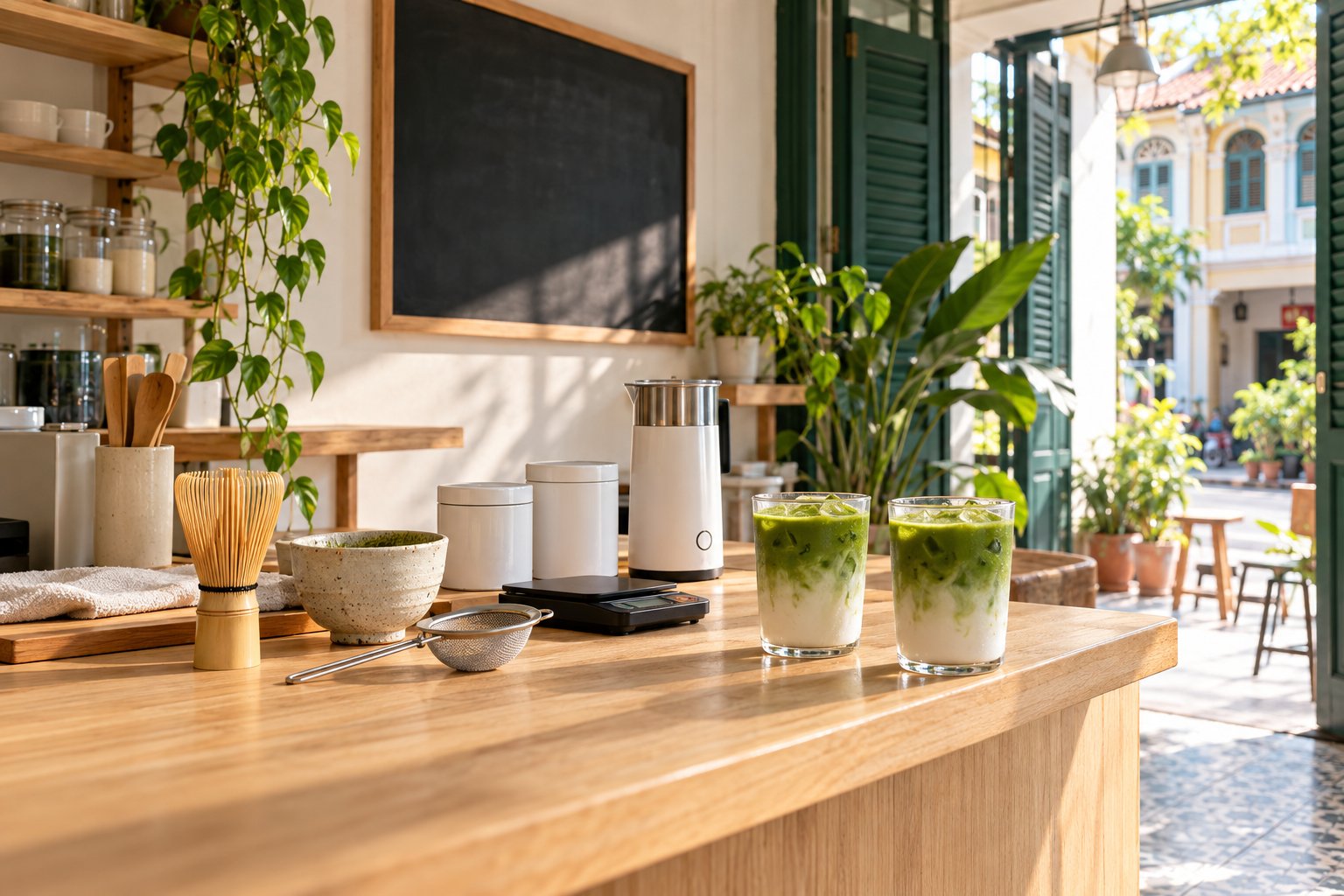
- With lemonade, put the matcha on top of the ice and lemonade, and leave the stirring to the customer
- Put your matcha in your lemonade and photograph the color when freshly made, after 5 minutes and after 15 minutes to decide how long it can be served
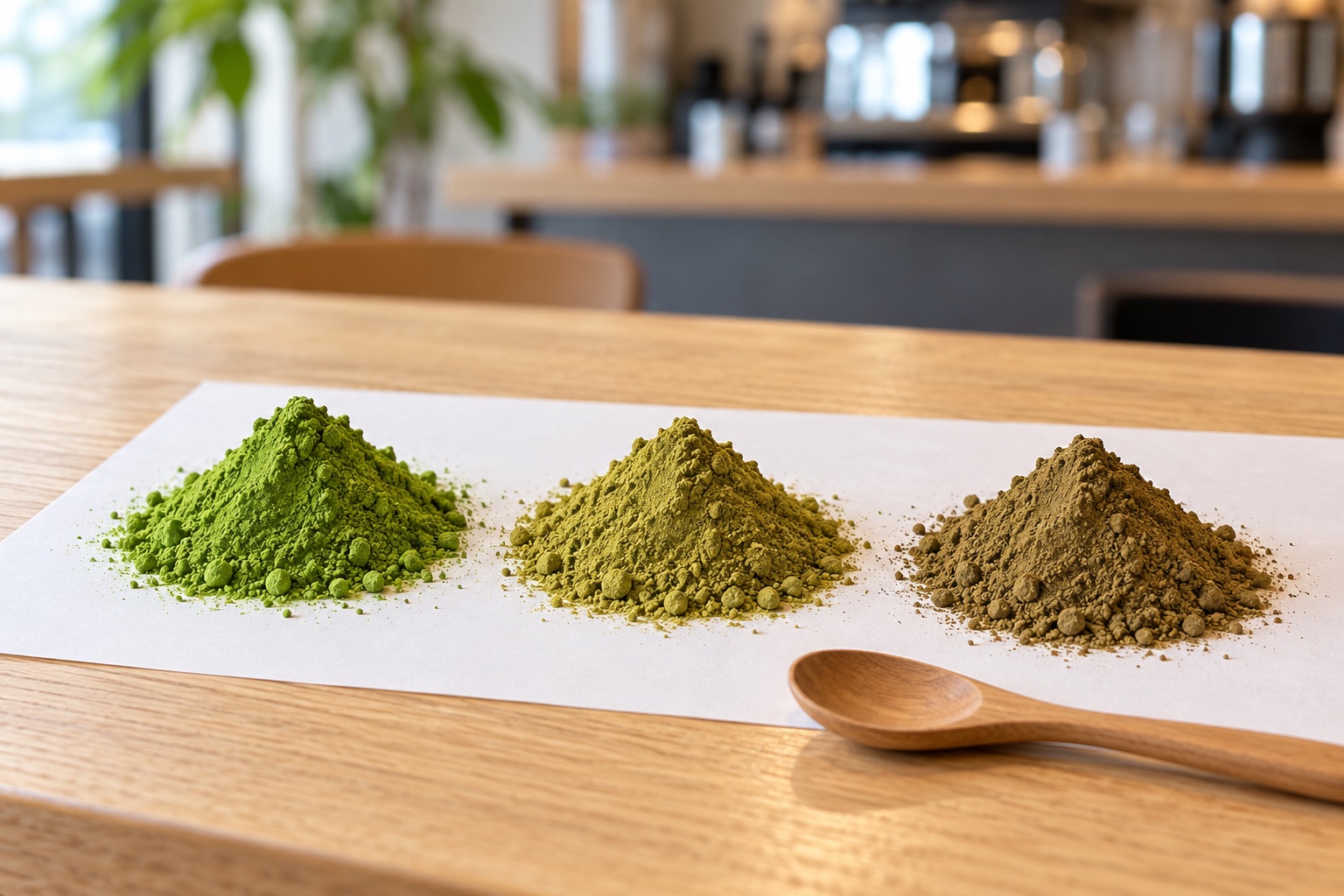
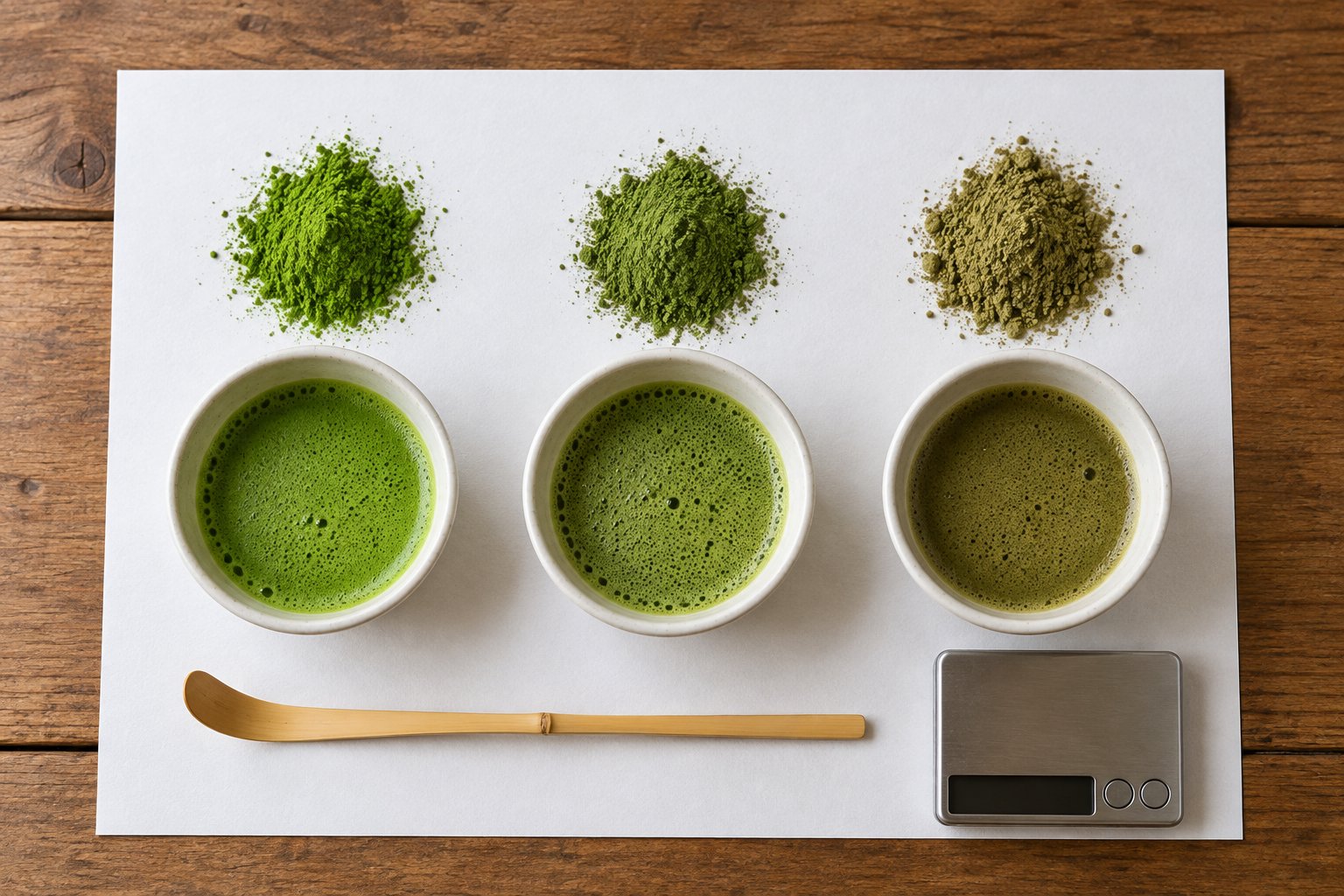
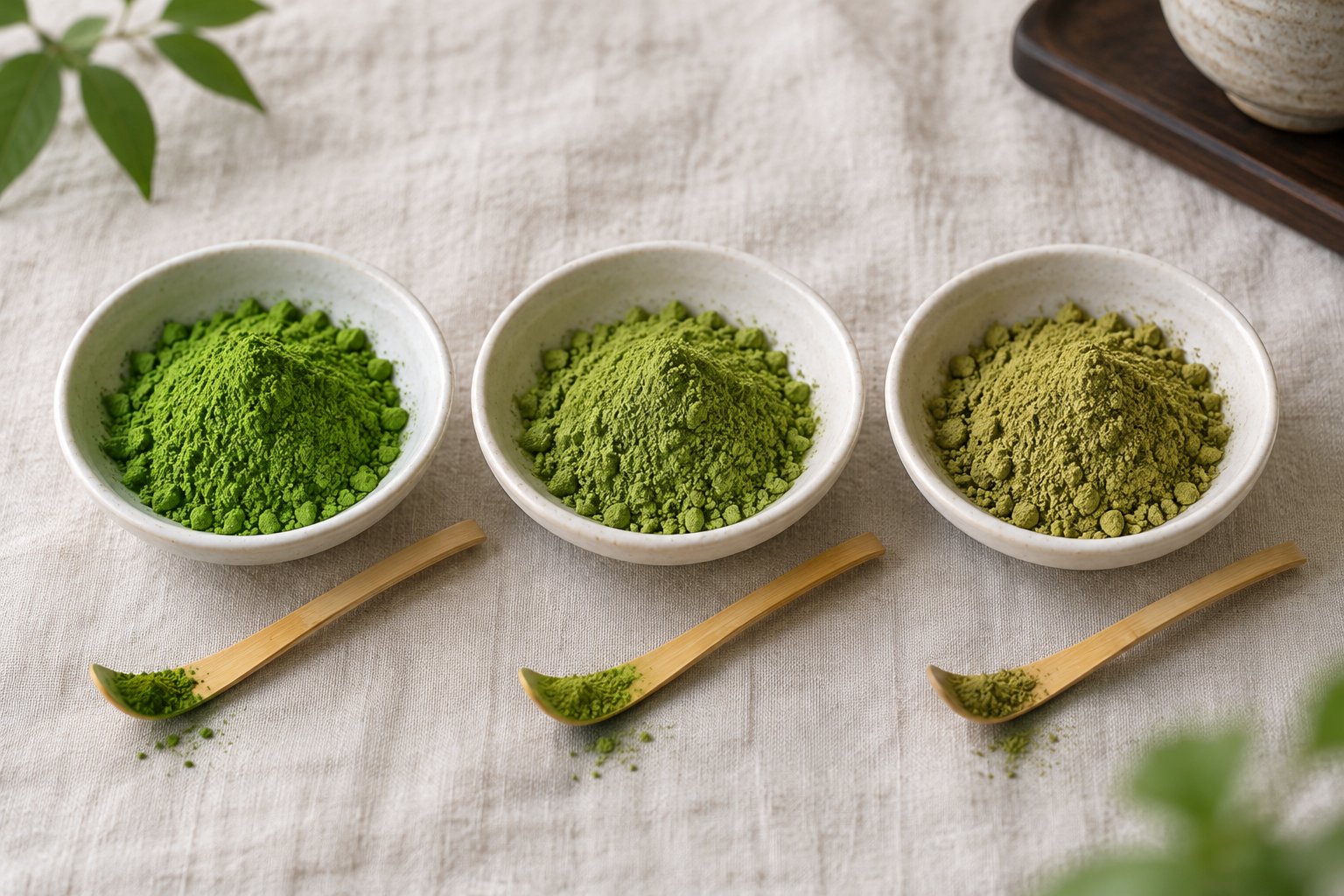
- For menus where you want a strong green, compare different matcha grades side by side in the same recipe to see how well the color holds
Separation, settling, and showing the layers
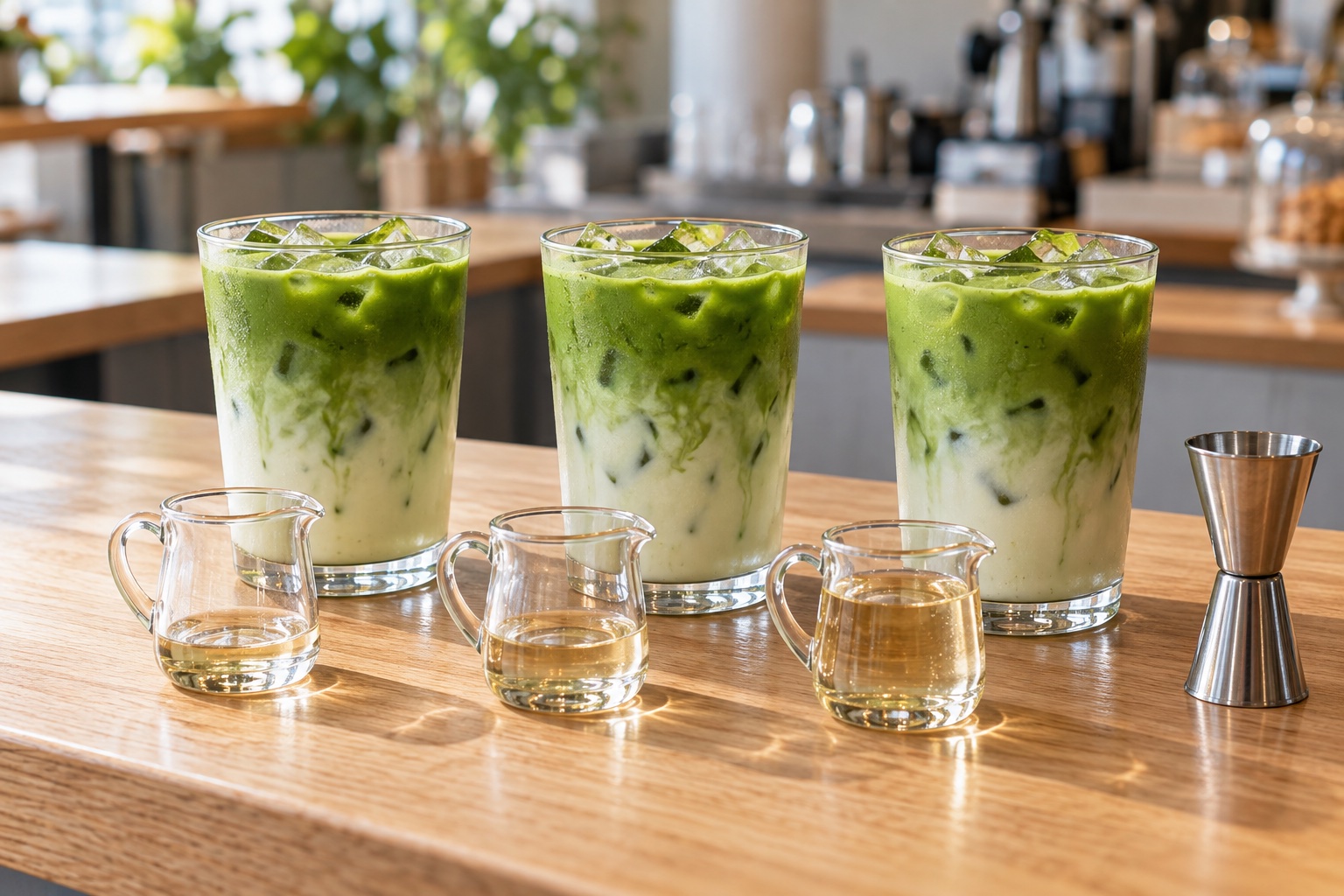
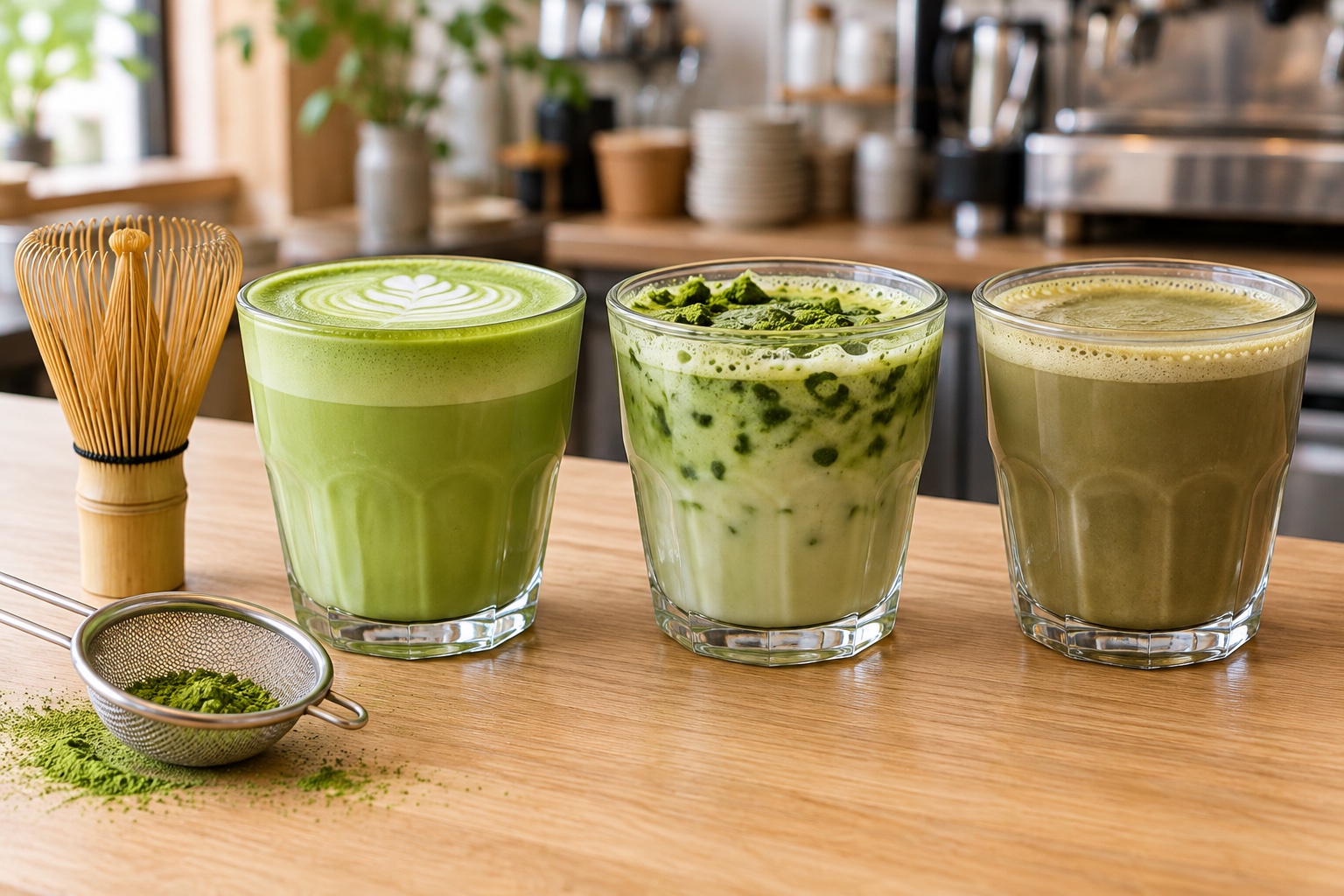
Matcha does not dissolve in water. It is a fine powder floating in the liquid, so it collects at the bottom over time. Even with layered recipes, tell customers to stir before serving or before drinking.
Matcha sinks in liquid
A 2003 study on using matcha in processed foods lists poor suspension in liquid (suspension: the powder staying dispersed and floating in the liquid), color deterioration and high cost as problems with matcha. The same study reports that matcha with finer particles (particle size 3.2µm) settled more slowly in water than regular matcha (11.5µm). Because fineness changes how matcha settles, check how much collects at the bottom of the glass again whenever you change the matcha you buy.
“Stir” in the official recipes
Paper & Tea says to stir gently and drink immediately. For its matcha yuzu soda, Purematcha says the matcha settles a little in the soda, that the layered look is part of the charm, and to stir gently before drinking. Vita Coco says to stir gently after layering if you want the flavors combined, and to drink immediately. T2 Tea adds soda and ice and stirs well before serving.
How to pour layers
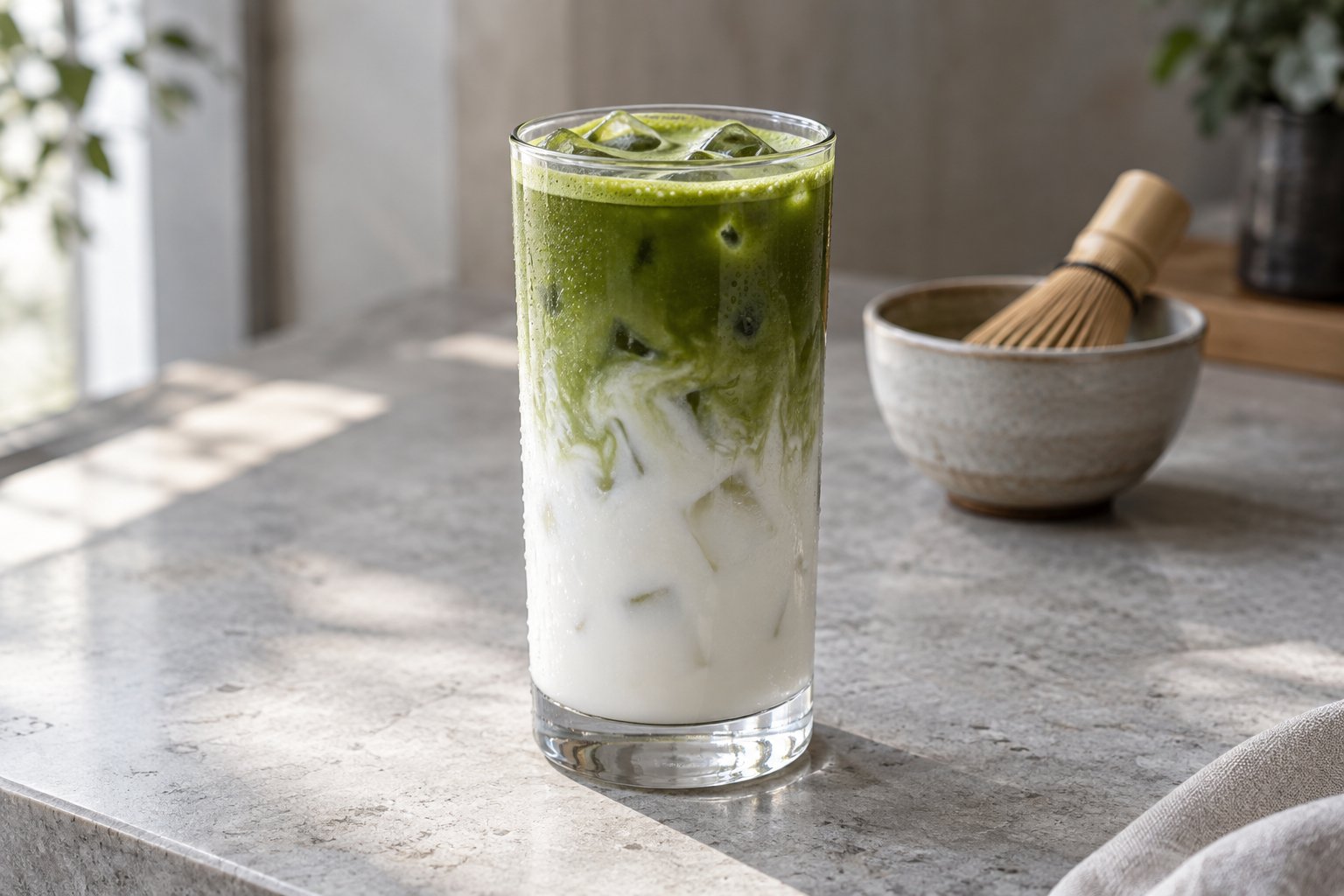
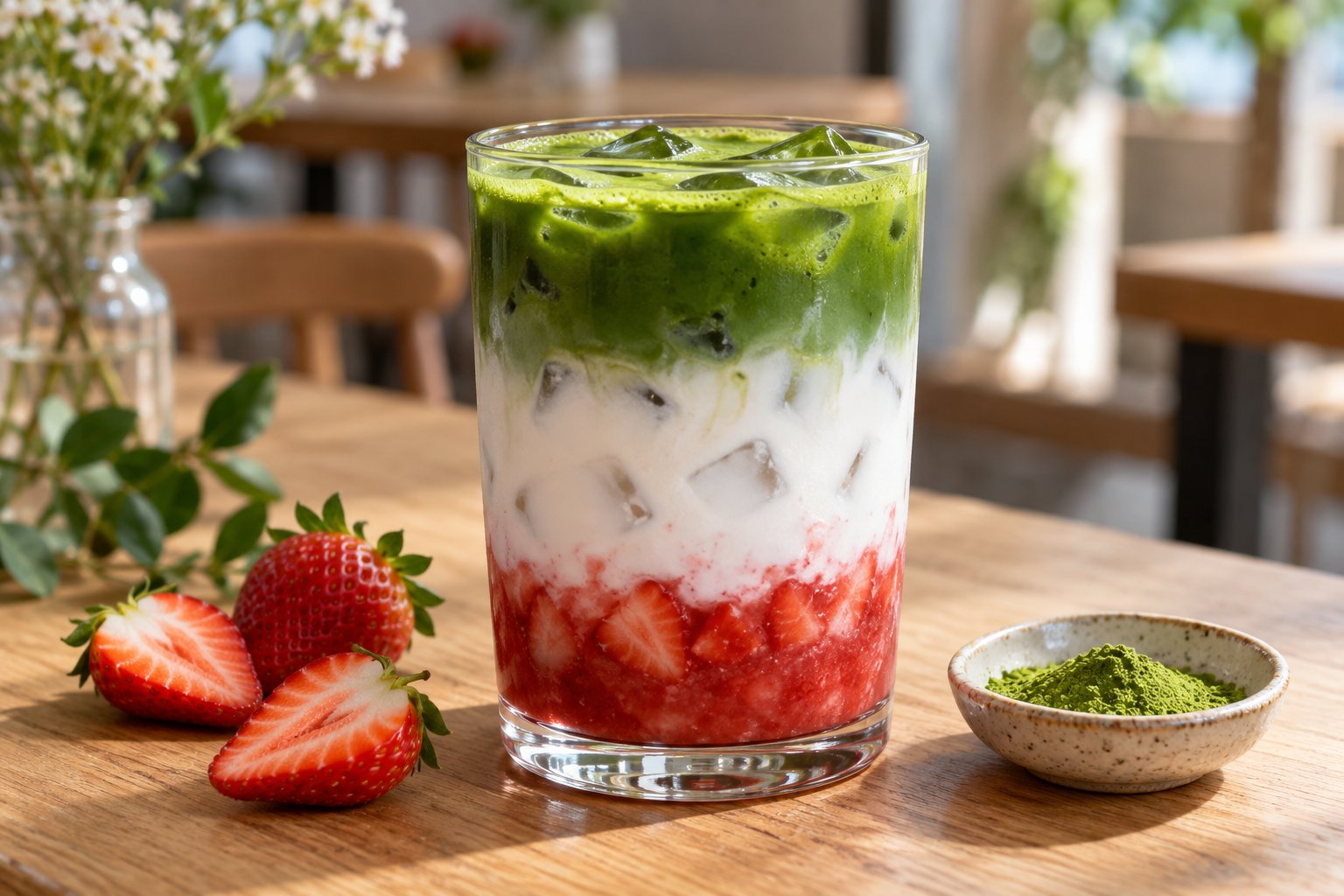
In every official recipe that shows layers, the ice and cold liquid go into the glass first and the matcha dissolved in hot water is poured last. Paper & Tea pours the matcha over a spoon, and Vita Coco pours it carefully. Detailed pouring steps are in “How to pour two layers” in Iced Matcha Latte Recipe, and how to prevent lumps is in “How to prevent lumps” in How to Make Matcha.
What follows is our view. Always serve layered drinks with a straw or stirrer, and tell customers on the menu or at the counter to stir before drinking. If they drink without stirring, matcha powder tends to remain at the end.
Prep in the shop and steps for each order
Dissolve matcha for each order, chill lemonade and syrup bases in advance, and use carbonated drinks opened just before pouring. The following is an example of our steps, based on the official recipes and food safety guides.
Before opening
- Keep the tools for measuring one drink’s matcha (for example 3g) and a tea strainer dry and ready
- Decide the water temperature for dissolving matcha (70–82°C in the official recipes) and prepare it with a kettle that can be set to a temperature
- Write the time on lemonade bases and syrups when you make them, and keep them refrigerated
- Keep coconut water and orange juice in the fridge and take out only what you need
- Keep carbonated water and tonic chilled, and fix the amount per drink with a line on the glass or a measuring cup
For each order
- Weigh and sift the matcha and dissolve it in the set amount of hot water (the less water, the darker the matcha layer)
- Fill a glass with ice and pour in the liquid, such as lemonade or coconut water (add sweetener at this point)
- Pour carbonated drinks gently against the ice (Paper & Tea says to pour the tonic slowly)
- Pour the dissolved matcha over the ice last, and serve with a straw or stirrer
Making drinks ahead
We found no public guideline for how long dissolved matcha keeps. Public guidelines on the temperature of cold foods and how long they can be held after making are in “Can you make it ahead?” in Iced Matcha Latte Recipe. We recommend not making matcha mixed with sour liquids ahead of time, because acid changes the color easily and the carbonation goes flat. To prepare for busy hours, one option is to refrigerate a syrup made by dissolving matcha in sugar water. How to make and store it is in Matcha Syrup Recipe.
Cost per drink
As with a latte, matcha cost per drink is “buying price per kg ÷ 1,000 × grams used per drink.” There is no milk to pay for, but juice, carbonated water, tonic or coconut water costs come in instead.
Matcha per drink
The amount of matcha per drink in the official recipes is as follows. To get the matcha cost per drink, multiply these grams by the price per kg ÷ 1,000. How the price per kg is set is covered in what decides the price of matcha.
| Drink | Matcha |
|---|---|
| Matcha tonic (Paper & Tea) | 3g |
| Matcha yuzu soda (Purematcha) | 3g |
| Matcha coconut (Matchaful) | 4g |
| Matcha coconut (Purematcha, 400ml) | 4g |
In this table, each drink uses 3–4g of matcha, the same as a latte with 3g of matcha or 1g more. The big difference is the cost of the liquid.
Adding the cost of the liquid
Liquid cost is the price per bottle ÷ volume × the amount used per drink.
- Lemonade: divide the cost of lemons, sugar and water by the amount of lemonade made
- Tonic and carbonated water: price per bottle ÷ volume × amount per drink (include anything left over after opening in the cost)
- Coconut water and orange juice: price per pack ÷ volume × amount per drink
Add the cost of ice, cup, lid and straw to get the ingredient cost per drink. How to calculate cost when using a commercial matcha concentrate is in “Cost per drink” in Matcha Syrup Recipe. How to choose a grade to fit your selling price is in How to Choose Matcha for Café Lattes.
What to check when buying and adding it to the menu
Without milk, the color and bitterness of matcha are not hidden, so choose a grade by the color and taste it gives in your shop’s recipe, not by its name. Also check the labels of the liquids you combine it with, including sugar.
Choosing the matcha
On the type of matcha in the official recipes, Paper & Tea and Matchaful specify their own matcha, and ArtfulTea specifies culinary (a grade sold for cooking). Culinary and ceremonial are sellers’ names, and there is no official standard for them. Differences in harvest season and raw material are in Matcha grades, and differences between regions are in Matcha origins.
What follows is our suggestion.
- Make your candidate matcha with your shop’s lemonade and coconut water, each in the same recipe, and line them up
- Compare the color when freshly made and after 15 minutes, and how much collects at the bottom of the glass
- Check whether the bitterness is too strong without milk, with and without sweetener
- Work out the matcha cost per drink and decide together with your selling price
Labels on the liquids
Some tonic waters use quinine as the source of bitterness. US federal regulations state that when quinine is used as a flavor in carbonated beverages, it must not exceed 83 parts per million (as quinine), and the label must prominently declare the presence of quinine, either by using the word “quinine” in the product name or through a separate declaration. Check quinine and sugar on the ingredient labels of the tonic you buy.
In Singapore, drinks made in the shop are also covered by “Nutri-Grade,” a grade for sugar and saturated fat. The grade can change with the amount of lemonade syrup or sweet juice, so fix the amount per drink in grams. The scheme is explained in “Serving in Singapore” in Strawberry Matcha Latte for Cafés. For the caffeine in matcha, see Does Matcha Have Caffeine?.
Adding it to the menu (our suggestions)
- If you start with one drink, choose tonic, which can be served without sweetener, or coconut water, which is naturally sweet
- For drinks served in layers, write “stir before drinking” together with the photo
- Lemon is strongly acidic, so check the color of matcha lemonade from serving until the last sip before putting it on the menu
Omakase Matcha handles matcha sourced from the regions of Uji, Yame, Shizuoka, Kagoshima and Miyazaki. Orders start from 1kg, you can request up to 3 samples, and we can help adjust blends to suit your menu. You can request samples for test batches from samples.
Sources
- Paper & Tea, “Matcha Tonic: The refreshingly bitter green tea trend drink” https://www.paperandtea.com/blogs/journal/matcha-tonic-recipe
- Bird & Blend Tea, “Iced Matcha Lemonade Recipe” https://www.birdandblendtea.com/blogs/recipes/iced-matcha-lemonade-recipe
- The Tea Makers, “Fresh Matcha Lemonade Recipe” https://www.theteamakers.co.uk/blogs/news/fresh-matcha-lemonade-recipe
- Monin US, “Matcha Lemonade” https://monin.us/products/matcha-lemonade
- Monin US, “Matcha Gin & Tonic” https://monin.us/products/matcha-gin-tonic
- T2 Tea, “Matcha Soda Recipe” https://www.t2tea.com/en-bq/blogs/how-to-brew/matcha-soda-recipe
- Purematcha, “Matcha Yuzu Soda Recipe” https://purematcha.com.au/en-us/blogs/matcha-recipes/matcha-yuzu-soda-recipe
- Purematcha, “Iced Matcha Coconut Water Recipe” https://purematcha.com.au/blogs/matcha-recipes/iced-matcha-coconut-water-recipe
- Matchaful, “Recipe: Coconut Water Matcha” https://www.matchaful.com/blogs/the-matchaful-blog/coconut-water-matcha
- Vita Coco, “Coconut Yuze Ade” https://www.vitacoco.com/blogs/recipes/unicorn-cloud
- Florida Department of Citrus, “Florida Orange Juice Matcha Drink” https://www.floridacitrus.org/recipes/florida-oj-matcha-drink/
- ArtfulTea, “Matcha Sunrise Recipe” https://artfultea.com/blogs/tea-recipes/matcha-sunrise-recipe
- Ippodo Tea, “Iced Matcha Latte” https://ippodotea.com/blogs/recipes-to-brew-japanese-tea/iced-matcha-latte
- Herrera, Viera, Roca, “HPLC–MS2 Analysis of Chlorophylls in Green Teas Establishes Differences among Varieties,” Molecules 27(19) (2022) https://pmc.ncbi.nlm.nih.gov/articles/PMC9572584/
- Ambra et al., “The Fate of Chlorophylls in Alkali-Treated Green Table Olives: A Review,” Molecules 28(18) (2023) https://pmc.ncbi.nlm.nih.gov/articles/PMC10534587/
- Yasuda et al., “光照射による緑茶の色と成分の変化” (Changes in the color and components of green tea caused by light irradiation), abstract of the 71st annual meeting of the Japanese Society for Food Science and Technology (2024, in Japanese) https://www.jstage.jst.go.jp/article/aamjsfst/71/0/71_45/_article/-char/ja
- Haraguchi, Imada, Sawamura, “Production and characterization of fine matcha for processed food,” Journal of the Japanese Society for Food Science and Technology 50(10) 468–473 (2003, in Japanese with English summary) https://agris.fao.org/search/en/records/647242e92c1d629bc9792fac
- Clemson University Cooperative Extension, “pH Values of Common Foods and Ingredients” https://www.clemson.edu/extension/food/_files/ph-of-common-foods-table.pdf
- eCFR, “21 CFR 172.575 Quinine” https://www.ecfr.gov/current/title-21/section-172.575