
 Reviewed by: Takahiro Sugiyama (CEO, meguri Inc.)
Cafés that serve matcha lattes use a chasen (茶筅, the Japanese bamboo matcha whisk) many times a day. Because it is made of bamboo, soaking or drying it the wrong way can break the prongs or let mold grow. This guide checks where chasen are made and what types exist using public sources, then covers preparation before use, cleaning, when to replace it, how to rotate several whisks in a café, and plant quarantine when bringing chasen into another country.
What is a chasen?
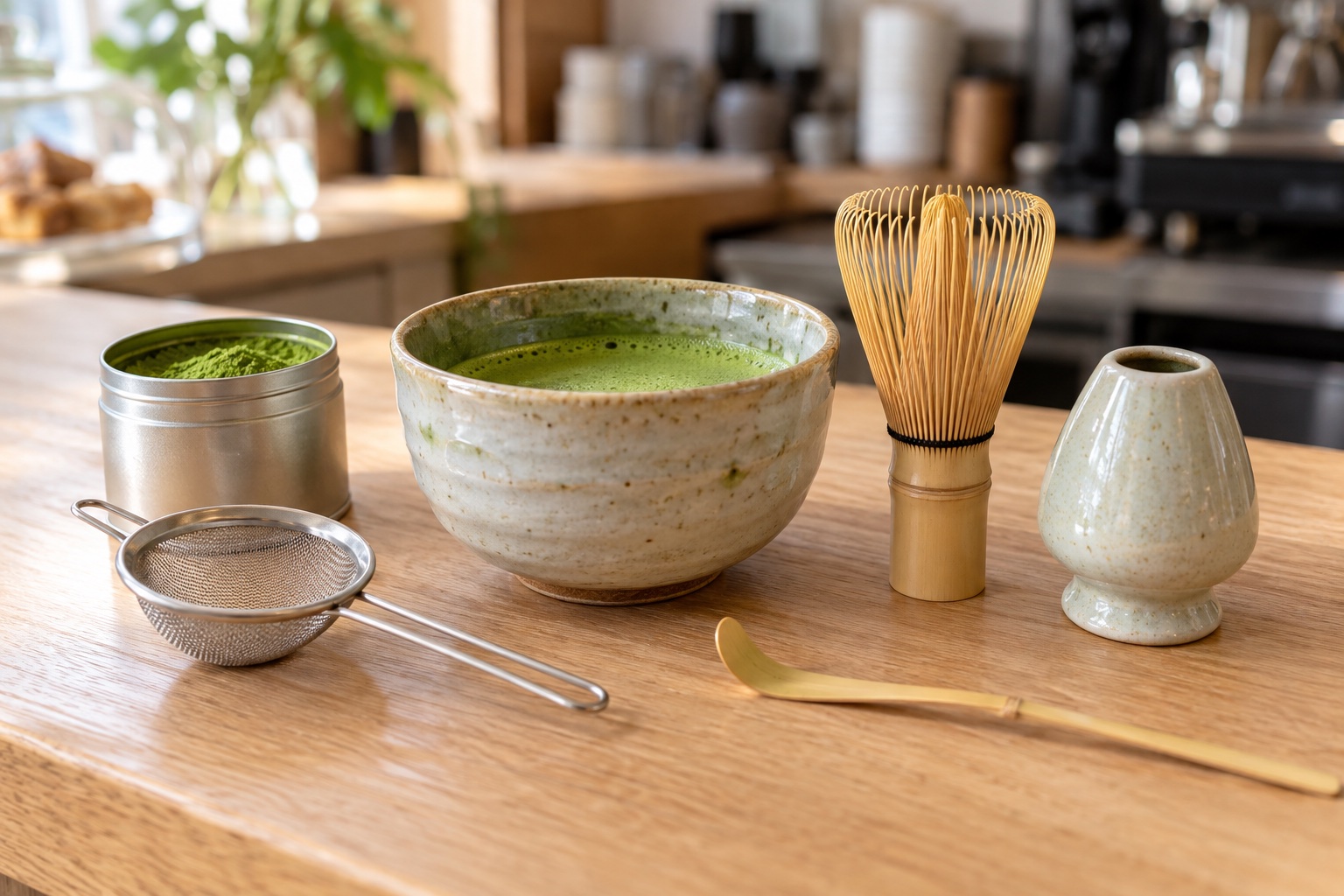
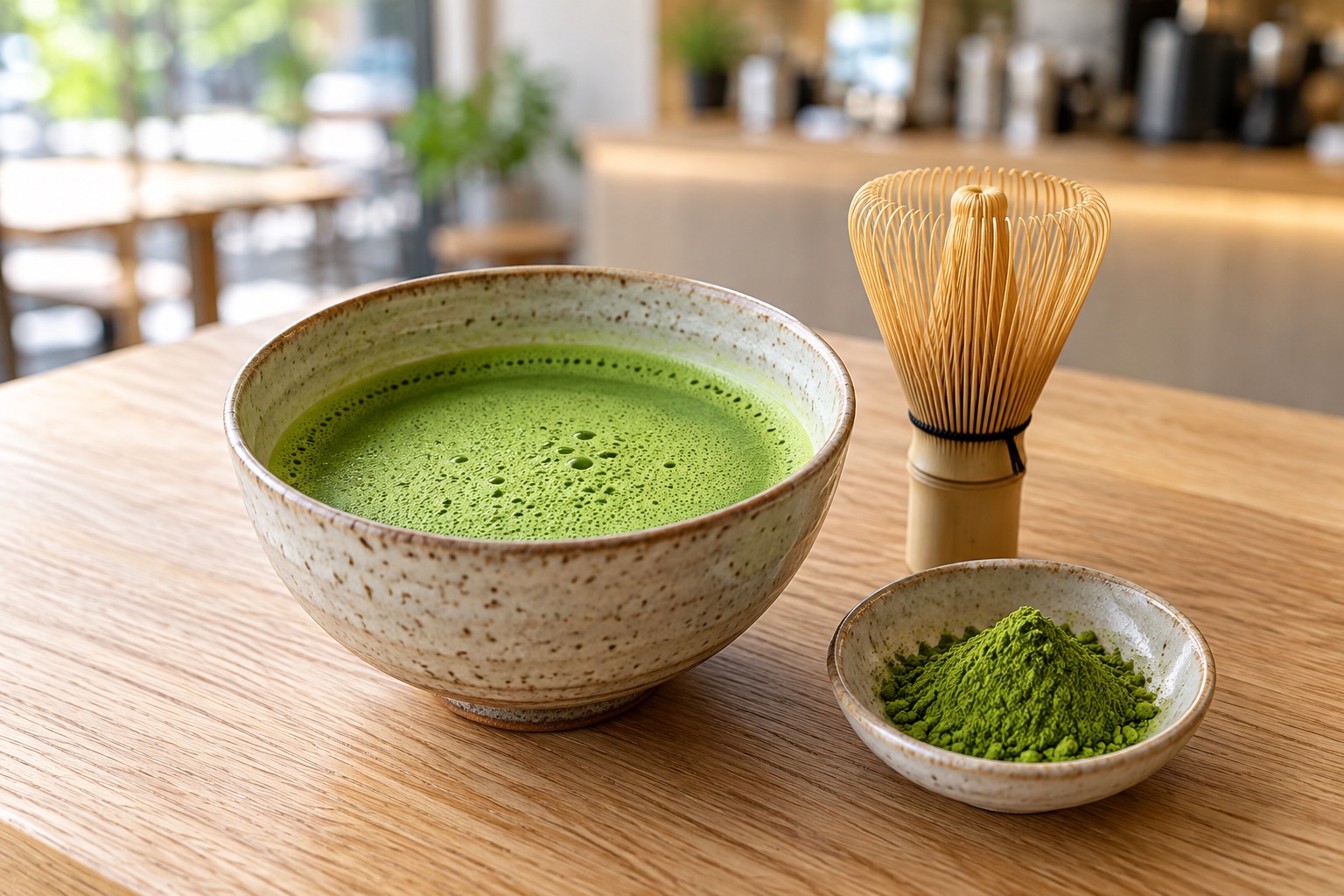
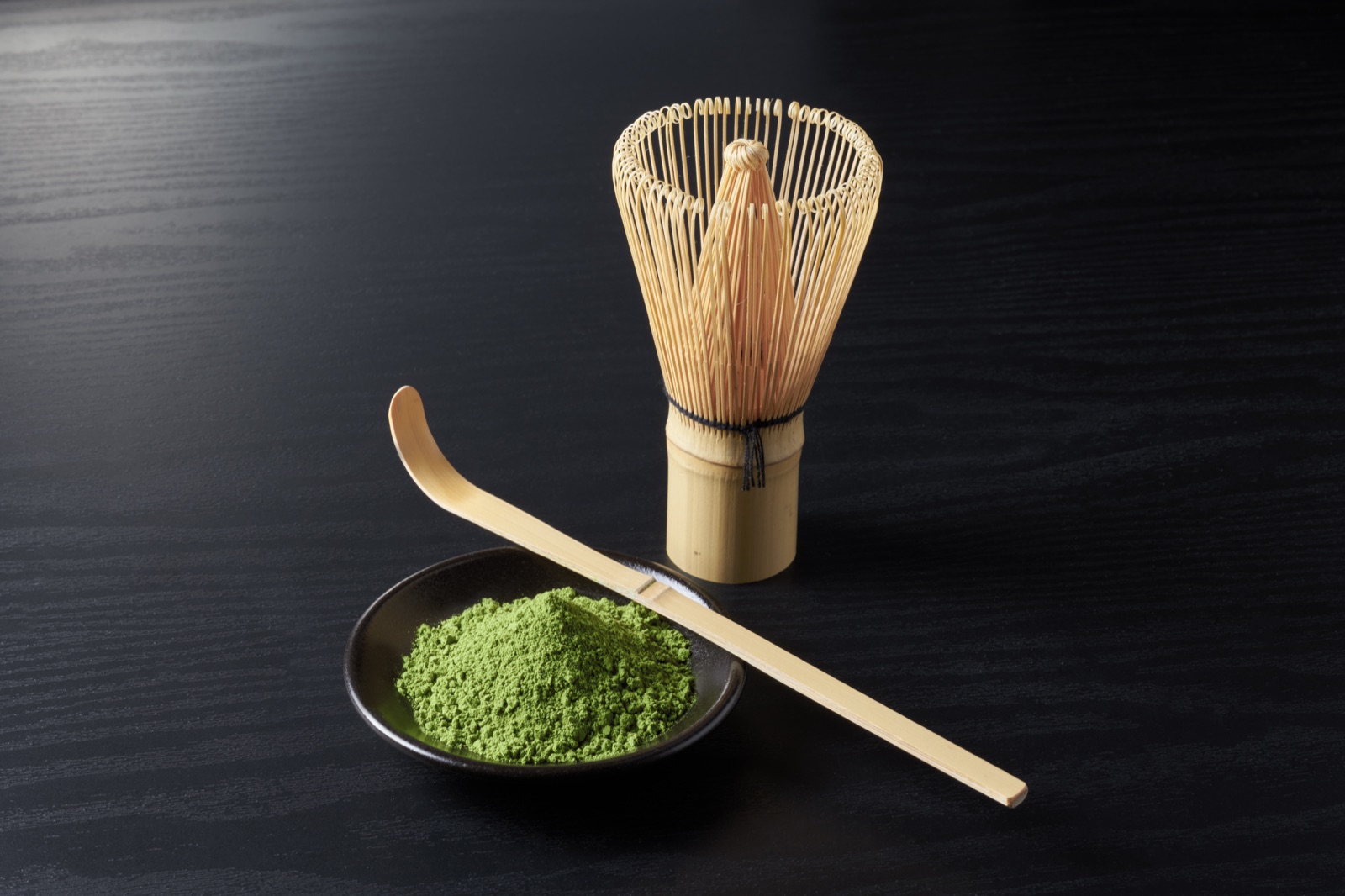
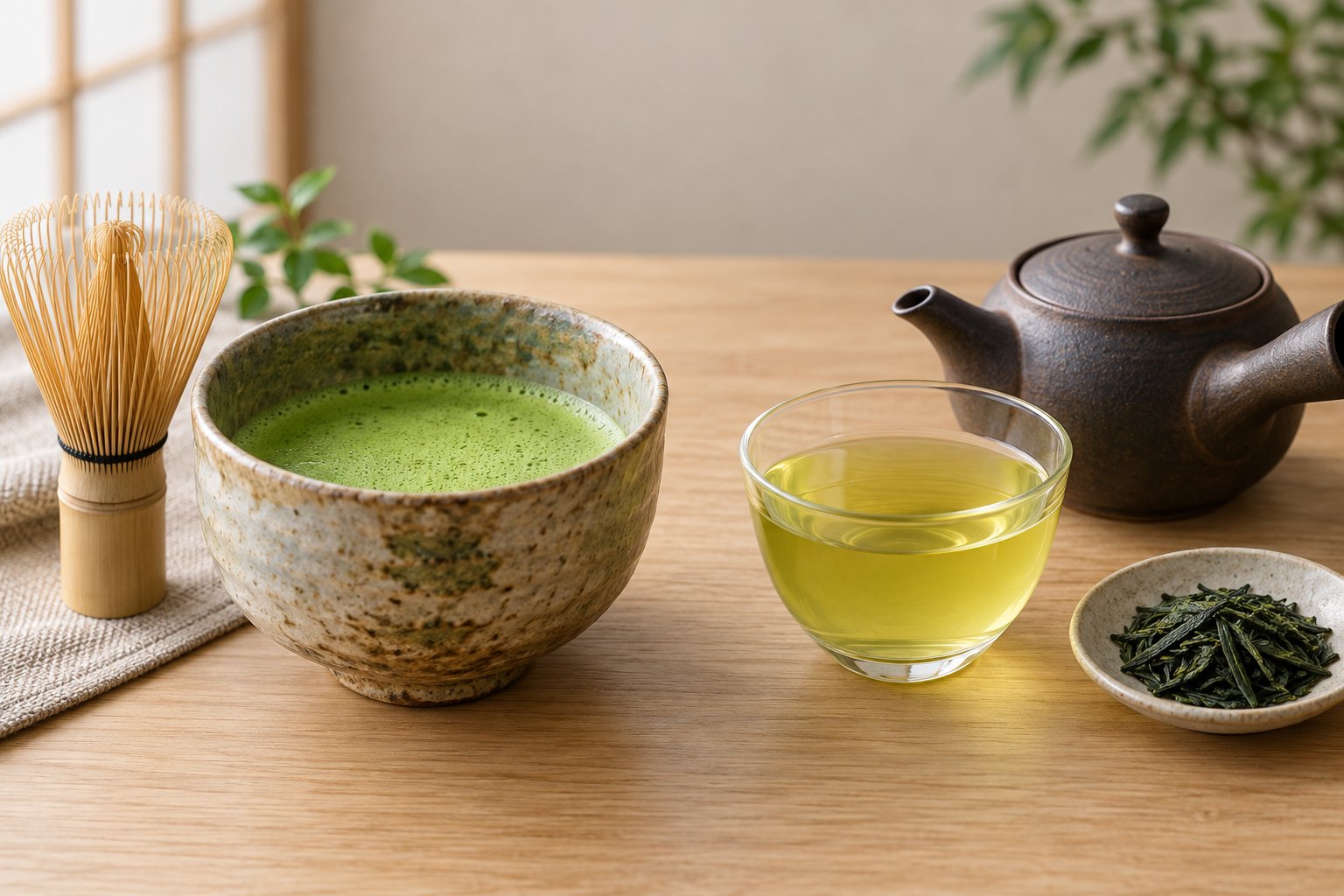
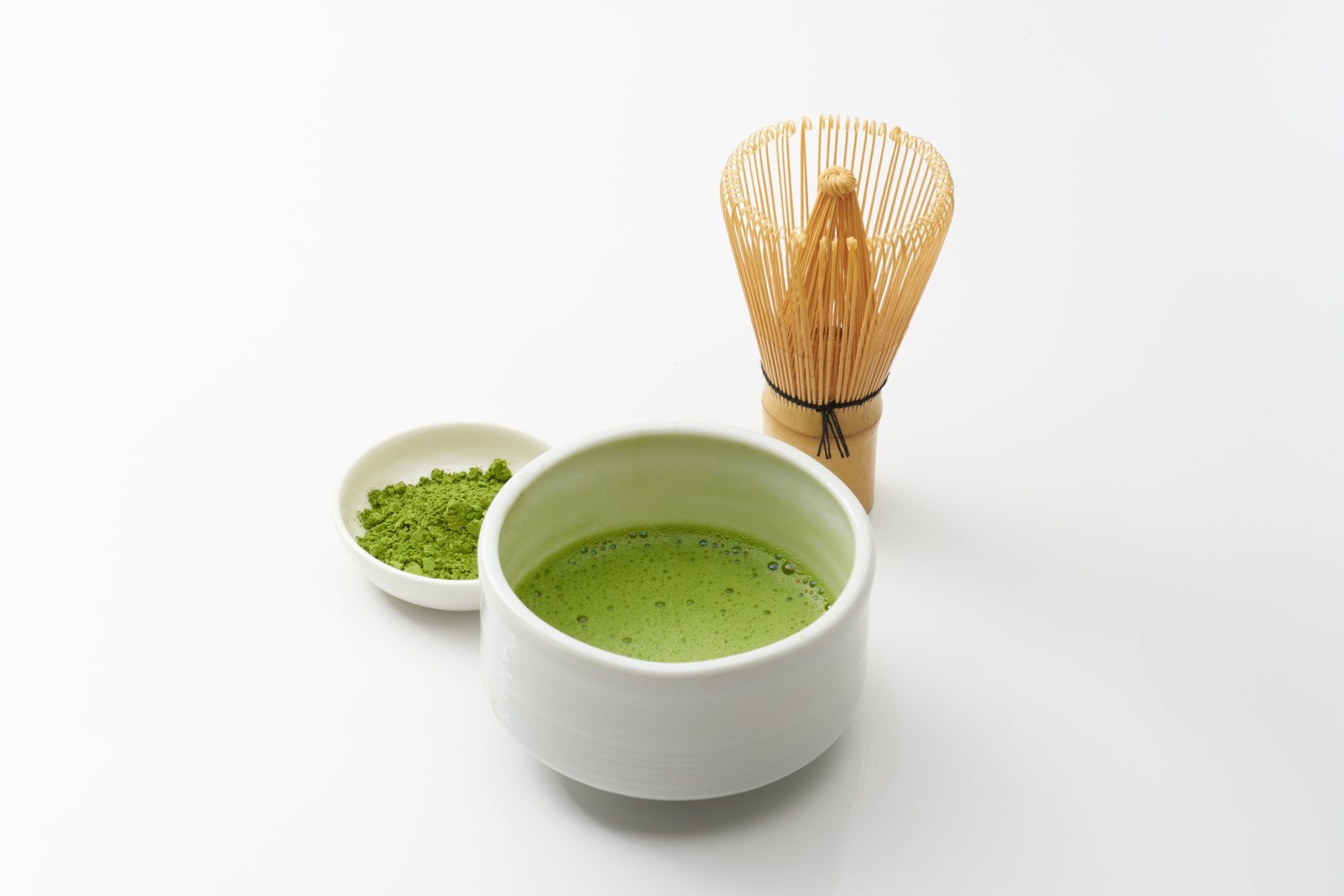
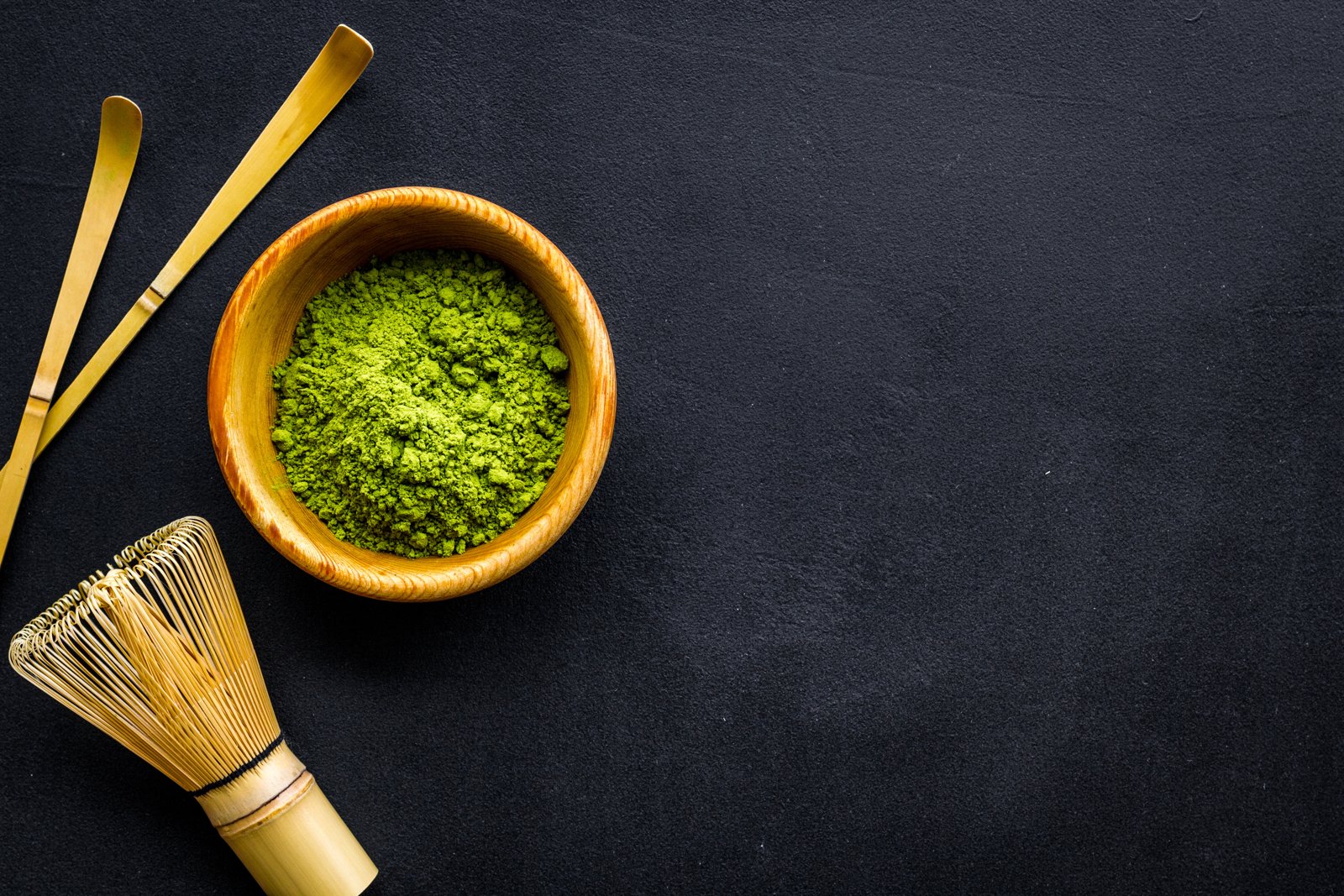
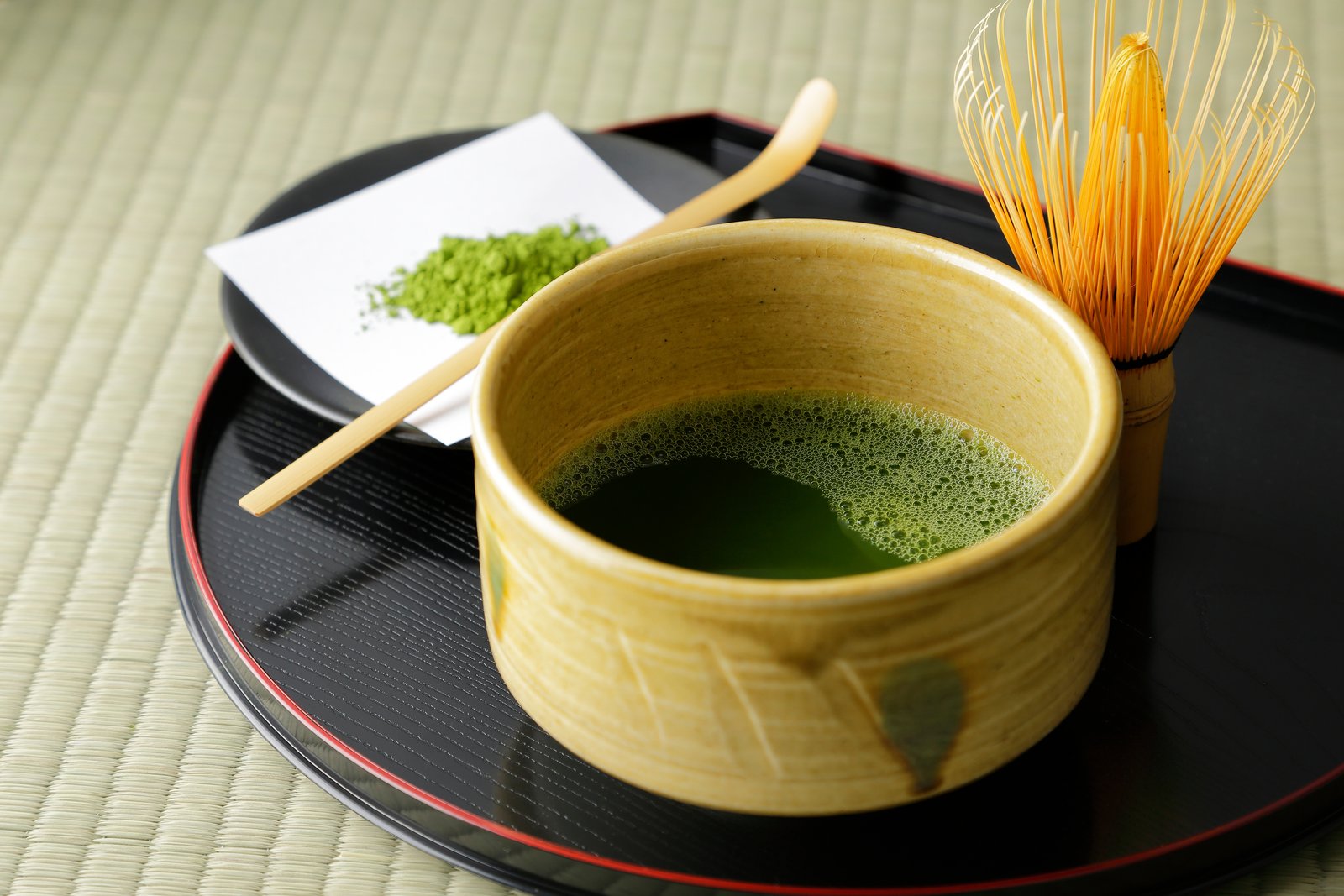
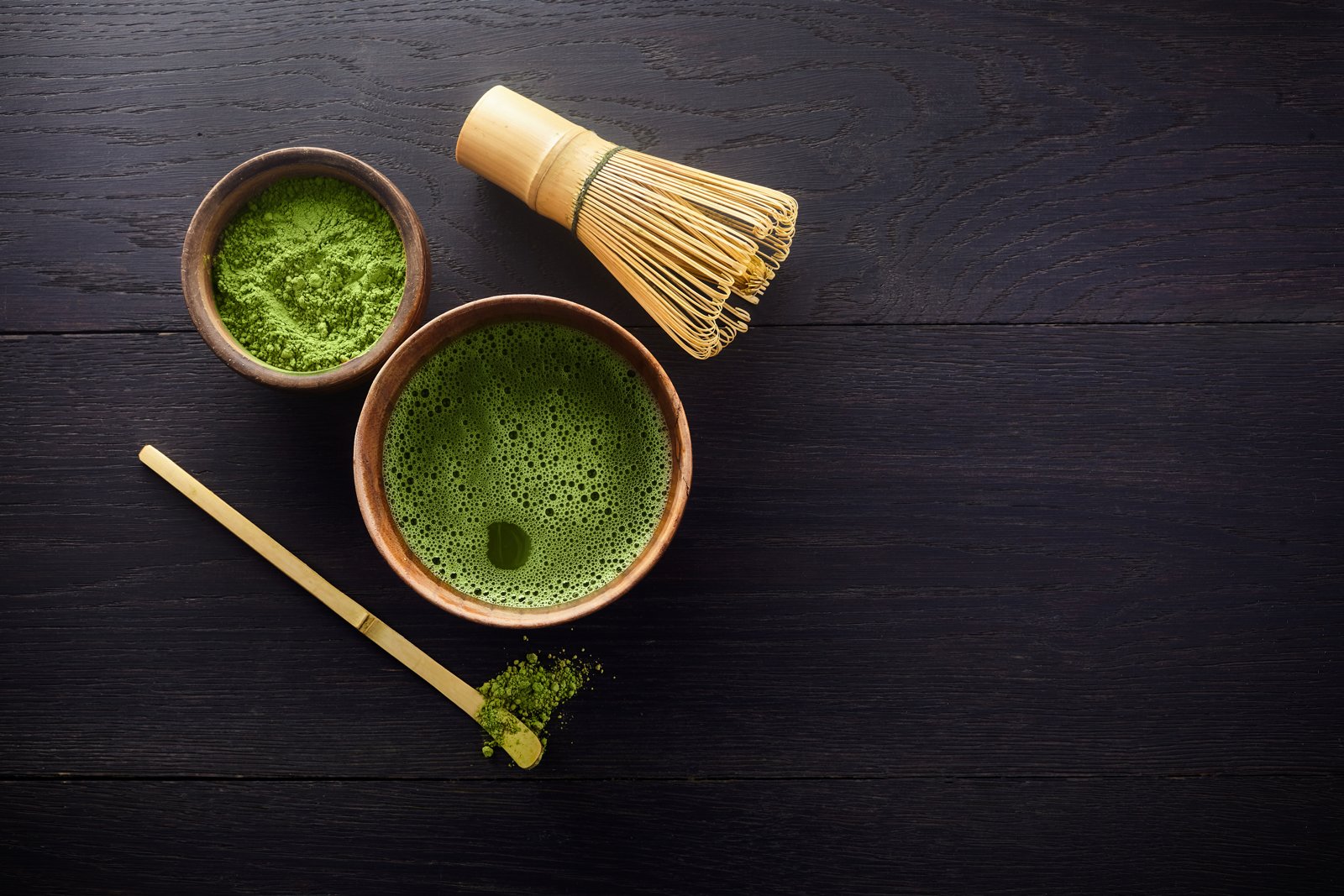
A chasen is a matcha whisk made by splitting the end of a bamboo tube into fine prongs. It is used to mix matcha powder with hot water and to froth it. In English it is called a matcha whisk, or a chasen, using the Japanese word.
Why bamboo
Ippodo Tea, a long-established tea shop in Kyoto, says that after testing alternatives such as metal forks, blenders and modern tools designed for matcha, it concluded that the chasen is still the best tool for whisking matcha. It gives these reasons:
- Bamboo can be whittled into thin prongs, which mix fine matcha powder fully with water
- It is sturdy enough not to break easily and springy enough for quick whisking
- It is soft enough not to damage the bowl
How to whisk is covered in another article
How to hold and move the chasen, and how long to whisk, are covered in How to Make Matcha. This article covers choosing and caring for the chasen itself.
Where it is made: Takayama, Ikoma city, Nara Prefecture
In Japan, chasen are made in Takayama, in Ikoma city, Nara Prefecture. The chasen made there, called Takayama chasen (高山茶筌), are designated as a national traditional craft.
Designation as a traditional craft
Traditional crafts (伝統的工芸品, densan-hin) are crafts made with traditional techniques and materials in a particular region that Japan’s Minister of Economy, Trade and Industry has designated under law. As of 27 October 2025 there were 244 of them. According to the list of the Ministry of Economy, Trade and Industry (METI) and the profile by the Association for the Promotion of Traditional Craft Industries, Takayama chasen was designated on 10 May 1975 (Showa 50). The main production area is Ikoma city, and the main products listed are chasen, art objects and “for frothing coffee.”
| Item | Entry (translated) |
|---|---|
| Craft name | 高山茶筌 (Takayama chasen) |
| Category | Woodwork and bamboo work |
| Main products | Chasen, art objects, for frothing coffee |
| Main production area | Ikoma city |
| Date of designation | 10 May 1975 (Showa 50) |
| Features | There are 120 types of Takayama chasen. The material, shape and number of prongs differ with the tea school and the use: usucha (thin tea), koicha (thick tea), kencha (offering tea), nodate (outdoor tea) and chabako (tea box), among others |
Source: Aoyama Square (Association for the Promotion of Traditional Craft Industries), “高山茶筌” (Takayama chasen, in Japanese) https://kougeihin.jp/craft/0625/
Its origin, and why there is no other production area
According to the association, Takayama chasen began in the middle of the Muromachi period, when the son of the lord of Takayama made one at the request of Murata Juko, the founder of the tea ceremony. For a long time the method was passed only to the heir (isshi soden, passing a secret technique to one child), and it was later passed on to 16 retainers. The association says that Takayama became the only chasen production area in Japan.
Ikoma city also describes Takayama as “the birthplace of the chasen,” and exhibited Takayama chasen at the Expo 2025 Osaka, Kansai. If you want to buy Takayama chasen, confirm the place of production with the seller.
Types: the number of prongs, the bamboo and the shape change with the tea school and the use
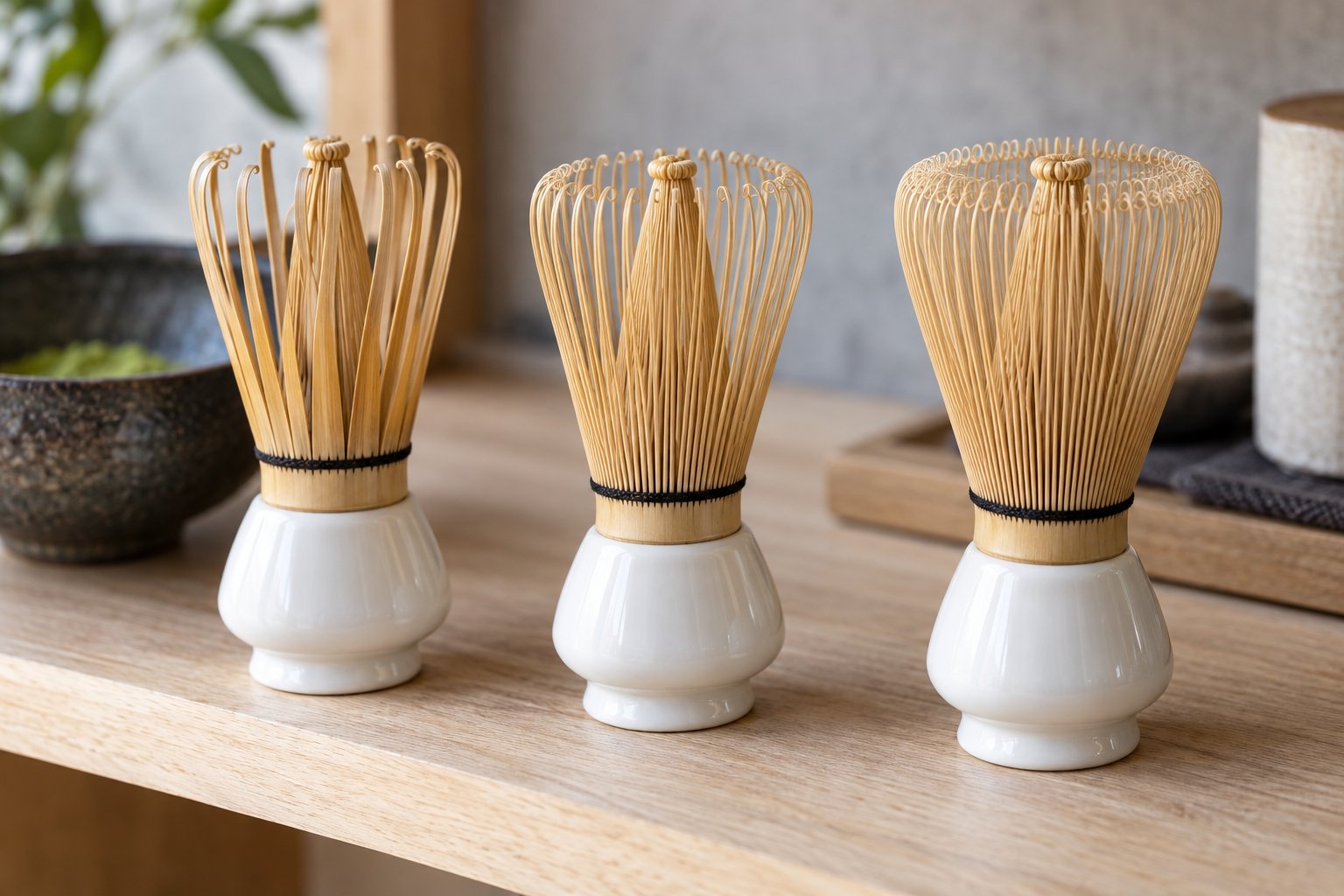
There are 120 types of Takayama chasen, and the material, shape and number of prongs change with the tea school and the use. Uses include usucha (thin tea), koicha (thick tea), kencha (offering tea to a shrine or temple), nodate (an outdoor tea gathering) and chabako (chasen that go into a portable tea box).
How prongs are counted
In a chasen name such as “80-prong” (80本立, 80-hon-date), 80 is not the total number of split prongs but the number of outer prongs that open outward (agari-ho). In the association’s description of the process, for an 80-prong chasen, each of the 16 pieces of split bamboo is split again into an average of 10 strips, making 160, of which 80 become outer prongs.
According to the association, the part that becomes the prongs is split into 60 to 240 strips depending on the school and the use. We could not find any public source that shows how prong-count names correspond to numbers of prongs. Retailers’ explanations give different ranges, so when buying, confirm the number of prongs and the use (usucha or koicha) with the seller.
Bamboo and thread
Takayama chasen, as a traditional craft, has rules on materials.
| Item | Rule |
|---|---|
| Bamboo | Hachiku (henon bamboo), kurochiku (black bamboo) or madake (Japanese timber bamboo) |
| Thread | Cotton thread |
| Splitting | After a shallow split with a small knife, the bamboo is torn by hand along its fibres |
| Finishing the prongs | Aji-kezuri (shaving the prongs thin), shigoki (bending the prongs) and men-fuse |
In the association’s description of the process, hachiku that is 2–3 years old is cut in winter, exposed during the coldest season and stored before use. Aji-kezuri, the step that shaves the prongs thin, is so difficult that it is said to change the taste of the tea.
What to look for when choosing one for a café
From here on, this is our own view. If your café whisks matcha for usucha or lattes, start with a chasen made for usucha. If your shop does not need to follow a tea school’s rules, choose by whether the prongs are even, whether they sit straight on the handle, and where it was made, rather than by the number of prongs. Using a supplier from whom you can keep buying the same model makes it easier to keep your shop’s whisking consistent.
How to use a matcha whisk: preparation before use
Before use, soak the tips in water and warm the chasen together with the bowl. Dry prongs break easily.
Soak in water for 1–2 minutes
Ippodo Tea says to stand the chasen tips-down in a cup of water, and that it is ready to use in a minute or two. The purpose is to make the tips supple so that they break less easily.
In explanatory articles by English-language retailers, the soaking time differs from article to article, from “a few seconds” and “20–30 seconds” to “1–2 minutes” and “2–3 minutes,” and in the articles we read, no source for the time was given. If you set a rule for your shop, use Ippodo Tea’s 1–2 minutes as the baseline and adjust while watching the condition of the prongs.
Warm it together with the bowl
Yamamasa Koyamaen says that warming the bowl and the chasen with hot water makes the chasen supple and easier to whisk with. In a café, filling the bowl with hot water before whisking and standing the chasen in it lets you warm and soak it at the same time.
How to clean a matcha whisk and dry it
Rinse it in water, without soap, soon after use, and dry it outside its case. If matcha powder dries on the prongs, it becomes hard to remove.
How to clean it
Ippodo Tea’s care instructions are as follows.
- Rinse it in water soon after use, before it dries (do not use soap)
- If powder remains on the prongs, gently brush it off with your fingers under the water
- Dry it in a well-ventilated place
| Step | Ippodo Tea’s care instructions |
|---|---|
| When whisking | Dip in water before use to make the tips less brittle (soak for about 1–2 minutes). Rinse in water, without soap, soon after use |
| Clean | Gently remove stuck powder after whisking |
| Dry | Dry in the open air. Leaving it in the case can lead to mold |
| Store | A whisk stand (chasen-tate) holds it in shape as it dries |
| Note | Replace the chasen when the tips are broken. Only use with water and matcha. For lattes, add milk after whisking |
Source: Ippodo Tea, “Chasen (Matcha Whisk) Care” https://ippodotea.com/blogs/recipes-to-brew-japanese-tea/chasen-pointers
Keep the chasen out of milk
Ippodo Tea says to use the chasen only with water and matcha, and to add the milk for a latte after whisking. In a café, keep the tool you use to froth milk separate from the chasen, and do not mix milk with the chasen.
Do not dry it in its case
Ippodo Tea’s chasen are shipped in a protective case. The company says the case is not meant for storage and that the chasen may form mold if kept in it. Until it is dry, do not put it in the case or in a container with a lid.
The matcha whisk holder, storage, and when to replace it
When drying, stand the chasen tips-down on a kusenaoshi (chasen stand) to keep the shape of the prongs. A kusenaoshi is a stand that the chasen rests on.
How to use the whisk holder
Ippodo Tea says to dry the washed chasen in a well-ventilated place, tips-down on a clean whisk stand. Placing it on the stand while it is still wet keeps the shape of the prongs while it dries. This stand is what is called a matcha whisk holder in English.
There are also chasen made of resin rather than bamboo. In November 2025, Yamane-en, a tea shop in Sugamo, Tokyo, released a resin chasen that is made in Japan, is dishwasher-safe and comes with its own kusenaoshi.
Cracks in the handle, and storage
According to Ippodo Tea, changes in humidity where the chasen is stored can cause a crack in the handle. The thread woven at the base of the prongs stops the crack from spreading, so a chasen with a cracked handle can still be used. The company says many of the chasen it uses daily at its stores and tearooms have cracks.
When to replace it
We could not find any public source that gives a time for replacing a chasen in months or number of uses. Explanatory articles by English-language retailers give figures such as “2–4 months,” “6 months to 1 year” and “1–2 years,” but in the articles we read, none of them gave a source.
Ippodo Tea says it is time to replace a chasen when many of the tips are broken and you cannot whisk as easily as before. In a shop, deciding in advance to replace a chasen in the following cases keeps decisions consistent:
- Several tips are broken
- The prongs do not return to their shape when wet
- A smell or black spots remain after washing
How it compares with electric frothers, shakers and electric chasen
We could not find any public data that compares the foam or taste made with a chasen and with electric tools. What decides the difference is the result of actually whisking and comparing in your shop.
Electric chasen are also used in evaluation
A Tea Research Journal paper that explains how matcha quality is evaluated lists the chasen as a tool for evaluation, and says an electric chasen (a tool that moves the prongs electrically) is sometimes used. It does not mention milk frothers (handheld electric whisks for frothing milk).
Choosing tools in a café
From here on, this is our own view.
| Tool | Where it suits | What to check |
|---|---|---|
| Chasen | Whisking matcha in a little hot water, then pouring it into milk or over ice | The time it takes to soak and dry it, and how often it needs replacing |
| Electric chasen or milk frother | Making the same foam quickly at busy times | Compare taste, foam and lumps with matcha whisked with a chasen |
| Shaker | Dissolving the powder well for iced drinks | Compare dissolving it in hot water first and then shaking, with shaking the powder as it is |
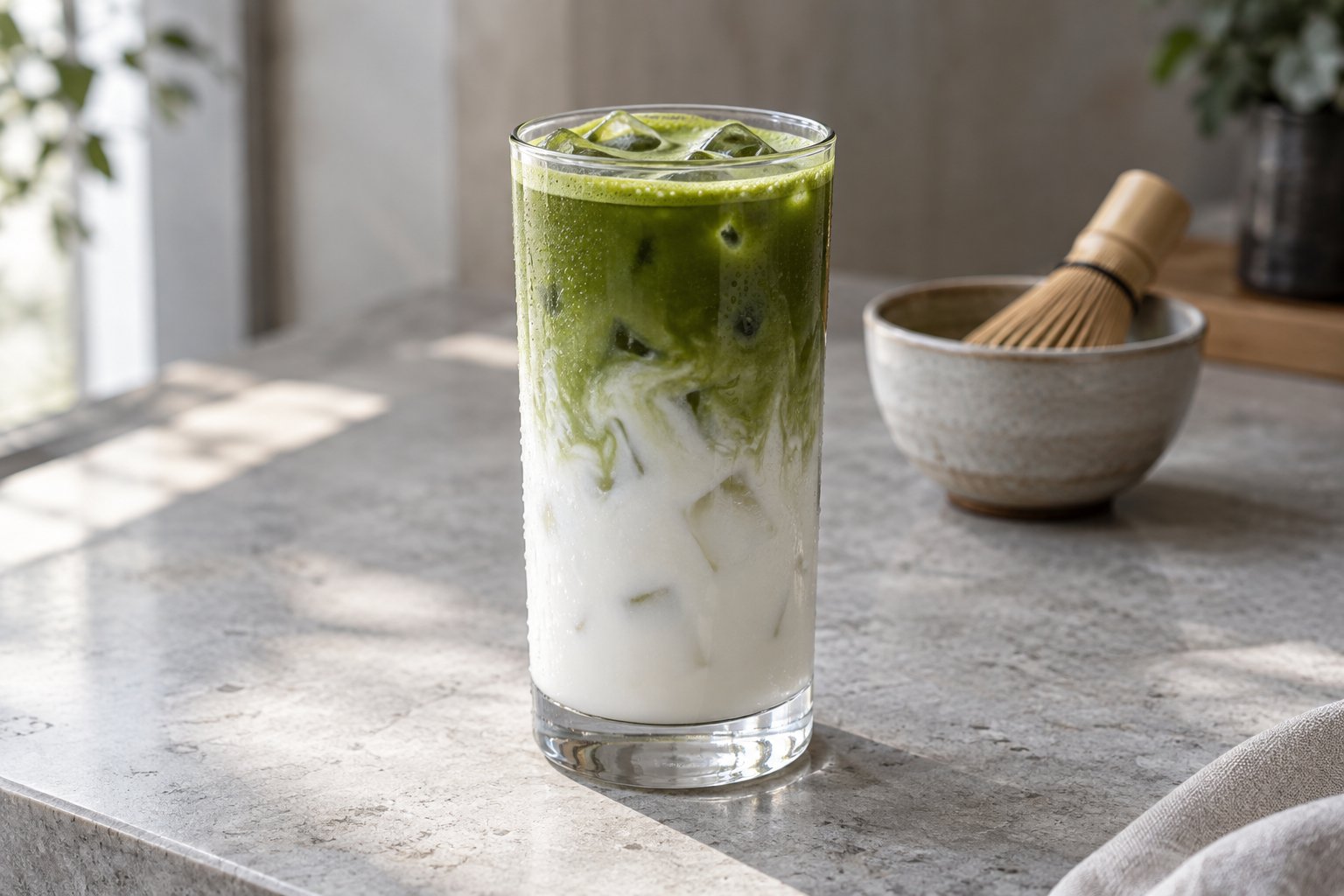
When we compared official iced matcha latte recipes from long-established tea shops and manufacturers, none put the powder directly into cold milk; Ippodo Tea and Ito En both dissolve the matcha in a little hot water first, then pour it into the milk. The details are in How to Make an Iced Matcha Latte.
Rotating several whisks in a café
Ippodo Tea says to dry a used chasen in a well-ventilated place. If you use one chasen all day, there is no time to dry it. What follows is our own example of how to run this, based on Ippodo Tea’s care instructions.
Deciding how many you need
- Separate the chasen in use during opening hours from the ones that are drying, and do not keep using the same chasen through the day without a rest
- Have enough for the number you use at busy times, plus the ones drying and a spare
- Use the same model (number of prongs, bamboo and place of production), so that the foam is the same whichever chasen you whisk with
A day’s routine
- Before opening: soak the chasen you will use that day in water for 1–2 minutes. Warm them with the bowls in hot water
- During service: rinse with hot water after every cup so no powder remains. Do not put the chasen in milk
- After closing: rinse in water, remove powder with your fingers, and dry them on kusenaoshi in a well-ventilated place
- The next day: check whether the chasen used the day before are dry; if not, use the ones that have been resting
What to check together with the matcha
Even with consistent chasen care, changing the grade or grinding method of the matcha can change the foam and colour. How to choose matcha for lattes is covered in How to Choose Matcha for Café Lattes, and the differences between grades in Matcha grades. Omakase Matcha does not sell chasen, but it supplies matcha from the origins of Uji, Yame, Shizuoka, Kagoshima and Miyazaki from 1kg, and you can try it with three samples.
What to check when importing: plant quarantine in Singapore and Thailand
Because a chasen is made of bamboo, some countries may treat it as subject to plant quarantine (inspection to keep plant pests and diseases out of the country). However, we could not find any official source, for either Singapore or Thailand, that clearly states whether a processed bamboo product such as a chasen needs a phytosanitary certificate.
Thailand
A 2007 notification of Thailand’s Ministry of Agriculture and Cooperatives lists bamboo of the genus Bambusa (Bambusa spp.), among plants of the grass family, as a “restricted article” in all its parts. Under a notification of Thailand’s Department of Agriculture (DOA), restricted articles must be imported through a plant quarantine station with a phytosanitary certificate issued by an authority of the exporting country.
Hachiku, kurochiku and madake, the bamboos set as materials for Takayama chasen, are not named in this list. However, the same DOA notification says that “non-prohibited articles,” which are neither prohibited nor restricted, must also come with a phytosanitary certificate, so not being on the list does not mean a certificate is not needed. Also, in the summary of Thailand’s conditions compiled by Japan’s Plant Protection Station, the examples of items that need a phytosanitary certificate include “other plant products such as dried persimmons, cotton and tatami,” so there are cases where processed items need one. Before importing chasen for use in your shop, check with Thailand’s DOA or your customs broker, telling them the item and the type of bamboo.
Singapore
In Singapore, imports of plants and plant products are managed by the National Parks Board (NParks). NParks says its import requirements apply to individual hobbyists, researchers and commercial traders, and asks importers to check the requirements for each type of item on its official site. Its categories by item (ornamental plants, cut flowers, fresh produce and so on) have no entry for bamboo products, so before importing, check with NParks, telling them that the item is a chasen, the bamboo it is made from and how it is processed. The procedure for importing matcha itself is covered in How to Import Matcha into Singapore.
On the sending side in Japan
Japan’s Plant Protection Station inspects plants and articles being exported to check that they meet the conditions required by the importing country. If the destination country requires a certificate, consult the Plant Protection Station before export. Even when you send chasen in the same shipment as matcha, check how the chasen will be handled separately from the documents for the matcha.
Sources
- Ministry of Economy, Trade and Industry (METI), “伝統的工芸品” (Traditional crafts, in Japanese) https://www.meti.go.jp/policy/mono_info_service/mono/nichiyo-densan/index.html
- Ministry of Economy, Trade and Industry (METI), “国が指定した伝統的工芸品244品目(2025年10月27日時点)” (The 244 nationally designated traditional crafts, as of 27 October 2025, in Japanese) https://www.meti.go.jp/policy/mono_info_service/mono/nichiyo-densan/xlsx/list_20251027.xlsx
- Aoyama Square (Association for the Promotion of Traditional Craft Industries), “高山茶筌” (Takayama chasen, in Japanese) https://kougeihin.jp/craft/0625/
- Ikoma City, press conference material “高山茶筌の匠の技、日本酒ペアリング、幻想的な夜の茶会” (Takayama chasen craftsmanship, sake pairing and a night tea gathering, 29 July 2025, in Japanese) https://www.city.ikoma.lg.jp/cmsfiles/contents/0000038/38735/20250729_04_.pdf
- Ikoma City, press release “生駒市が全国に誇る『高山茶筌』小学校への茶道体験事業を実施します” (Tea ceremony lessons on Takayama chasen at elementary schools, 31 May 2017, in Japanese) https://www.city.ikoma.lg.jp/cmsfiles/contents/0000010/10081/20170531PR_sadou_taiken.pdf
- Ippodo Tea, “Chasen (Matcha Whisk) Care” https://ippodotea.com/blogs/recipes-to-brew-japanese-tea/chasen-pointers
- Ippodo Tea, “All About the Chasen - Matcha’s Most Important Tool” https://ippodotea.com/blogs/ippodo-tea-blog/all-about-the-chasen
- Yamamasa Koyamaen, official site (how to make matcha, in Japanese) https://www.yamamasa-koyamaen.co.jp/enjoy/2019/post/
- Yamane-en, “抹茶用 ふげつ樹脂茶せんの販売を開始いたしました” (Release of the Fugetsu resin chasen for matcha, PR TIMES, 28 November 2025, in Japanese) https://prtimes.jp/main/html/rd/p/000000112.000063005.html
- Tea Research Journal No. 134 (2022), “抹茶の審査について” (Sensory Evaluation of Matcha, in Japanese) https://www.jstage.jst.go.jp/article/cha/2022/134/2022_31/_pdf
- Thailand Ministry of Agriculture and Cooperatives, notification on restricted articles under the Plant Quarantine Act (B.E. 2550, in Thai) https://assets.ippc.int/static/media/files/reportingobligation/2017/03/01/restriced_articles.pdf
- Thailand Department of Agriculture, notification on rules, procedures and conditions for importing or bringing in transit prohibited, restricted and non-prohibited articles (B.E. 2551, in Thai) https://assets.ippc.int/static/media/files/reportingobligation/2017/03/01/importation_or_bringing_in_transit_of_prohibited_restricted_and_unprohibited_articles.pdf
- Plant Protection Station, “各国の検疫条件 タイ王国” (Quarantine conditions by country: Thailand, in Japanese) https://www.maff.go.jp/pps/j/search/ekuni/as/thailand/index.html
- Plant Protection Station, “各国の検疫条件 シンガポール共和国” (Quarantine conditions by country: Singapore, in Japanese) https://www.maff.go.jp/pps/j/search/ekuni/as/singapore/index.html
- NParks, “Import of plants or plant products” https://www.nparks.gov.sg/services/import-plant-plant-products
- NParks, “Check plant health import requirements” https://www.nparks.gov.sg/services/import-plant-plant-products/check-plant-health-requirements
- Plant Protection Station, “輸出植物検疫” (Export plant quarantine, in Japanese) https://www.maff.go.jp/pps/j/introduction/export/index.html