
 Reviewed by: Takahiro Sugiyama (CEO, meguri Inc.)
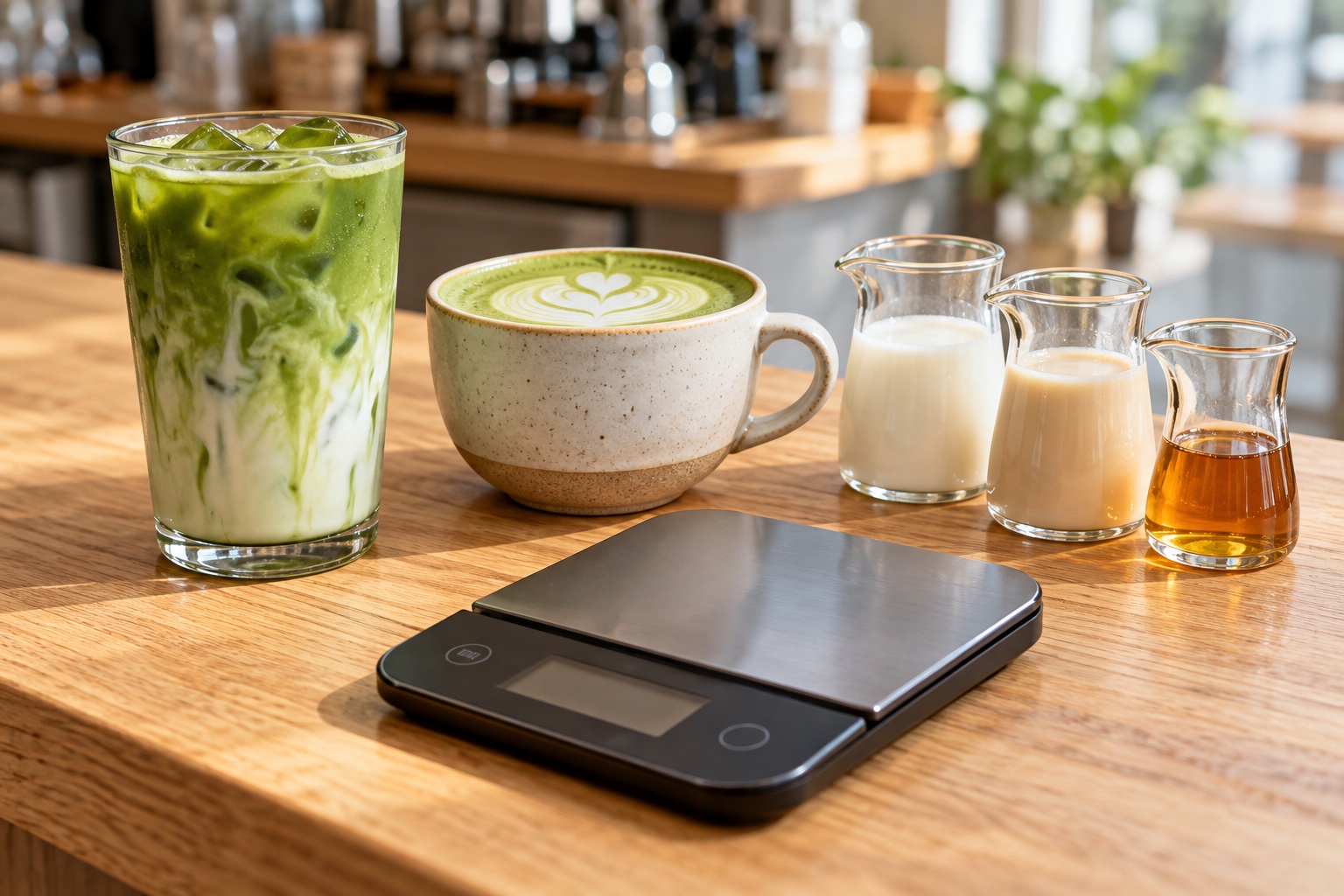
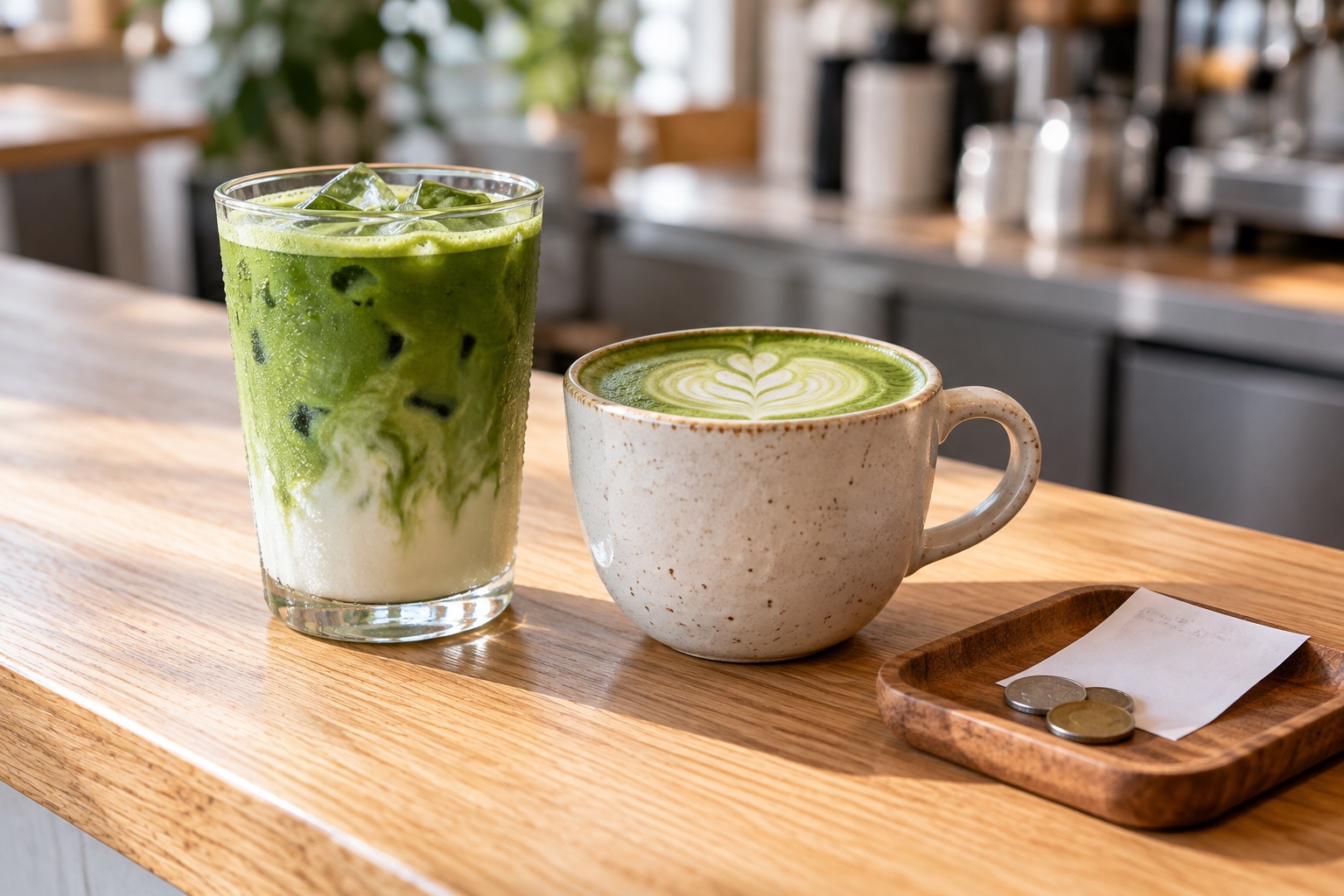
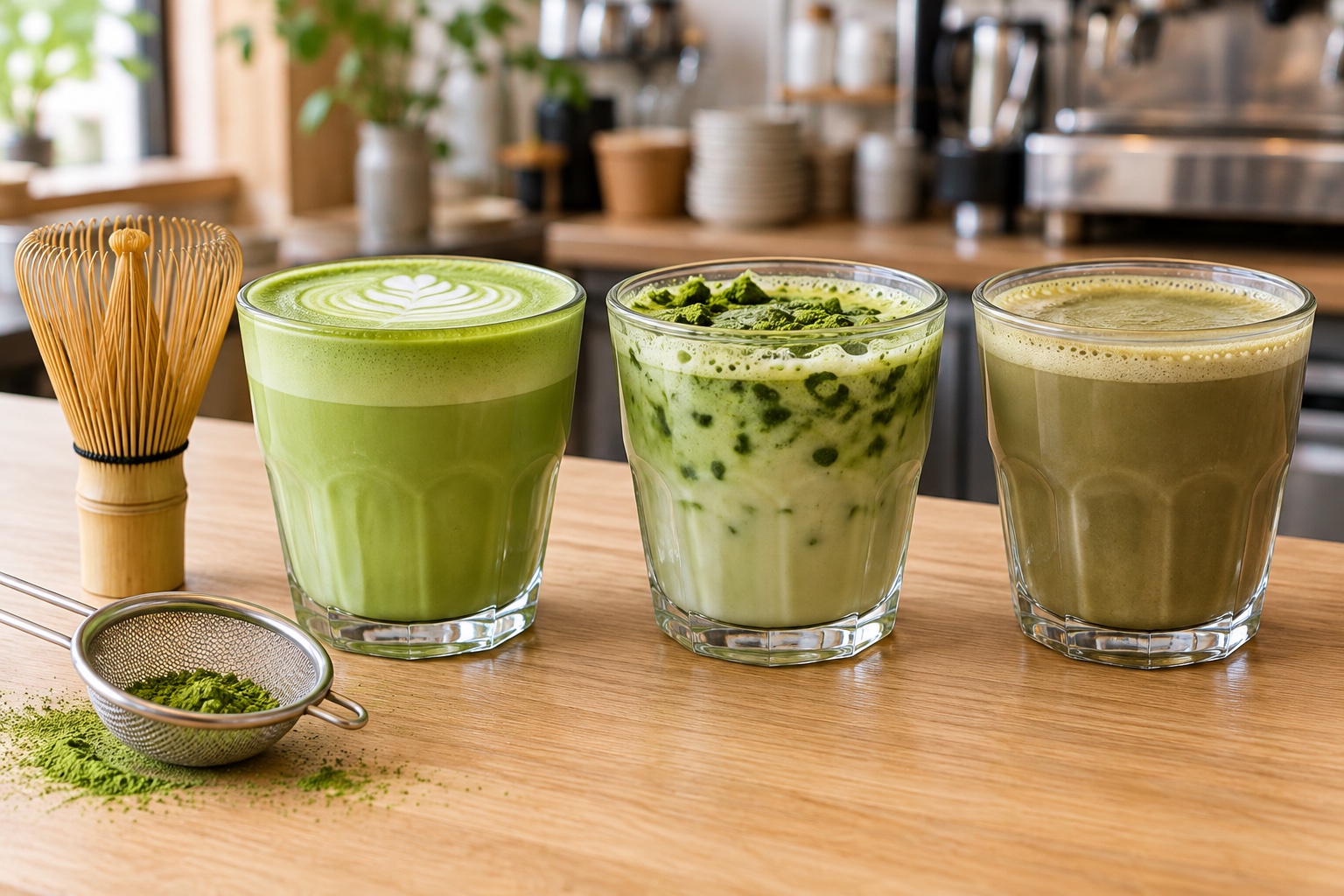
A hot matcha latte has only a few ingredients (matcha, water and milk), so the amount of matcha, how you dissolve it and the milk temperature make a big difference to the taste and the look. This guide compares the recipes published by long-established Kyoto tea shops, tea companies in Japan and the US, and Japan’s Ministry of Agriculture, Forestry and Fisheries (MAFF), then covers dissolving the matcha, heating and foaming the milk, latte art, adding sweetener and the cost per cup, as a routine you can repeat every day in a café.
What is a matcha latte
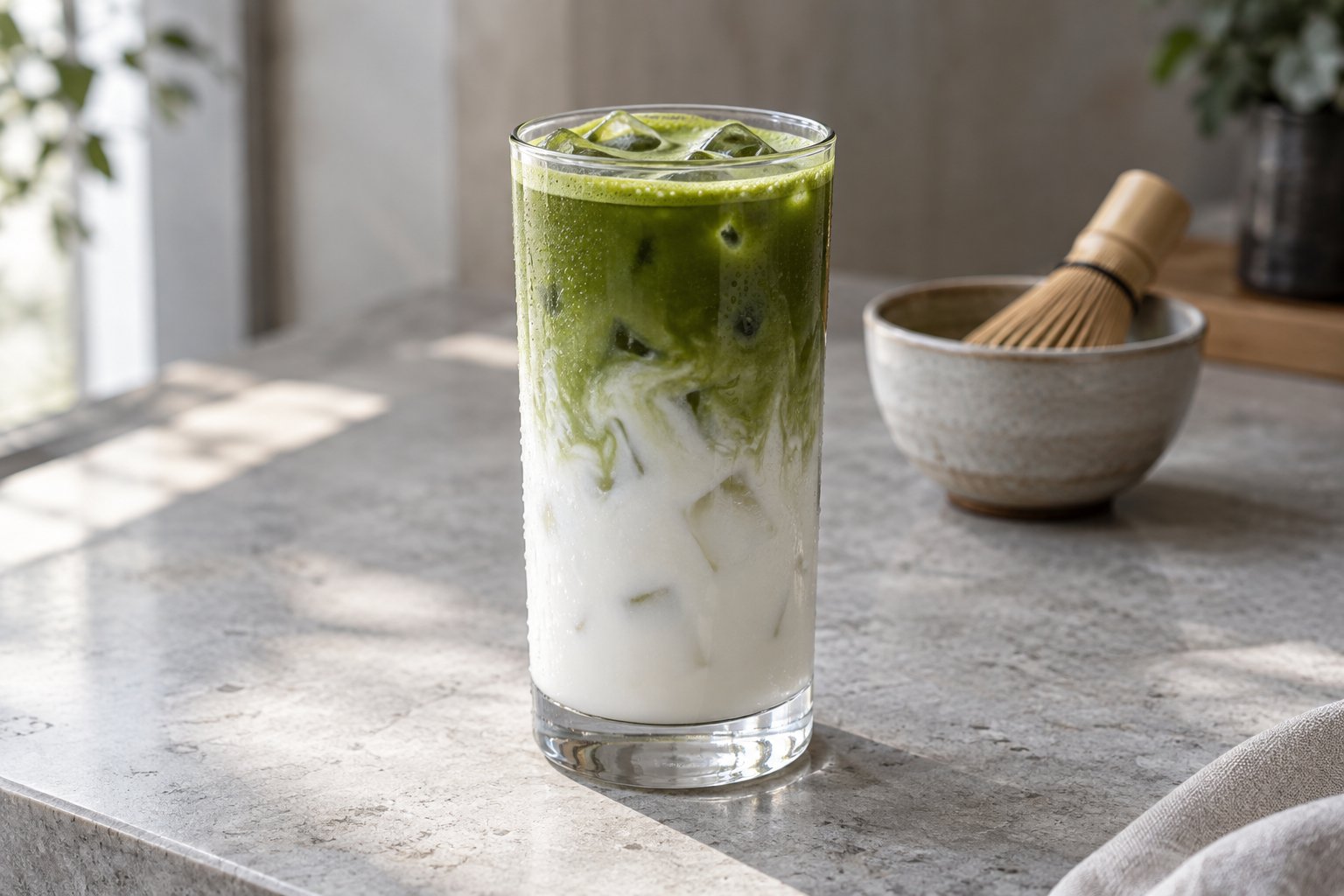
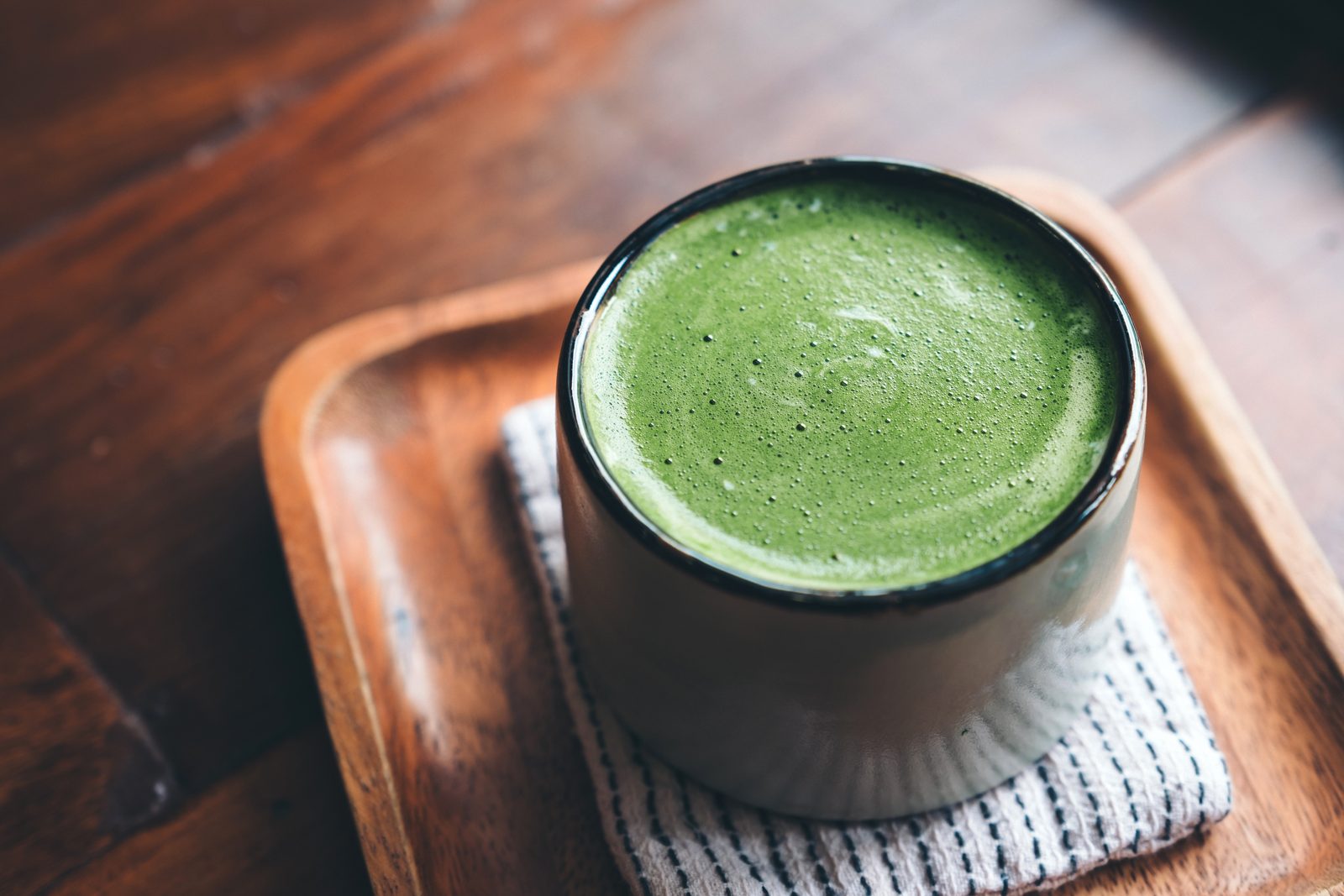
A matcha latte is a drink made by dissolving matcha in a little hot water (or milk), then adding milk. Most recipes use hot water to dissolve the matcha, and some whisk it directly with milk. Pour in warm milk for a hot latte, or add cold milk and ice for an iced one: Kurasu Kyoto adds about 150g of warm milk to the dissolved matcha for a hot latte, and 150g of cold milk with about 100g of ice for an iced latte.
What matcha is
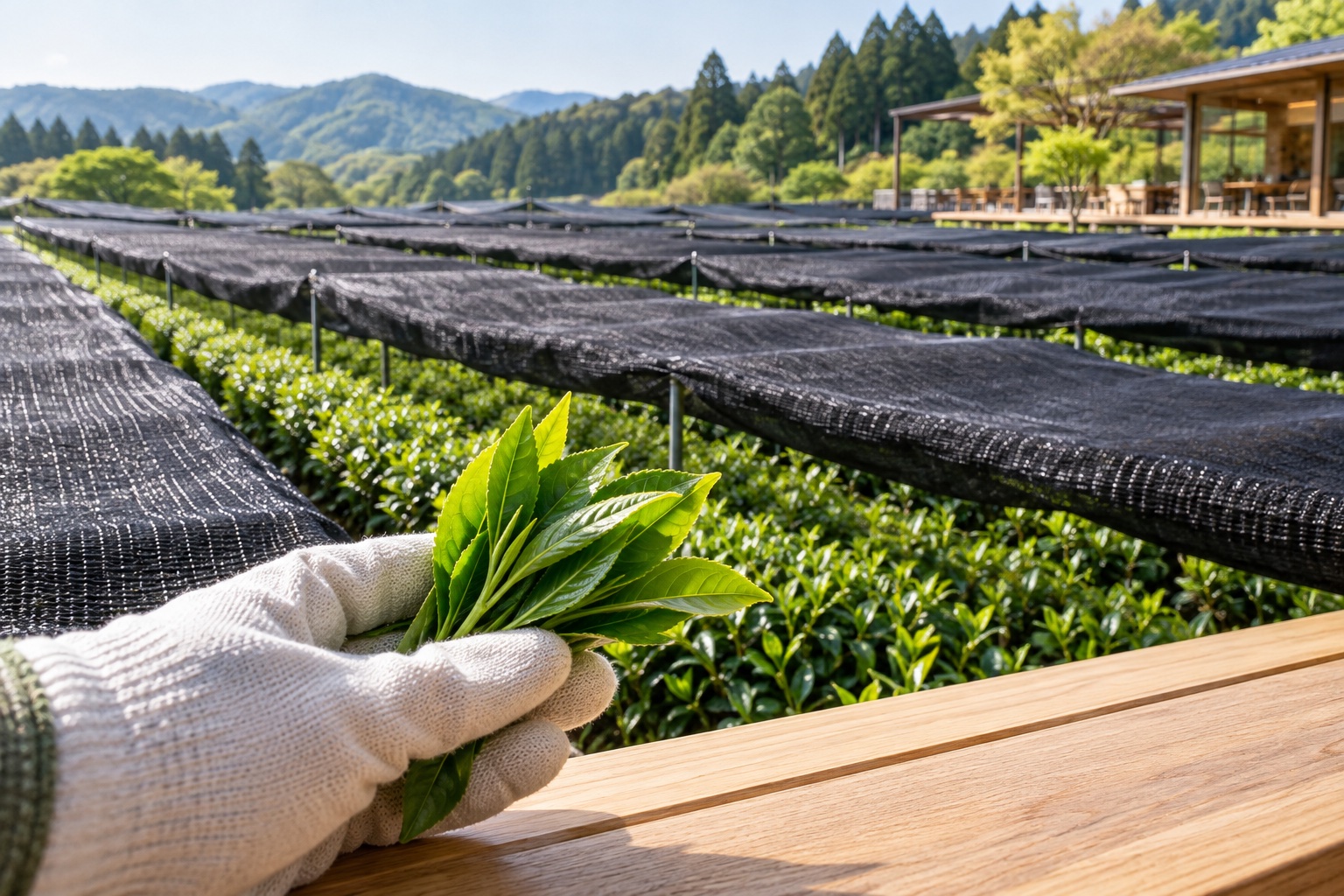
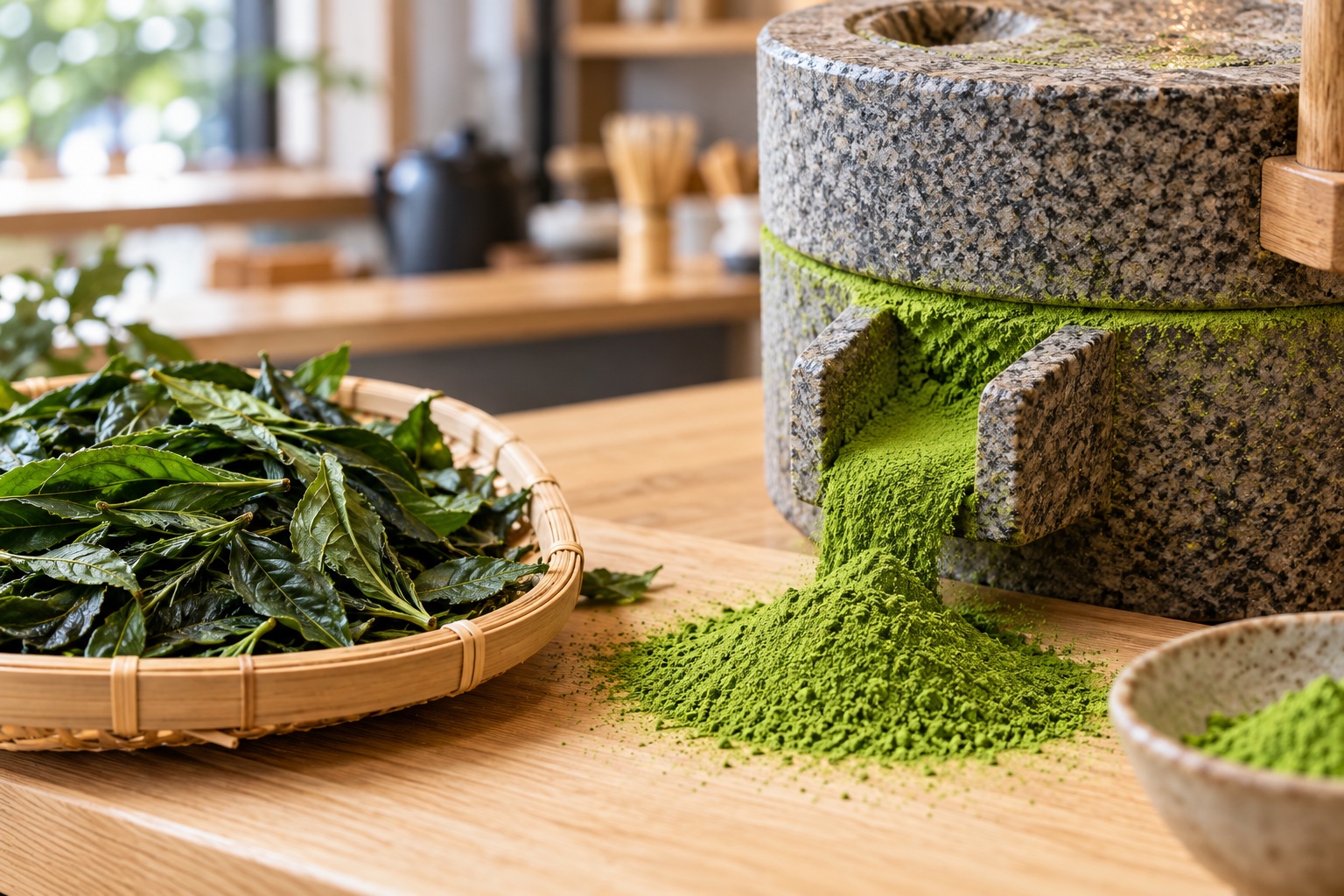
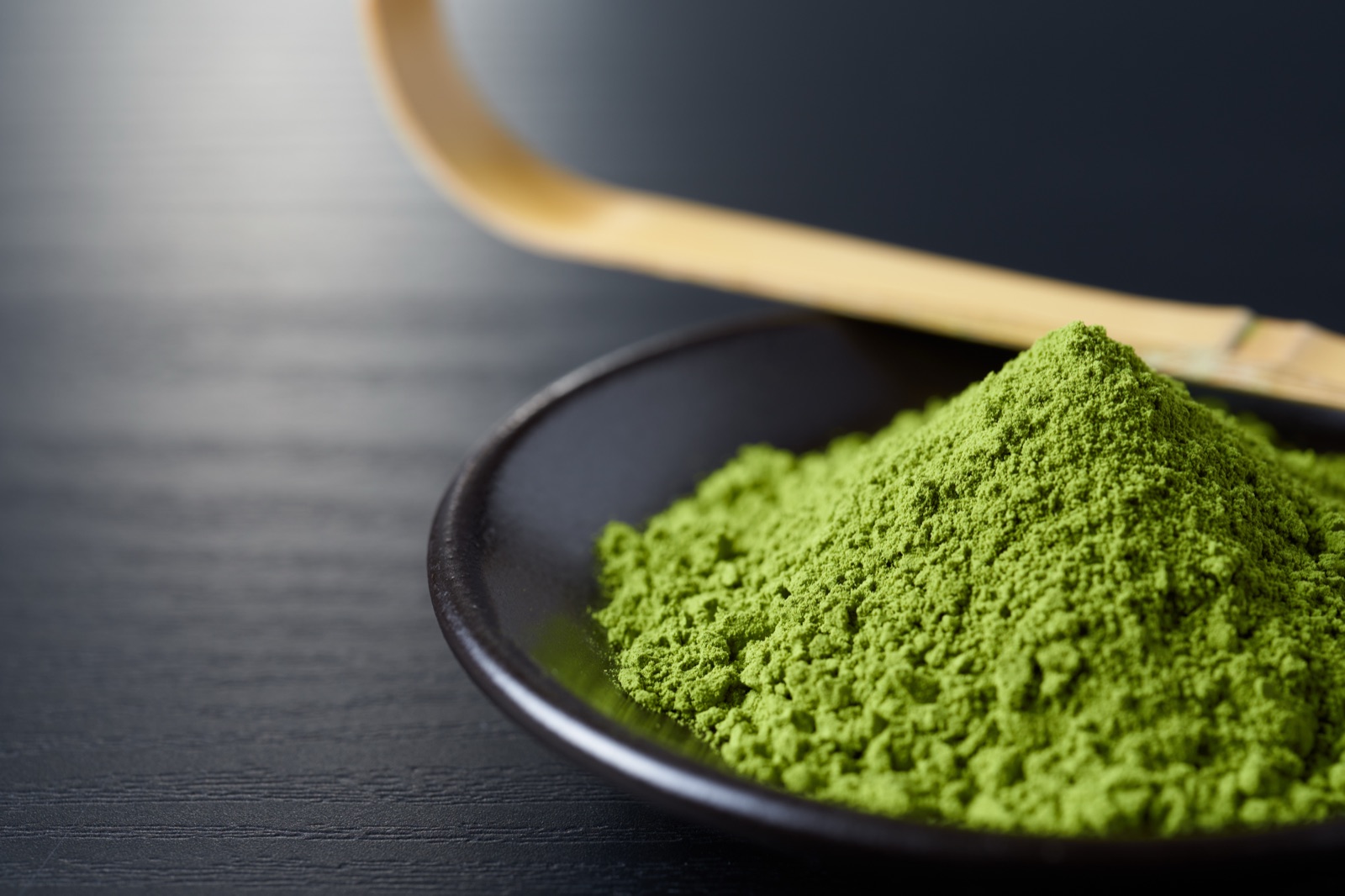
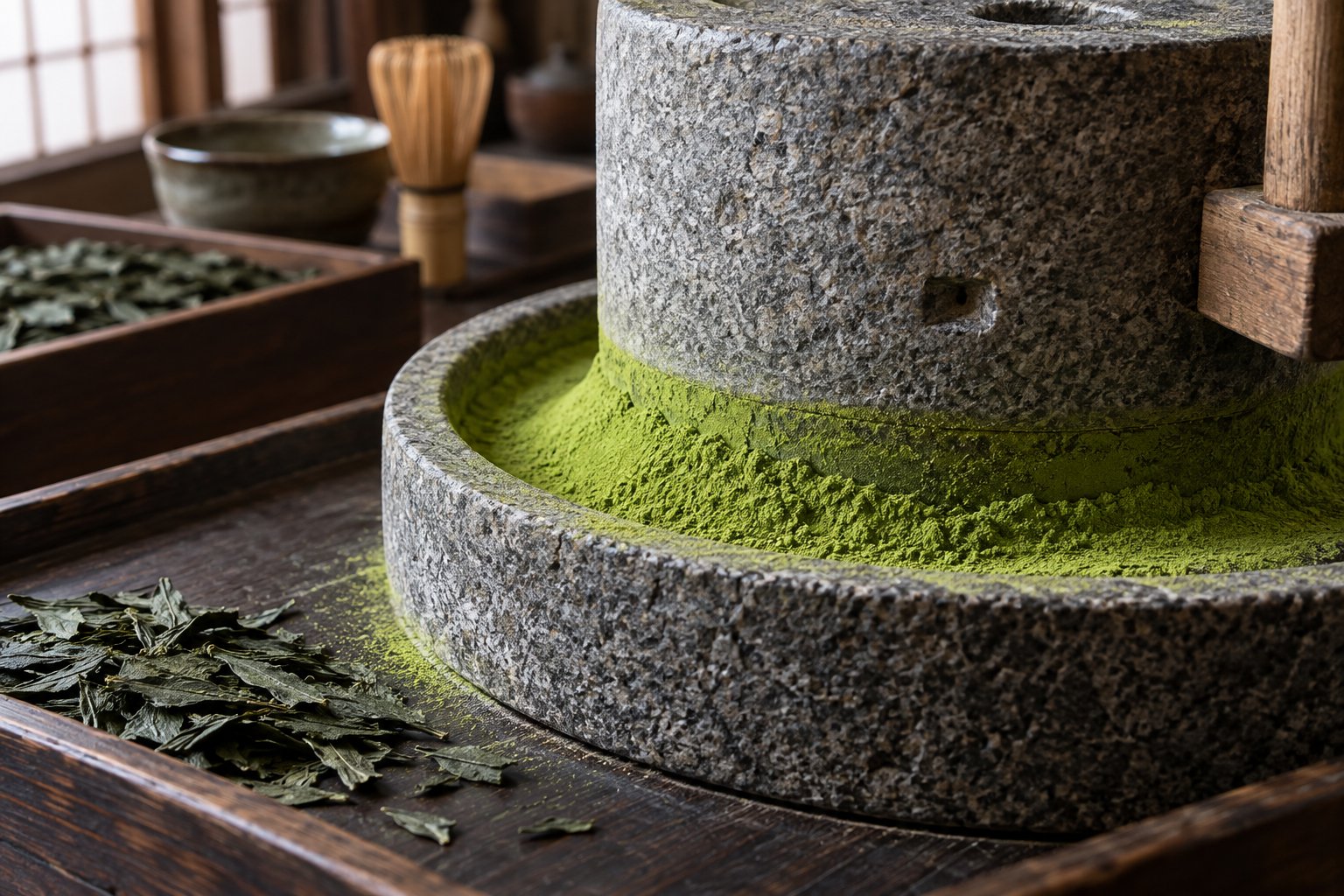
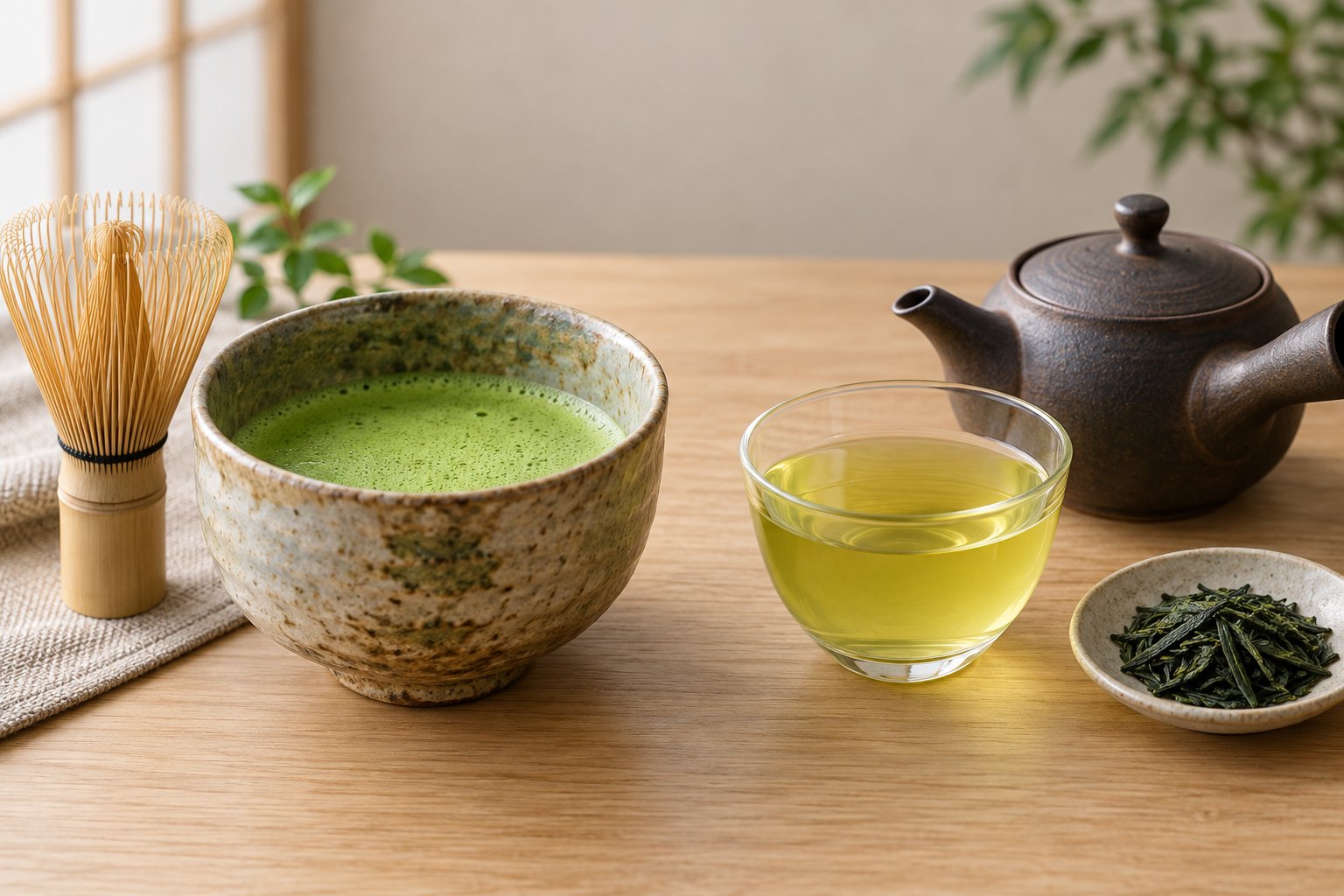
Matcha is tencha (tea leaves grown under shade before picking, steamed, then dried without rolling) ground into a fine powder with a stone mill or similar. Unlike green tea that you brew and pour, matcha is drunk with the whole leaf in powder form. All the recipes compared here first make the matcha smooth in a small amount of liquid, then add volume with milk.
How it differs from matcha au lait, green tea latte and latte mixes
The Japan Tea Central Public Interest Incorporated Association’s Green Tea Labelling Standard defines matcha, but it does not define drink names such as matcha latte or matcha au lait (抹茶オレ). So drinks with similar names can contain different things depending on the café or product.
| Name | Examples of contents in official information |
|---|---|
| Matcha latte (the recipes in this guide) | Matcha dissolved in hot water or similar, combined with milk |
| Matcha au lait (抹茶オレ / 抹茶オーレ) | In 2010 Morihan (Kyoei Seicha) launched a powdered drink for recreating café matcha drinks at home under the name “泡立つ抹茶オーレ” (frothy matcha au lait) |
| Green tea latte | Starbucks Indonesia: lightly sweetened matcha with steamed milk. KOI Thé in Thailand: jasmine green tea with milk, with matcha and milk listed separately as “MATCHA LATTE” |
| Latte mix | A powder of matcha premixed with sugar, milk powder and so on, made just by dissolving it in hot water or milk |
All the recipes compared here dissolve matcha itself rather than a mix, and add sweetener separately when they use it. How to tell whether a powder is 100% matcha or a mix is covered in Pure Matcha, and differences in menu names such as green tea latte in Matcha Drink Names.
What this guide covers
This guide focuses on the steps for making a hot matcha latte. How to choose a matcha grade for lattes is covered in How to Choose Matcha for Café Lattes, and the iced version in Iced Matcha Latte Recipe.
Comparing the ratios of tea shops and tea companies
The official recipes use 2-3g of matcha. Calculated as a share of the total liquid, matcha makes up about 1.3-1.8%. The main differences are the amount of hot water used to dissolve the matcha and the amount of milk.
Seven official recipes compared
| Source | Matcha | Liquid for dissolving | Milk | Sweetener |
|---|---|---|---|---|
| Ippodo Tea (English site) | 3g | 100mL of water at 80°C, whisk for 15 seconds | 100mL (warm or foamed) | Not mentioned |
| Ippodo Tea (Japanese site) | 3g | 90ml of water at 80°C, whisk with a chasen for 15 seconds | Milk or soy milk, as much as you like | Not mentioned |
| Yamamasa Koyamaen | 2g | A little warm milk, kneaded with a chasen | 150cc of warm milk | Sugar if you like (lightly sweet recommended) |
| Kurasu Kyoto (a coffee shop in Kyoto) | 2.5g | 30-40ml of hot water | About 150g of warm milk | If you like, added when dissolving in hot water |
| MAFF (public relations magazine “aff”) | 1 teaspoon | About 20ml of hot water (or water) | 100ml of milk, foamed | 3g of sugar |
| Sugimoto Tea Company (a Japanese green tea maker founded in 1946, US site) | 1 tsp | 1 oz of hot water (about 30ml) | 3/4 cup of unsweetened milk (about 180ml), steamed to 160°F | 1 Tbsp of brown sugar |
| Rishi Tea (a US tea company) | 3g | 1.5 oz of hot water at 175°F (about 79°C), about 44ml | 4 oz of steamed milk (about 118ml) | 2 tsp of jasmine syrup |
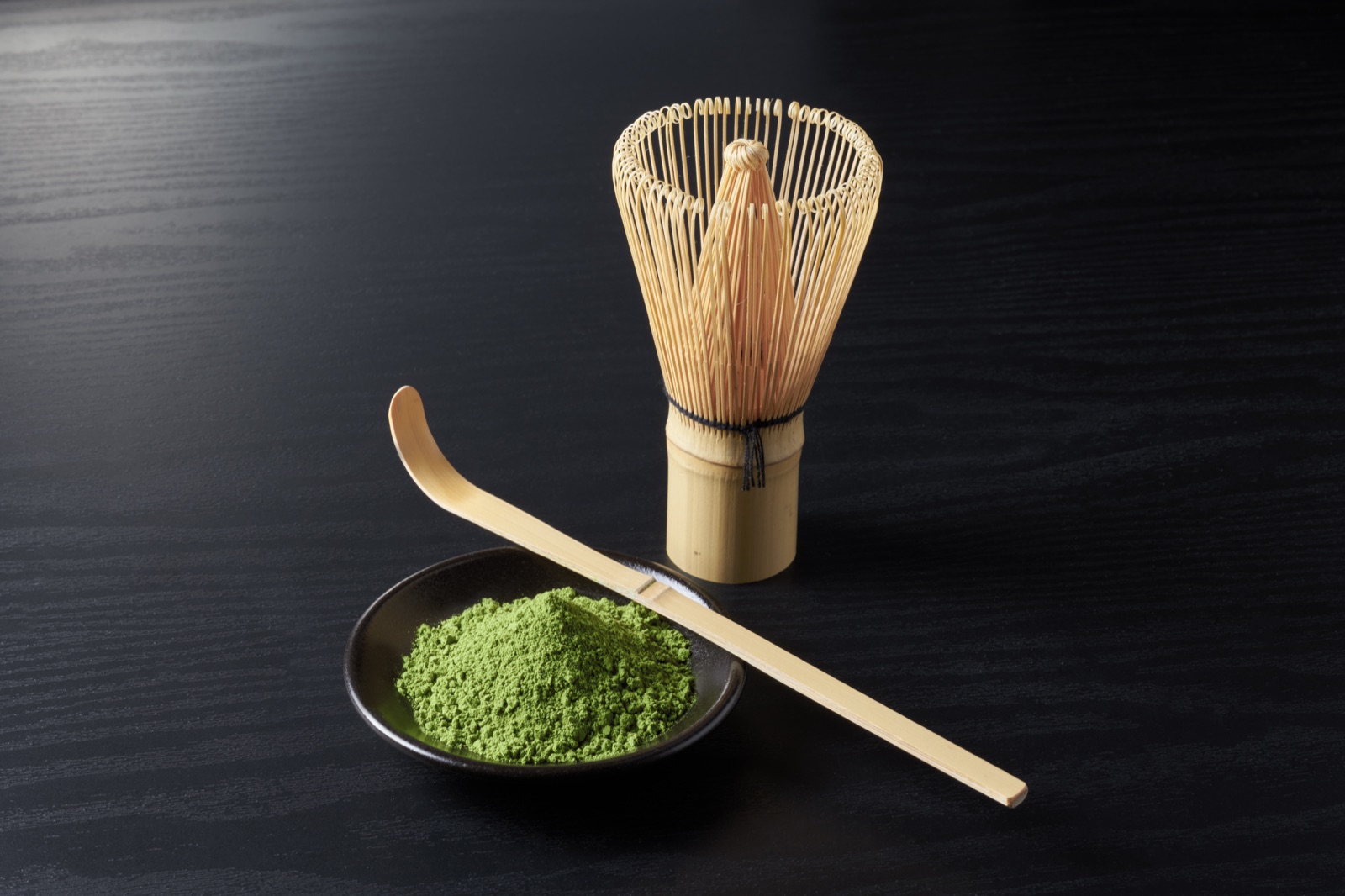
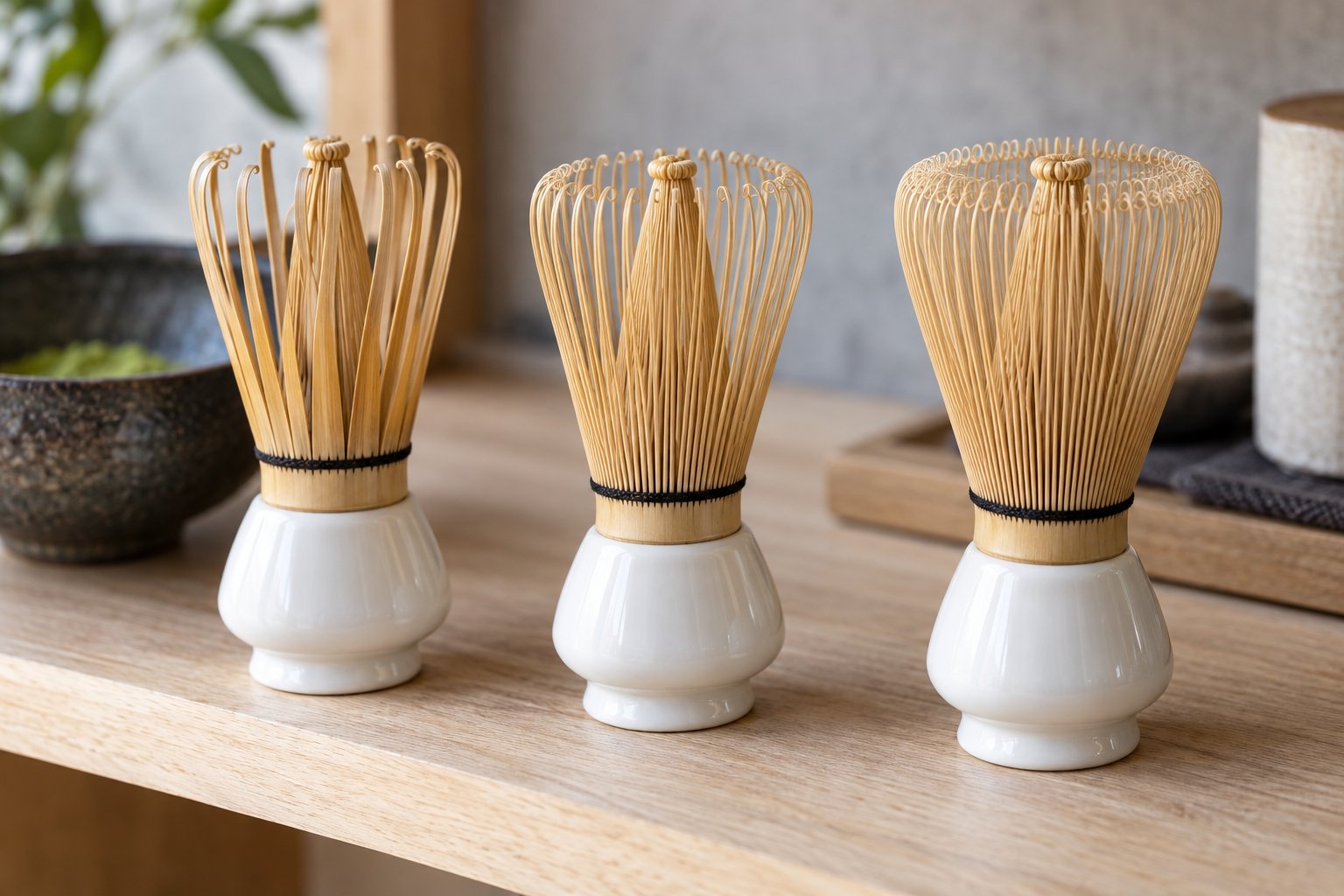
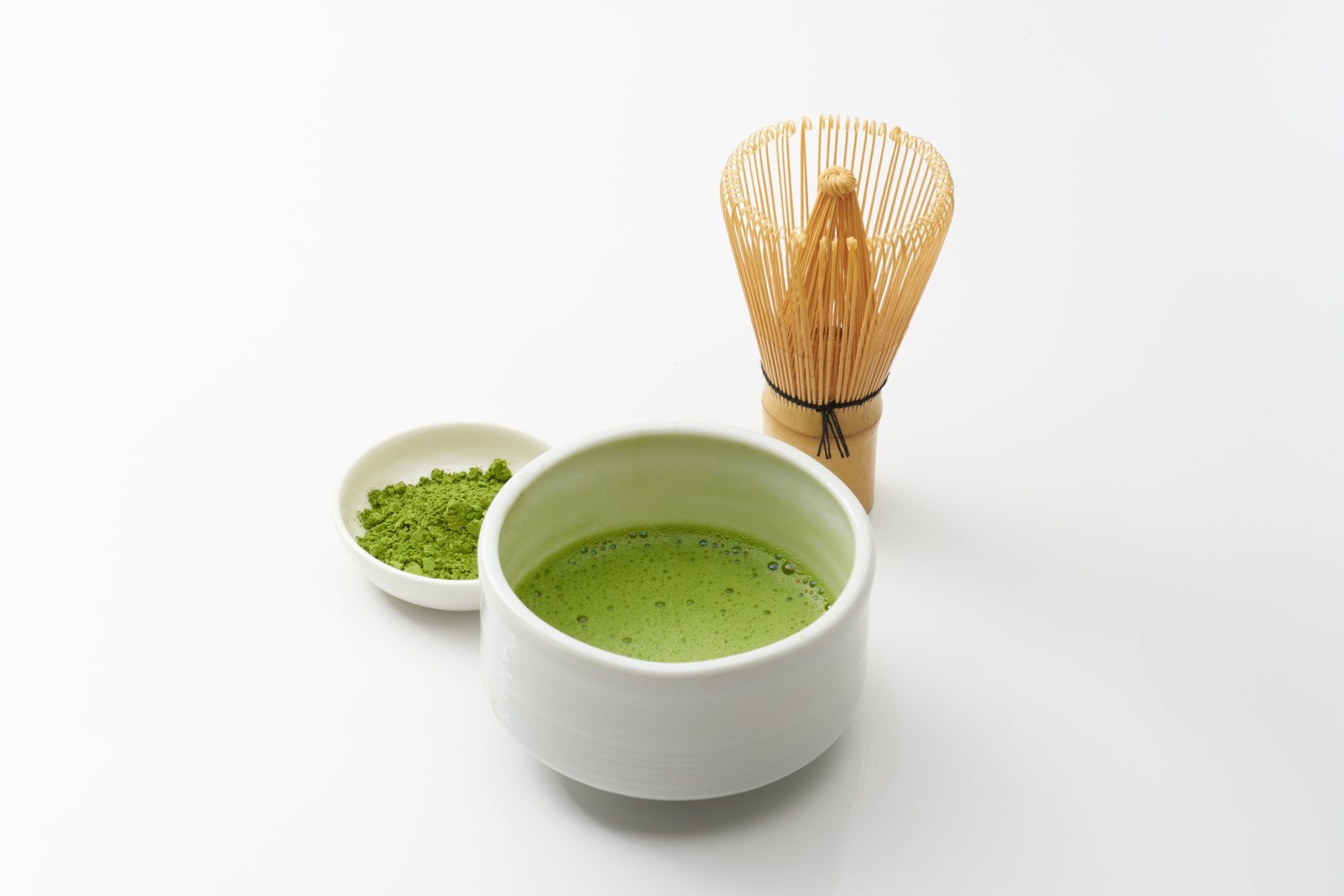
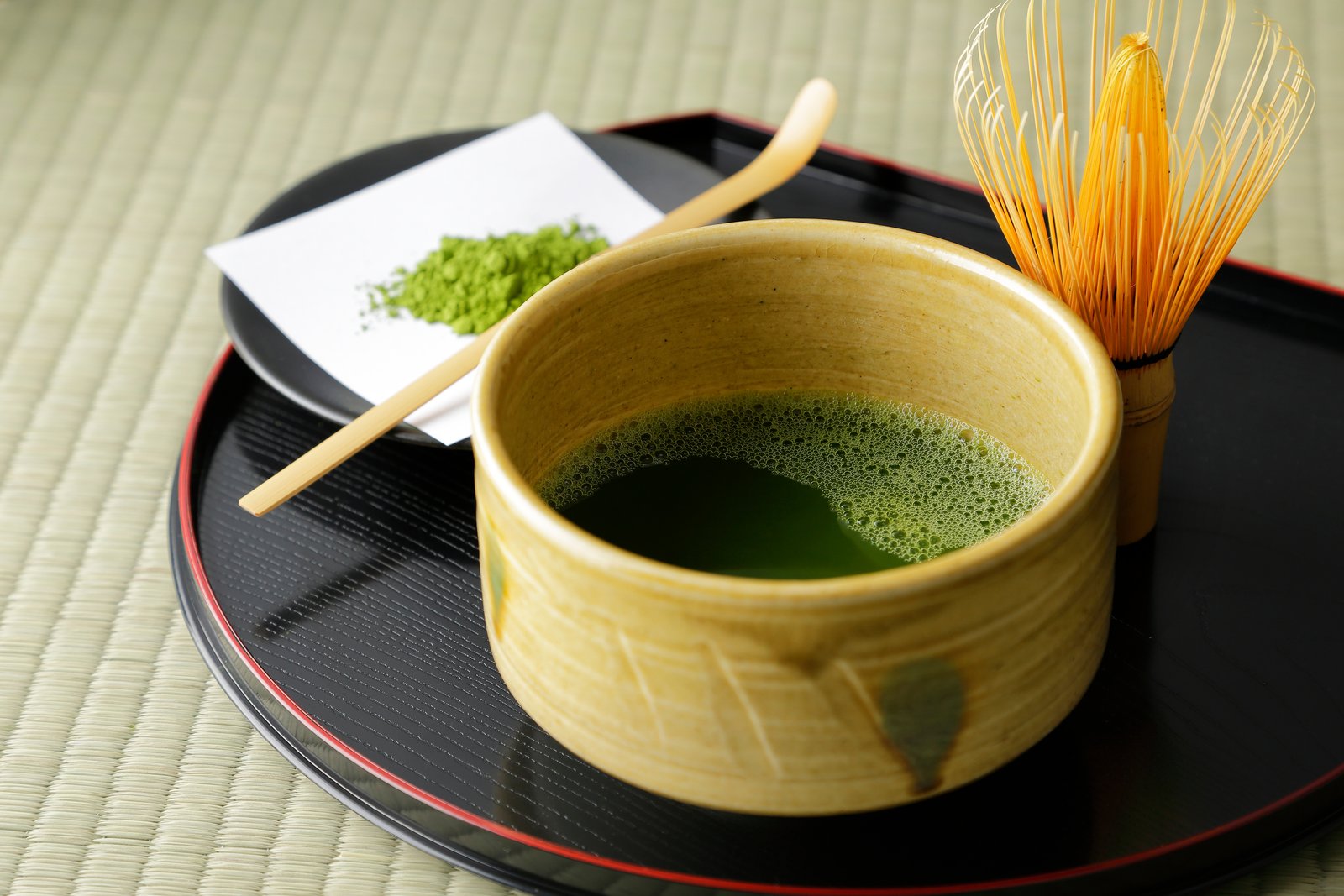
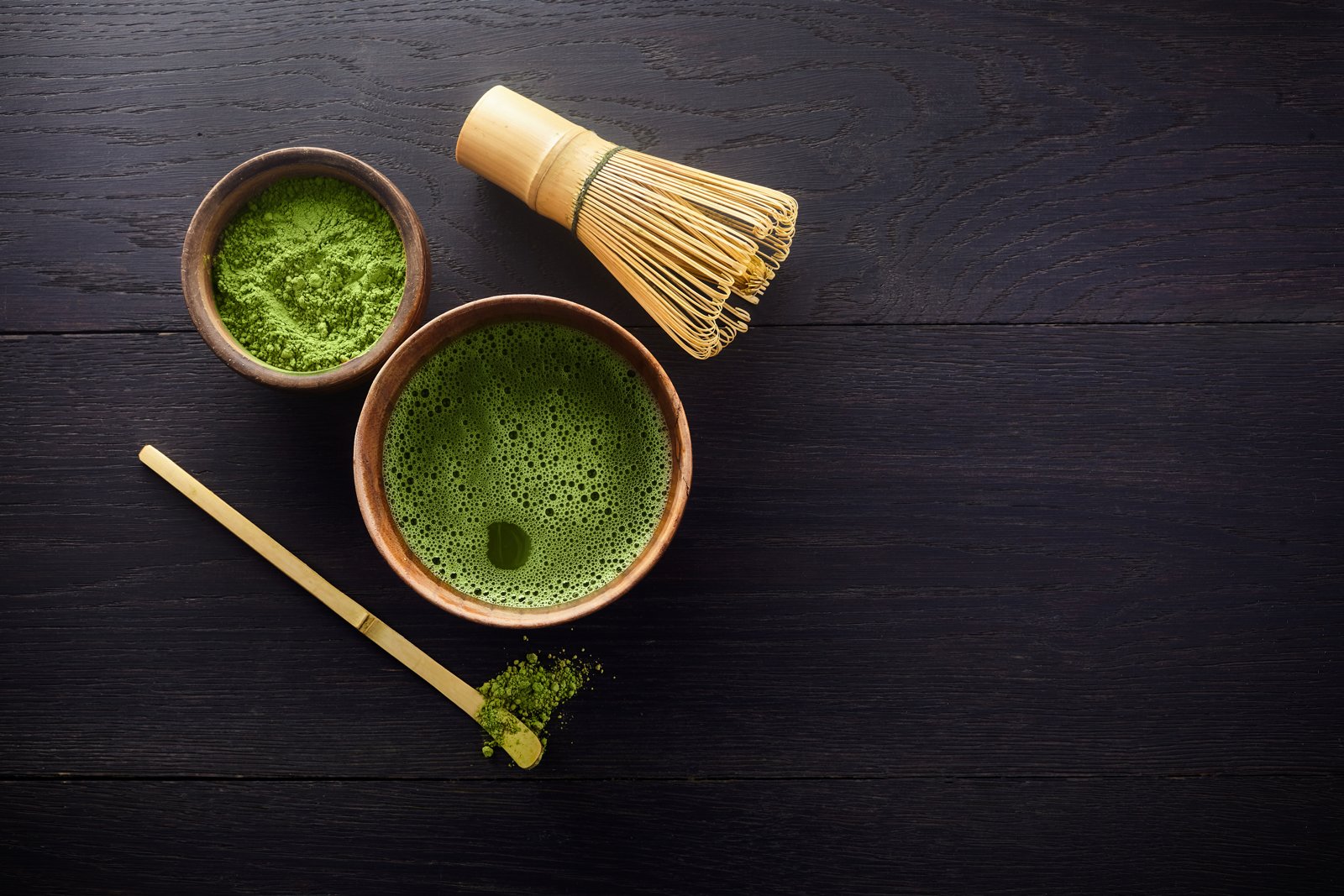
A chasen is a matcha whisk made by splitting bamboo into fine tines. Marukyu Koyamaen gives no amounts and introduces “milk matcha”, where matcha is whisked with milk instead of hot water. Rishi Tea’s recipe is a jasmine-flavoured matcha latte with a syrup made from jasmine tea and sugar. This guide compares only the matcha, water and milk amounts, leaving out the syrup.
Source: Yamamasa Koyamaen, “抹茶ラテのレシピ” (Matcha latte recipe, in Japanese) https://www.yamamasa-koyamaen.co.jp/enjoy/2019/post-2/index.html
Matcha strength as a percentage
For the recipes that give the matcha in grams, we divided the grams of matcha by the total liquid (liquid for dissolving + milk). Sweetener is not included. Kurasu Kyoto’s 150g of milk is counted as 150ml.
| Source | Matcha | Total liquid | Matcha share (calculated) |
|---|---|---|---|
| Ippodo Tea (English site) | 3g | 200mL | 1.5% |
| Yamamasa Koyamaen | 2g | 150cc + a little for kneading | About 1.3% |
| Kurasu Kyoto | 2.5g | 180-190ml | About 1.3-1.4% |
| Rishi Tea | 3g | About 162ml | About 1.8% |
The ratio of water to milk is 1:1 for Ippodo Tea, 1:3.75-5 for Kurasu Kyoto, 1:5 for MAFF and about 1:6 for Sugimoto Tea Company (all calculated). Even with the same amount of matcha, the water to milk ratio changes how the latte feels in the mouth.
Setting your café’s standard (our editorial view)
From here on is our editorial view, based on the comparison above. First decide the total liquid from your cup size, then test matcha at 1.3-1.8% of it (about 2.6-3.6g for 200ml). For the water, start from Ippodo Tea’s 1:1 if you want the matcha flavour up front, or from Kurasu Kyoto’s 1:3.75-5 if you want more milk. Write the amounts you settle on as a recipe card with matcha, water, milk and sweetener all in g or ml.
Dissolving the matcha
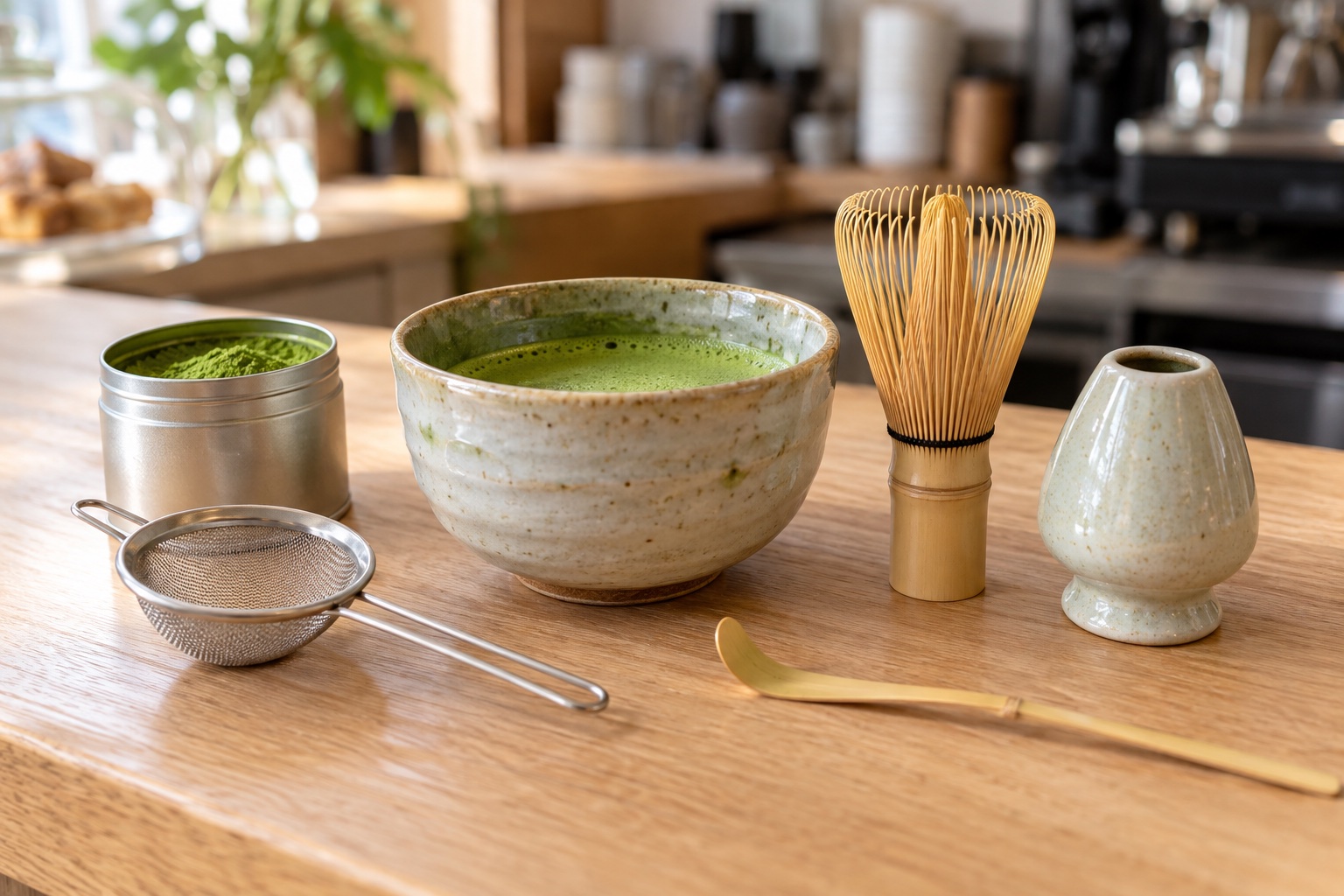
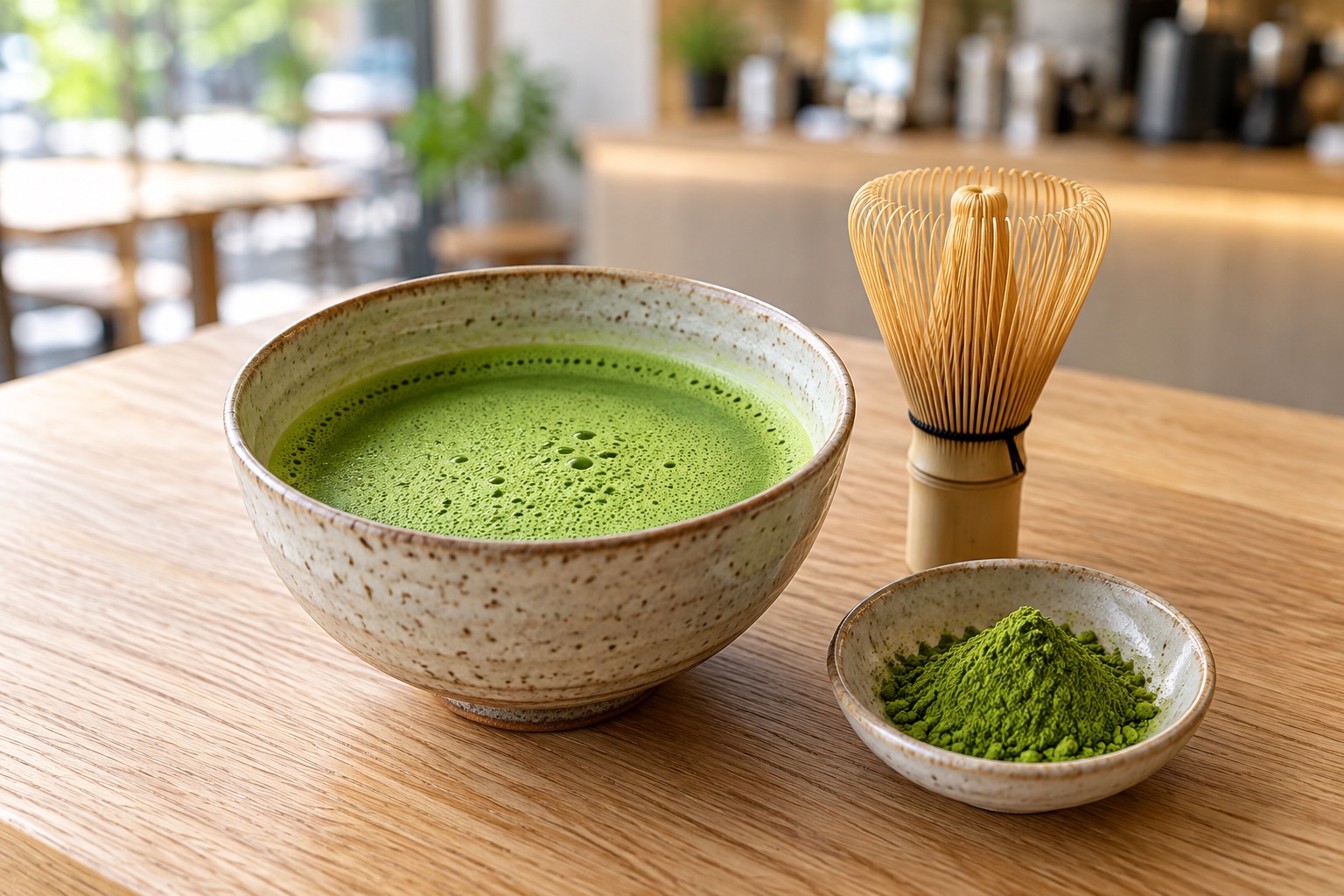
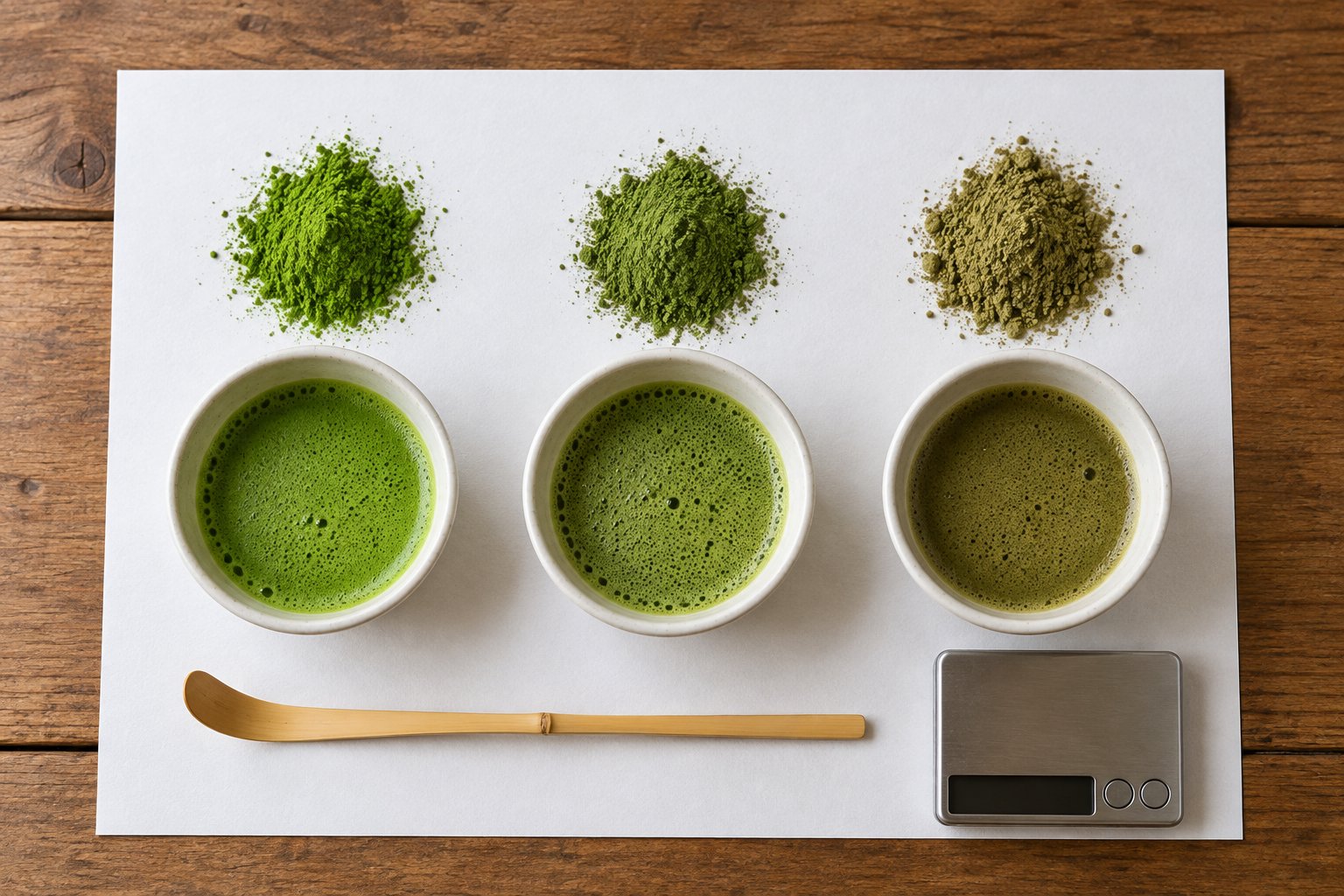
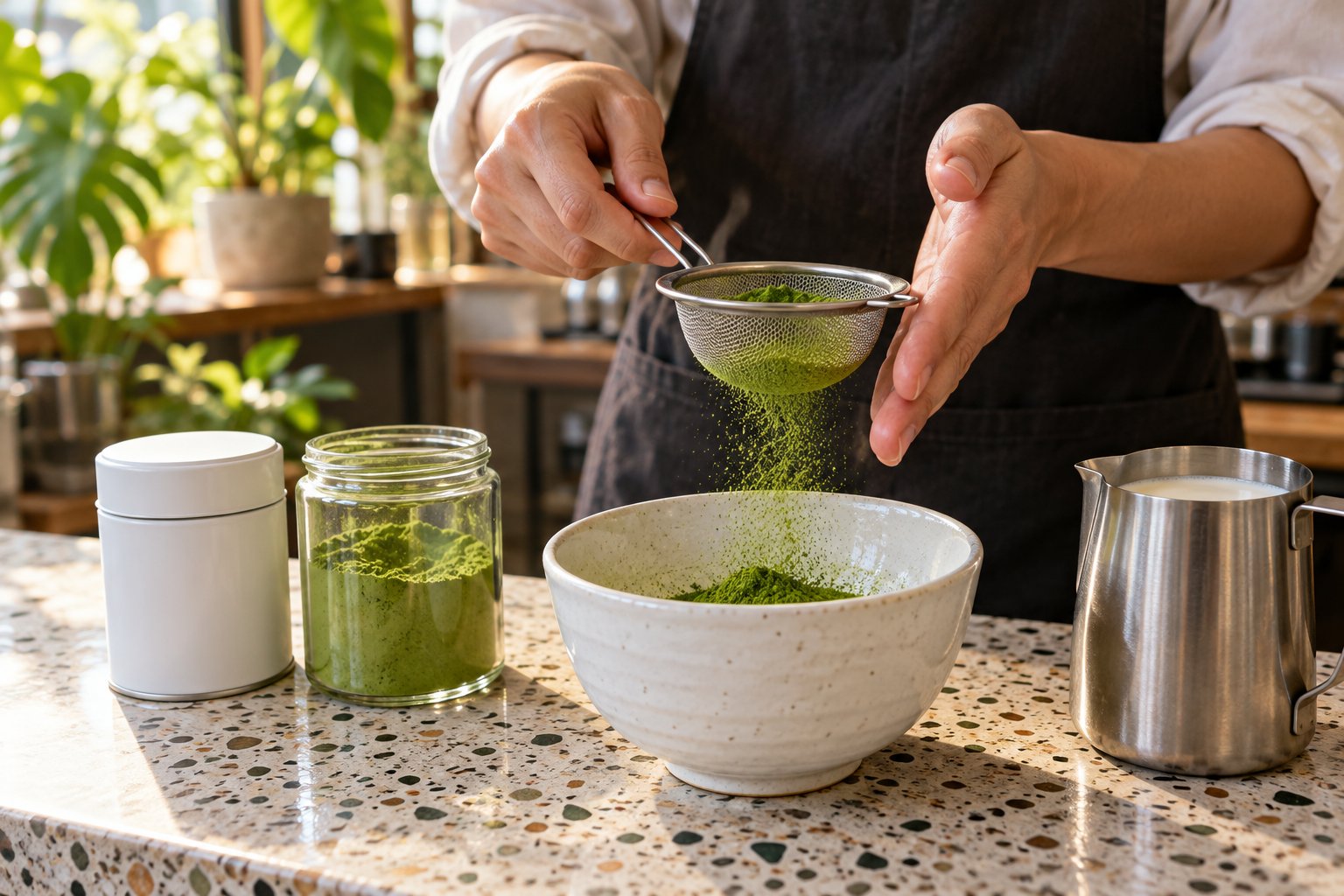
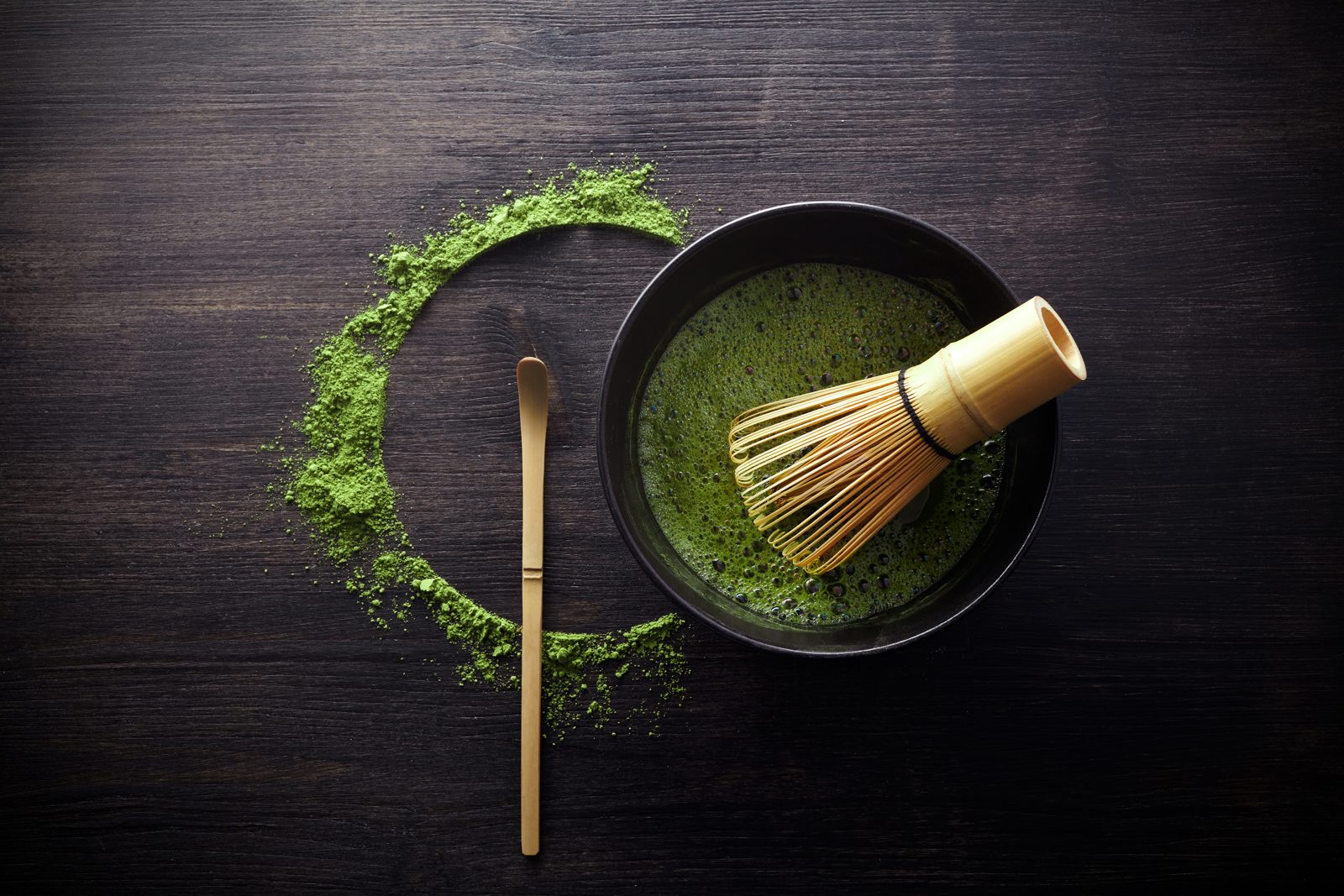
Sift the matcha, pour in a little water at 70-80°C, and dissolve it until no powder is left. Some recipes use a chasen, some use a spoon or spatula, and some do not name a tool.
Sift, then dissolve in water at 70-80°C
The Kyoto Prefectural Tea Research Institute advises sifting matcha once through a tea strainer to remove lumps, and dissolving it in water cooled to 70-80°C. Ippodo Tea pours boiling water into a teacup to cool it to 80°C before using it, and Rishi Tea uses water at 175°F (about 79°C). Long-established tea shops and an overseas tea company agree on not using just-boiled water and using water in this range. Why lumps form and the detailed steps are covered in How to Make Matcha.
Differences by tool
| Method | Examples from official recipes | When it suits (our editorial view) |
|---|---|---|
| Whisk with a chasen | Ippodo Tea: 15 seconds in an “M” shape | When using more water and you want foam on the surface |
| Knead with a spoon or spatula | Kurasu Kyoto: lumps form easily here, so mix well | When the water is as little as 30-40ml, or the café does not keep a chasen |
| Mix without a named tool | MAFF: put the matcha in a bowl or similar, pour in hot water and mix well to dissolve. Rishi Tea: whisk in a zig-zag motion until foamy | Use what the café has, and decide after comparing with matcha dissolved using a chasen |
| Whisk with milk | Yamamasa Koyamaen: knead with a little warm milk using a chasen. Marukyu Koyamaen: whisk with milk instead of hot water | When you want to keep the milk flavour rich without diluting it with water |
None of the official recipes compared here dissolve the matcha with a milk frother (a handheld electric whisk for foaming milk). Rishi Tea uses a hand frother to combine the milk and syrup. If you dissolve matcha with a milk frother, compare it side by side with matcha dissolved with a chasen for taste, foam and lumps before making it your café’s standard. When to use a chasen or an electric tool, and how to care for a chasen, are covered in Matcha Whisk (Chasen).
Shaking to dissolve is for cold drinks
Shaking matcha in a container to dissolve it appears in cold drink recipes such as Ippodo Tea’s “shaka-shaka matcha” (sift 1g of matcha, pour in 100ml of ice water and shake). None of the official hot latte recipes compared here dissolve the matcha by shaking. How to dissolve matcha for cold drinks is covered in Iced Matcha Latte Recipe.
Heating and foaming the milk
La Marzocco, the espresso machine maker, says that if well-structured foam is the goal, milk should be heated to no more than 60°C (140°F), and that above 65°C (150°F) the foam dissipates more quickly. On the other hand, a tea company’s recipe steams milk to 160°F (about 71°C), so it matters that the café decides a temperature and measures it.
Temperatures given in official sources
| Source | Milk temperature | What it says |
|---|---|---|
| La Marzocco | Up to 60°C (140°F) (when aiming for well-structured foam) | The hotter the milk, the less sweet it is and the weaker the foam structure. Above 65°C (150°F) the foam dissipates more quickly. 60°C is just when the pitcher feels hot to the hand |
| Sugimoto Tea Company | 160°F (about 71°C) | Steam the milk to 160°F, froth it, then pour it into the matcha |
| Ippodo Tea | Not given | Pour in warm or foamed milk |
| Yamamasa Koyamaen | Not given | Warm the milk; if you have a milk frother, pour foamed milk over the top |
Source: La Marzocco Home, “steaming milk on the linea mini” https://home.lamarzoccousa.com/steaming-milk-on-the-linea-mini/
We could not find any document from a dairy company or dairy association that gives a guideline temperature for steamed milk. So this section shows only the figures from the espresso machine maker’s guidance and the tea company’s recipe.
Steaming steps
La Marzocco describes the preparation and steps for steaming as follows.
- Start with a clean steam wand, and purge steam from it to clear condensation
- Use cold milk and fill the pitcher to about halfway (more and it may overflow; less and the milk heats too quickly to control)
- Insert the wand tip just below the milk’s surface, keeping the wand to the side so the milk spins as it heats
With a matcha latte, dissolving the matcha and heating the milk are separate tasks. Dissolve the matcha before you start steaming the milk, so you can pour the warm milk straight away.
Deciding the temperature in your café (our editorial view)
From here on is our editorial view. For menus that show the foam, or for latte art, use La Marzocco’s 60°C as the standard. If you put keeping the drink hot first, for takeaway for example, go a little higher, like Sugimoto Tea Company’s roughly 71°C. Once you decide, measure with a pitcher thermometer so the temperature stays the same whoever makes the drink. Cafés without an espresso machine can also heat the milk in a pan or microwave, then foam it with a milk frother.
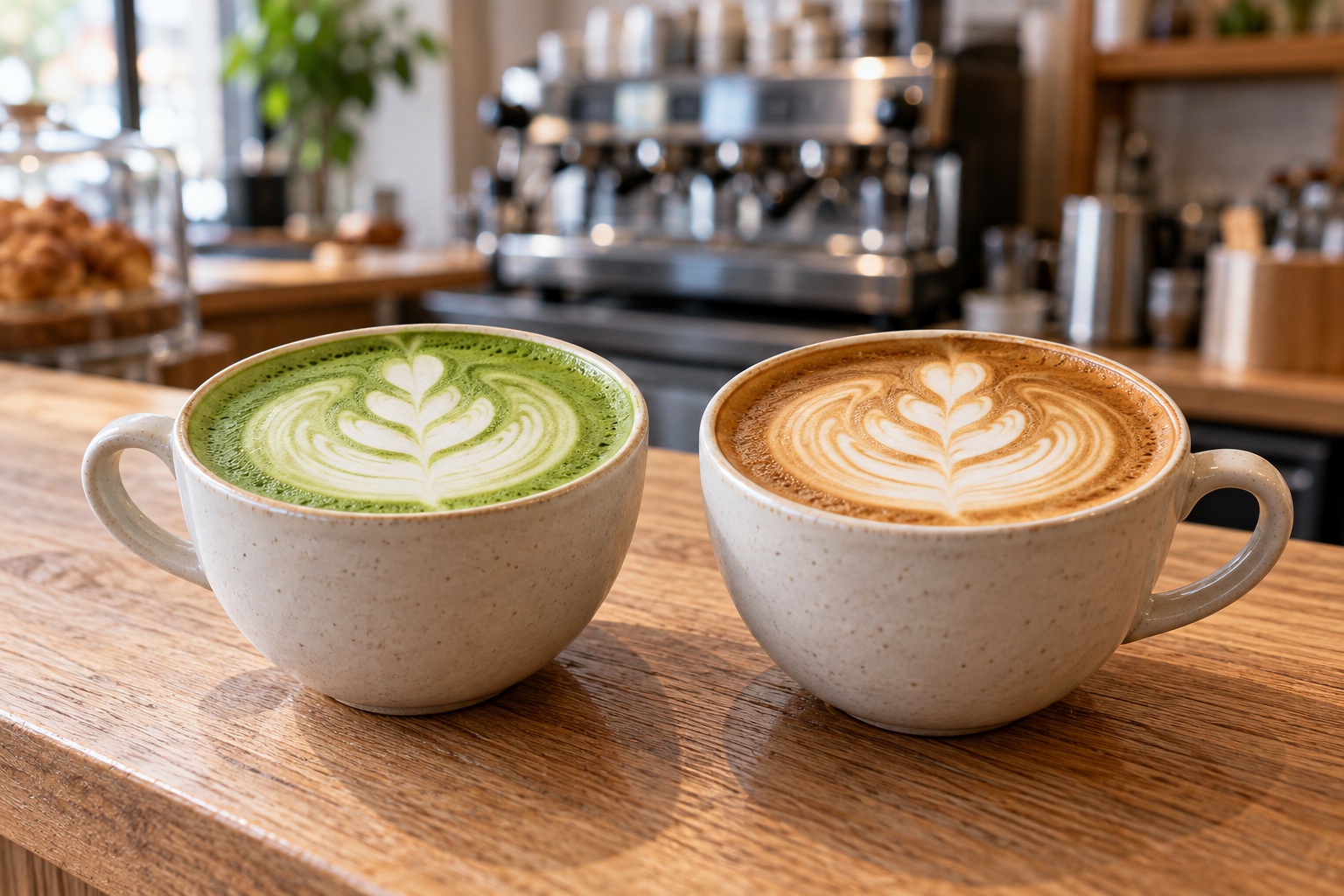
Latte art
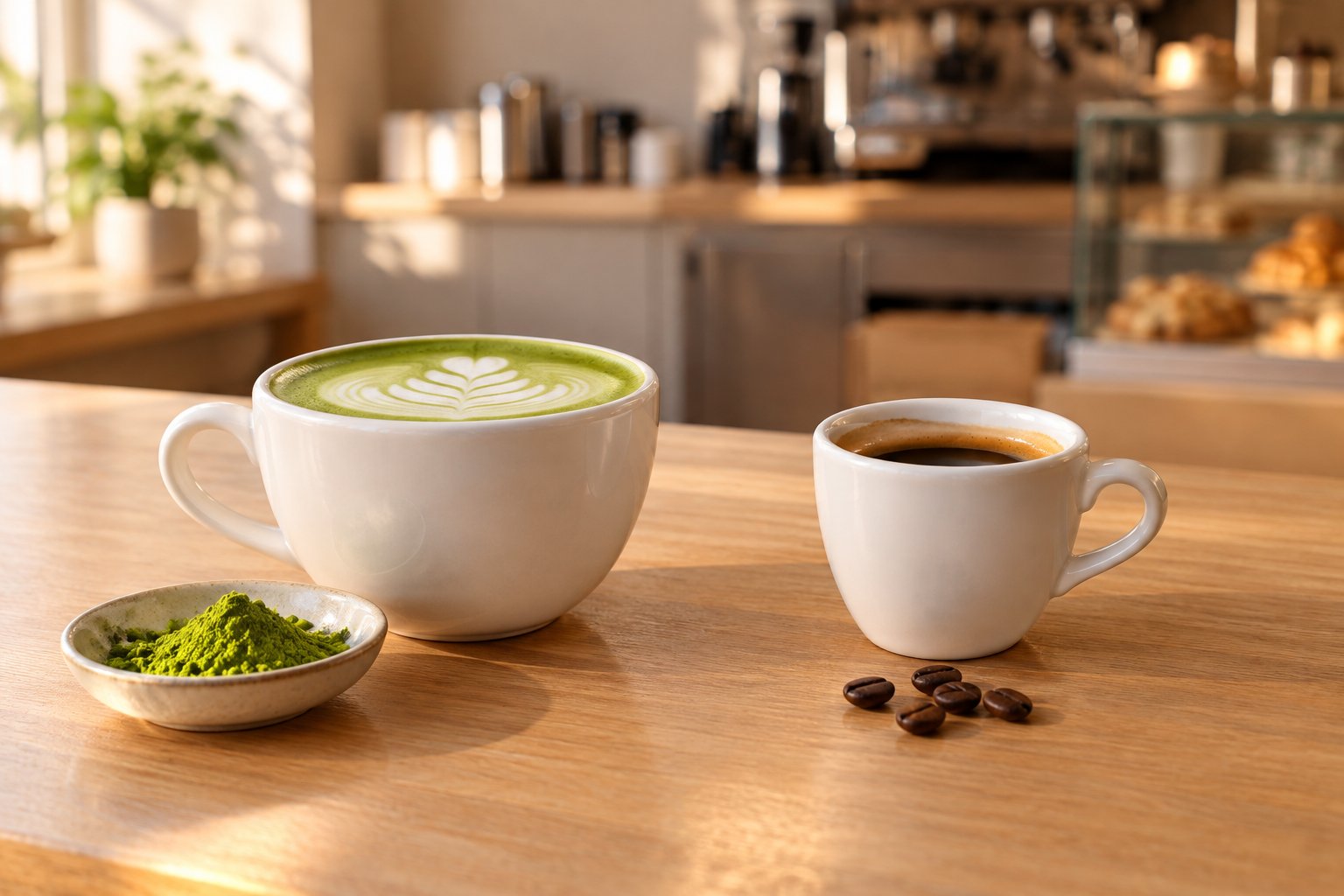
La Marzocco advises, for latte art on espresso, to start pouring as soon as the milk has been steamed. So that you can pour in the same order for a matcha latte, dissolve the matcha first. Yamamasa Koyamaen suggests finishing by pouring foamed milk over the top and sprinkling on a little matcha.
How to pour, from official guidance
La Marzocco describes how to pour latte art onto espresso as follows.
- First pour a small amount from a little higher up to create a base for the design
- Then bring the pitcher as close to the surface of the drink as possible, and pour a little faster so the textured part of the milk slides out onto the surface to make the design
- The foam starts to separate from the liquid over time, so pour the art right after steaming
- If larger bubbles appear, gently tap the pitcher on a flat surface, then swirl it to keep the foam and milk together
- Texturing the milk less gives a crisp design with strong contrast; texturing it more gives a denser design with less contrast
It also says that latte art itself will not make a drink taste better.
Steps for a heart on a matcha latte (our editorial view)
From here on is an example of our editorial steps, based on the pouring guidance above. Coffee latte art is poured onto espresso; on a matcha latte, you pour onto the dissolved matcha.
- Dissolve the matcha strong in about 30-40ml of hot water, as Kurasu Kyoto does, and keep it at the bottom of the cup
- Heat the milk to about 60°C and make fine foam
- Pour a thin stream from higher up until the cup is about half full
- Bring the pitcher close to the cup and pour until a white circle spreads in the centre
- When the circle is large, lift the pitcher and pour a thin line through the circle from the near side to the far side, then stop
Recipes that use around 100ml of water leave less room in the same cup for milk and foam. Keep a separate recipe card for latte art menus, for example with less water.
When to add sweetener
The official recipes add sweetener in four ways: mixed into the powder, while dissolving, into the milk, or at the end. Yamamasa Koyamaen recommends keeping it lightly sweet so you can enjoy the matcha flavour.
Timing in the official recipes
| When to add | Examples from official recipes |
|---|---|
| Mixed with the matcha while still powder | Sugimoto Tea Company: mix matcha and brown sugar in a cup first, then slowly add hot water |
| While dissolving the matcha in hot water | Kurasu Kyoto: add sugar, honey or similar if you like while mixing in the hot water |
| Into the milk before foaming | MAFF: warm the milk, add 3g of sugar and foam it with a whisk |
| After adding the milk | Yamamasa Koyamaen: add the warm milk, mix well, then add sugar if you like |
Rishi Tea combines the steamed milk and syrup in the cup first, then pours the dissolved matcha over it.
Keeping it consistent in the café (our editorial view)
From here on is our editorial view. If customers can choose sweetness such as “none, light, regular”, set the amount for each level in grams and write the timing on the recipe card too. Liquid syrup needs no dissolving, so it is easier to handle in cafés that change the amount for each order. The ratios and storage for making a syrup with matcha in it are covered in Matcha Syrup Recipe for Cafés.
Making it with plant-based milk
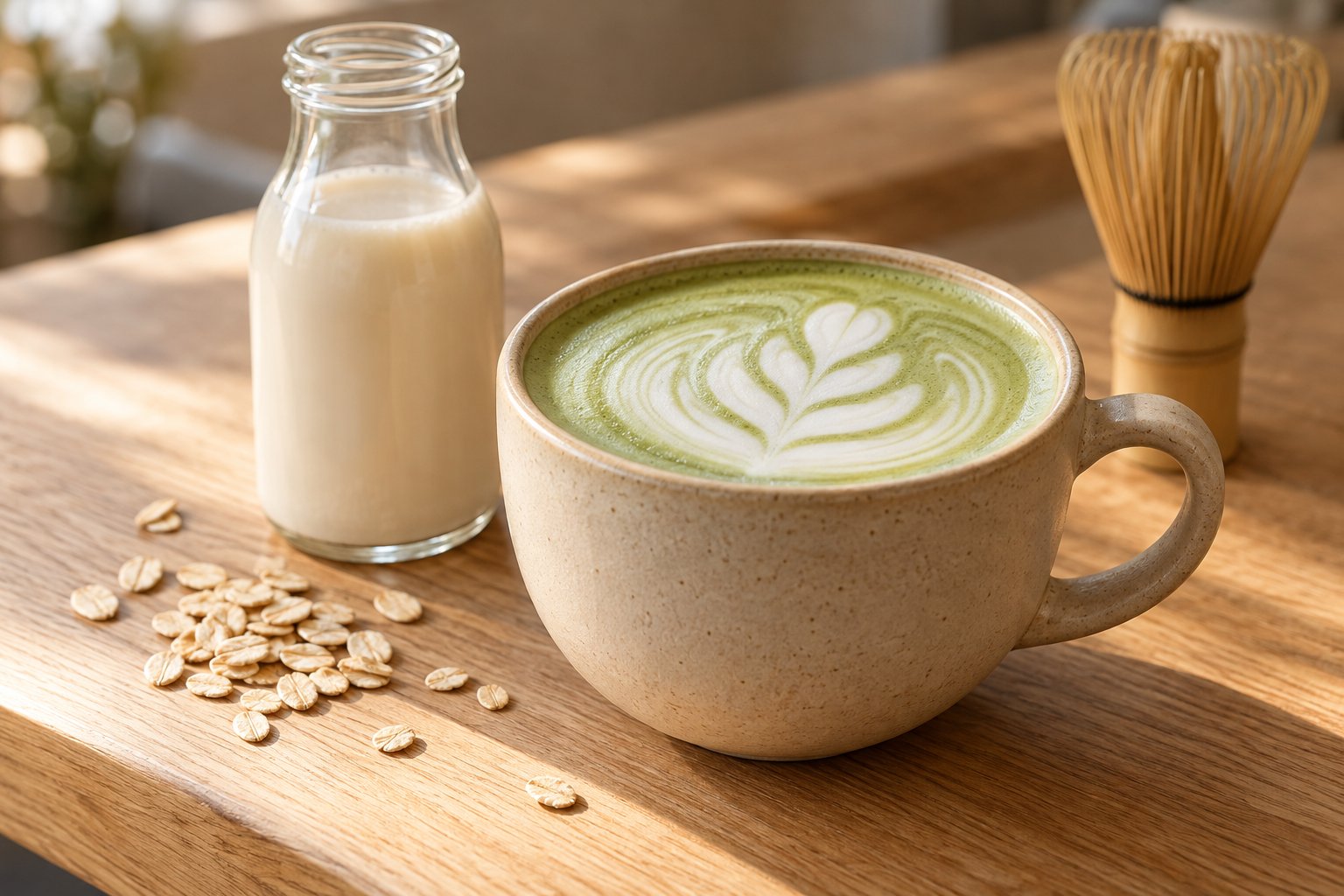
Ippodo Tea says soy milk, and Kurasu Kyoto says soy milk or oat milk, can be used in place of cow’s milk. If you foam the milk, choose a barista blend of plant-based milk designed with steaming in mind, as La Marzocco advises.
What the official sources say
- Ippodo Tea: use whatever milk you like. It often makes its lattes with soy milk, which has a pleasant round taste
- Ippodo Tea (Japanese site): add a splash of milk or soy milk to the dissolved matcha
- Kurasu Kyoto: soy milk or oat milk is fine in place of cow’s milk
- La Marzocco: plant-based milk can also achieve great results if it is a barista blend designed with milk steaming in mind
With oat milk
Oat milk has less protein than cow’s milk and is beige in colour, so with the same amount of matcha the colour and flavour can come through differently. The differences in composition, oat milk recipes compared, and how to choose a barista oat milk are covered in Oat Milk Matcha Latte. For menus with a different milk, set the matcha amount and heating temperature separately from cow’s milk.
Cost per cup
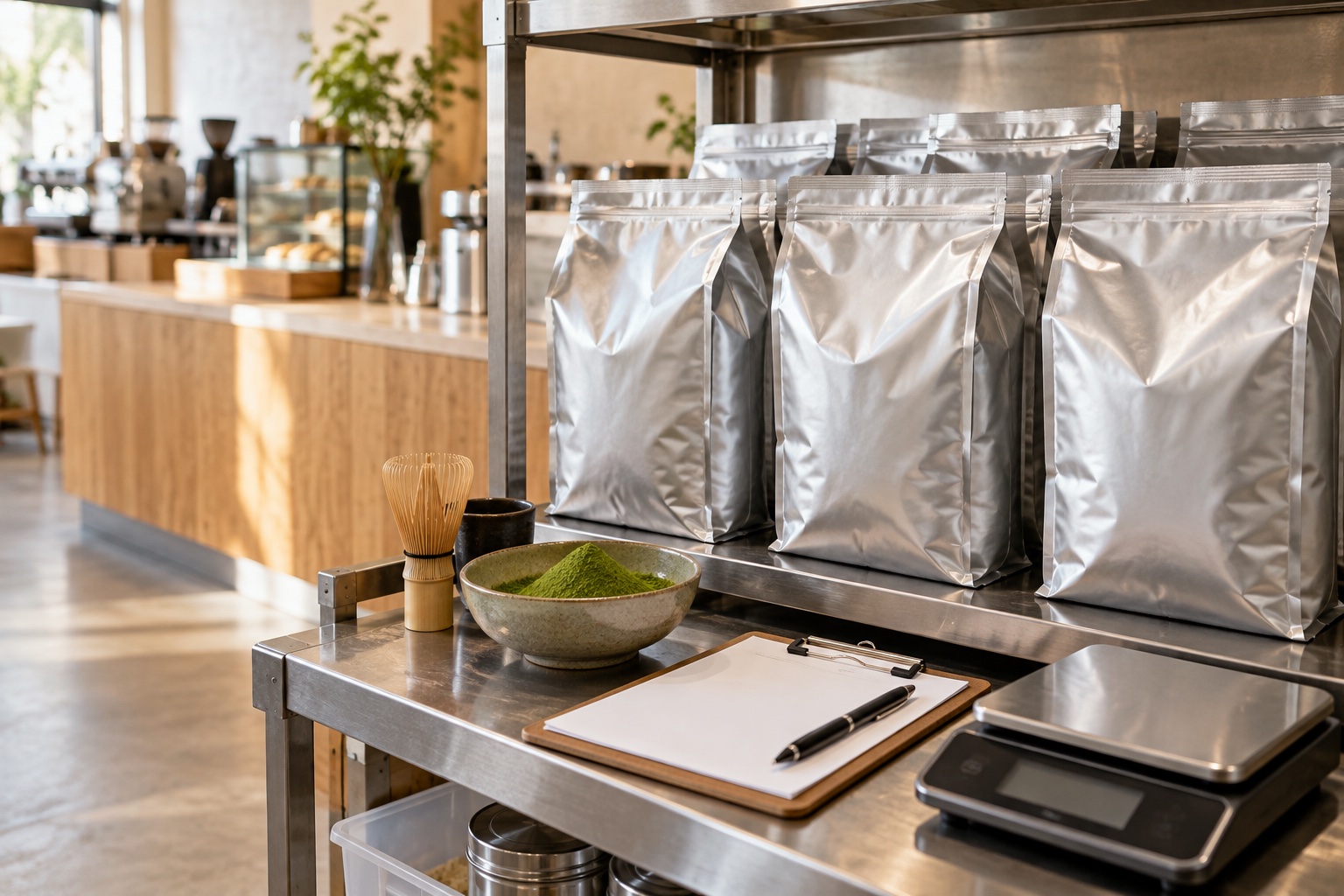
Matcha cost per cup = price per kg ÷ 1,000 × grams used per cup. A hot latte uses no ice, so the amount of milk is fixed by the recipe, which makes the cost easier to work out.
Matcha per cup by recipe
The amount of matcha per cup in each official recipe is as follows. To get the matcha cost per cup, multiply these grams by the price per kg ÷ 1,000. How the price per kg is set is covered in what decides the price of matcha.
| Recipe | Matcha per cup |
|---|---|
| Yamamasa Koyamaen | 2g |
| Kurasu Kyoto | 2.5g |
| Ippodo Tea, Rishi Tea | 3g |
Adding milk and sweetener
To get the ingredient cost per cup, add the following to the matcha cost.
- Milk: ml used per cup × price per ml (when steaming, include what is left in the pitcher)
- Sweetener: g used per cup × price per g
- Cup, lid, sleeve and so on
Kurasu Kyoto’s roughly 150g of milk and Ippodo Tea’s 100mL differ by about 1.5 times, so decide the recipe before working out the milk cost. How to choose a grade to match your menu price, and the order in which to decide, are covered in How to Choose Matcha for Café Lattes, and the differences between grades on Matcha grades.
Sources
- Japan Tea Central Public Interest Incorporated Association, “緑茶の表示基準” (Green Tea Labelling Standard, in Japanese) https://www.nihon-cha.or.jp/pdf/hyoujikijyun.pdf
- Ippodo Tea, “Matcha Latte” https://ippodotea.com/blogs/recipes-to-brew-japanese-tea/matcha-latte-recipe
- Ippodo Tea, “How to Make a Matcha Latte” https://ippodotea.com/blogs/ippodo-tea-blog/how-to-make-a-matcha-latte
- Ippodo Tea, “抹茶ラテ” (Matcha latte, in Japanese) https://www.ippodo-tea.co.jp/blogs/tea-recipe/19%E6%8A%B9%E8%8C%B6%E3%83%A9%E3%83%86
- Ippodo Tea, “シャカシャカ抹茶” (Shaka-shaka matcha, in Japanese) https://www.ippodo-tea.co.jp/blogs/tea-recipe/15%E3%82%B7%E3%83%A3%E3%82%AB%E3%82%B7%E3%83%A3%E3%82%AB%E6%8A%B9%E8%8C%B6
- Yamamasa Koyamaen, “抹茶ラテのレシピ” (Matcha latte recipe, in Japanese) https://www.yamamasa-koyamaen.co.jp/enjoy/2019/post-2/index.html
- Marukyu Koyamaen, “抹茶アラカルト” (Matcha à la carte, in Japanese) https://www.marukyu-koyamaen.co.jp/about-tea/enjoy-recipe.html
- Kurasu Kyoto, “Kurasu Blend / SUI 美味しい「抹茶ラテ」のレシピ” (A tasty matcha latte recipe, in Japanese) https://jp.kurasu.kyoto/blogs/kurasu-journal/okumidori-no-sugar-recipe
- Ministry of Agriculture, Forestry and Fisheries, aff April 2017, “特集2 抹茶(2)” (Feature 2: Matcha (2), in Japanese) https://www.maff.go.jp/j/pr/aff/1704/spe2_02.html
- Sugimoto Tea Company, “Matcha Latte Recipe” https://www.sugimotousa.com/blog/matcha-latte-recipe
- Rishi Tea, “Jasmine Green Tea Matcha Latte” https://www.rishi-tea.com/blogs/journal/jasmine-green-tea-matcha-latte
- Kyoei Seicha, “「森半 泡立つ抹茶オーレ」「森半 香り立つ焙じ茶オーレ」を9月1日より発売” (Morihan frothy matcha au lait and fragrant hojicha au lait on sale from 1 September, in Japanese), 1 September 2010, @Press https://www.atpress.ne.jp/news/16519
- Starbucks Indonesia, “Green Tea Latte” https://www.starbucks.co.id/menu/beverage-list/others/teas/tea-latte/green-tea-latte
- Wongnai, KOI Thé The Mall Bang Khae delivery menu https://www.wongnai.com/delivery/businesses/390150zU/order
- Kyoto Prefectural Tea Research Institute, “お茶のおいしい入れ方 抹茶” (How to make delicious tea: matcha, in Japanese) https://www.pref.kyoto.jp/chaken/irekata_maccha.html
- La Marzocco Home, “steaming milk on the linea mini” https://home.lamarzoccousa.com/steaming-milk-on-the-linea-mini/