
 Reviewed by: Takahiro Sugiyama (CEO, meguri Inc.)
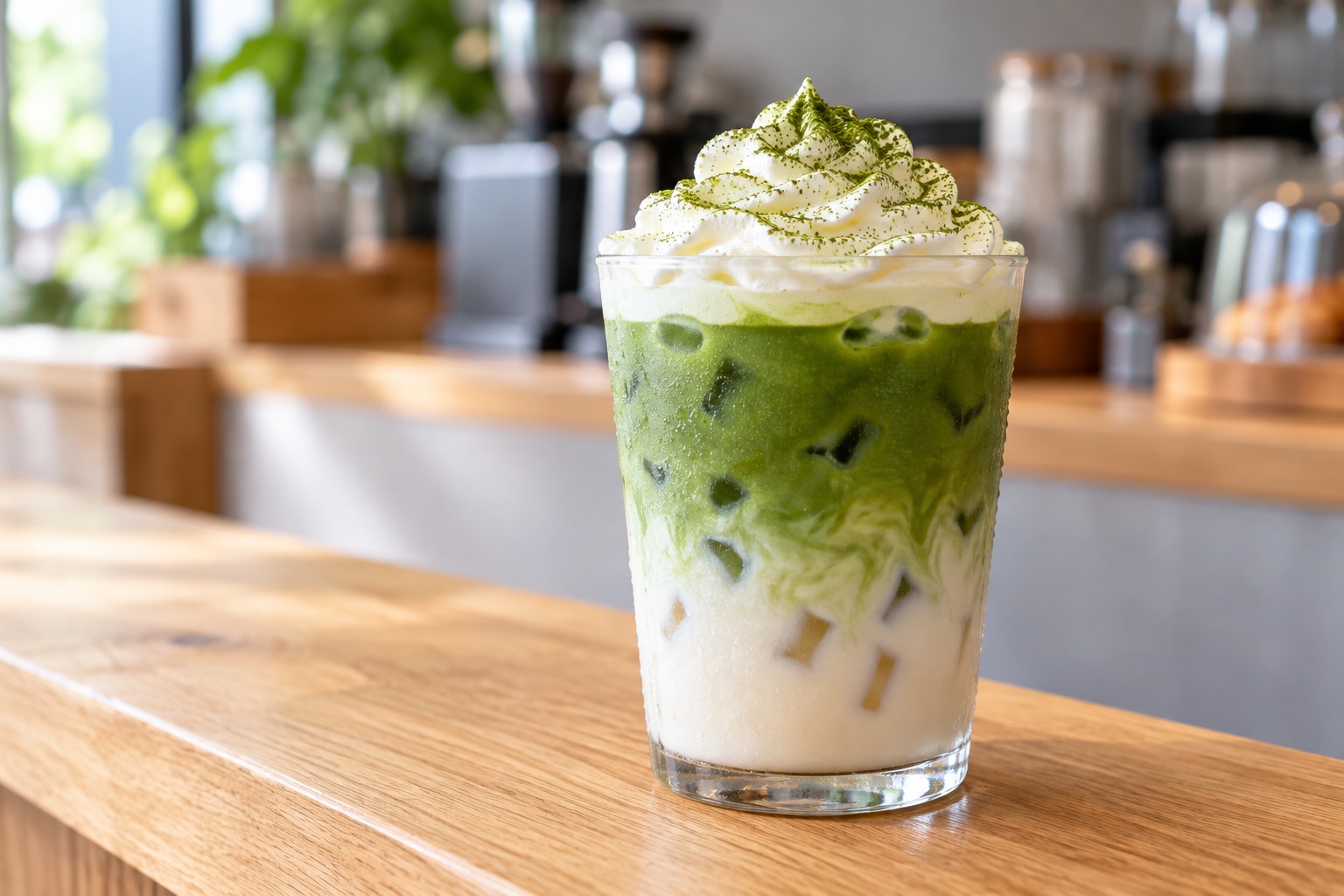
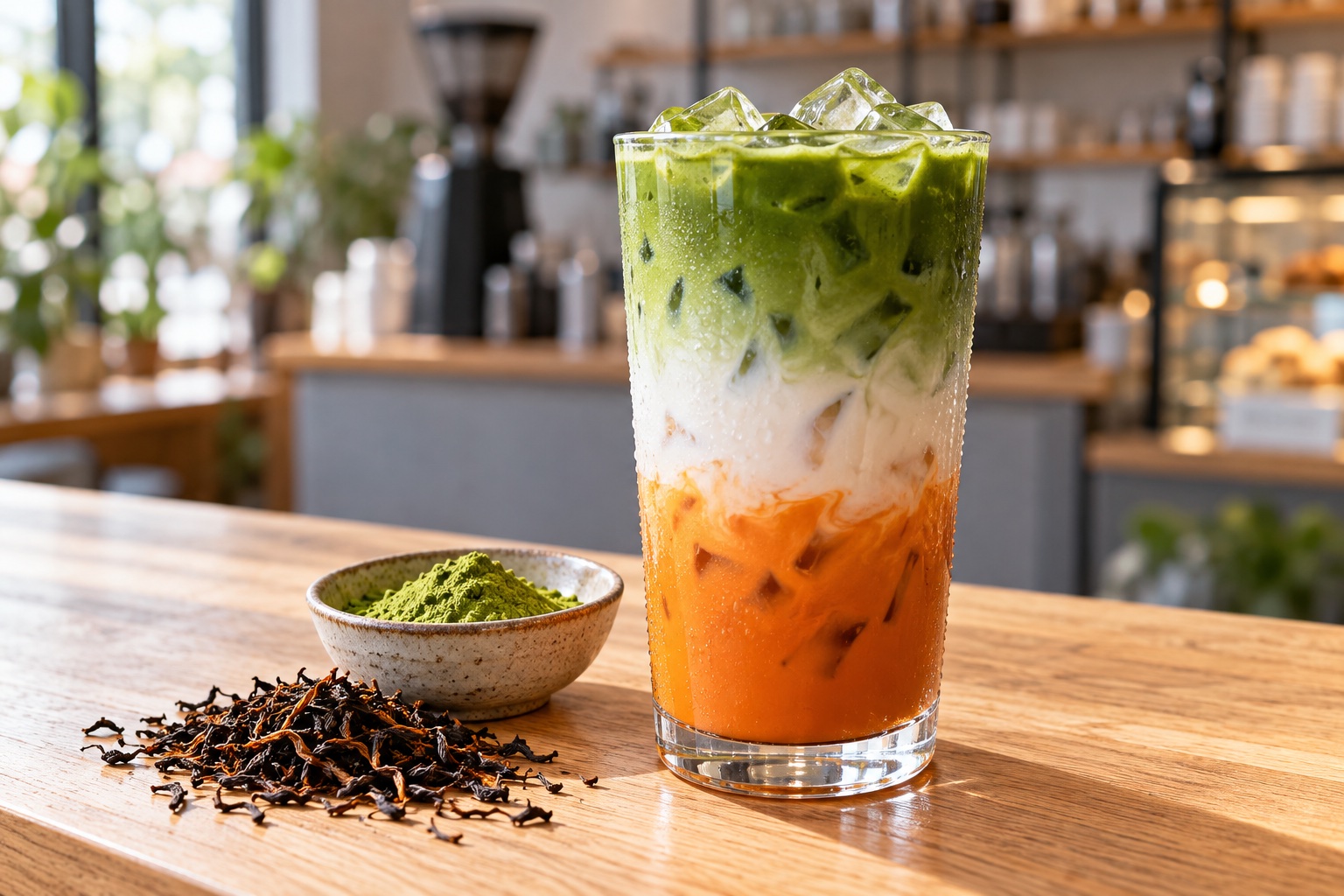
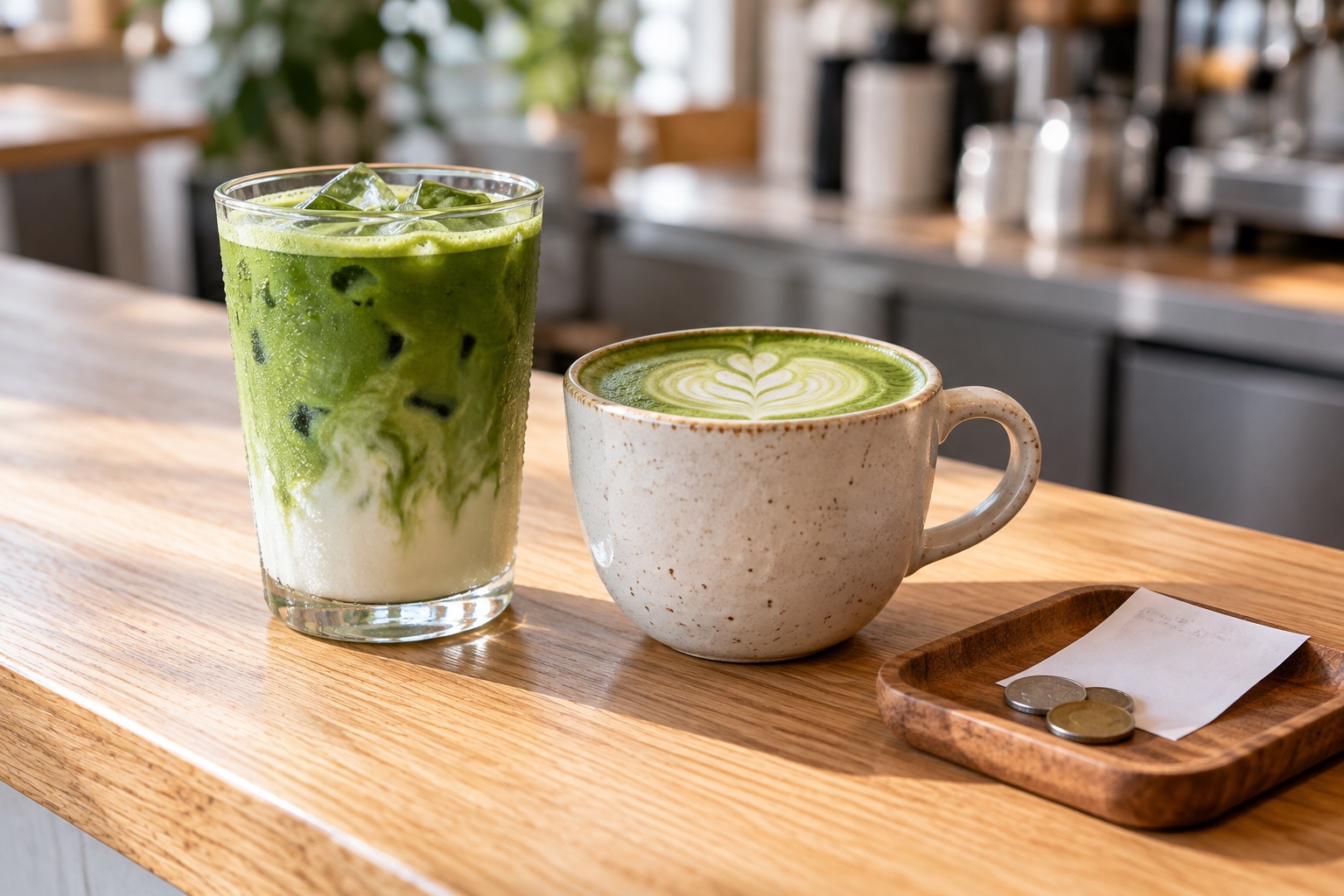
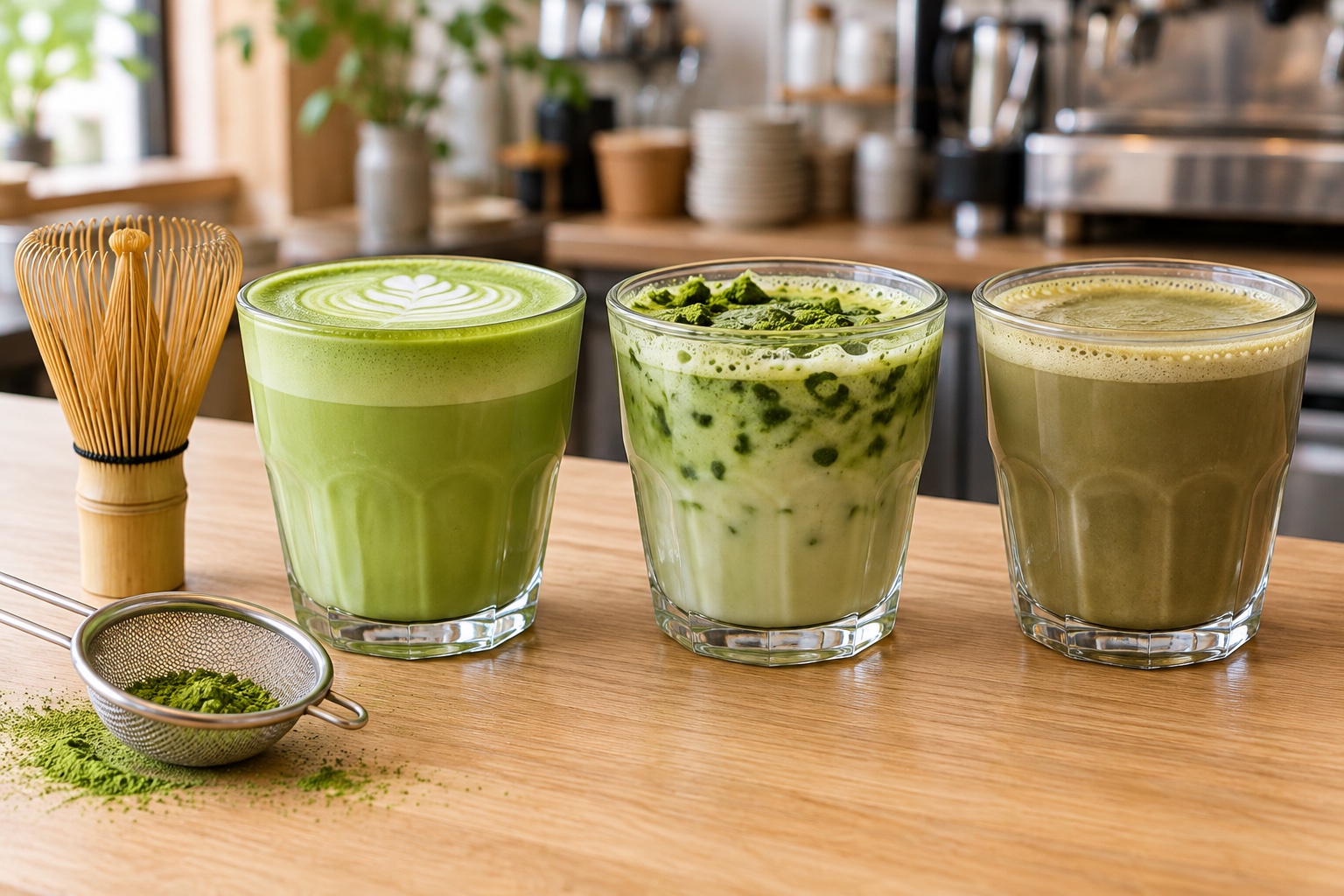
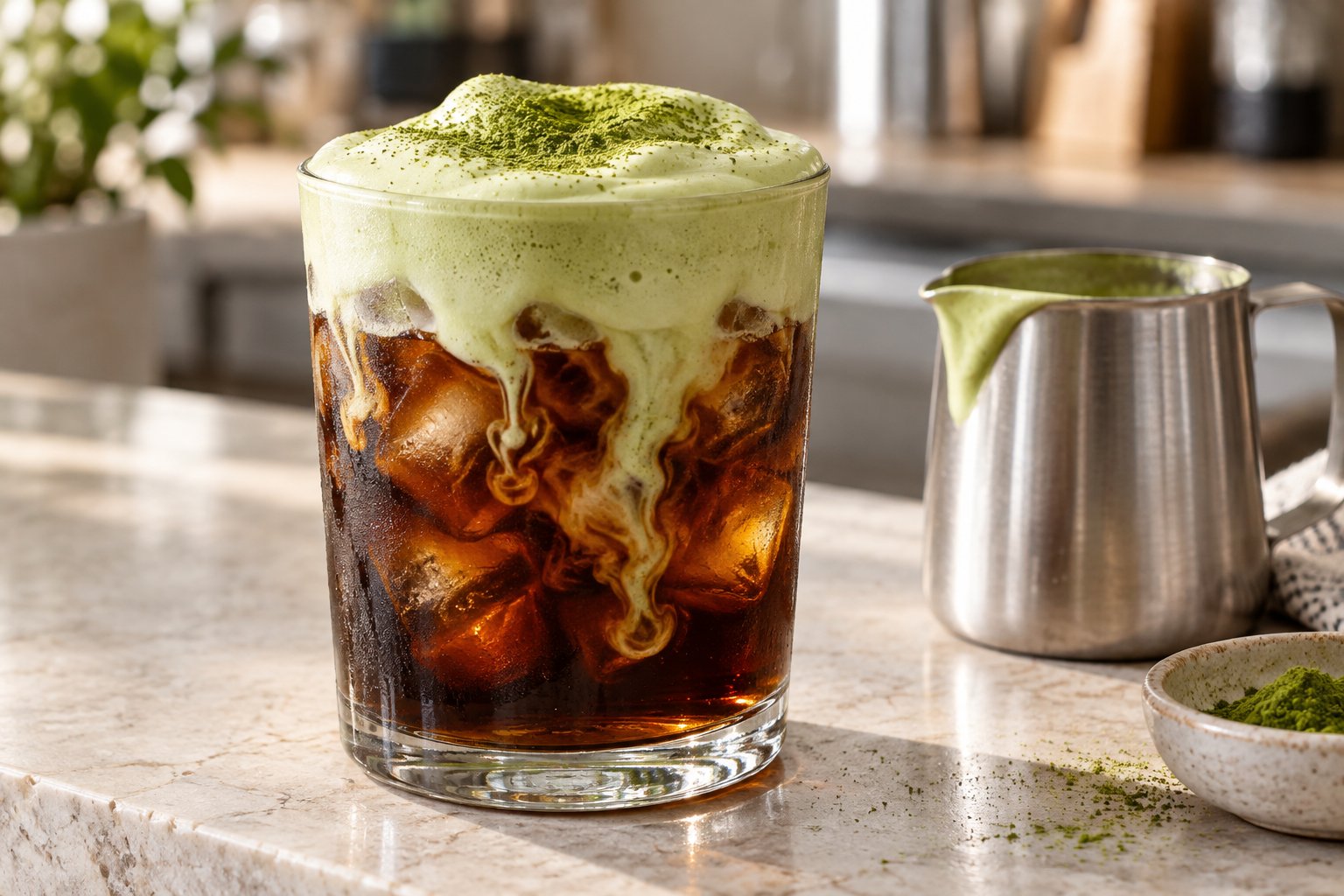
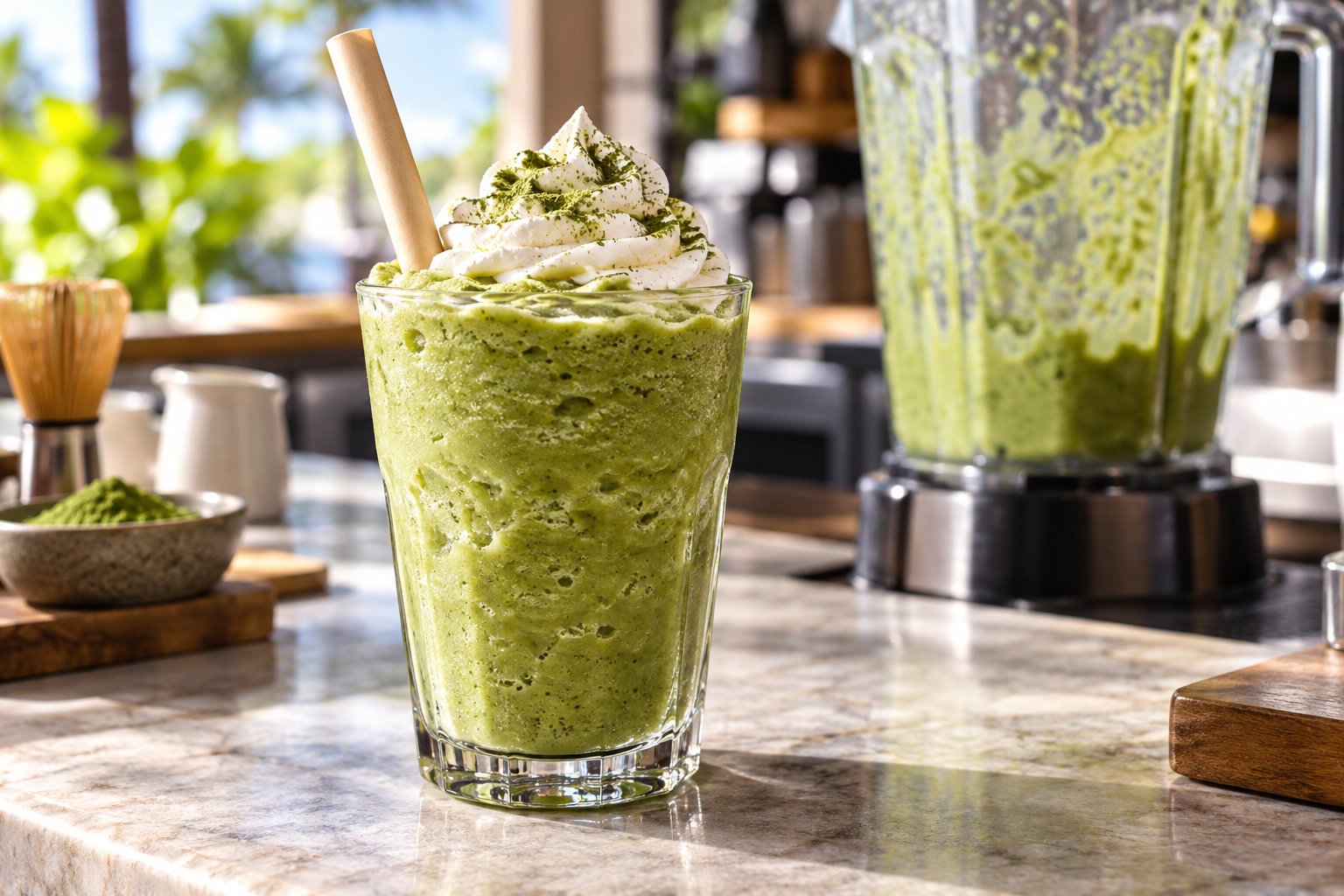
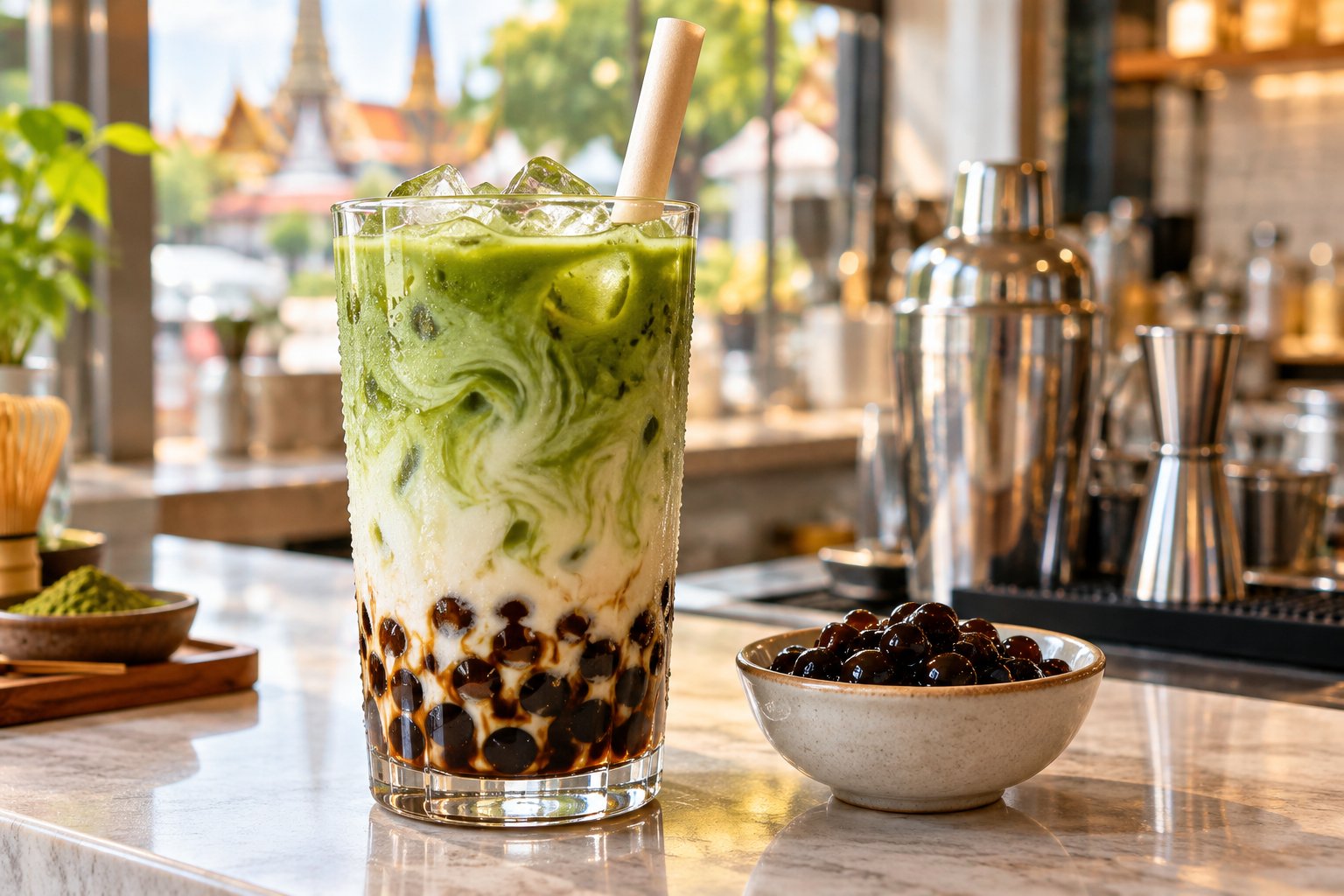
Matcha lattes with a white layer of cream on top are sold in cafés in Singapore, Thailand and Indonesia under names such as einspanner, sea salt cream, cheese and macchiato. They look similar, but in the official recipes the cream on top is either plain cream, cream with salt, or cream mixed with cream cheese, and the ratios and whipping differ. This article first checks what the name means in Viennese coffee, then compares official ratios from tea companies and appliance and food makers, and looks at cream fat content, keeping the layer, holding times, cost and what to check when buying.
What is a matcha einspanner?
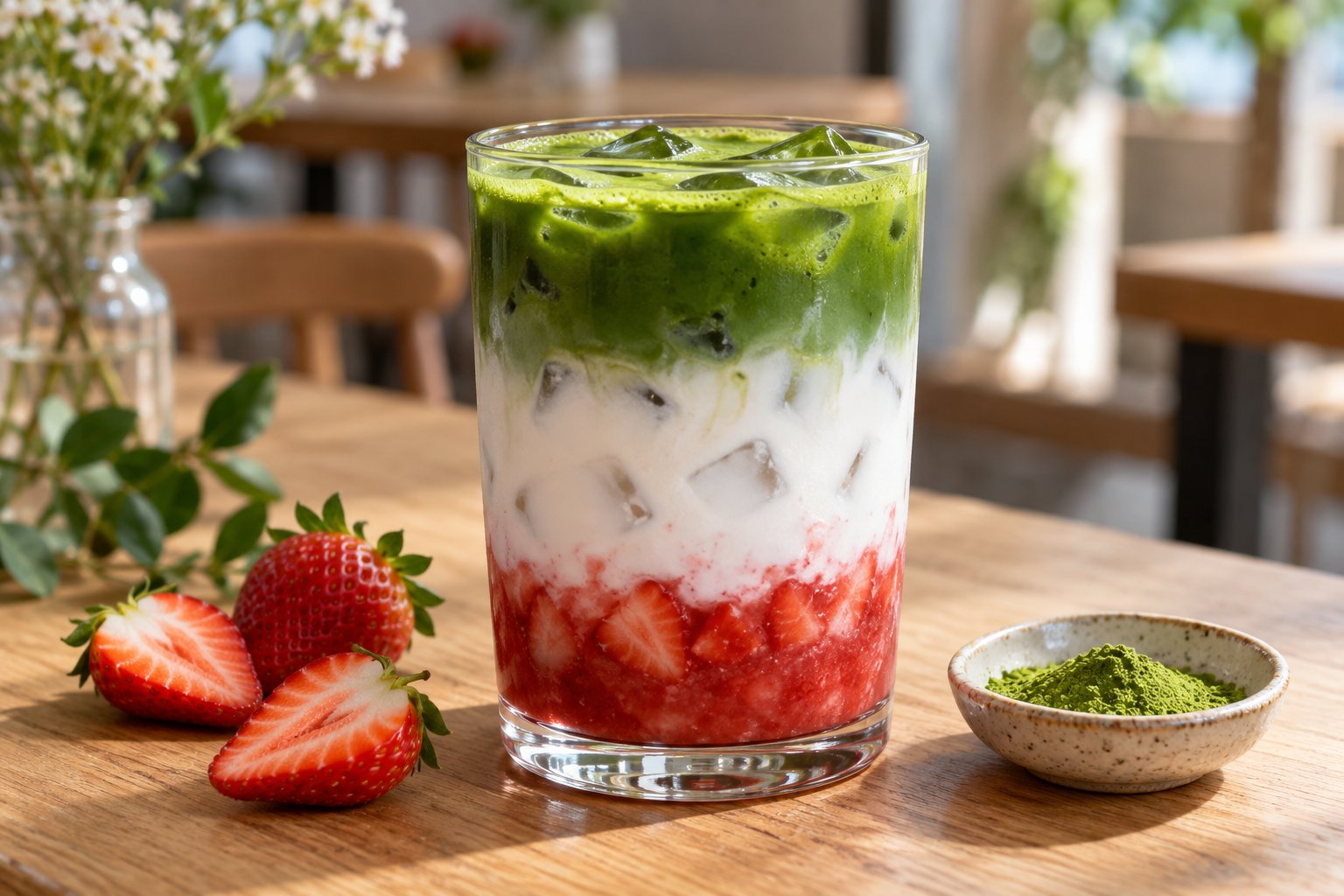
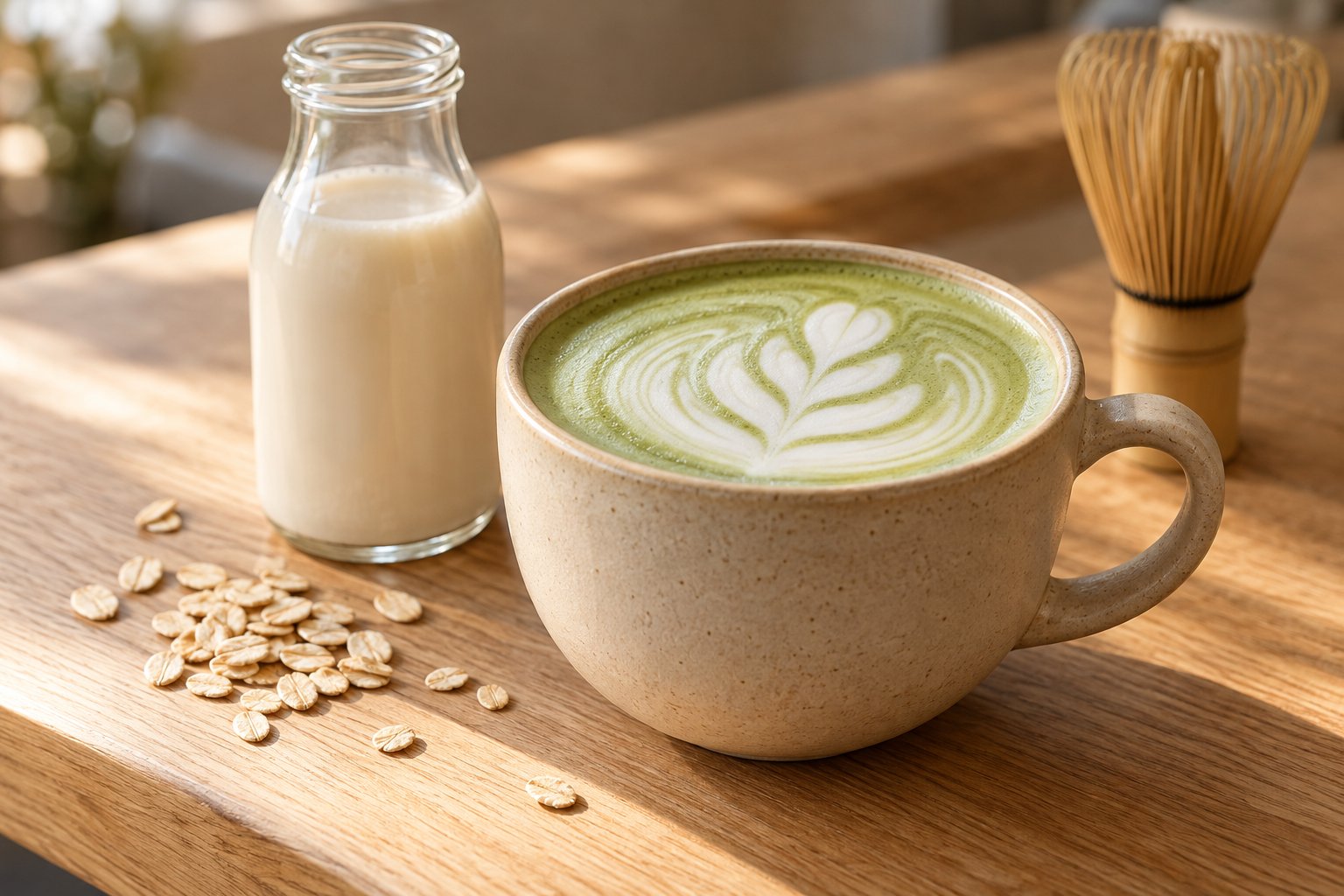
A matcha einspanner is a drink with a layer of whipped cream on top of a matcha latte. It comes from the Viennese coffee called the Einspänner.
The Viennese Einspänner
According to the Vienna Tourist Board, an Einspänner is originally a carriage pulled by one horse, and the coffee takes its name from it. To keep the coffee warm as long as possible while the coachman held it, a mocha (a double espresso) was topped with a large cap of whipped cream. Today, Viennese coffee houses serve it in a clear glass with a handle.
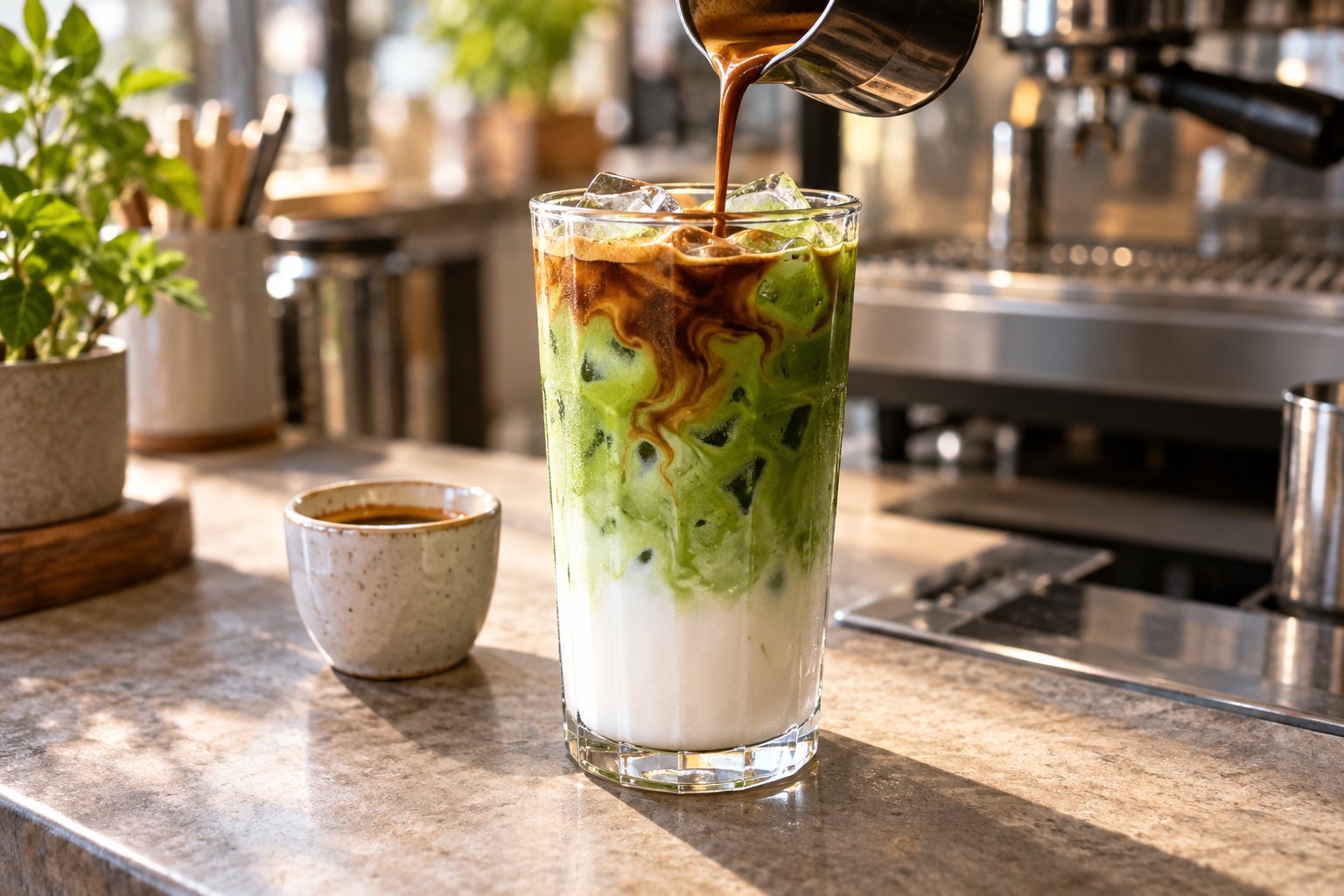
The same page also describes a coffee called the “Überstürzter Neumann”, where whipped cream goes into the cup first and the mocha is poured over it at the table. In an Einspänner the mocha stays black, while in this drink the coffee slowly mixes with the cream. Whether the cream goes on last or first changes how the layers look in the glass.
What changes in the matcha version
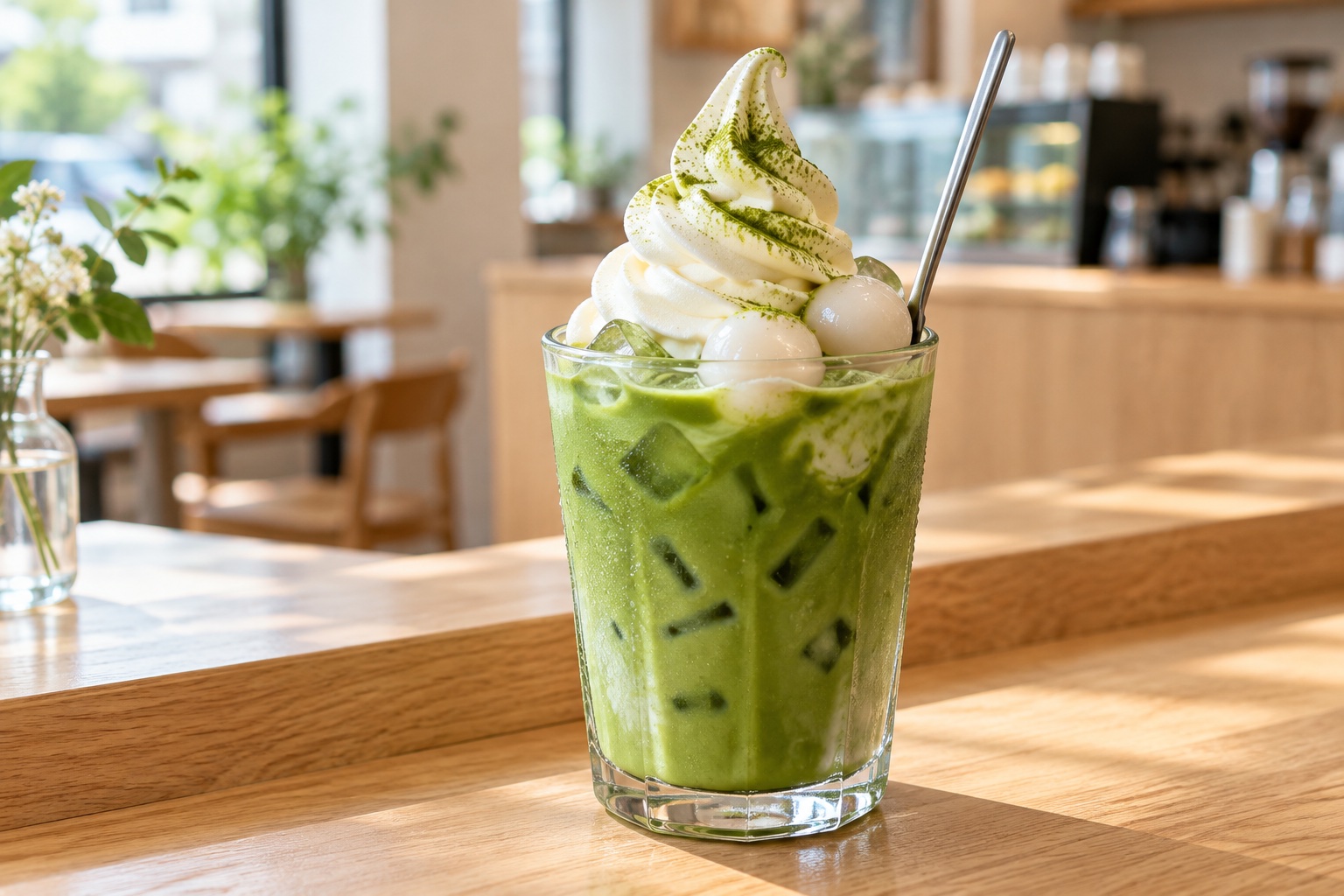
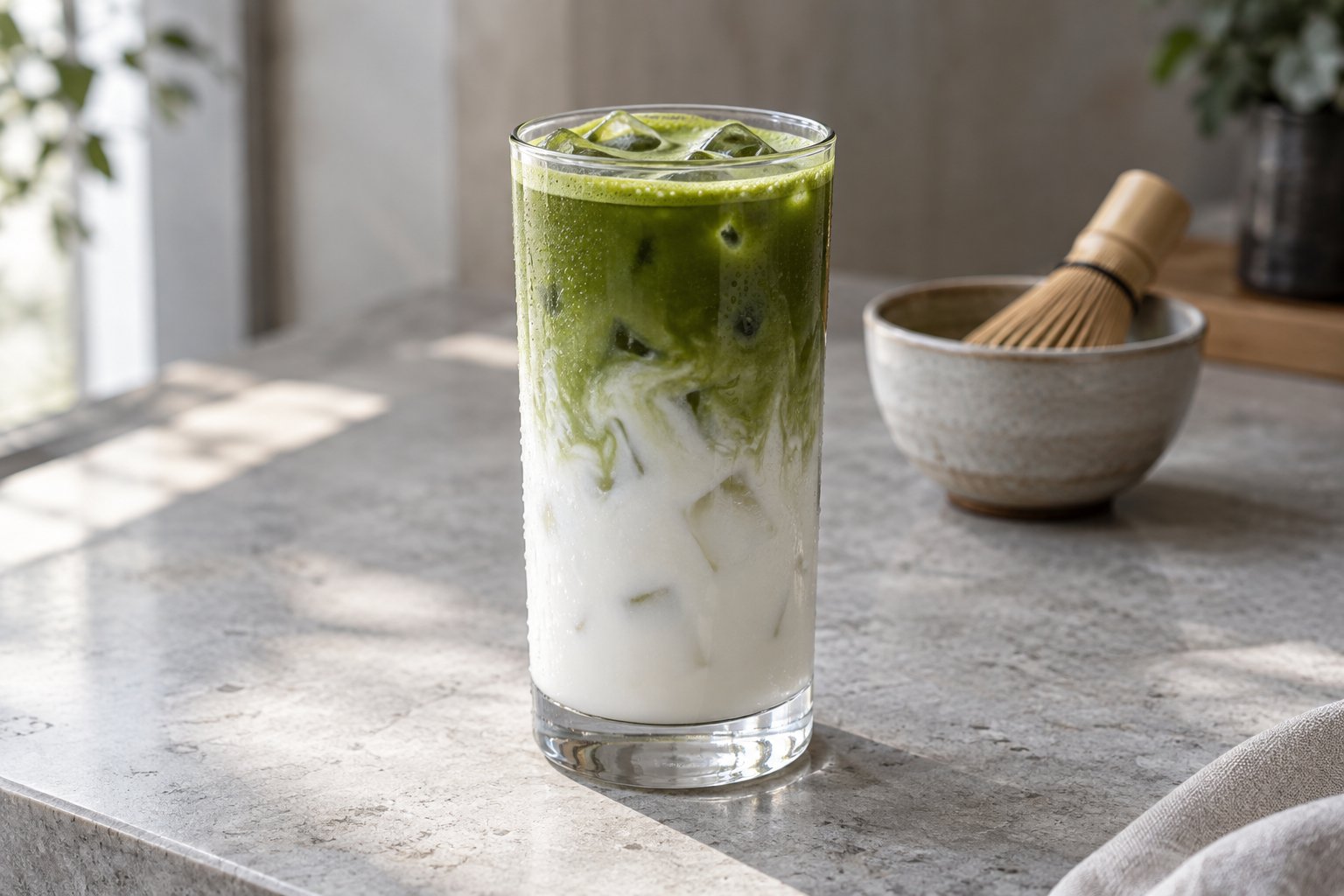
In the matcha version, matcha dissolved in hot water or a matcha latte replaces the espresso, and cream goes on top. The official recipe from Tenzo, a matcha company, also puts whipped cream on top of ice, milk and matcha dissolved in hot water. Tenzo’s recipe is mainly iced, and it also gives a hot version made with heated milk.
Cream-topped matcha drinks sold in cafés
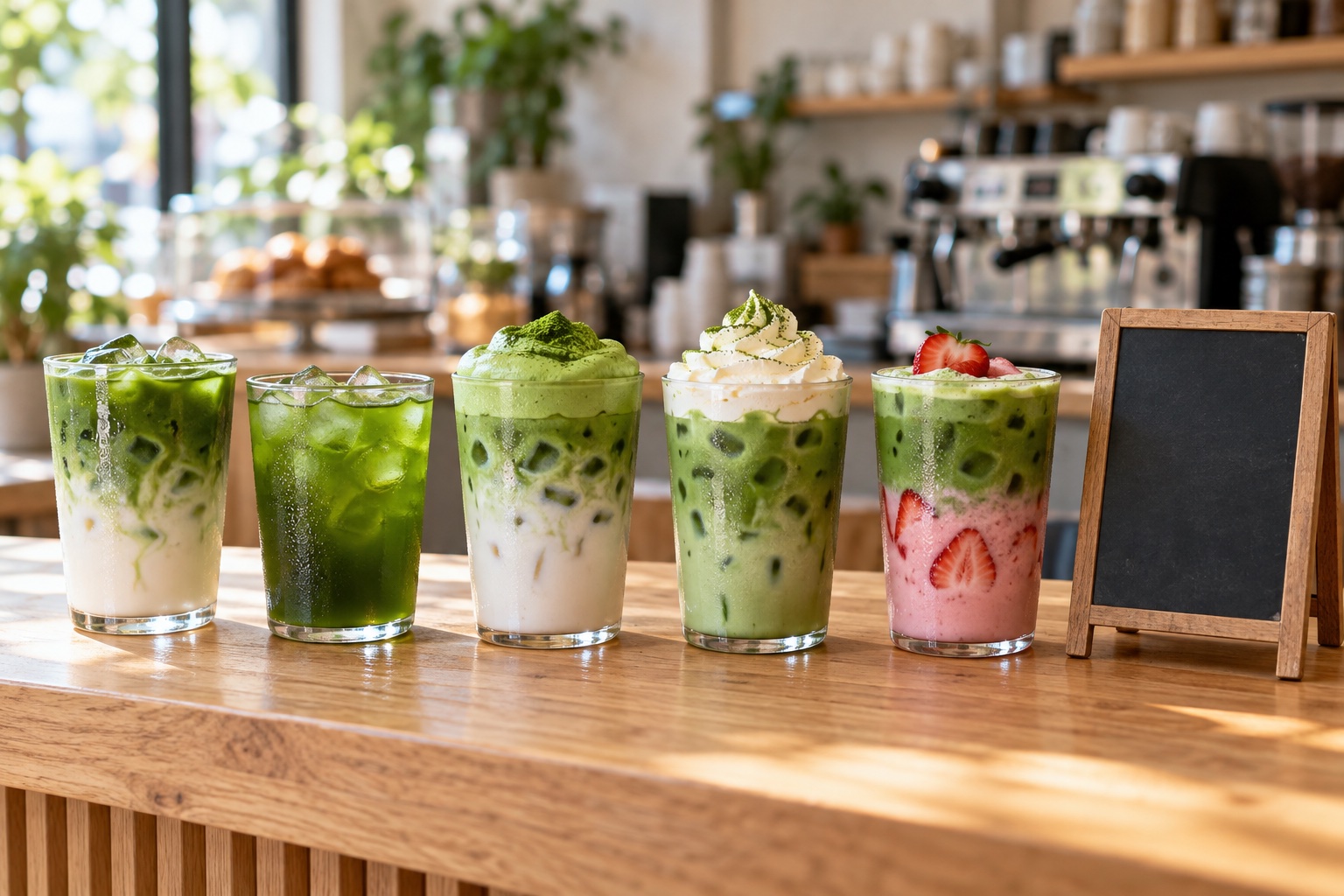
Cafés in Singapore, Thailand and Indonesia sell matcha drinks topped not only with plain cream but also with cream that has salt or cheese in the name. The names differ by café, so check what is inside from the menu description.
Singapore and Thailand
- Singapore: According to Grab’s articles, Matcha Next Door sells the “Honey Sea Salt Cloud Matcha Latte”, IKI IKI MATCHA sells the “Maple Sea Salt Cloud Matcha Latte”, and HALO Ube + Matcha sells the “Straight Matcha Ube Sea Salt Cloud”. Grab describes Matcha Next Door’s cloud lattes as having a whipped, cloud-style finish
- Thailand: CHAGEE launched a matcha series across Thailand on September 4, 2026, and says a “Cheese Cap”, a soft, creamy cheese layer on top, can be added to its limited-time “Lime Cheese Matcha Latte”. On the delivery menu of KOI Thé (The Mall Bangkae branch), the “Matcha Macchiato” is described as matcha topped with milk cream (ครีมนมสด), drunk by lifting the cup
Indonesia and the U.S.
- Indonesia: According to 2025 articles on the local site Orami, Maru Matcha in Bandung sells a “Matcha Einspanner” topped with thick milk cream, The Matcha Factory in Bandung sells “matcha chizu”, and in Jakarta Matchaman sells a “Honey Seasalt Cream Matcha Latte” and Matcha Bae sells a “Matcha Macchiato”
- U.S.: According to a VegNews article of March 31, 2026, Peet’s Coffee added an “Iced Ube Matcha Latte With Cream Top” to its spring menu. The article says it can be made dairy-free by leaving out the cream top and choosing a plant-based milk
Names and what they mean
By name, these examples fall into drinks topped with cream (Einspanner, Cream Top), drinks with salt in the name (Seasalt Cream, Sea Salt Cloud), drinks with cheese in the name (Cheese Cap, chizu), and drinks called macchiato. For Sea Salt Cloud, Grab’s articles do not say whether the foam is cream or milk. Some cafés, such as KOI Thé, use macchiato for a drink topped with milk cream. What a drink called macchiato meant in Chinese tea shops is covered later under “Sea salt cream and cheese foam”. The type made by frothing cold milk or cream without heating is covered in matcha cold foam, and the type topped with ice cream in matcha float.
Comparing the official recipe ratios
Official recipes that top the drink with whipped cream use about 20–60 ml of cream per cup. Some put the matcha in the drink below, and others mix it into the cream.
Three whipped cream recipes
| Source | Drink below | Cream on top | Whipping |
|---|---|---|---|
| Tenzo, “Matcha Einspanner Latte” | 1.5 tsp matcha dissolved in 2 oz (about 60 ml) hot water, just under 80°C. 4–6 oz (about 120–180 ml) milk, vanilla syrup, ice | 2 oz (about 60 ml) heavy cream, 1 tsp sugar | Soft peaks (the tip falls over softly) |
| Naoki Matcha, “Dalgona Whipped Matcha Latte” | Ice and milk | 60 ml heavy cream, 8 g sugar, 8 g matcha, 1/2 tsp vanilla extract | Until a soft, fluffy foam |
| Meiji, “Iced Matcha Cream Latte” | Matcha and granulated sugar dissolved in milk | 80 ml cream (4 servings, 20 ml per cup). Matcha dusted on top through a tea strainer | Bowl chilled in ice water, whipped to medium-soft peaks (“7-bu-date”) |
Ounces are converted at about 30 ml per ounce.
What the table shows
The recipes split into two by where the matcha goes. Tenzo and Meiji put matcha in the drink below and keep the cream white. Naoki mixes 8 g of matcha into the cream, with plain milk below. Matcha in the drink gives a white layer on top, and matcha in the cream gives a green one. The amount of cream is about 60 ml for Tenzo and Naoki and 20 ml for Meiji, a threefold difference.
Setting your café standard (our view)
From here on is our view, based on the comparison above. Start with about 30 ml of cream per cup, and decide by the thickness of the white layer you see at the top of the glass. If you also mix matcha into the cream, write the total grams of matcha in the drink and in the cream on the recipe card. The ratios for the iced matcha latte below are in how to make an iced matcha latte.
Cream fat content and how stiff to whip
Cream for whipping falls in the categories of 30% fat or more. The foam forms because fat droplets stick together and hold the air bubbles, so whipping changes with fat content and temperature.
Fat categories
| Source | Category and fat |
|---|---|
| U.S. Code of Federal Regulations, 21 CFR 131.150 | Heavy cream: at least 36% milkfat |
| U.S. Code of Federal Regulations, 21 CFR 131.157 | Light whipping cream: at least 30% but less than 36% milkfat |
| University of Guelph dairy textbook, Canada | Retail cream is standardized to 35% for whipping, and 18% or 10% for coffee and similar uses |
Cream with 18% or 10% fat for coffee does not fall into these whipping categories. When you buy cream in Singapore, Thailand or Indonesia, check the category by the fat content on the label.
How the foam holds together
According to the University of Guelph textbook, when cream is whipped, the fat droplets (fat globules) partly stick together in chains and clusters and attach around the air bubbles, holding the foam. Crystallized fat is essential for this, so whipping depends strongly on temperature, and if cream is whipped too far the fat separates and butter particles form. The same textbook says whipping cream is not normally homogenized (a process that breaks fat into smaller droplets), because homogenizing high-fat cream makes the droplets cluster, becomes too thick and loses its ability to whip.
How stiff to whip
In the official recipes, Tenzo whips to soft peaks, and Meiji and Nestlé Japan’s sea salt cream to medium-soft peaks (7-bu-date). Kai’s salted cream, covered below, is whipped to stiff peaks (9-bu-date), but it is for serving with scones or pancakes. For cream on drinks, most official recipes use medium-soft or soft peaks. Decide the stiffness by the thickness of the layer in your glass and how it mixes when drunk.
Sea salt cream and cheese foam
In official recipes, sea salt cream is 30 ml of cream with a pinch of salt, or 100 ml with 1/4 teaspoon, and cheese foam is cream cheese whipped with cream and milk. The salt and cheese change the taste and the cost.
Sea salt cream ratios
| Source | Ratio | Whipping |
|---|---|---|
| Nestlé Japan, salty cream latte | 30 ml cream, 2 tbsp sugar, a pinch of salt | Medium-soft peaks (7-bu-date). Put on 30 ml espresso base and 120 ml water |
| Kai, salted cream | 100 ml cream, 1/4 tsp salt | Stiff peaks (9-bu-date), for serving with food |
Nestlé Japan’s recipe says to stir it as you like after putting the cream on. “A pinch” varies, so weigh the salt in grams in your café.
On how salt changes taste, one study found that in solutions mixing a bitter substance and sweetness, salt suppressed bitterness more than sweetness (Breslin and Beauchamp, 1997, Nature). It was not tested on matcha drinks, so compare drinks with and without salt side by side and check how bitter the matcha tastes.
Cheese foam ratios, and the name macchiato
Vitamix’s official Japanese recipe puts 20 g of cream cheese, 50 ml of cream, 50 ml of milk and 1 teaspoon of honey in the blender container and runs it for 20 seconds at speed 1, then 20 seconds at top speed. It says top speed gives a firm foam like whipped cream. It also notes that depending on the drink, the foam can sink to the bottom of the cup, and that pouring gently with a spoon gives two clean layers.
Source: Vitamix Japan, “チーズフォーム” (Cheese foam, in Japanese) https://www.vita-mix.jp/recipe/cheese-foam/
Under the U.S. Code of Federal Regulations (21 CFR 133.133), cream cheese must have at least 33% milkfat and no more than 55% moisture. In the Vitamix ratio, 20 g of cream cheese is thinned with 100 ml of cream and milk.
In an article of July 19, 2017, New Zealand dairy company Fonterra described the “tea macchiato” (奶盖茶 in Chinese) popular in new tea shops in China. It is tea topped with a light layer of cream and cream cheese whipped together, and Fonterra says it is drunk at a 45-degree angle to get tea and topping in each mouthful. In Fonterra’s description, a tea macchiato means this type of drink.
Source: Fonterra, “They’re drinking our cream cheese in China with Naigai teas” https://www.fonterra.com/sea/en/our-stories/articles/theyre-drinking-our-cream-cheese-in-china.html (tea macchiato, 奶盖茶, is tea topped with a cap of cream and cream cheese whipped together; drunk at a 45-degree angle; the company says its cream and cream cheese are stable when whipped, so the cap holds its shape and does not sink or split)
Sweetening
Sweeteners in the official recipes are 1 teaspoon of sugar for Tenzo, 8 g of sugar for Naoki, 2 tablespoons of sugar for Nestlé Japan and 1 teaspoon of honey for Vitamix. If the drink below also has syrup, decide by the total sugar per cup. Using a syrup with matcha and sugar dissolved in advance is covered in matcha syrup.
Pouring so the layer stays
The cream layer holds better if the drink goes in first and the cream is placed gently on top with a spoon. Vitamix notes that depending on the drink, the cream can sink to the bottom of the cup.
Order in the official recipes
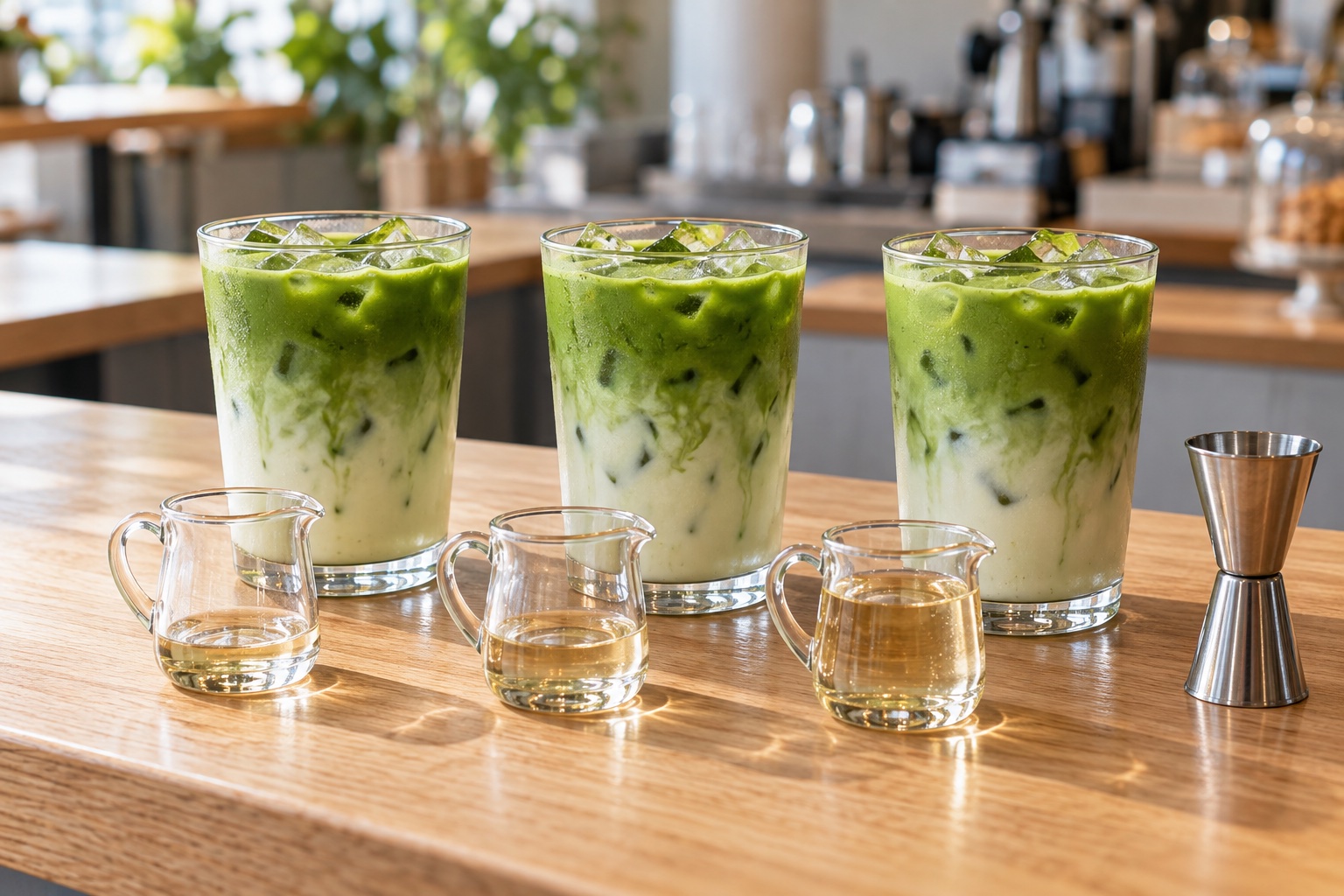
- Tenzo: ice, vanilla syrup, milk and dissolved matcha go into the glass in that order, then whipped cream on top. Dust with matcha
- Naoki: pour milk into a glass with ice, then top with the matcha whipped cream
- Vitamix: pouring gently with a spoon gives two layers. Depending on the drink, it can sink to the bottom of the cup
The Viennese Einspänner also puts cream on top of the mocha. In the Überstürzter Neumann, where cream goes in first and mocha is poured over it, coffee and cream mix. For a menu that shows layers, put the drink in first and the cream last.
What to check when it sinks or mixes (our view)
From here on is our view.
- Not whipped enough: compare with cream whipped to medium-soft peaks
- Cream fat too low: check on the label that it is in a 30%-or-more category
- Poured too hard: pour over the back of a spoon from a low height
- Not enough ice: with ice up near the surface of the drink, the cream sits on the ice
What to tell customers
Nestlé Japan’s recipe says to stir as you like, and Fonterra says to tilt the glass and drink tea and cream together. KOI Thé serves its macchiato as a drink you lift and drink. Tell customers on the menu or at the counter whether to stir it or drink it as it is.
Prep and holding times
Under the U.S. FDA Food Code 2022, foods such as cream are held at 5°C or below. If time is used instead, mark the time 4 hours later and serve or throw away the food by then (up to 6 hours if other conditions are met). This is food safety guidance, not a measure of how long the foam keeps its shape.
Public food safety guidance
The Food Code 2022 says food that needs temperature control is held at 5°C (41°F) or below. When it is taken out of temperature control and time is used instead, the conditions are:
- Write the method in advance, keep it in the establishment, and show it to the health authority on request
- The food is at 5°C or below when taken out of temperature control
- Mark the time 4 hours later on the container, and serve or throw away the food within 4 hours. Throw away anything unmarked
- To extend to 6 hours, there are other conditions, such as checking that the food does not go above 21°C and marking the time 6 hours later
The Food Code is a model that U.S. states and local governments use when they write their rules. A comparison including Singapore Food Agency (SFA) guidance is in the “Prep and holding times” section of matcha cold foam. Check the standard that actually applies in the rules of your country or city.
Prep before opening (our view)
From here on is an example of our procedure, based on the guidance above.
- Mix cream, sugar and salt, and keep it in the refrigerator at 5°C or below. Write the time it was made on the container
- For cheese foam, thinning the cream cheese with milk in advance makes it easier to mix per order
- Whip per order, or just before busy periods
- Return whipped cream to the refrigerator, compare it with freshly whipped cream, and decide in your café how many minutes it can be served at the same firmness
As the Guelph textbook explains, whipping depends on temperature, so chill bowls and pitchers too.
Cost per cup and labelling
The matcha cost per cup is the total grams of matcha in the drink and the cream × the price per kg ÷ 1,000. Calculate cream and cream cheese by their amount before whipping.
The cost formula
Add the following to get the ingredient cost per cup.
- Cream: price per pack ÷ volume × amount per cup (ml before whipping)
- Cream cheese: price per box ÷ weight × grams per cup
- Sugar, salt, syrup, milk for the drink below, ice
- Cup, lid, straw
Cream is about 60 ml for Tenzo and Naoki and 20 ml for Meiji, a threefold difference, so decide the amount on top before working out the cost. How the price of matcha is set is in what decides the price of matcha, and how to choose matcha for your selling price is in choosing matcha for café lattes.
Milk as an allergen
The Food Code 2022 lists milk as a major food allergen, and says customers must be told in writing when unpackaged food contains a major food allergen. Cream and cream cheese are both milk, so switching the latte to plant-based milk still leaves milk in the cream layer. Like Peet’s Coffee, you can decide to leave off the cream top for dairy-free orders.
Nutri-Grade in Singapore
According to Singapore’s Health Promotion Board (HPB), freshly prepared drinks sold at food and beverage outlets have been covered by “Nutri-Grade” since December 30, 2023. The grade is set by sugar and saturated fat, and drinks graded C or D must be labelled on the menu. Toppings must have their sugar content declared on menus and similar materials. Smaller businesses with revenue of S$1 million or less that sell at fewer than 10 premises are, for now, not required to label. Count the cream and cream cheese in the saturated fat per cup, and work out the grade after deciding the amount of cream. More on the scheme is in strawberry matcha latte.
What to check when buying
Choose cream by fat content and category, cream cheese by fat and moisture, and matcha by its color and bitterness with the cream.
Cream and cream cheese
- Whether the fat on the cream label is in a 30%-or-more category (under U.S. standards, heavy cream is at least 36% and light whipping cream at least 30% but less than 36%)
- Whipping products made with vegetable fat have different ingredients from cream made only from milk, so check the ingredient and allergen labels
- For cream cheese, check the standard fat content (at least 33% in the U.S.) and test how it mixes when thinned with milk
- The temperature it arrives at when chilled, and how many days you have to use it after opening
Choosing the matcha (our view)
From here on is our view.
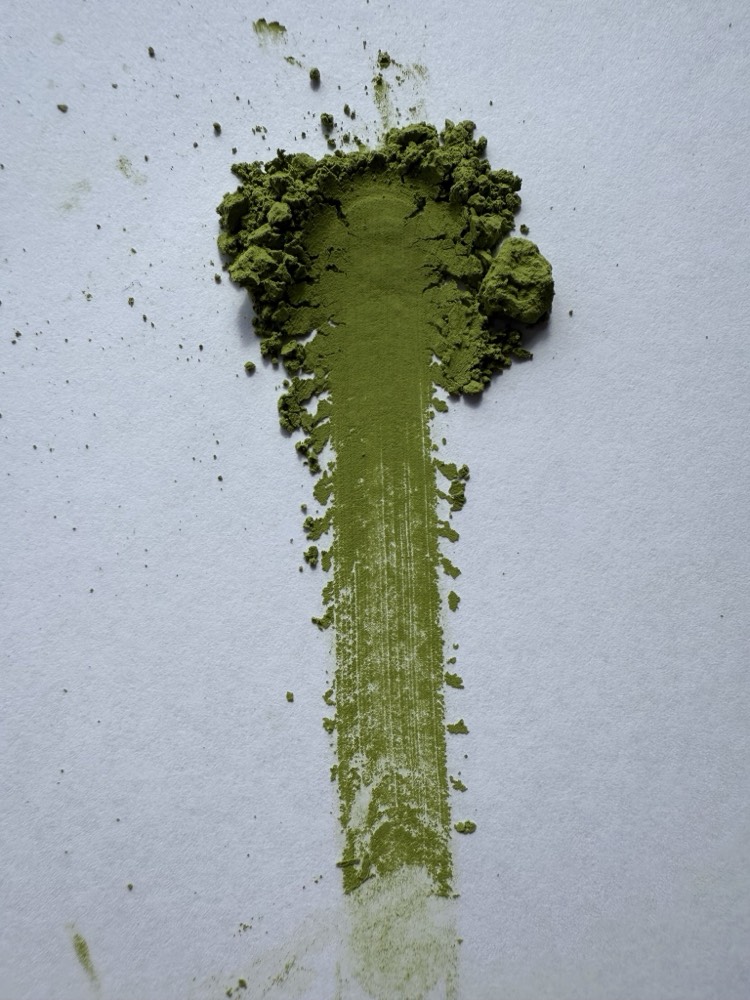
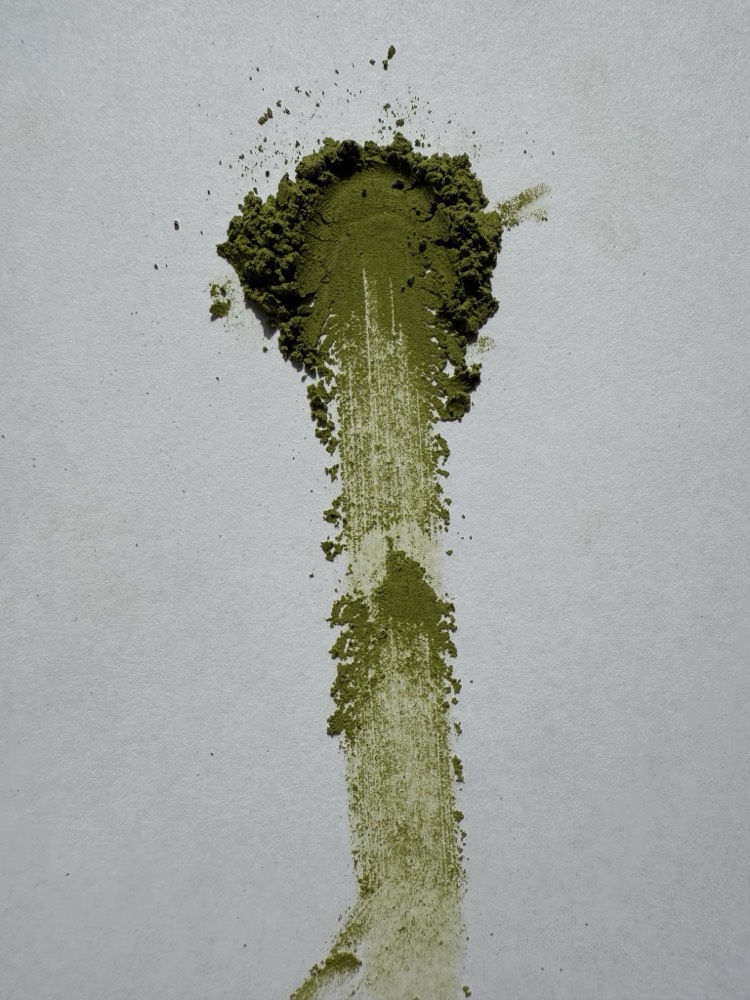
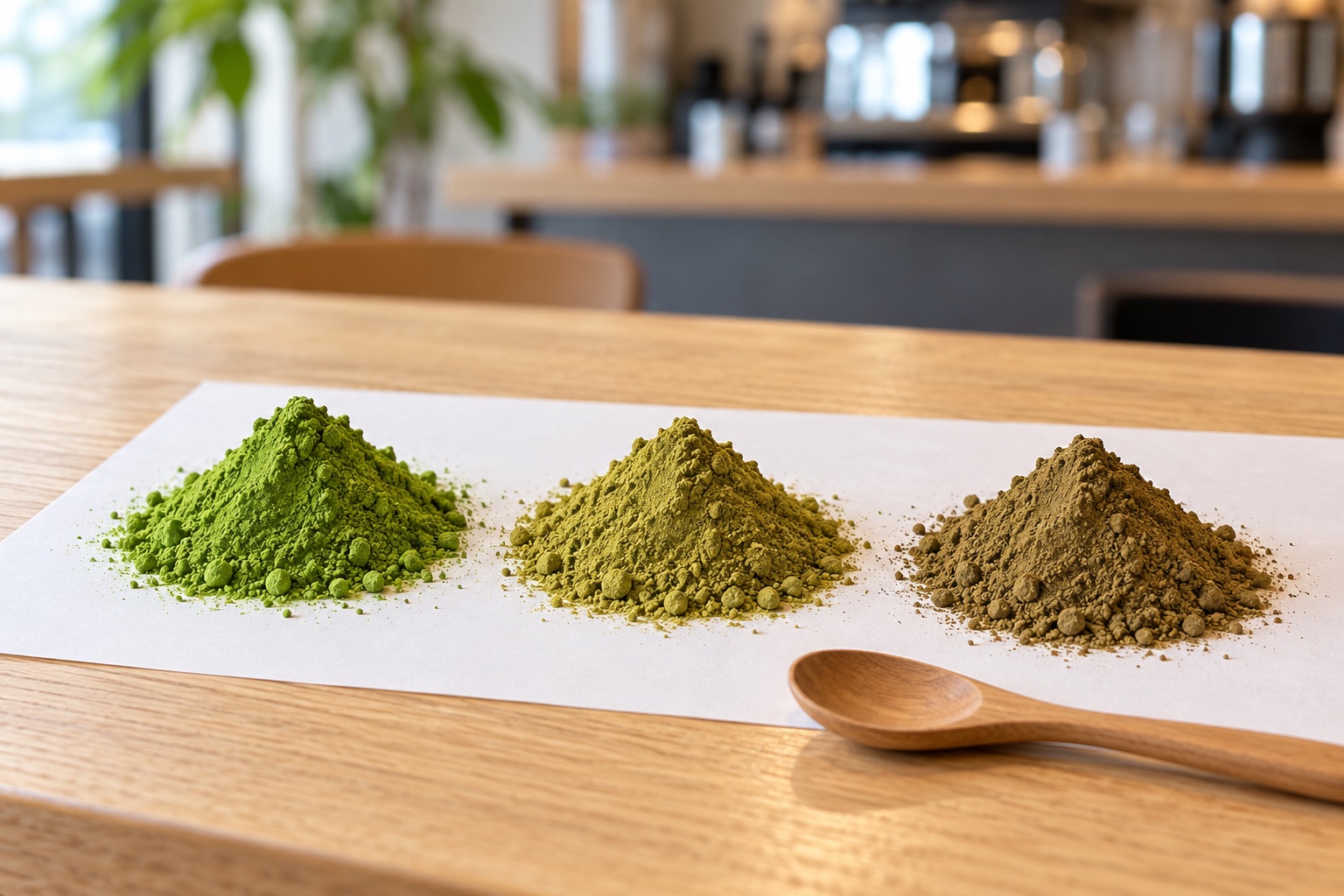
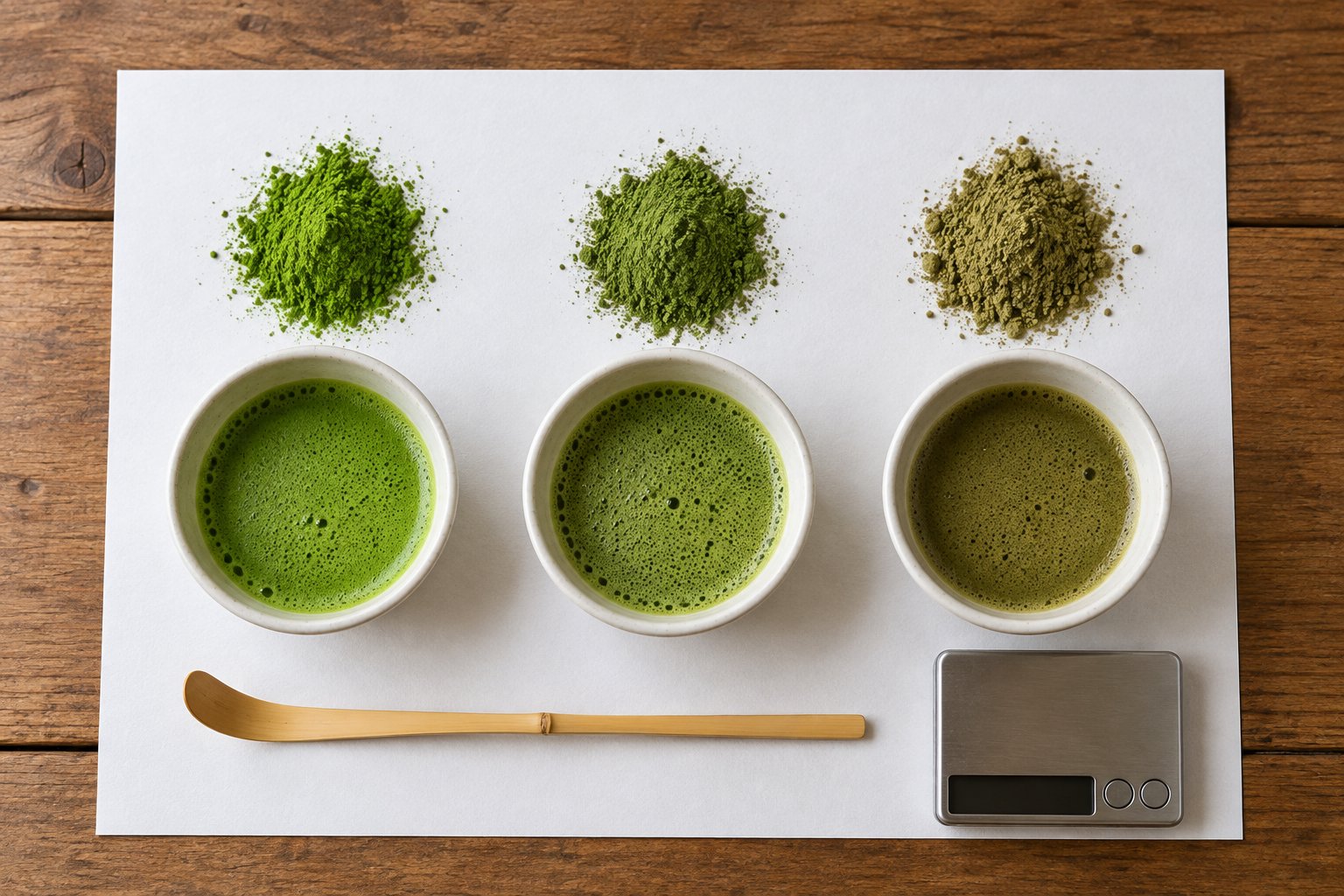
- Make your café’s iced matcha latte with each candidate matcha, top them with the same cream, and line them up
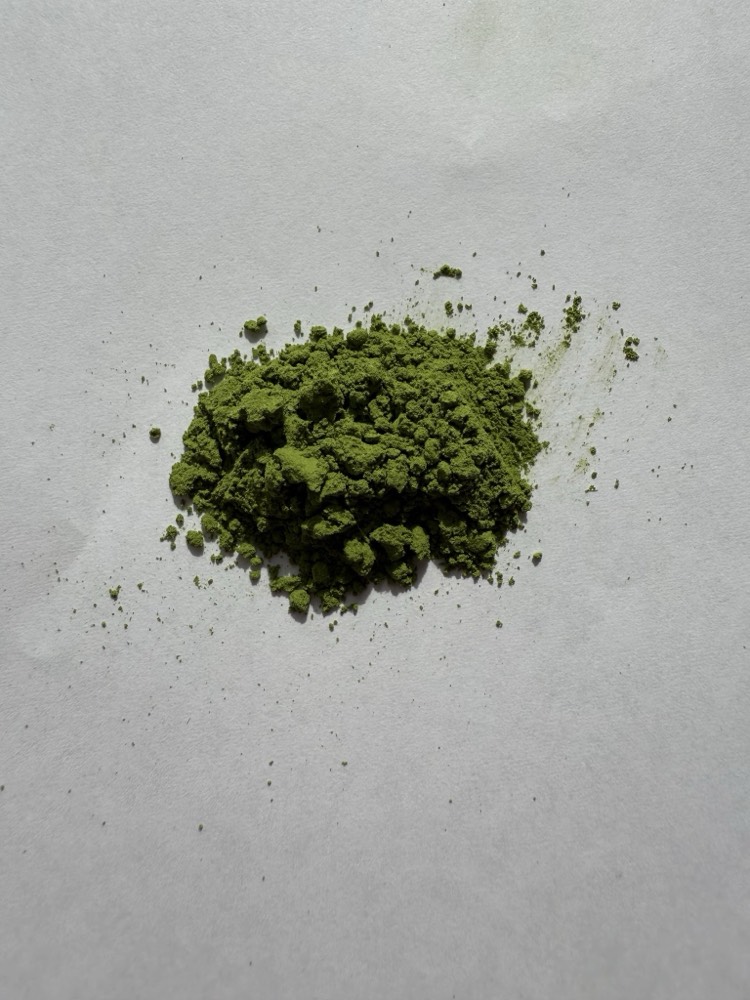
- If you mix matcha into the cream, check the green color after whipping and whether lumps remain
- For sea salt cream and cheese foam, check that the matcha’s aroma and bitterness stand up to the salt in the cream or the tang of the cheese
- Work out the matcha cost per cup, and decide together with your selling price
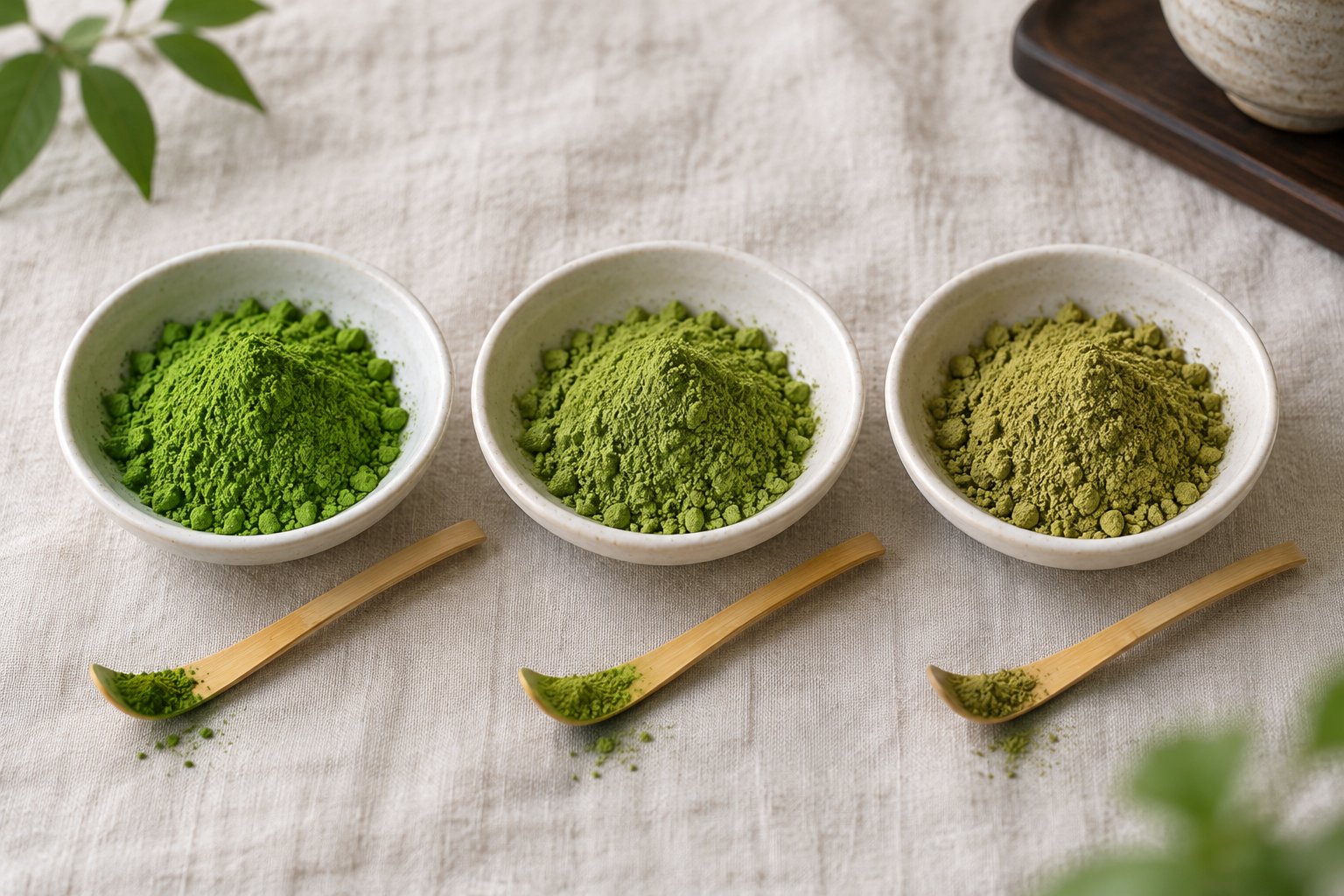
Differences by harvest and raw material are in matcha grades, and differences by region in matcha origins.
Omakase Matcha handles matcha sourced from the regions of Uji, Yame, Shizuoka, Kagoshima and Miyazaki. Orders start from 1kg, you can request up to 3 samples, and we can help adjust blends to suit your café’s menu. Request samples for testing from samples.
Sources
- Vienna Tourist Board (WienTourismus), “Kurioses aus der Wiener Küche” (Curiosities of Viennese cuisine, in German) https://www.wien.info/de/essen-trinken/wiener-kueche/kurioses-350558
- Grab, “Matcha Singapore: Order Matcha Drinks Delivered to Your Door” https://www.grab.com/sg/articles/food/matcha-singapore/
- Grab, “Matcha Orchard: Find and Order Matcha Cafes in Singapore” https://www.grab.com/sg/articles/food/matcha-orchard/
- ThaiPR.NET, “CHAGEE and The Little Prince Bring Pure Matcha to Every Cup” https://www.thaipr.net/?p=3756497
- Wongnai x LINE MAN, “KOI Thé เดอะมอลล์ บางแค” (KOI Thé The Mall Bangkae, in Thai) https://www.wongnai.com/delivery/businesses/390150zU/order
- Orami, “7 Rekomendasi Matcha Cafe di Bandung yang Wajib Dikunjungi!” (August 21, 2025, in Indonesian) https://www.orami.co.id/magazine/rekomendasi-matcha-cafe-di-bandung
- Orami, “6 Rekomendasi Matcha Cafe di Jakarta, Cocok untuk Matcha Lovers!” (June 9, 2025, in Indonesian) https://www.orami.co.id/magazine/matcha-cafe-di-jakarta
- VegNews, “Ube, Matcha, and Lavender Take Over Peet’s Spring Drinks Menu” (March 31, 2026) https://vegnews.com/peets-coffee-spring-menu-vegan
- Tenzo, “Matcha Einspanner Latte” https://tenzotea.co/blogs/matcha-handbook/matcha-einspanner-latte
- Naoki Matcha, “Make tasty Dalgona Whipped Matcha latte at home easily” https://naokimatcha.com/blogs/recipes/make-tasty-dalgona-whipped-matcha-latte-at-home-easily
- Meiji, “アイス抹茶クリームラテ” (Iced matcha cream latte, in Japanese) https://www.meiji.co.jp/meiji-shokuiku/shokuikurecipe/recipe/0363.html
- Nestlé Japan, ““ネスカフェ エスプレッソベース”でソルティークリームラテ” (Salty cream latte, in Japanese) https://nescafe.nestle.jp/recipes/espresso-base-solty-cream-latte
- Kai, “塩生クリーム” (Salted cream, in Japanese) https://www.kai-group.com/fun/recipe/detail/901/
- Vitamix Japan, “チーズフォーム” (Cheese foam, in Japanese) https://www.vita-mix.jp/recipe/cheese-foam/
- Fonterra, “They’re drinking our cream cheese in China with Naigai teas” (July 19, 2017) https://www.fonterra.com/sea/en/our-stories/articles/theyre-drinking-our-cream-cheese-in-china.html
- U.S. Code of Federal Regulations, 21 CFR 131.150 Heavy cream https://www.ecfr.gov/current/title-21/section-131.150
- U.S. Code of Federal Regulations, 21 CFR 131.157 Light whipping cream https://www.ecfr.gov/current/title-21/section-131.157
- U.S. Code of Federal Regulations, 21 CFR 133.133 Cream cheese https://www.ecfr.gov/current/title-21/section-133.133
- University of Guelph, “Dairy Science and Technology eBook: Overview and Fluid Milk Products” https://books.lib.uoguelph.ca/dairyscienceandtechnologyebook/chapter/overview-and-fluid-milk-products/
- Breslin PAS, Beauchamp GK, “Salt enhances flavour by suppressing bitterness”, Nature 387:563 (1997) https://www.nature.com/articles/42388
- U.S. Food and Drug Administration, “Food Code 2022” §1-201.10, §3-501.16, §3-501.19, §3-602.12 https://www.fda.gov/media/164194/download
- Health Promotion Board, Singapore, “Measures for Nutri-Grade” https://hpb.gov.sg/healthy-living/food-beverage/nutri-grade