
 Reviewed by: Takahiro Sugiyama (CEO, meguri Inc.)
To open a matcha cafe or matcha stand, you prepare in this order: a business licence, a food hygiene course, equipment and a menu. The steps that are specific to matcha are how you handle the powder and how much you buy. We checked the procedures published by government agencies in Singapore and Thailand and put them in order.
Two things to decide first
The first decisions are your shop format and whether you will import matcha yourself. The format decides which licence you need, and importing decides how many procedures you go through.
Shop format
A matcha business can take these forms:
- A cafe with seating
- A takeaway-only stand or kiosk
- A stall unit inside a food court or coffeeshop
- A stall at an event or market
In Singapore, these differences map directly to different licences. In Thailand, the procedure depends on whether the shop is larger than 200㎡.
Where to buy matcha
If you import matcha from Japan under your own company name, you need registration and permits for importing food, separate from your business licence. You do not need them if you buy from a local importer. For your first shop, leaving out the import procedures shortens the preparation time. You can decide whether to import yourself once you know how much you use.
Singapore licences: Food Shop Licence and Food Stall Licence
To make and sell drinks in Singapore, you need a licence from the Singapore Food Agency (SFA). SFA states that operating a food retail business without an SFA licence is an offence.
Licence type by format
In SFA’s categories, restaurants, coffeeshops, food courts and takeaway kiosks are Food Shops. A takeaway-only matcha stand that operates on its own needs a Food Shop Licence.
Source: Singapore Food Agency (SFA), “Businesses that Need Licence / Permit for Food Retail” https://www.sfa.gov.sg/food-retail/licence-permit/businesses-that-need-licence-permit-for-food-retail
| Format | SFA licence | Fee |
|---|---|---|
| Cafe or standalone kiosk | Food Shop Licence | S$195 a year |
| Stall unit inside a multi-unit premises such as a food court | Food Stall Licence | S$32 a year, or S$64 for 2 years |
| Event or fair | The organiser obtains a Temporary Fair Permit, and stall licences are issued through the organiser | S$60 per permit (organiser) |
If you run a stall unit but are responsible for your own refreshment area, it is a Food Shop.
From application to opening
You apply for a Food Shop Licence on GoBusiness, the government’s online licensing portal. The steps published by SFA are:
- Apply with a layout plan showing the scale and dimensions, equipment such as sinks, wash basins and exhausts, and the boundary of the refreshment area
- SFA reviews the application within 7 working days and notifies you of the approved layout plan
- Start renovation and install equipment after approval
- Submit the remaining documents within 2 months of applying: URA (Urban Redevelopment Authority) change of use approval or HDB (Housing & Development Board) approval, the tenancy agreement with its stamp duty certificate, a cleaning programme and a pest control contract
- Pass the pre-licensing inspection, either by booking a virtual inspection at least 5 working days ahead or by sending photos
- Pay within 28 days of the payment notification. If you do not use GIRO (direct debit), you may start operating only after payment
Start renovation only after SFA has approved your layout plan. The licensee name and licence type cannot be changed later, and licences cannot be transferred.
Singapore food hygiene course: WSQ Food Safety Course Level 1
Everyone who handles food or drinks in an SFA-licensed premises must have passed the WSQ Food Safety Course Level 1 (FSC L1). SFA lists the Basic Food Hygiene Course as its former name.
Course length and refresher timing
| Course | Length |
|---|---|
| FSC L1 | 6 hours of training + 1.5-hour assessment |
| FSC L1 refresher | 3 hours of training + 1.5-hour assessment |
The first refresher is due within 5 years of first passing FSC L1, and each later one within 10 years of passing the previous refresher. Anyone who misses the deadline cannot handle food until they retake and pass a course. Training is given only by providers approved by SkillsFuture Singapore (SSG), and you ask each provider for fees.
Registering staff
SFA’s examples of food handlers include bartenders and mixologists. Staff who prepare matcha also count as people who handle food or drinks. The licensee registers food handlers on GoBusiness. SSG shares the course results with SFA within 2 weeks.
Thailand: notification or licence, depending on 200㎡
In Thailand, you notify, or get a licence from, the local government where your shop is. The dividing line is shop area, set in Section 38 of the Public Health Act (enacted in 1992 and amended since).
Notification up to 200㎡, licence above
Section 38 says the following. Selling in a market is outside this rule.
| Shop area | Procedure |
|---|---|
| 200㎡ or less | Notify the local government before opening and receive a notification certificate |
| More than 200㎡ | Get a licence from the local government |
Forms, required documents and fees are set by each local government. For example, the citizen’s guide of Yaring Subdistrict Municipality in Pattani Province says that with a notification you can start operating as soon as you submit it. Check with the local government for your shop’s address, including the Bangkok Metropolitan Administration (BMA).
Training for operators and staff
According to Thailand’s Department of Health (Ministry of Public Health), training for food shop operators and food handlers is carried out under the 2018 ministerial regulation on hygiene of food sale places. The training certificate can be used when applying to the local government for a licence or notification certificate.
Source: Department of Health, Ministry of Public Health, Thailand, “กรมอนามัย จับมือ FOOD PASSION สร้างผู้ประกอบกิจการและผู้สัมผัสอาหารปลอดภัย” (in Thai) https://anamai.moph.go.th/th/news-anamai/43461
Training is run by local governments, provincial public health offices and bodies approved by the Department of Health. The department runs a site where you can register for training (foodhandler.anamai.moph.go.th), and as of October 2023 about 580,000 people who had completed training were registered there.
Extra steps if you import matcha yourself
If you import matcha from Japan yourself, each country has its own import registration and permits, separate from your business licence.
Singapore
The importing company registers with SFA as an importer and gets an import permit for every shipment. This also applies to small sample quantities. The steps are in How to Import Matcha into Singapore.
SFA-licensed businesses may only sell food prepared on their own premises or obtained from other licensed food businesses. They cannot buy ingredients from unlicensed home-based or online food businesses.
Thailand
The importing company gets a food import licence (Or.7) from the Thai Food and Drug Administration (Thai FDA) and a food registration number for each matcha product. The steps are in How to Import Matcha into Thailand.
Buying without importing
You can buy from a local importer or have a Japanese supplier ship to you directly. We compare the options in Where to Buy Matcha Powder in Singapore and Where to Buy Matcha Powder in Thailand.
Matcha bar equipment (our editorial guide)
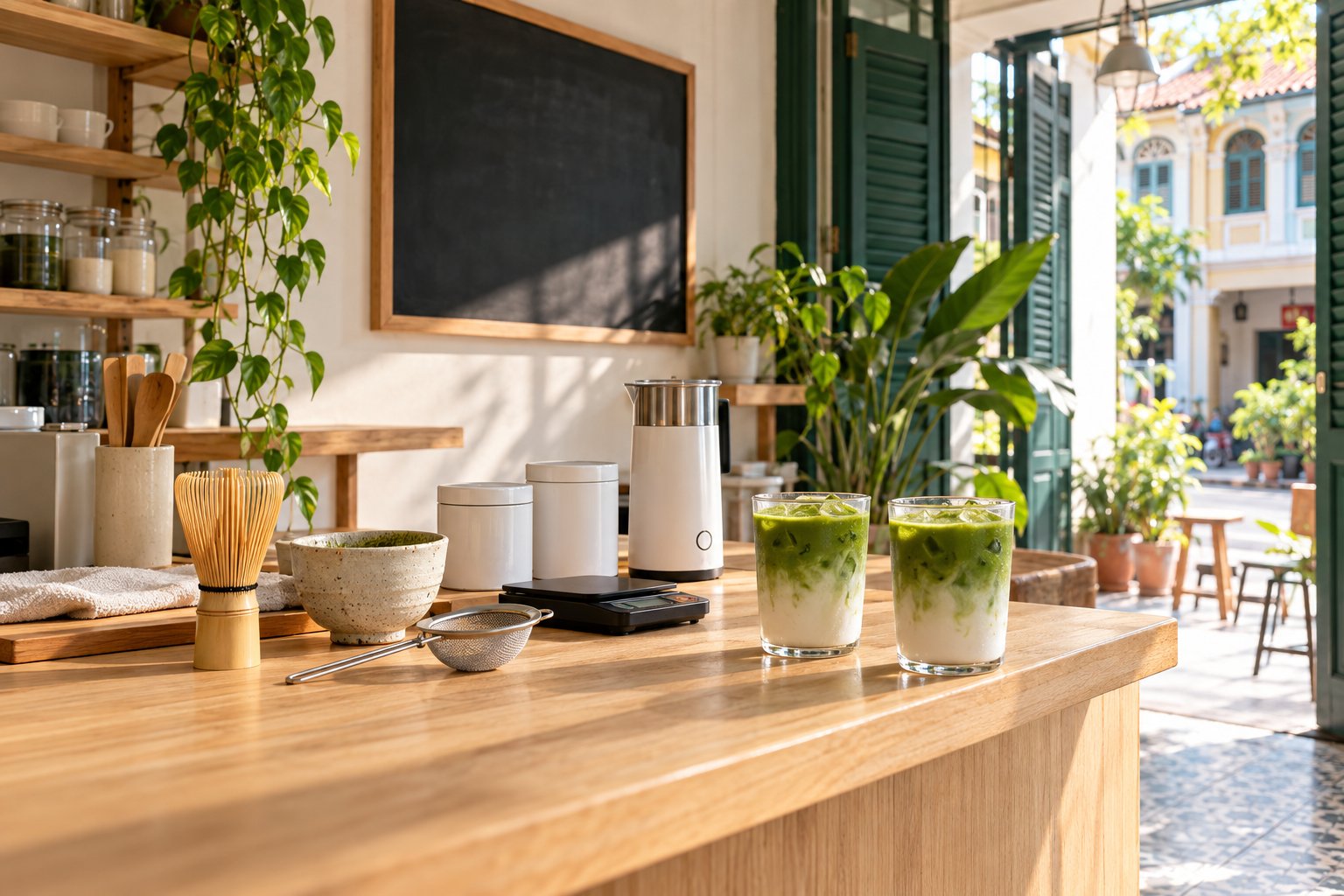
Plan your matcha bar equipment around five tasks: weighing, sifting, dissolving, chilling and blending. The list below is our editorial guide and does not name makers or models.
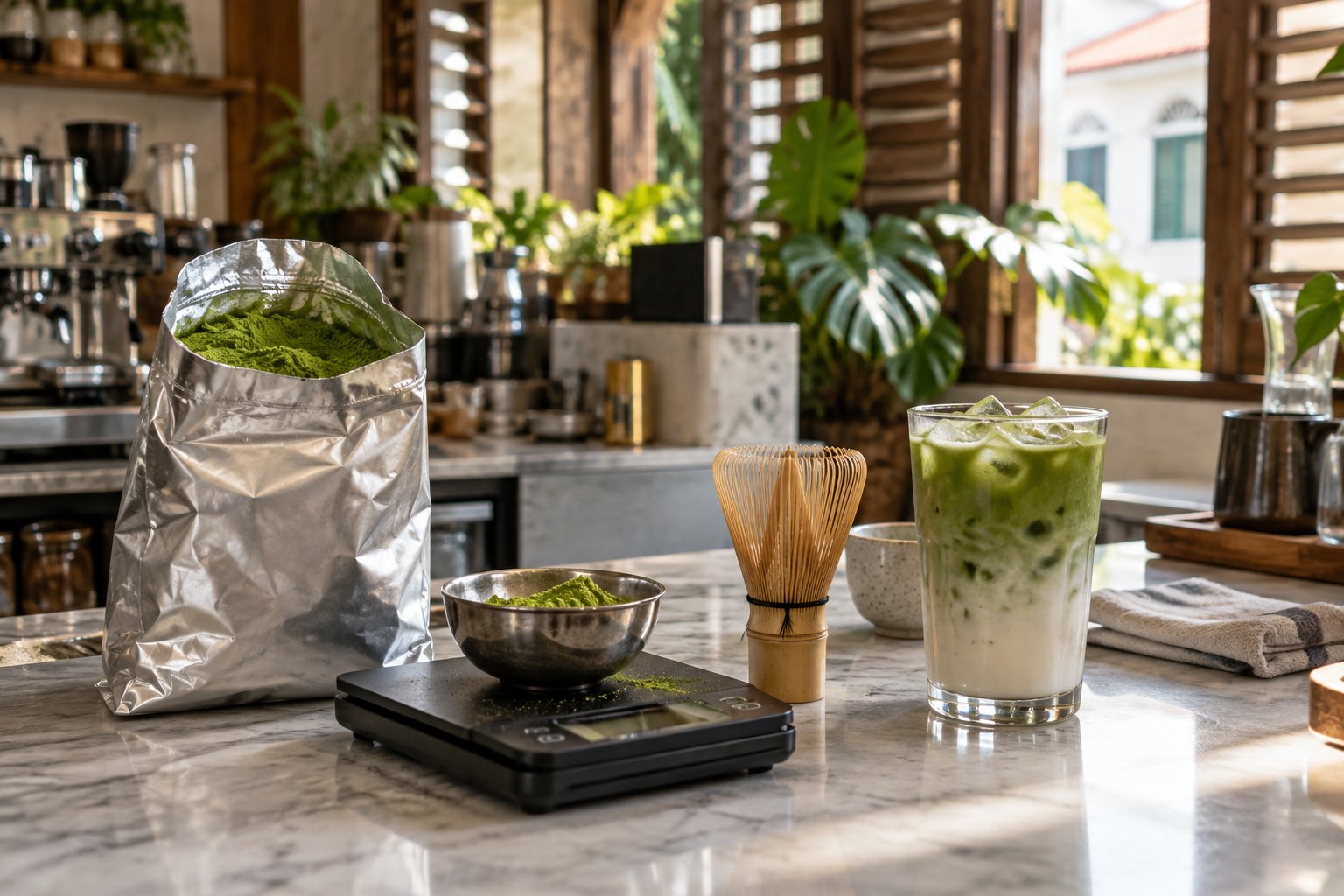
Tools for preparing matcha
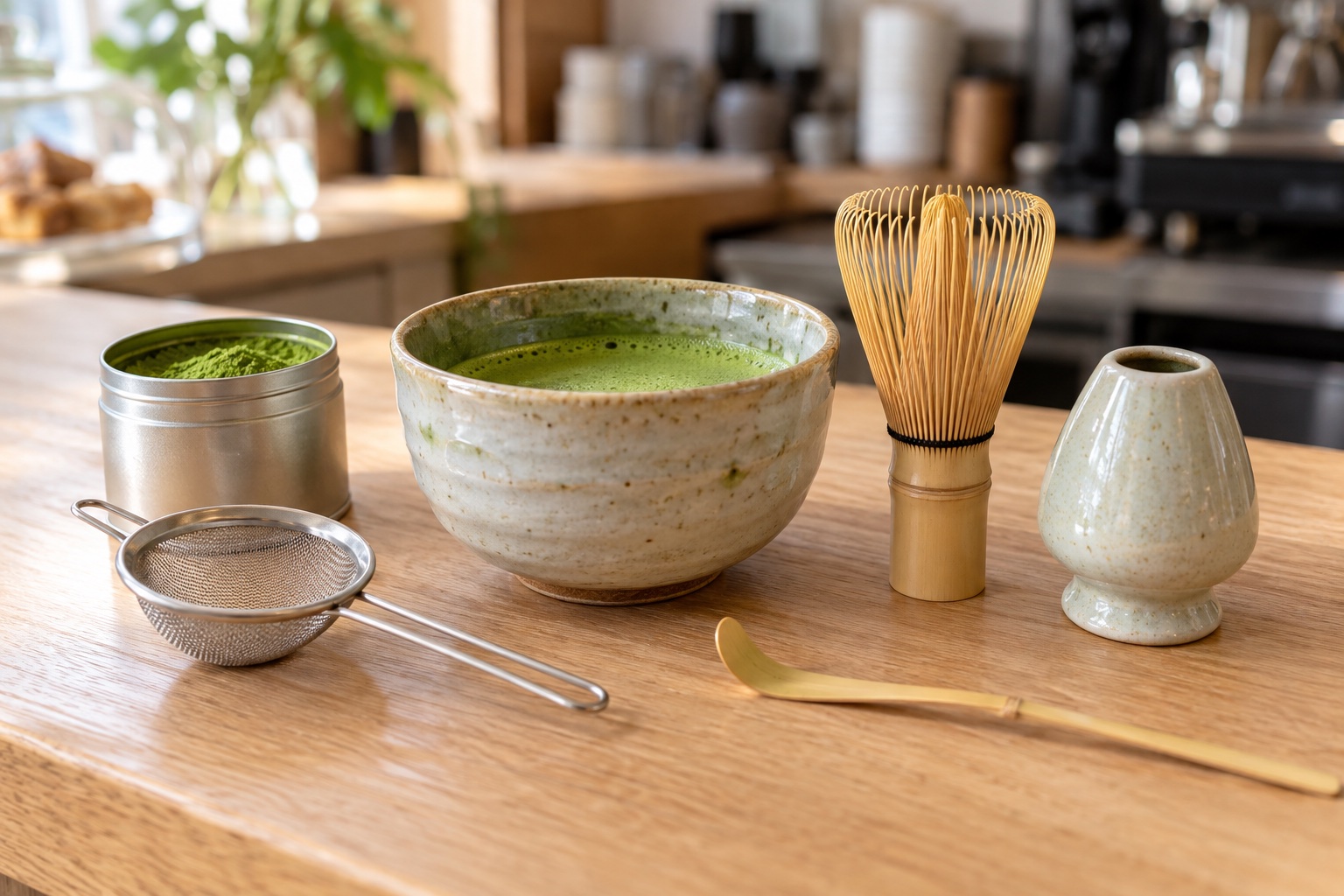
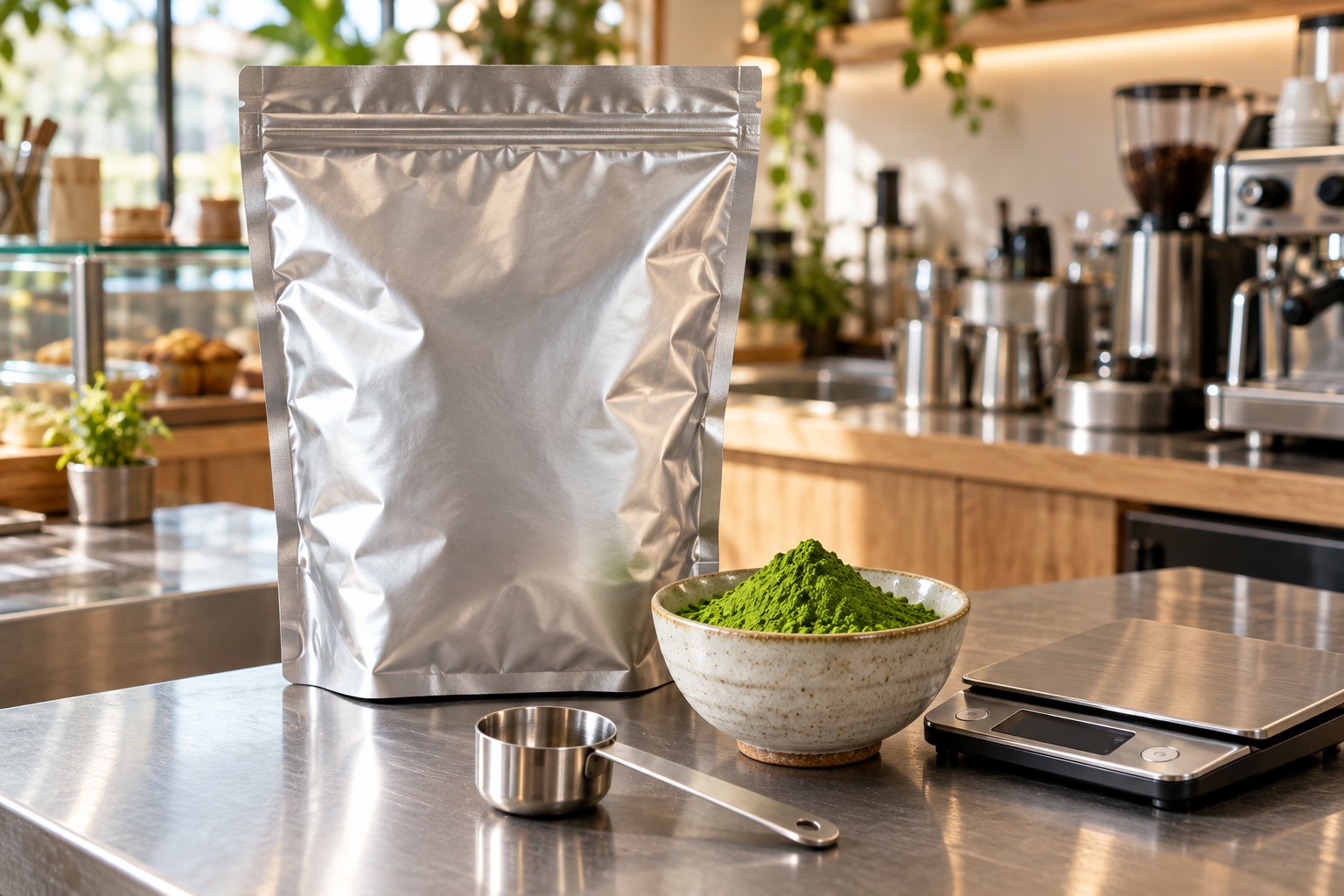
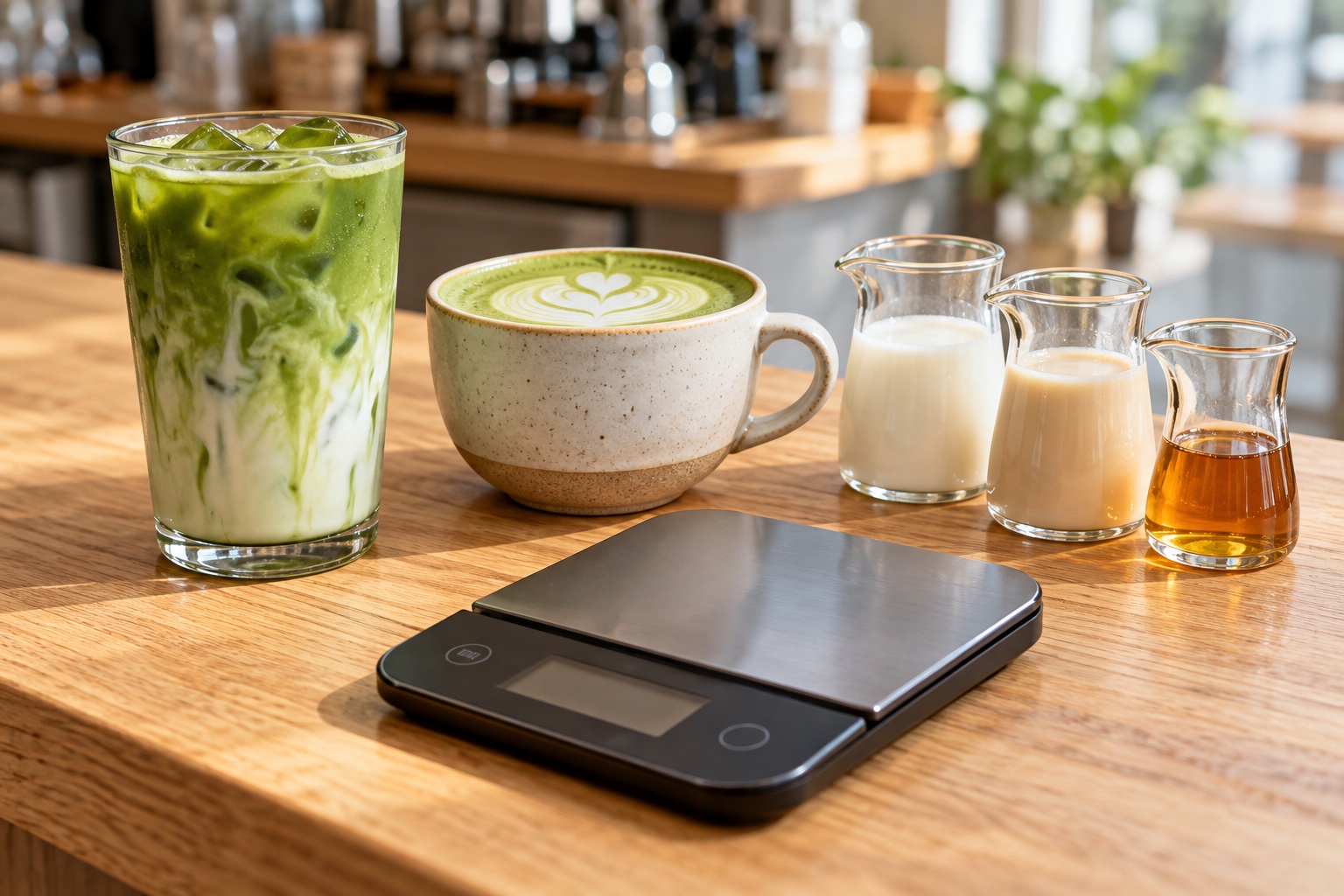
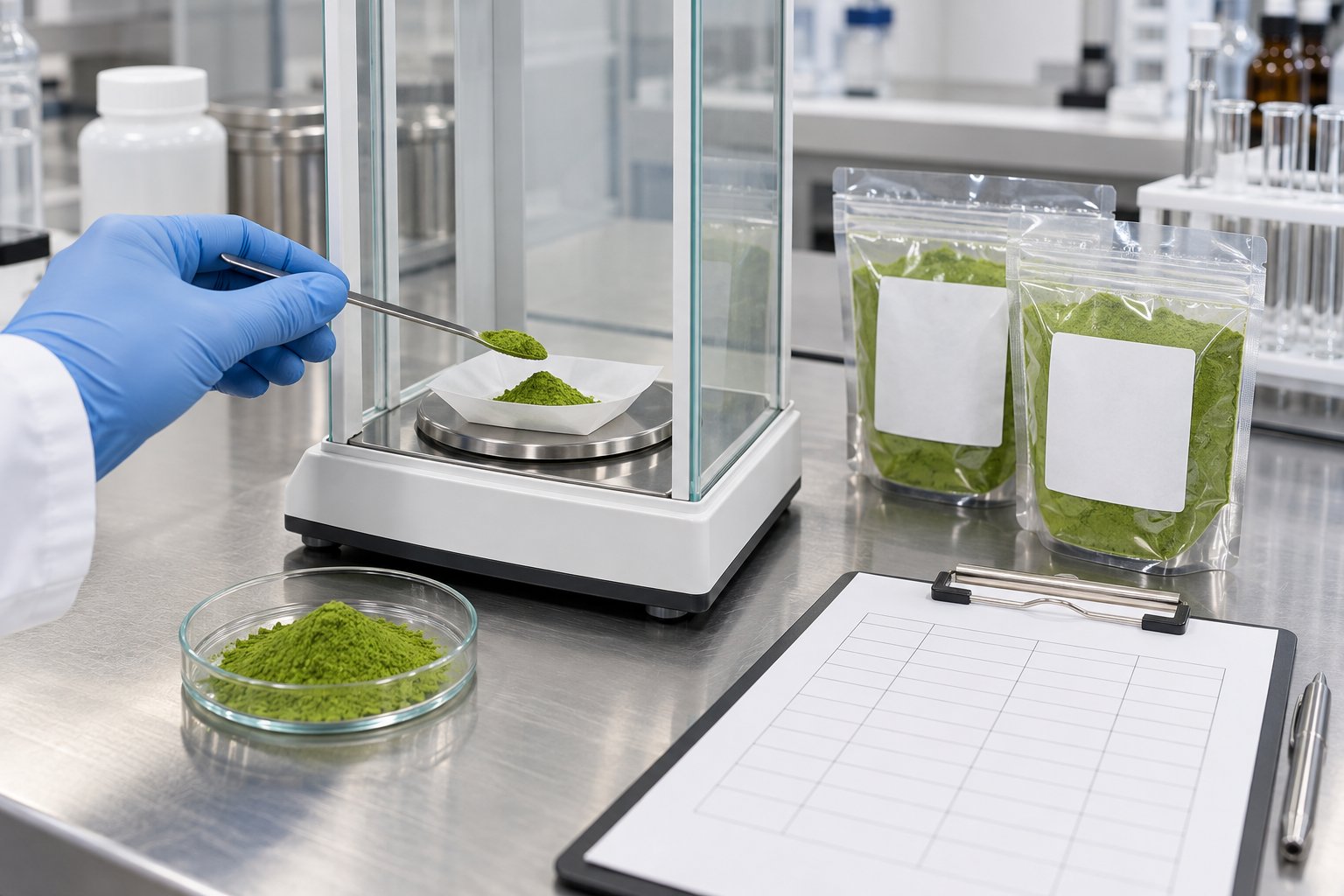
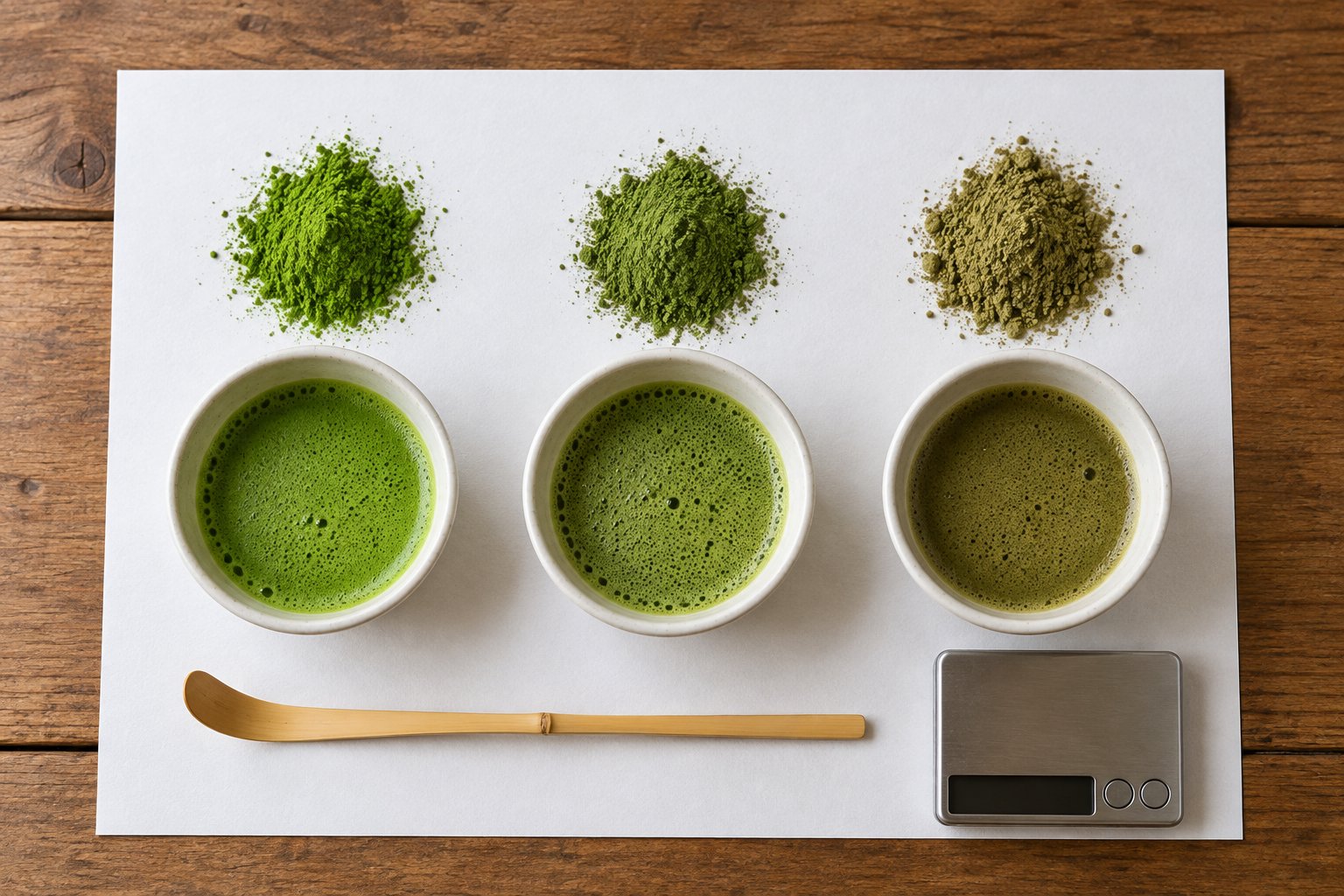
- Scale: one that weighs matcha to 0.1g, so every cup is the same and your cost per cup is fixed
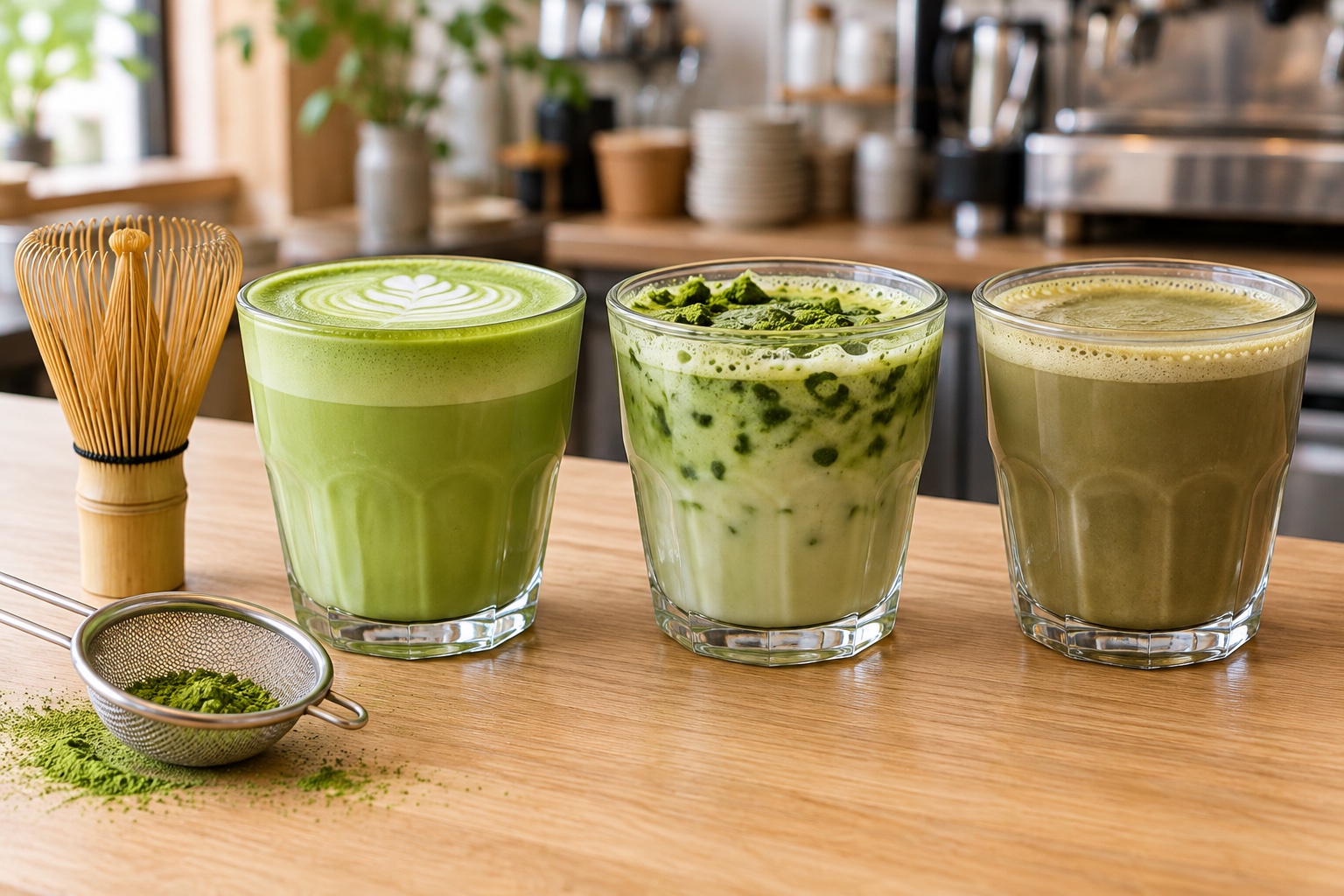
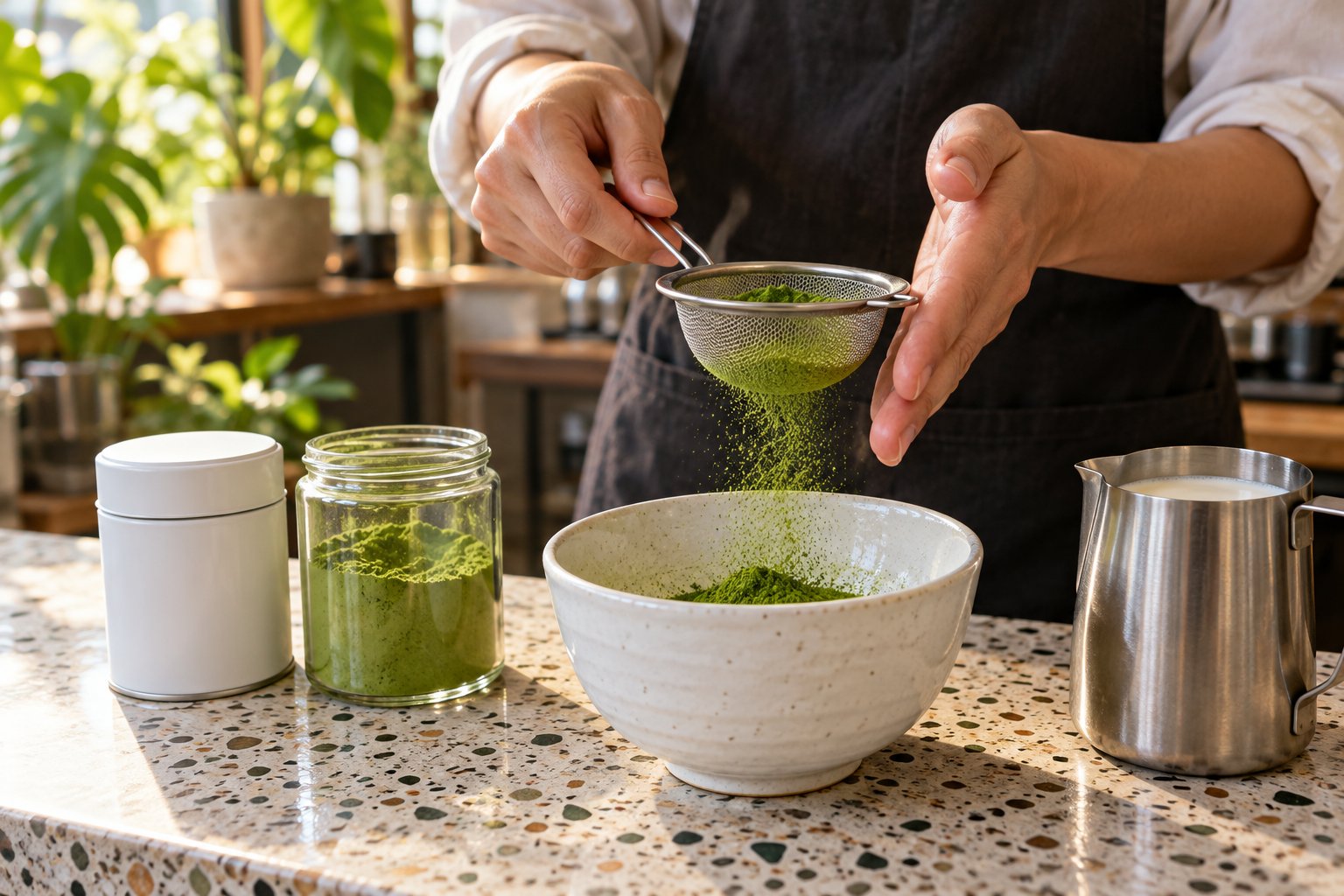
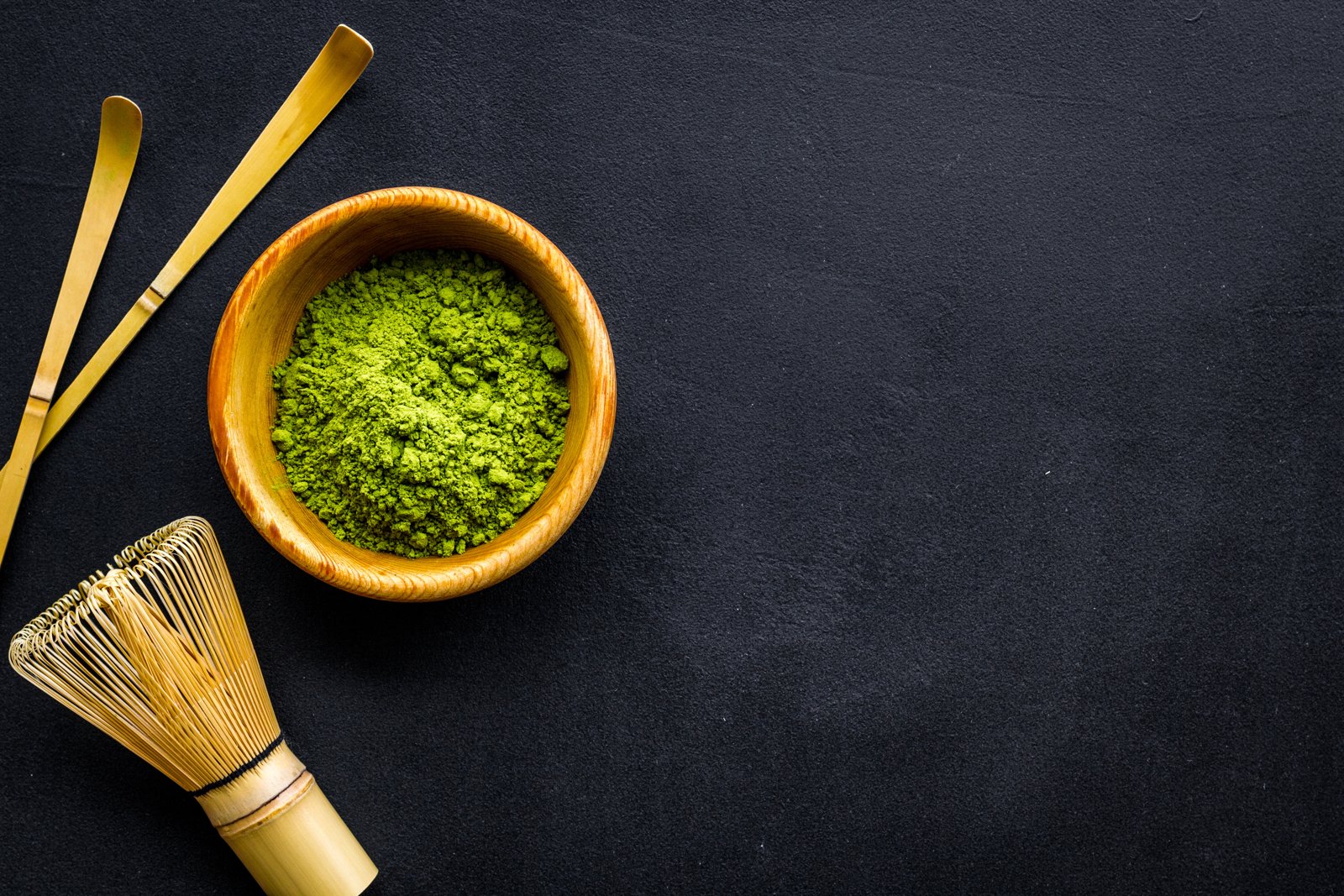
- Sifter (tea strainer): matcha clumps easily, so sift it before use
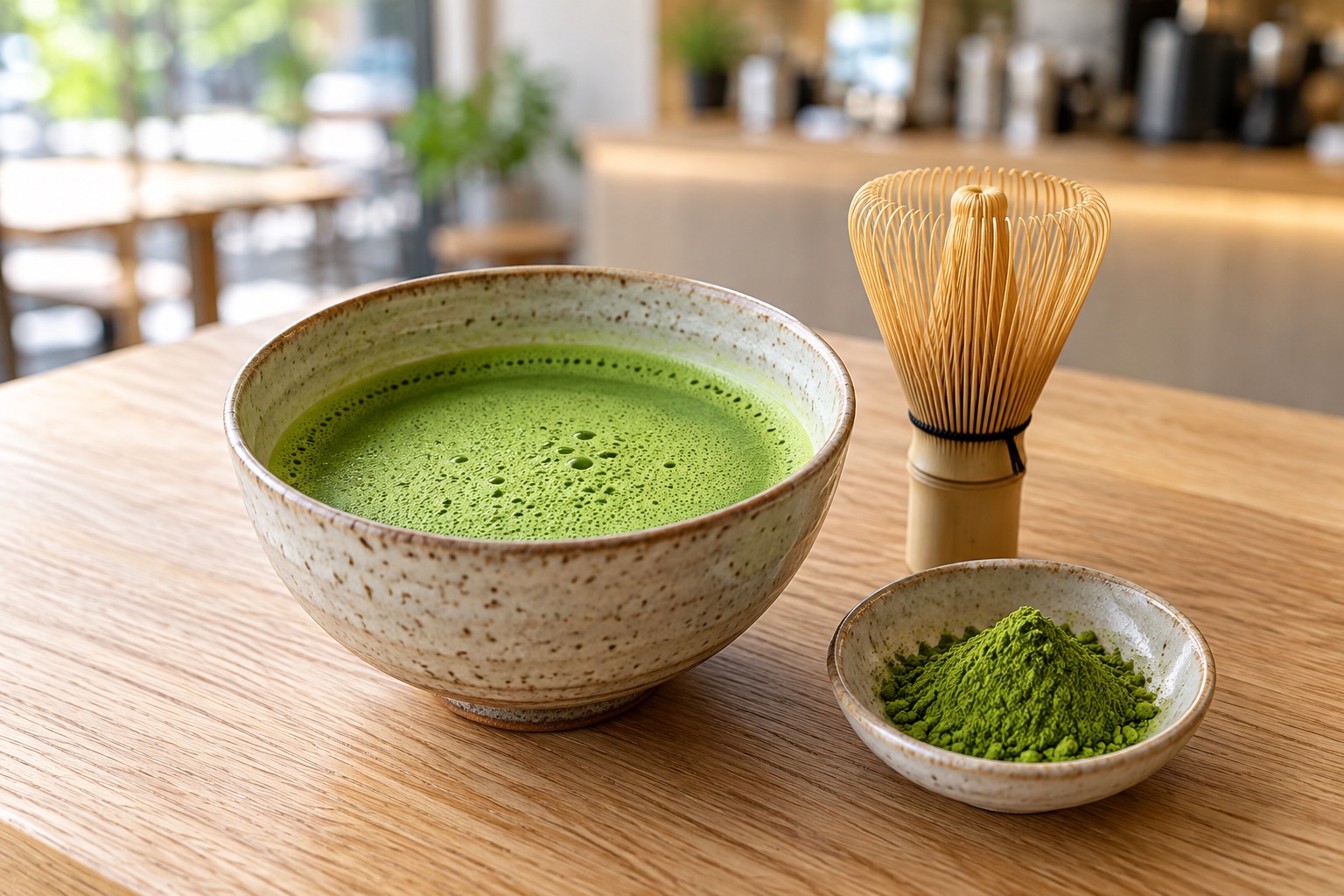
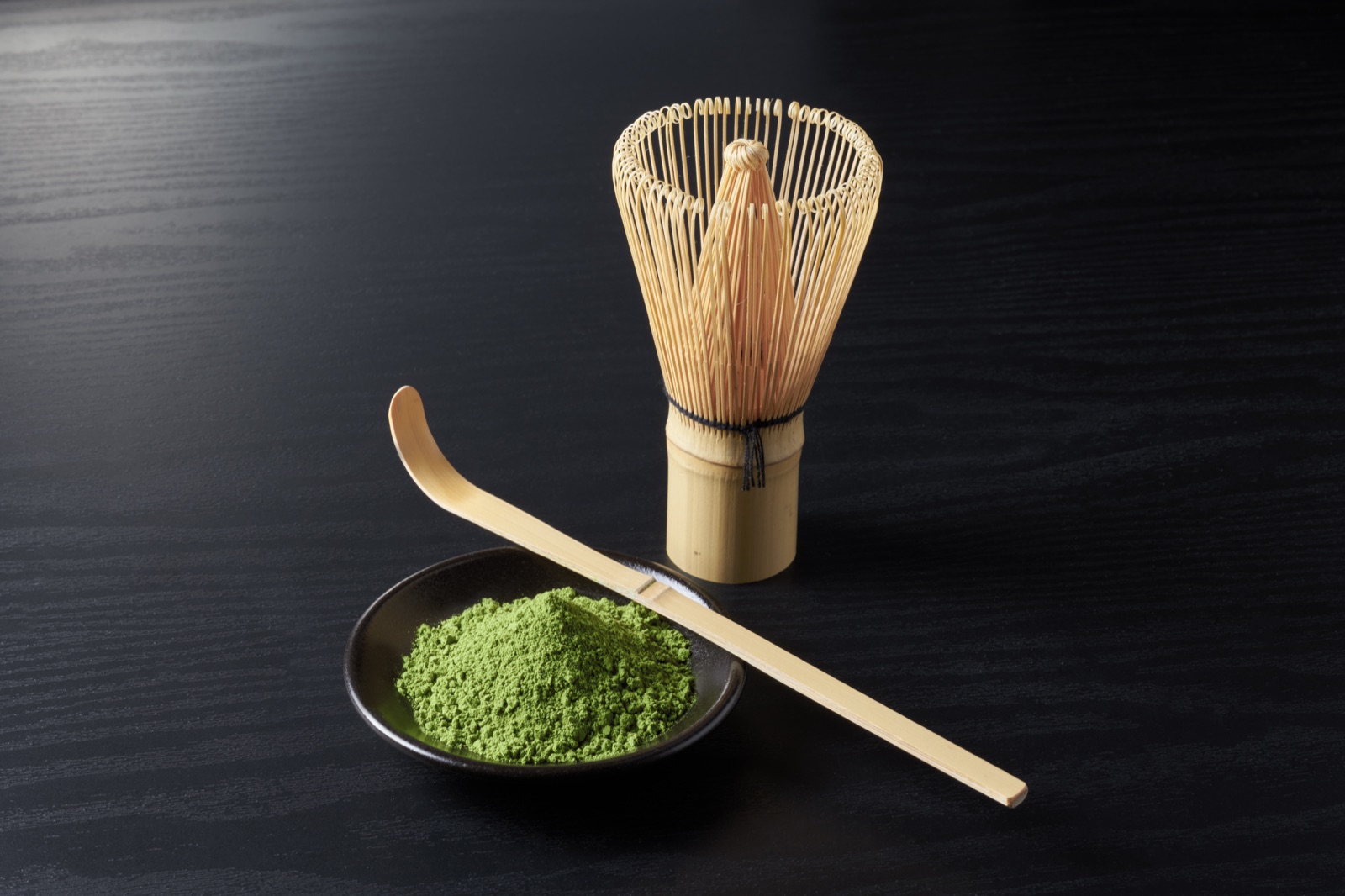
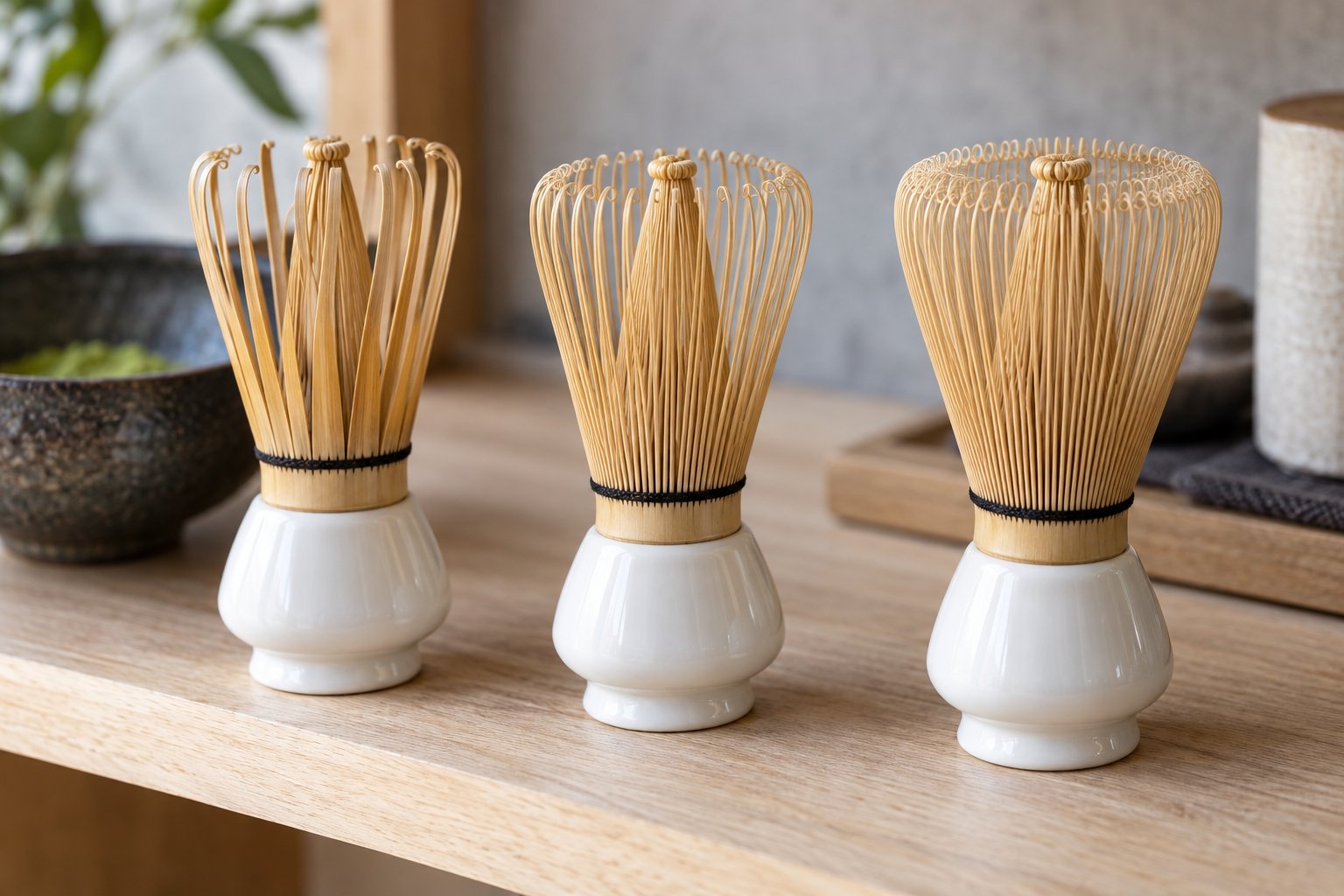
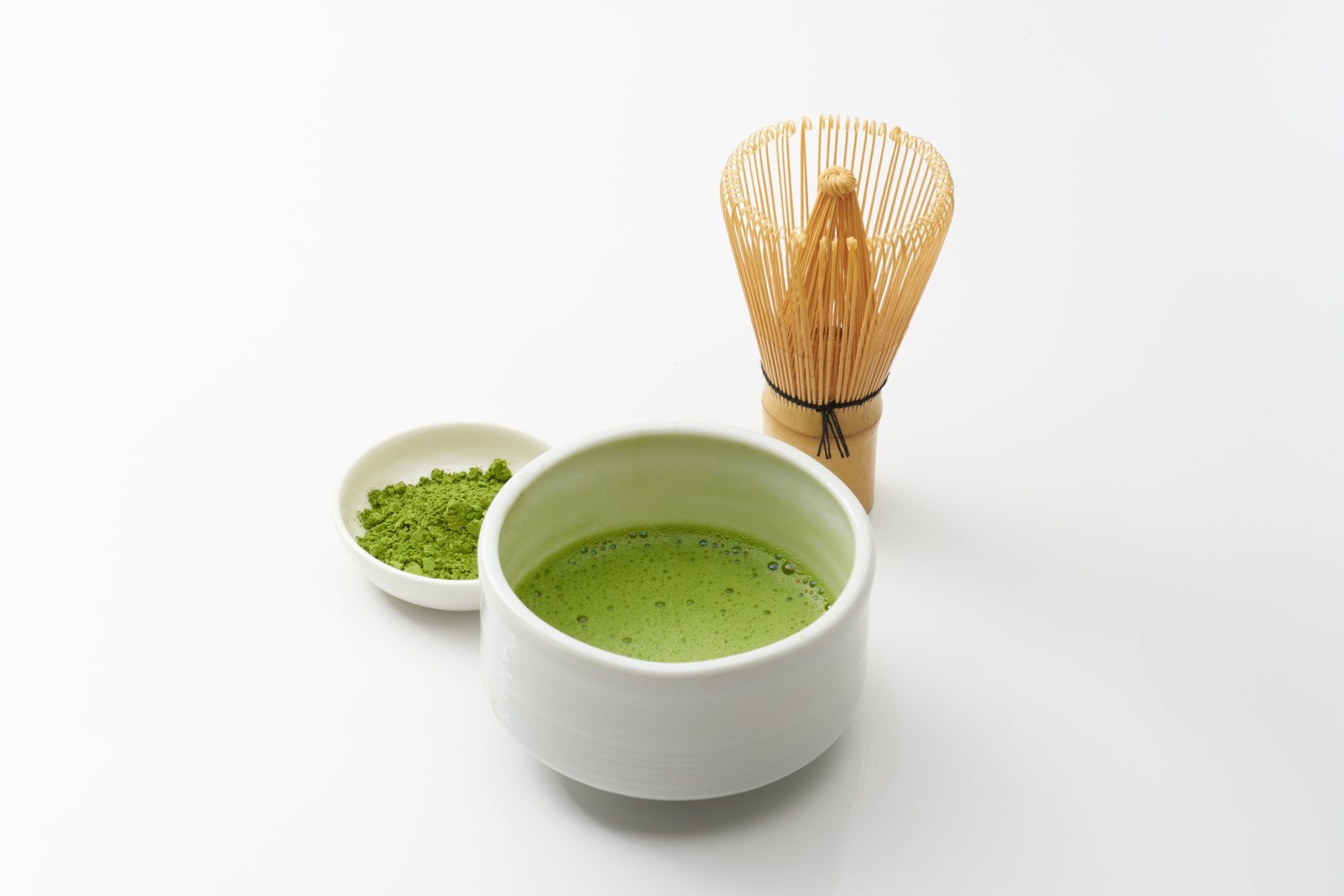
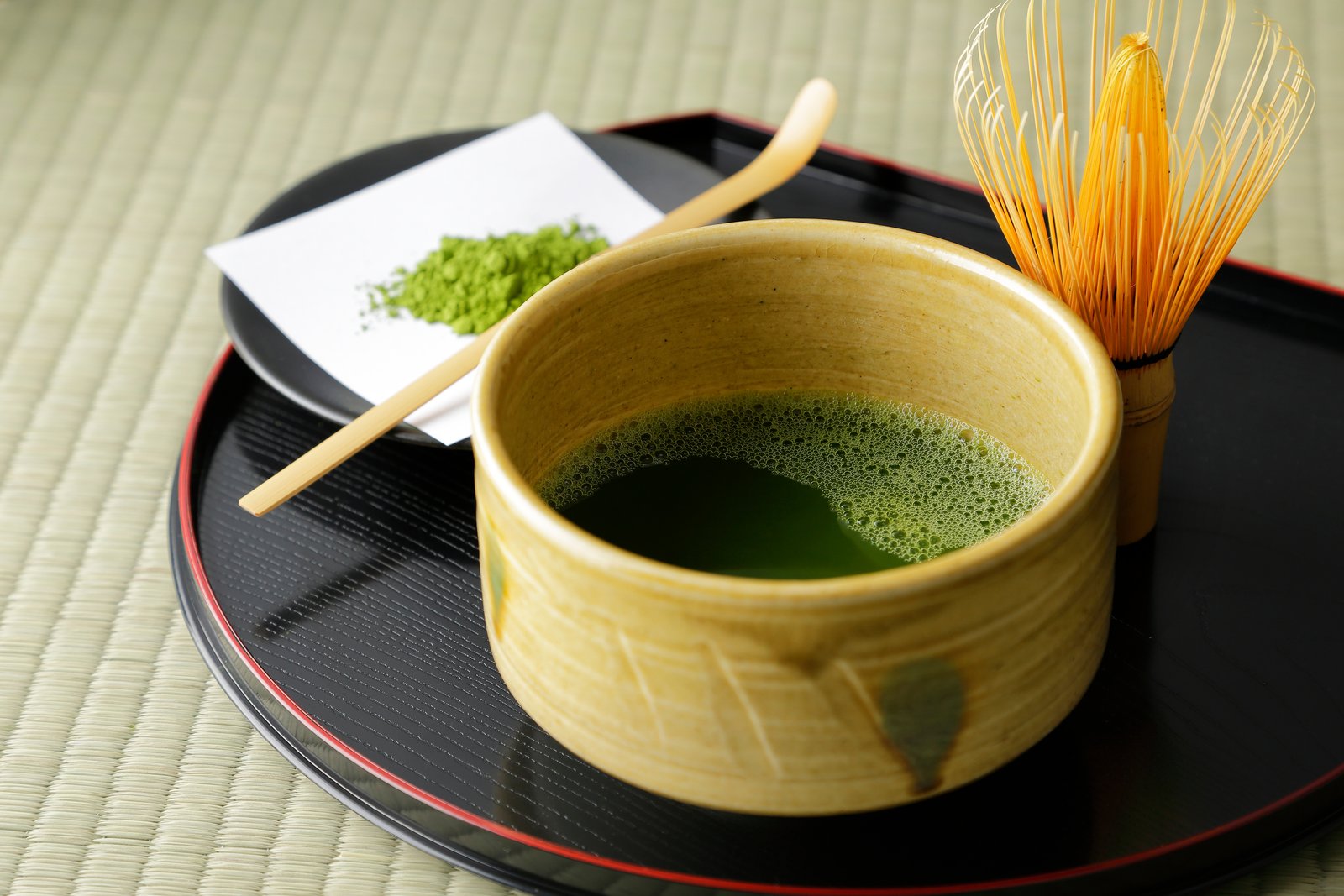
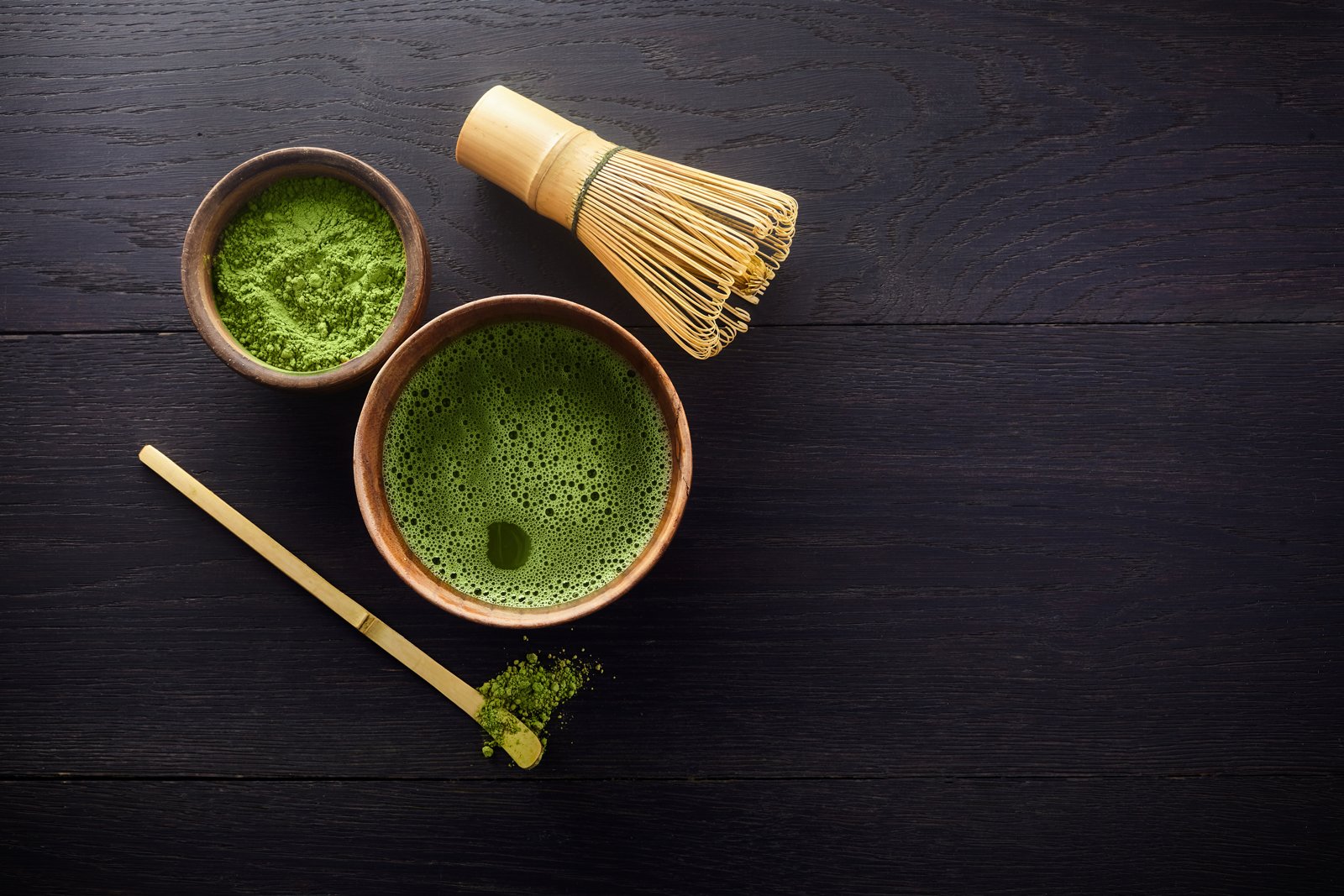
- Chasen (a bamboo whisk for preparing matcha): if you use an electric milk frother, compare taste, foam and lumps against a chasen before deciding
- A kettle or hot water dispenser that shows the water temperature
How to choose a whisk and how to prepare matcha are covered in Matcha Whisk (Chasen) and How to Make Matcha.
Chilling, blending and water
- Refrigerator: for dairy milk, plant milks and syrups
- Ice machine and blender: for iced lattes and frappes
- A sink for washing equipment, separate from the hand wash basin
- A place to dry whisks: do not seal them while wet
Matcha powder clumps when it absorbs moisture, so do not place matcha containers near the sink or ice machine.
What goes on the layout plan
The layout plan for a Singapore Food Shop Licence shows equipment such as sinks, wash basins and exhausts. Decide your equipment, draw the layout plan, then start building after SFA approves it. This order means less rework.
Building the menu and sugar labelling
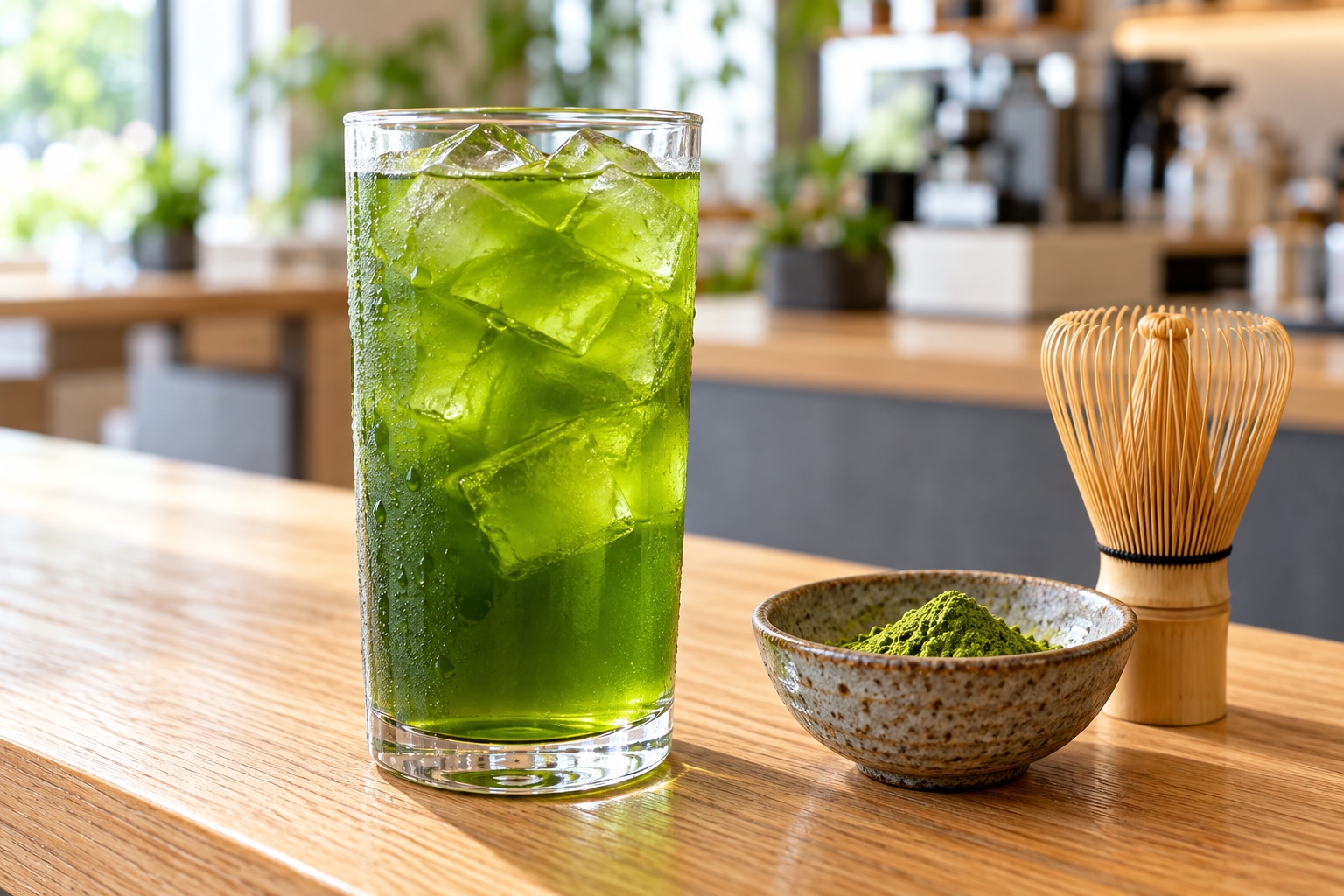
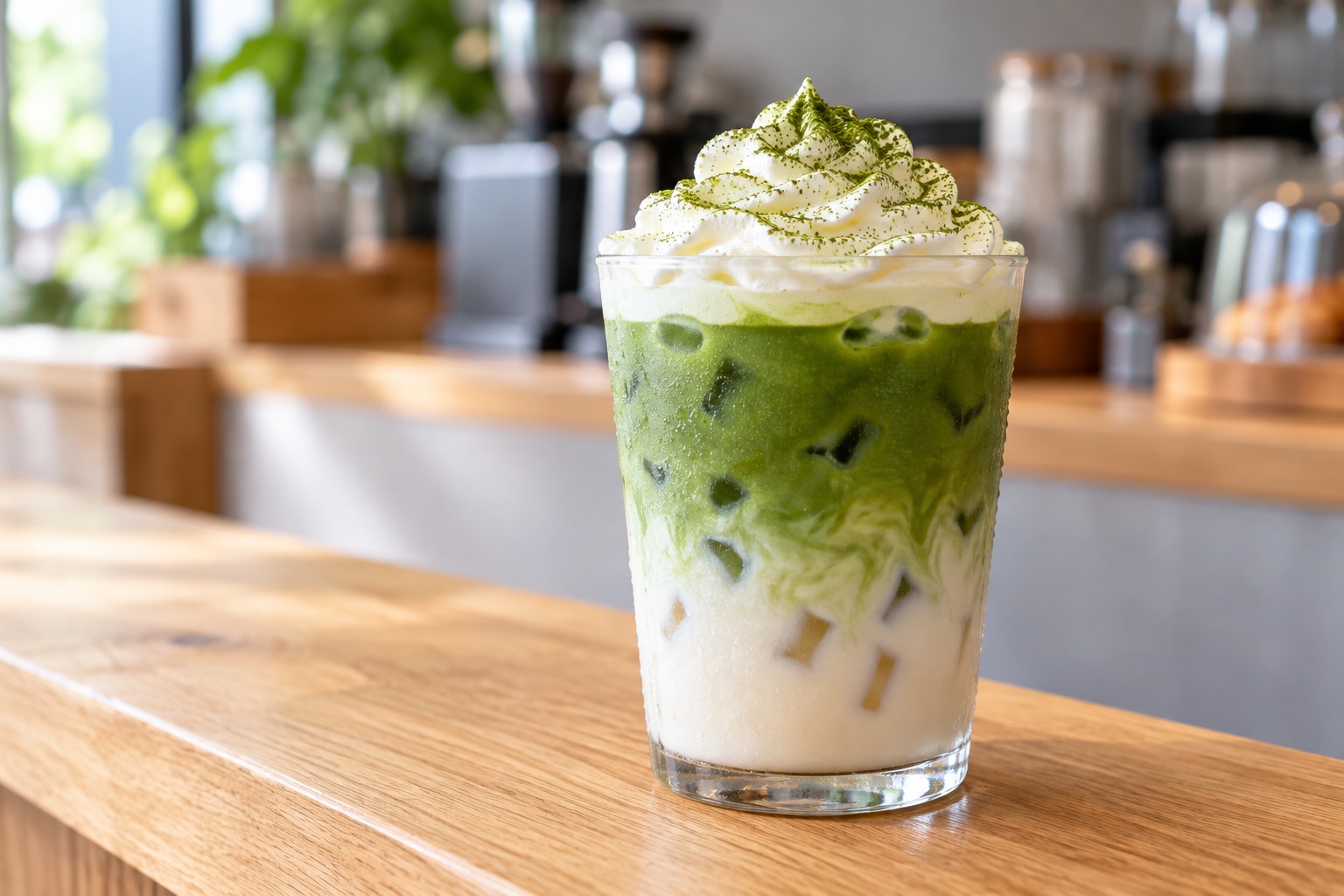
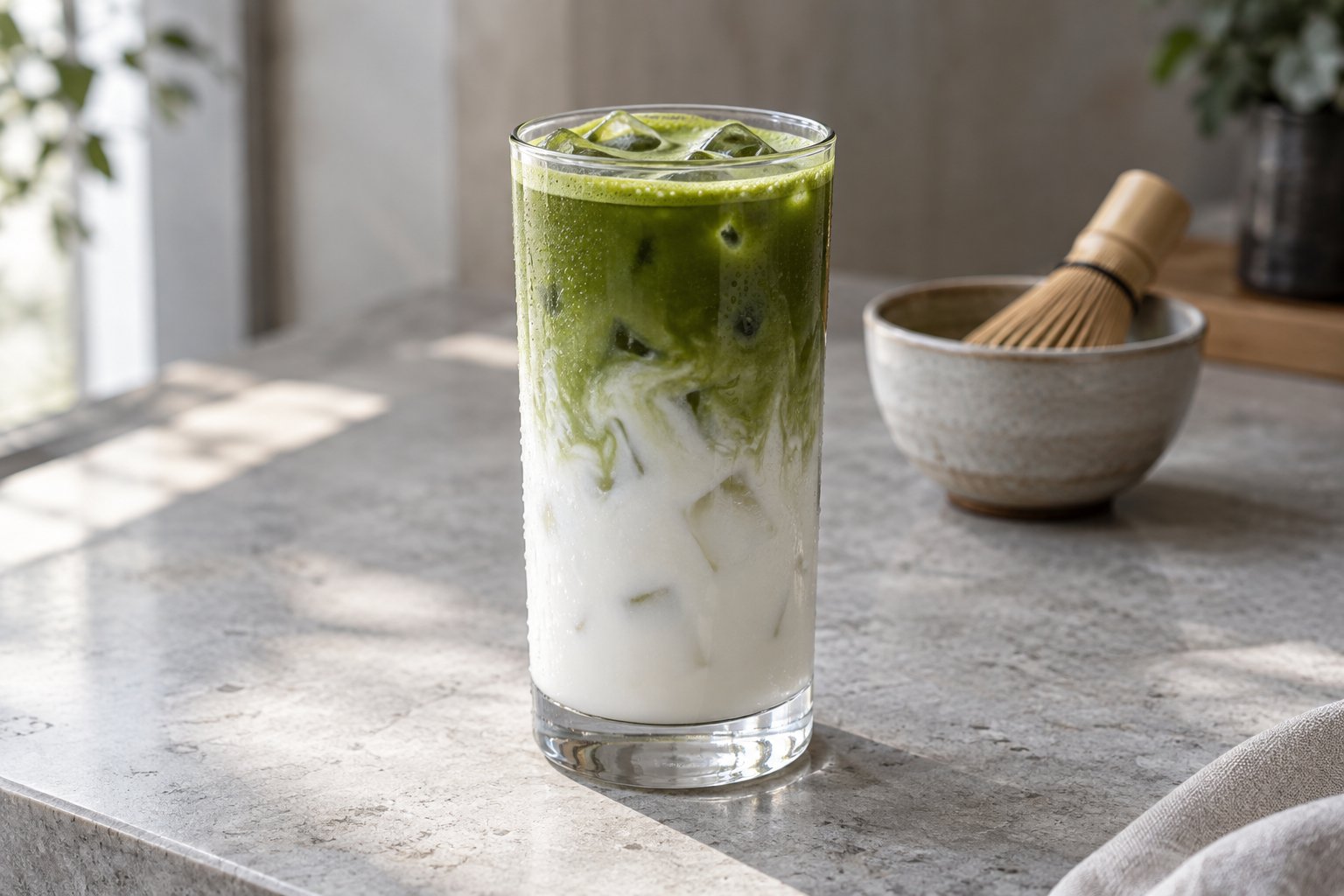
Start the menu with hot and iced matcha lattes, then expand with drinks that use the same matcha. Thinking about how many items one matcha can make, rather than adding more types of matcha, keeps your stock small.
Three basics and how to expand
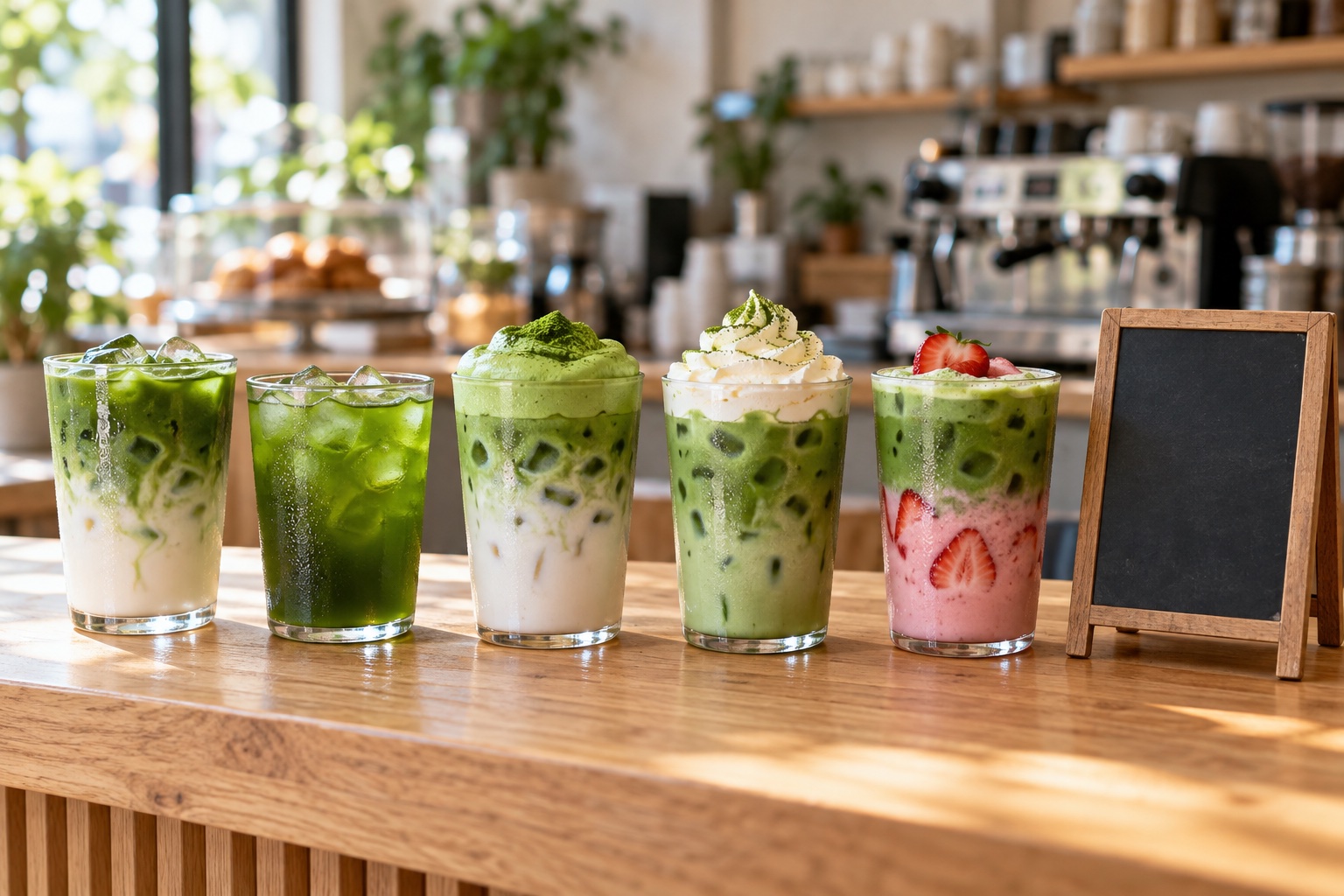
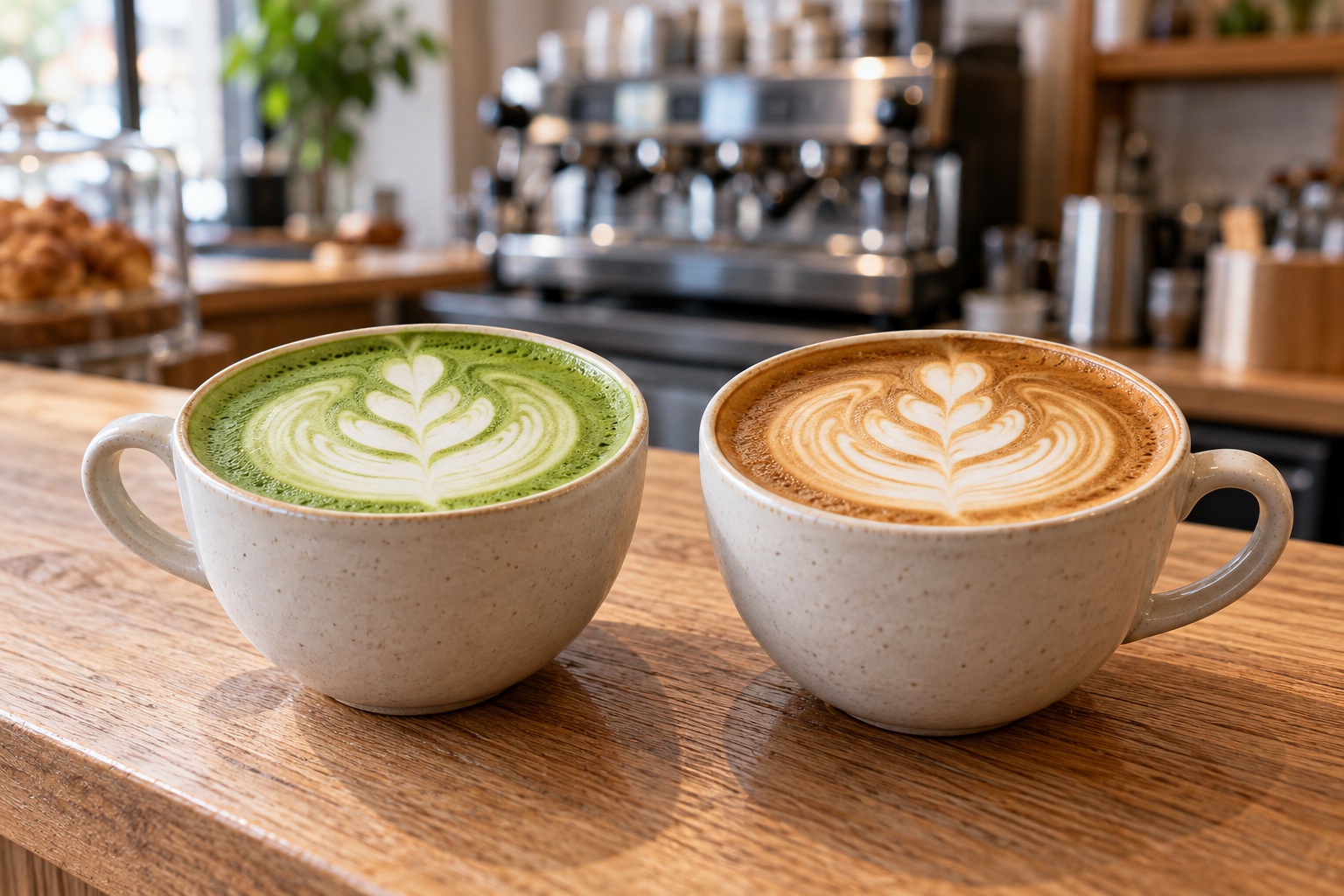
The basics are a hot matcha latte, an iced matcha latte and straight matcha.
| Type | Article |
|---|---|
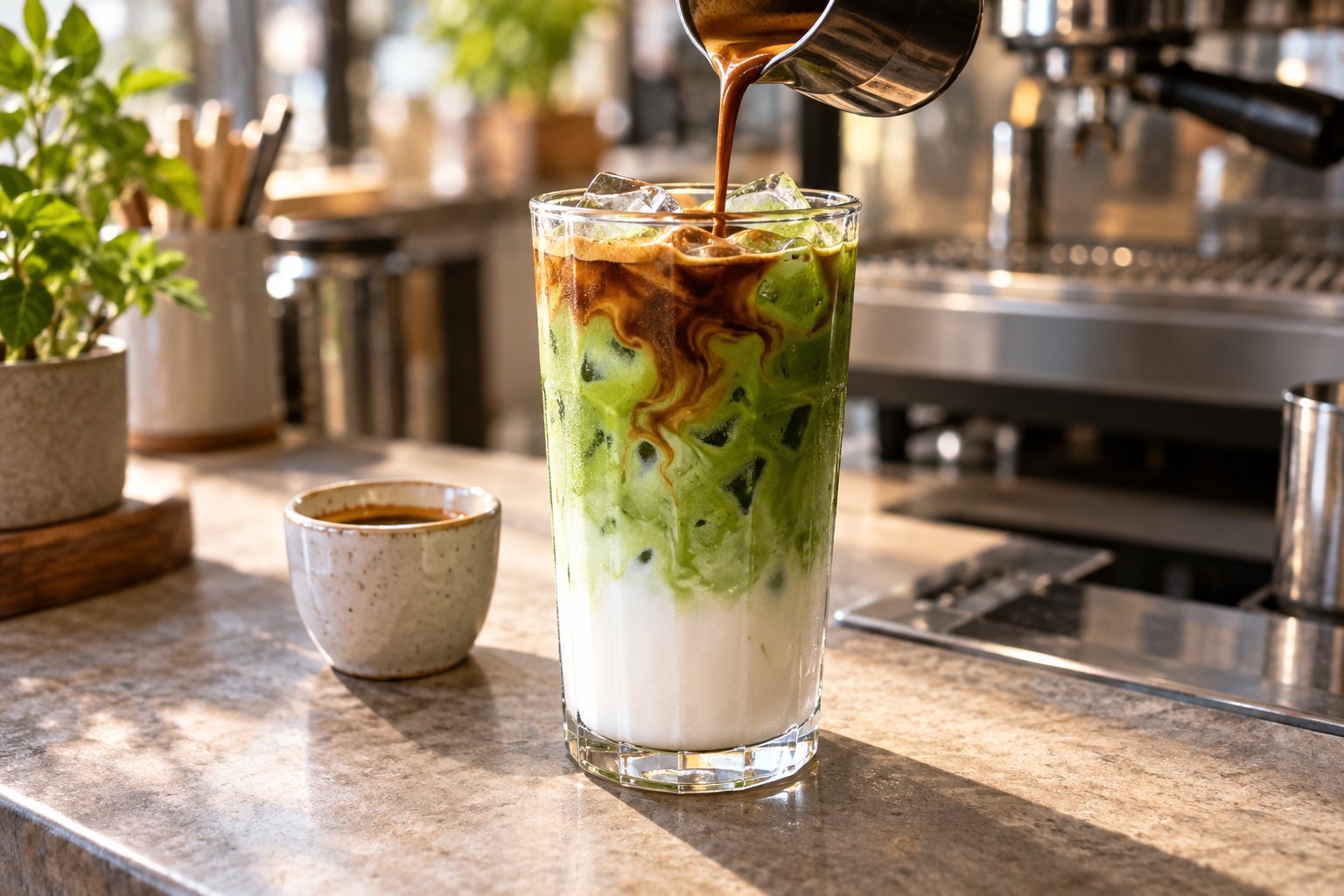
| With espresso | Dirty matcha |
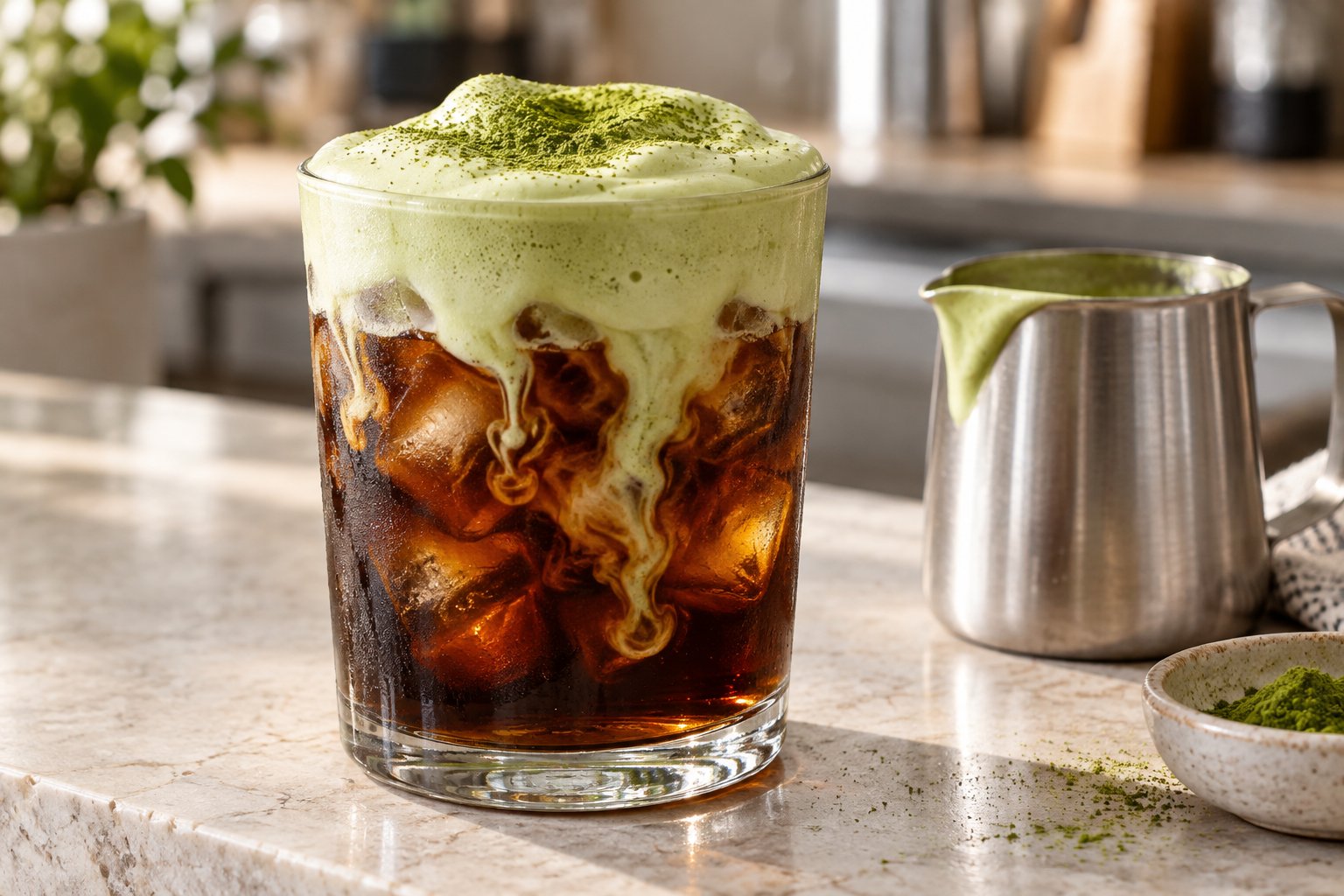
| As a topping | Matcha cold foam |
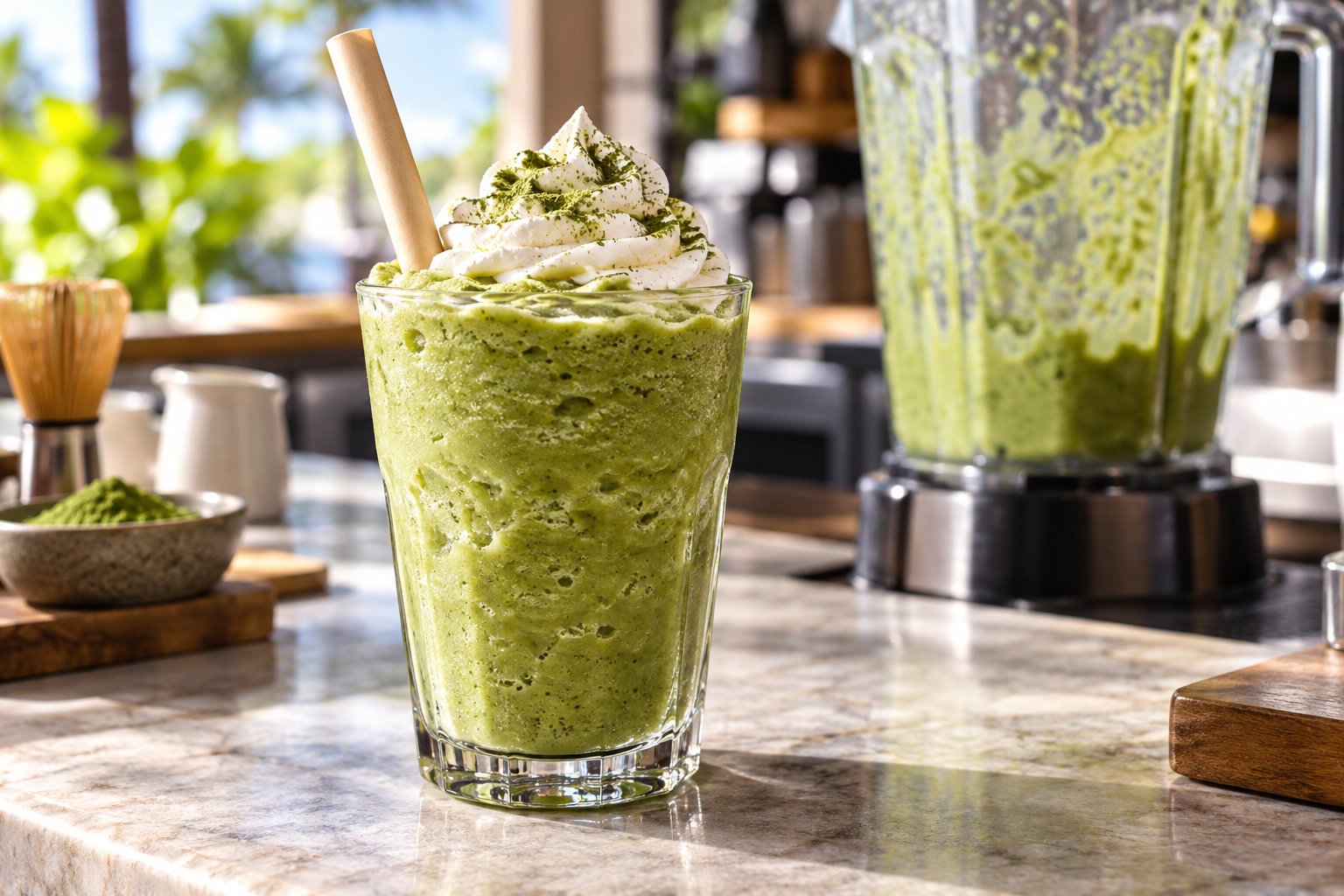
| Blended | Matcha frappe |
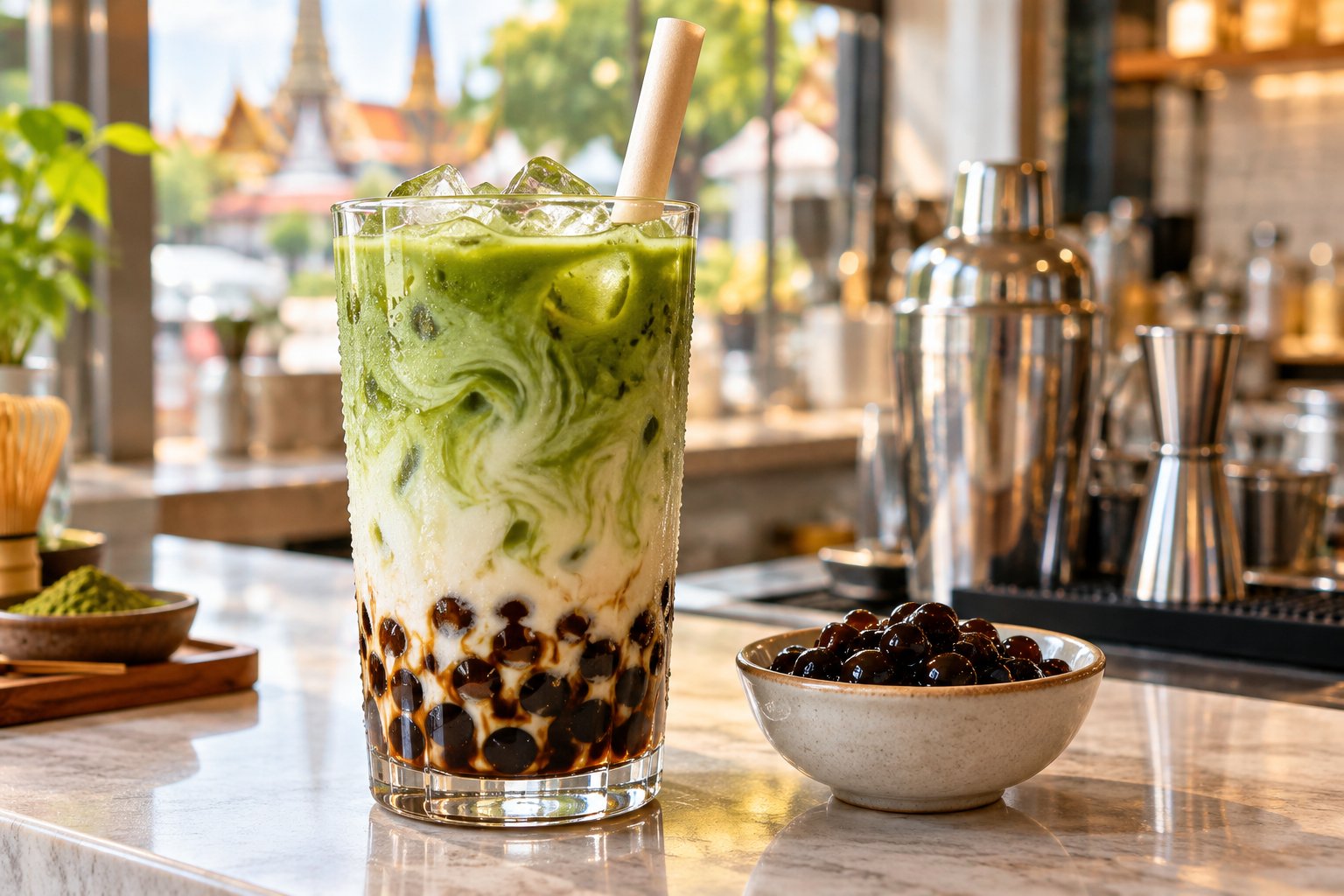
| Milk tea | Matcha milk tea |
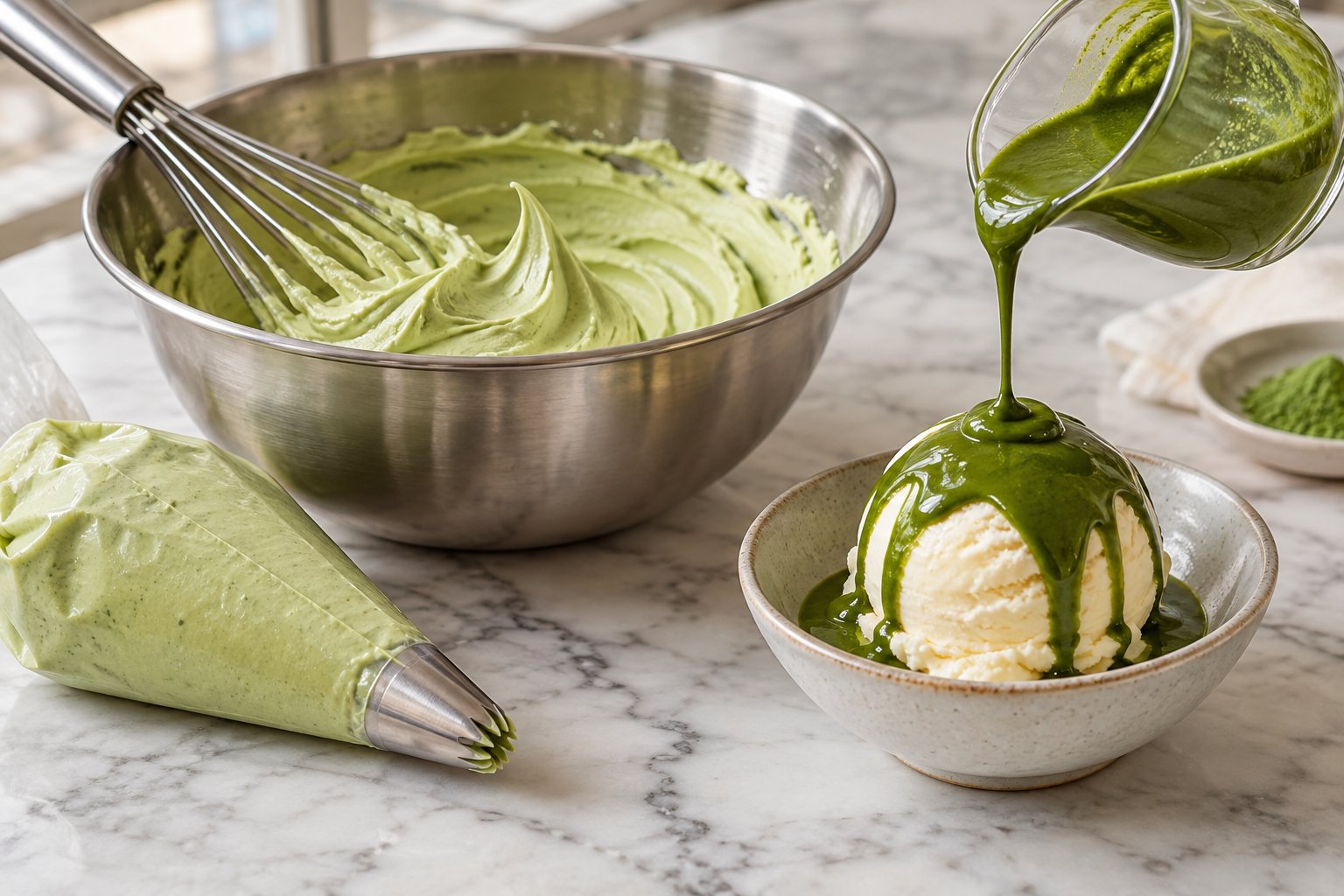
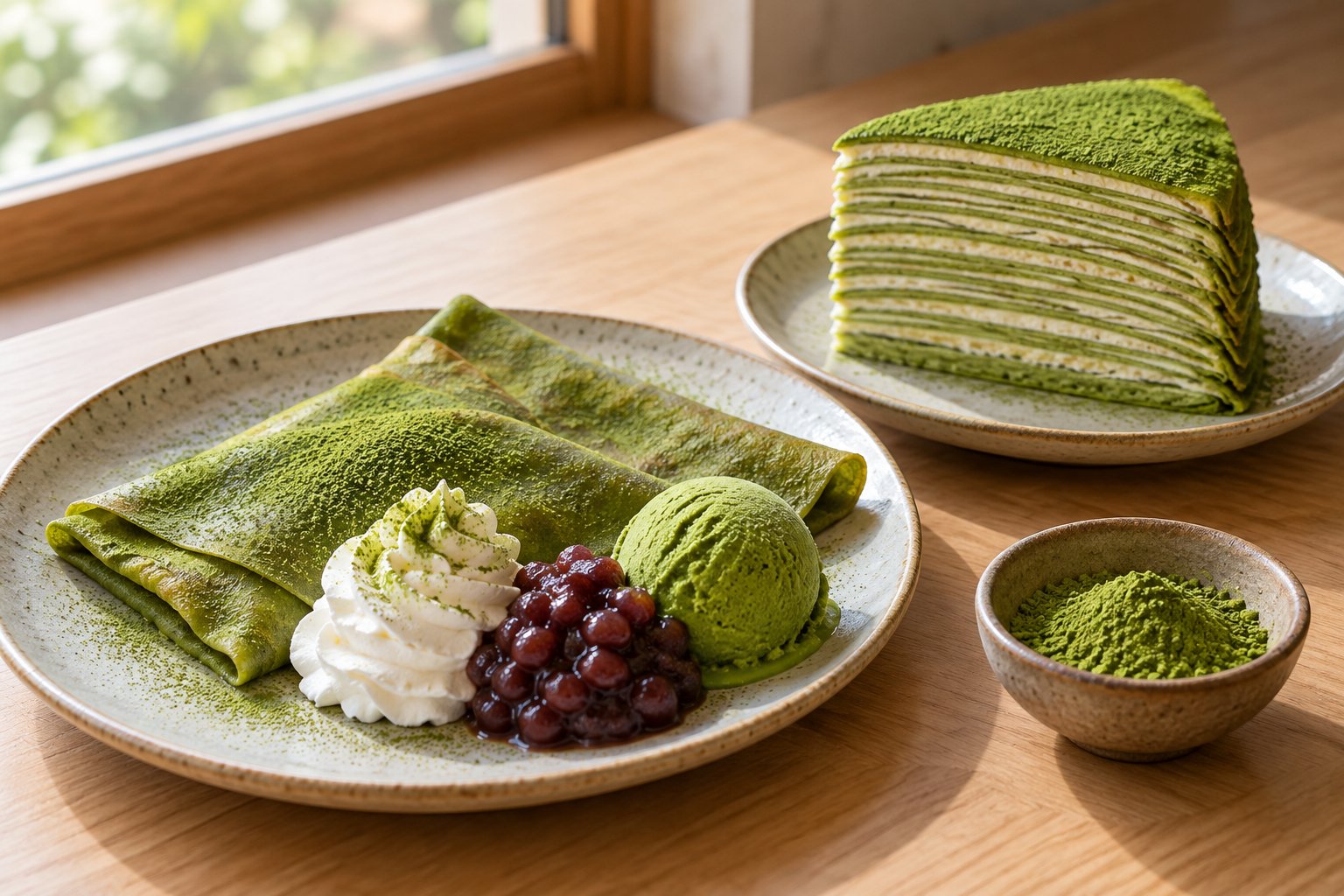
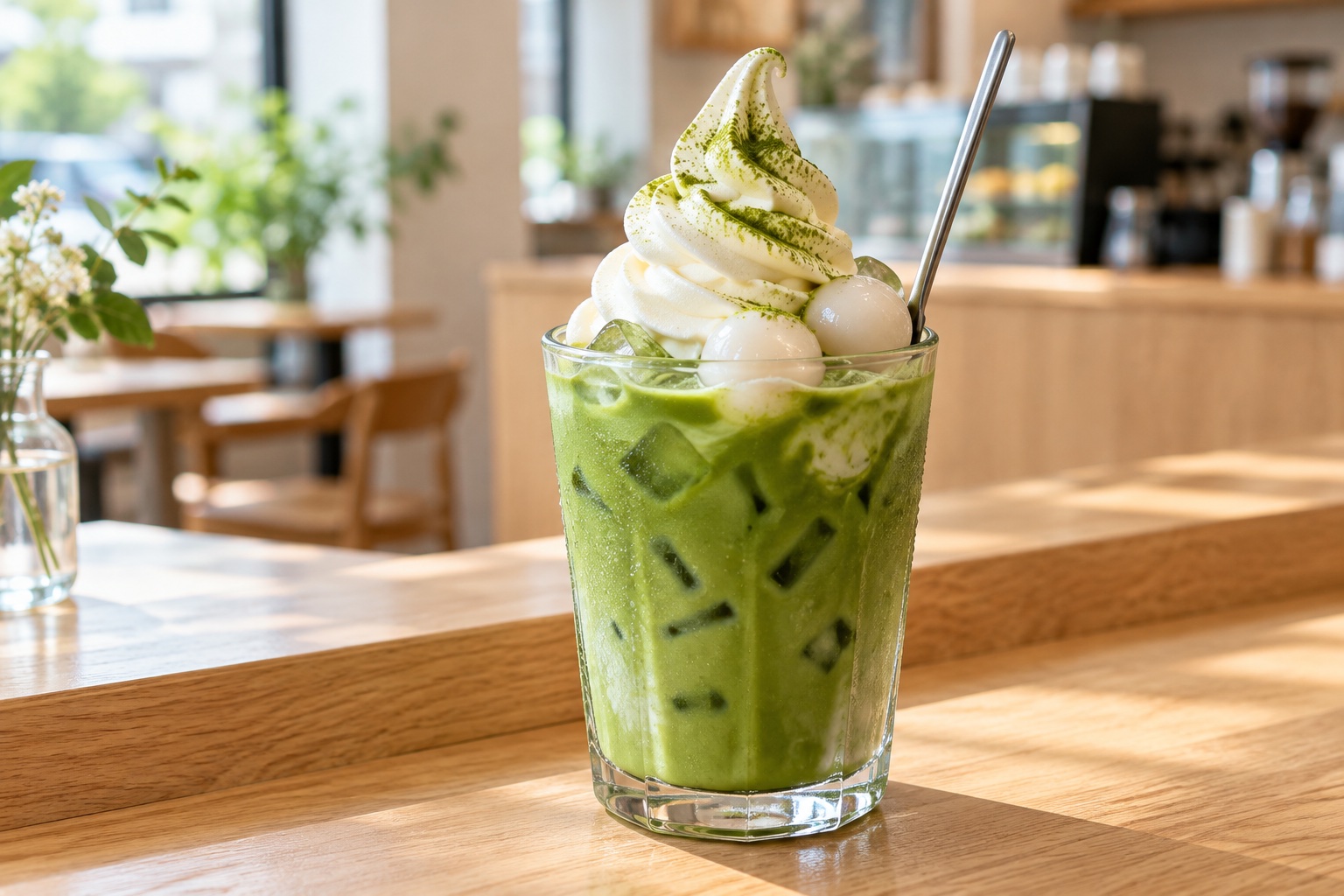
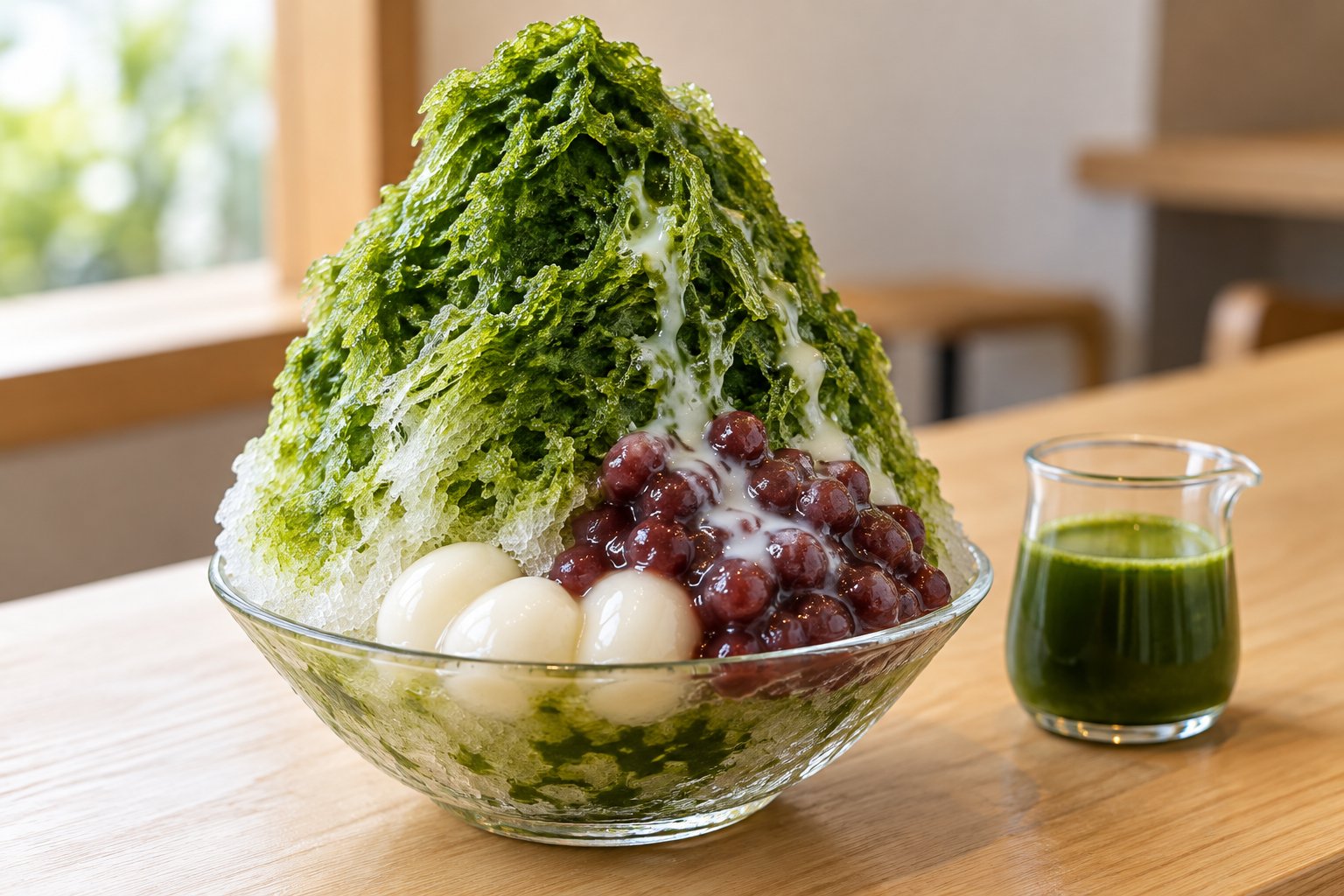
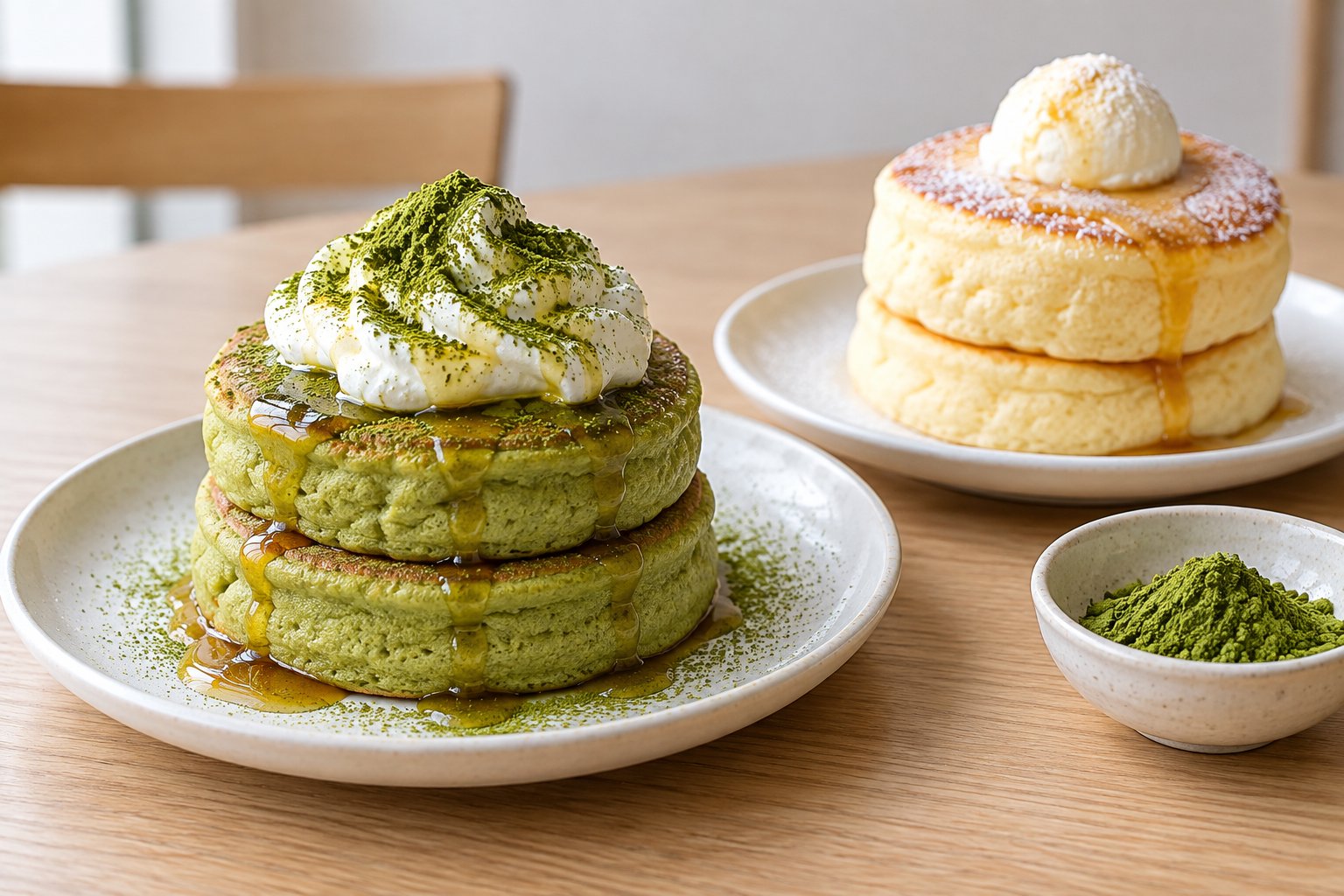
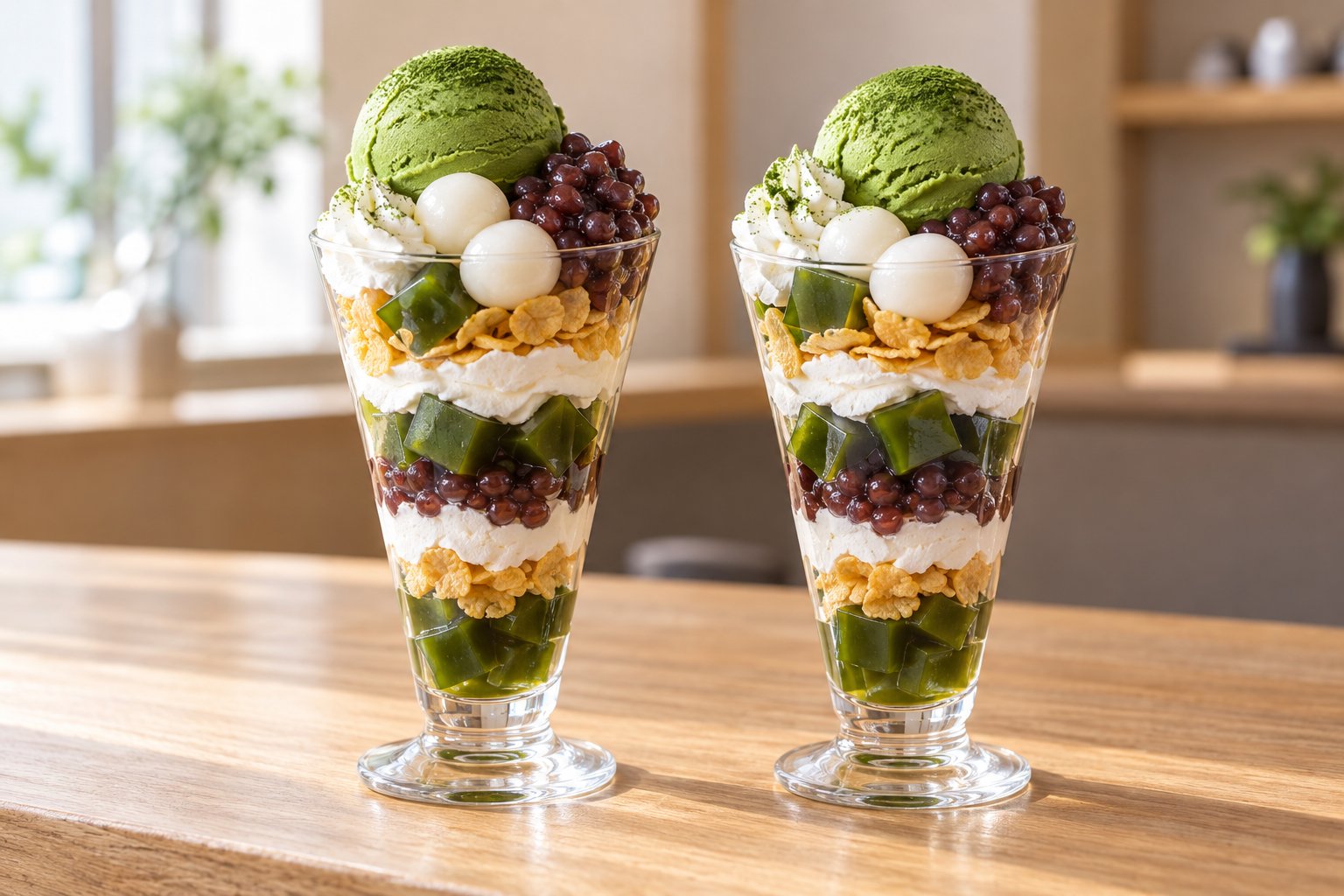
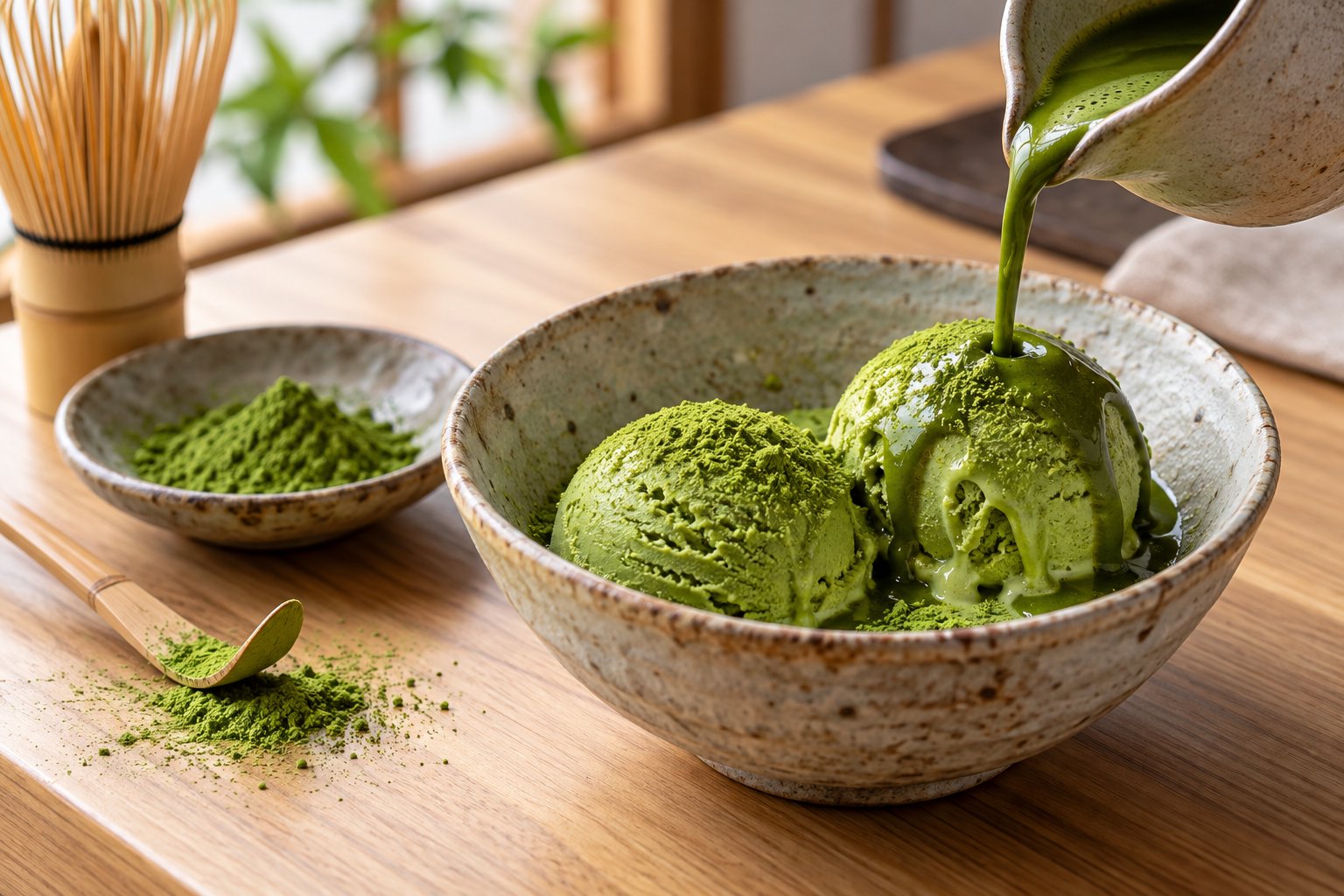
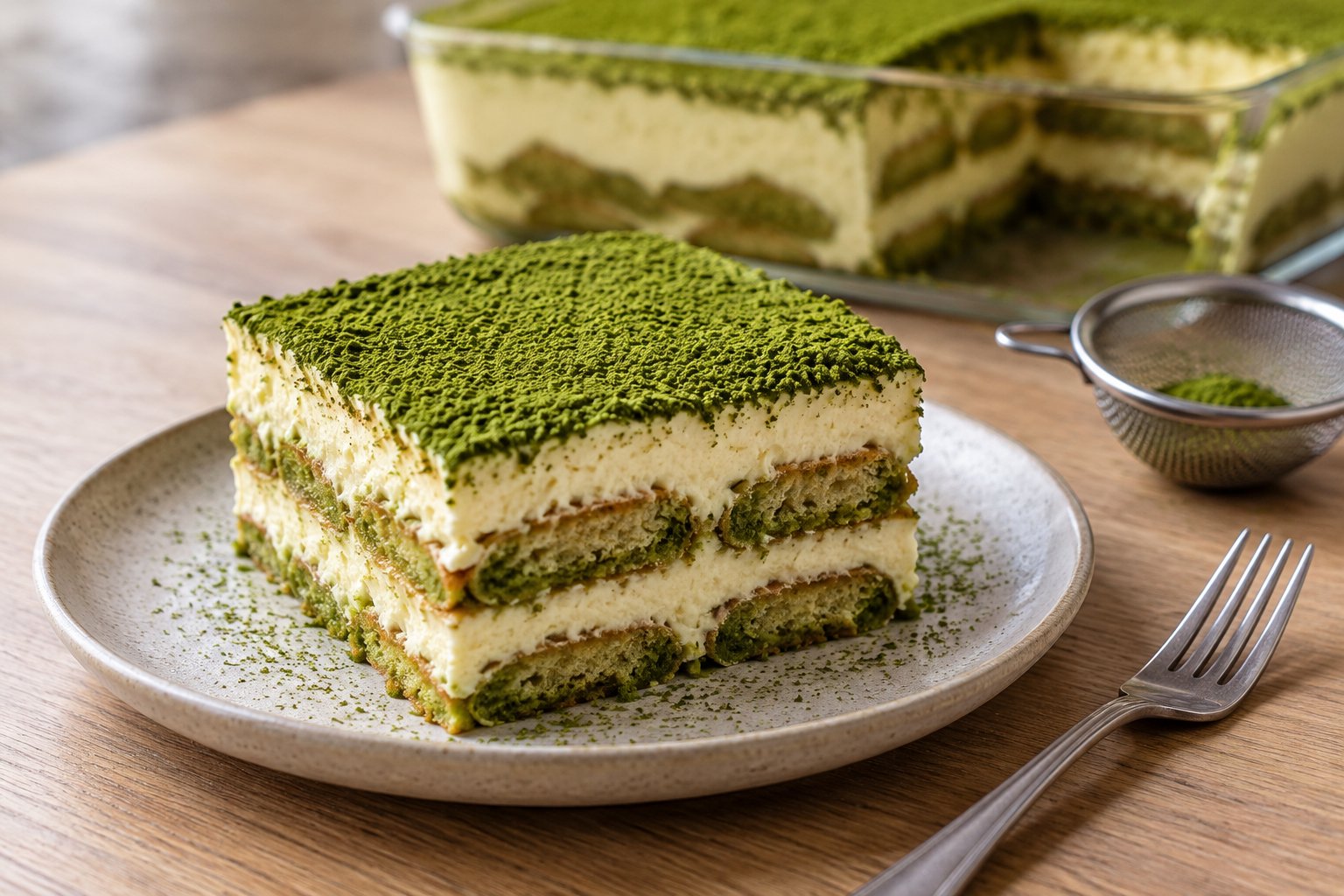
| Desserts | Matcha ice cream, matcha tiramisu |
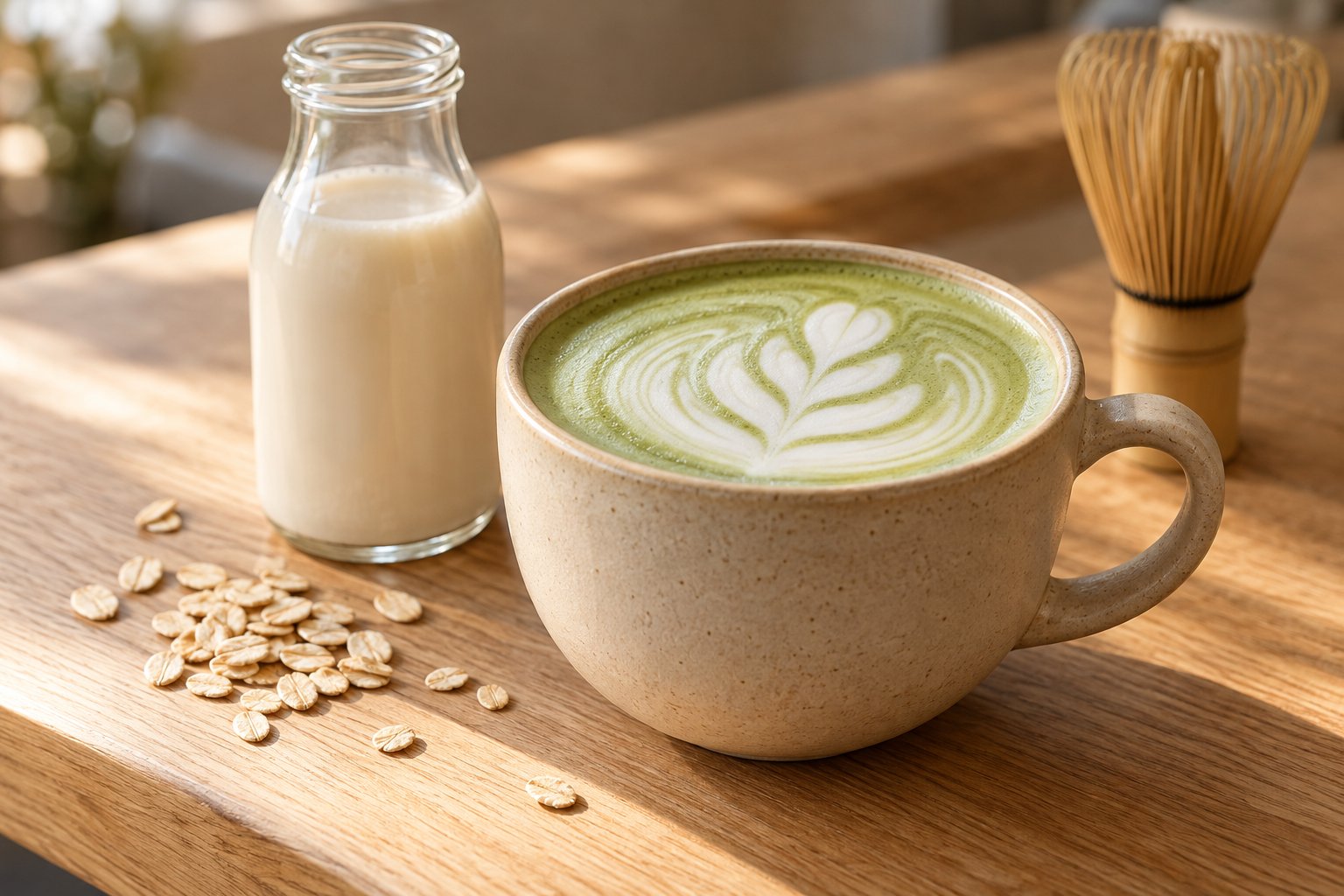
If customers can choose their milk, the taste changes with each milk. Only put milk and sweetness combinations on the menu that you have tested and settled on. For oat milk, see Oat Milk Matcha Latte.
Nutri-Grade in Singapore
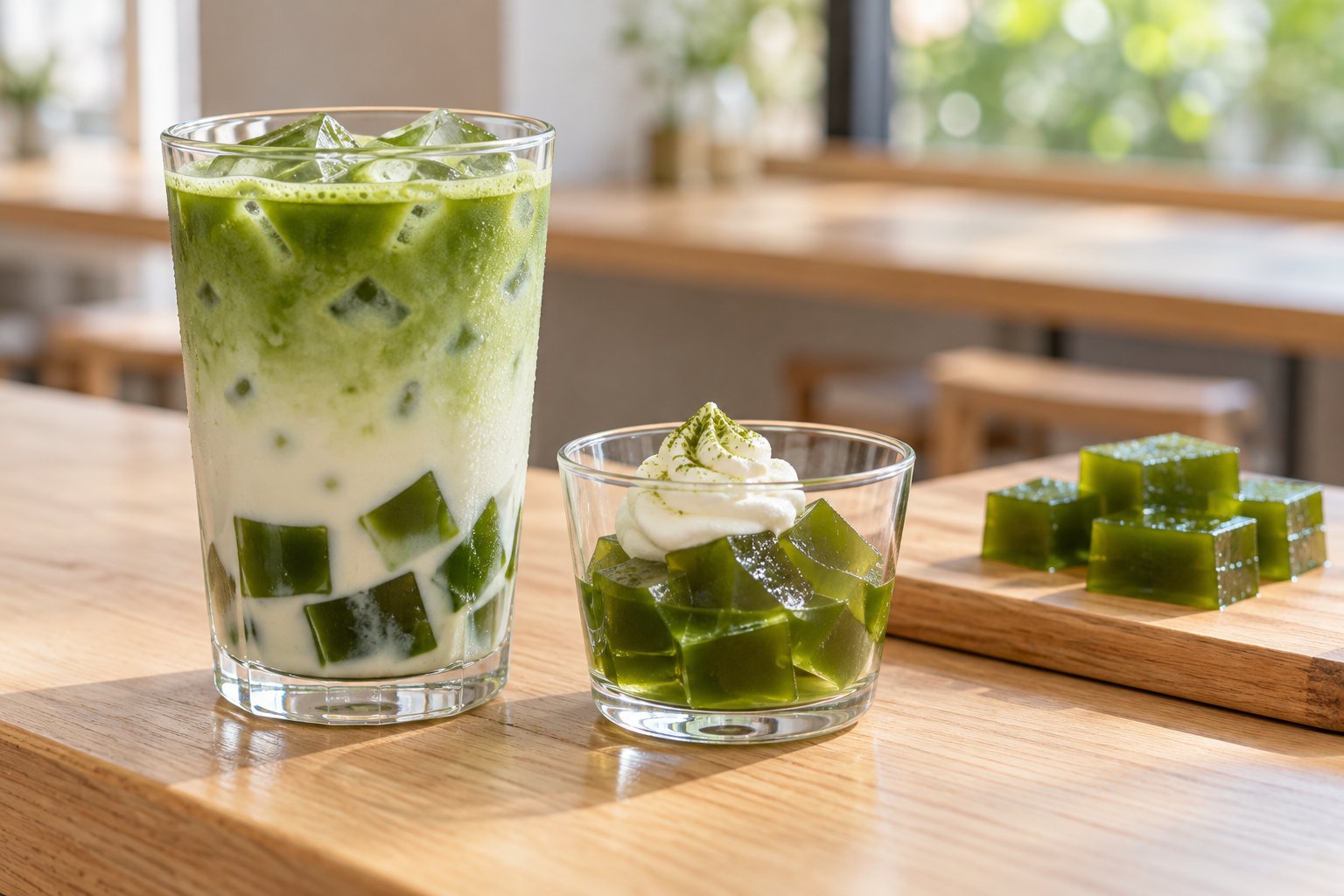
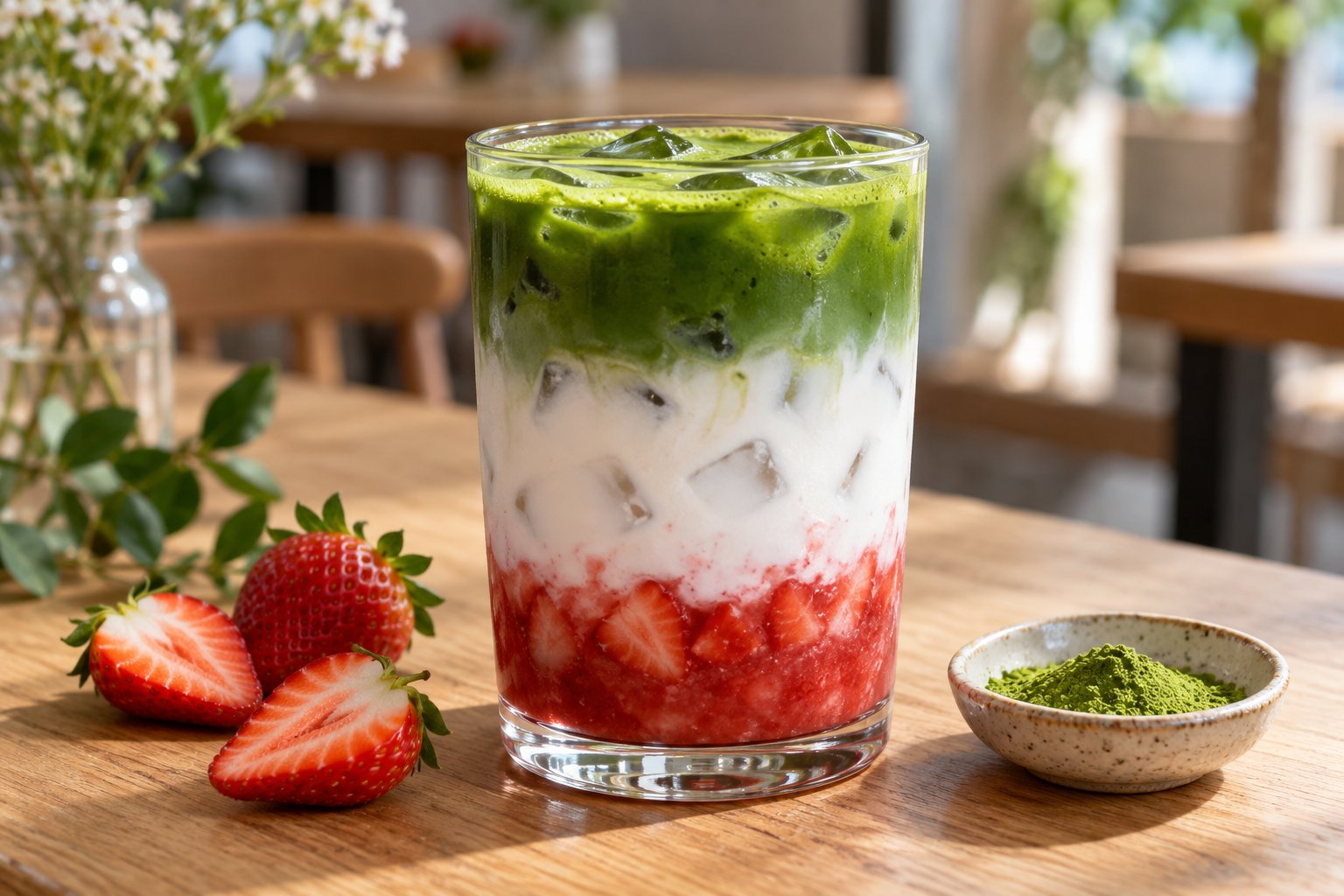
According to Singapore’s Ministry of Health (MOH), from 30 December 2023 freshly prepared beverages are covered by Nutri-Grade, which grades drinks by sugar and saturated fat. Drinks graded C or D must show the mark next to the drink, such as on menus. For now, smaller businesses with revenue of not more than S$1 million in the latest financial year that sell drinks at fewer than 10 food premises are exempt. Toppings such as pearls, jellies, ice cream and whipped cream must be labelled with their sugar content. More detail is in Strawberry Matcha Latte for Cafés.
Matcha purchasing plan: how many kilograms a month
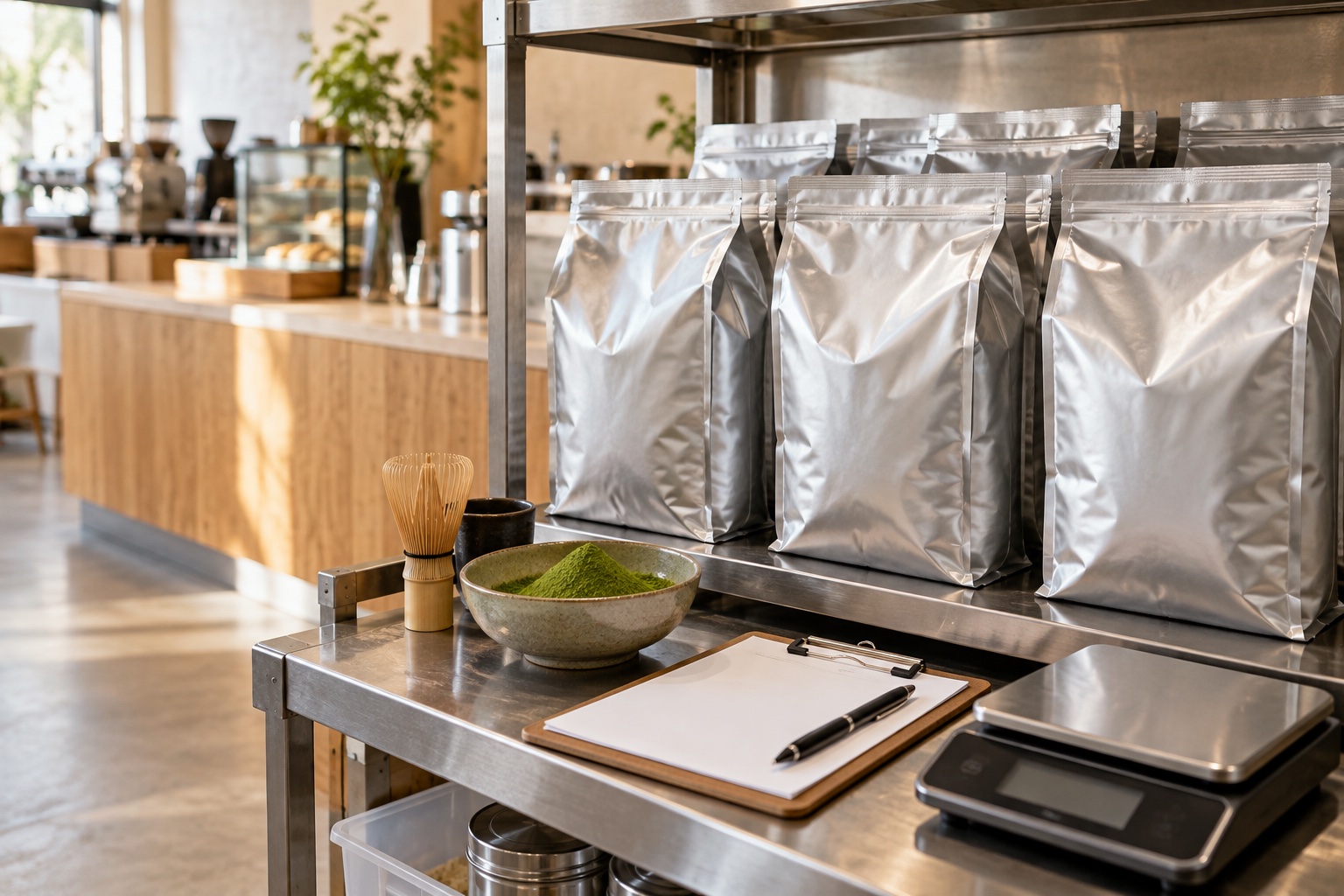
Work out how much to buy from grams per cup, cups per day and trading days, and buy bags you can finish within a month of opening. Matcha that loses flavour before you use it is a direct loss.
Calculate your monthly amount
Ippodo Tea, a long-established Kyoto tea shop, uses 3g of matcha per cup in its official matcha latte recipe.
Monthly amount = grams per cup × cups per day × trading days
At 3g per cup and 30 trading days a month:
| Cups per day | Monthly amount |
|---|---|
| 30 cups | 2,700g |
| 60 cups | 5,400g |
| 100 cups | 9,000g |
At 60 cups a day, you use a little over 5kg of matcha a month. If you serve larger cups or also use matcha in frappes and desserts, add up the grams for each menu item. How to calculate cost per cup is in How to Choose Matcha for Café Lattes.
Days from opening a bag to finishing it
Ippodo Tea says matcha tastes best when used within a month of opening. A shop serving 60 cups a day finishes a 1kg bag in less than a week. Matcha you use a little at a time, such as for straight matcha, is better bought in smaller bags. Storage in hot climates is covered in Does Matcha Go Bad?.
Minimum order and samples
Each supplier has a different minimum order quantity. If the minimum order is more than you use in a month, also check how long it keeps unopened and the temperature where you will store it. Before opening, order samples of the matcha you are considering and test them with your own milk and sweetness. How to compare them is in How to Buy Matcha Wholesale, and the differences between grades are in Matcha grades.
Omakase Matcha supplies matcha bought directly from growing regions in Uji, Yame, Kagoshima, Shizuoka and Miyazaki, from 1kg. We deliver to Singapore with duties and taxes paid (DDP), and to Thailand and Indonesia on DAP terms, where your shop pays duties and taxes on receipt. Payment is in advance by Wise or PayPal, and we also visit shops in Singapore and Thailand. You can request up to 3 samples, and our terms are on the wholesale page.
Sources
- Singapore Food Agency (SFA), “Businesses that Need Licence / Permit for Food Retail” https://www.sfa.gov.sg/food-retail/licence-permit/businesses-that-need-licence-permit-for-food-retail
- Singapore Food Agency (SFA), “Food Shop Licence” https://www.sfa.gov.sg/food-retail/licensing-permits/food-shop-licence
- Singapore Food Agency (SFA), “WSQ Food Safety Course (FSC) Level 1” https://www.sfa.gov.sg/food-handler-hygiene-officer/training-courses
- Singapore Food Agency (SFA), “Requirements for Food Handlers” https://www.sfa.gov.sg/food-retail/information-for-food-handlers
- Ministry of Health Singapore (MOH), “Implementation of Nutri-Grade requirements for freshly prepared beverages from 30 December 2023” https://www.moh.gov.sg/newsroom/implementation-of-nutri-grade-requirements-for-freshly-prepared-beverages-from-30-december-2023/
- Public Health Law Administration Center, Department of Health, Thailand, “บันทึกการตอบข้อหารือกรมอนามัย เรื่องเสร็จที่ 32/2562” (Reply to an inquiry, 30 April 2019, quoting Section 38 of the Public Health Act, in Thai) https://laws.anamai.moph.go.th/web-upload/migrated/files/laws/n2440_74e17d13cf782ced5907fde13c133d08_2562-32.pdf
- Department of Health, Ministry of Public Health, Thailand, “กรมอนามัย จับมือ FOOD PASSION สร้างผู้ประกอบกิจการและผู้สัมผัสอาหารปลอดภัย” (11 October 2023, in Thai) https://anamai.moph.go.th/th/news-anamai/43461
- Yaring Subdistrict Municipality, Pattani Province, citizen’s guide for notification of food shops of 200㎡ or less (in Thai) https://infocenter.oic.go.th/FILEWEB/CABINFOCENTER1/DRAWER073/GENERAL/DATA0000/00000189.PDF
- Ippodo Tea, “Matcha Latte Recipe” https://ippodotea.com/blogs/recipes-to-brew-japanese-tea/matcha-latte-recipe
- Ippodo Tea, “How to Keep Your Matcha Fresh” https://ippodotea.com/blogs/ippodo-tea-blog/how-to-keep-your-matcha-fresh