
 Reviewed by: Takahiro Sugiyama (CEO, meguri Inc.)
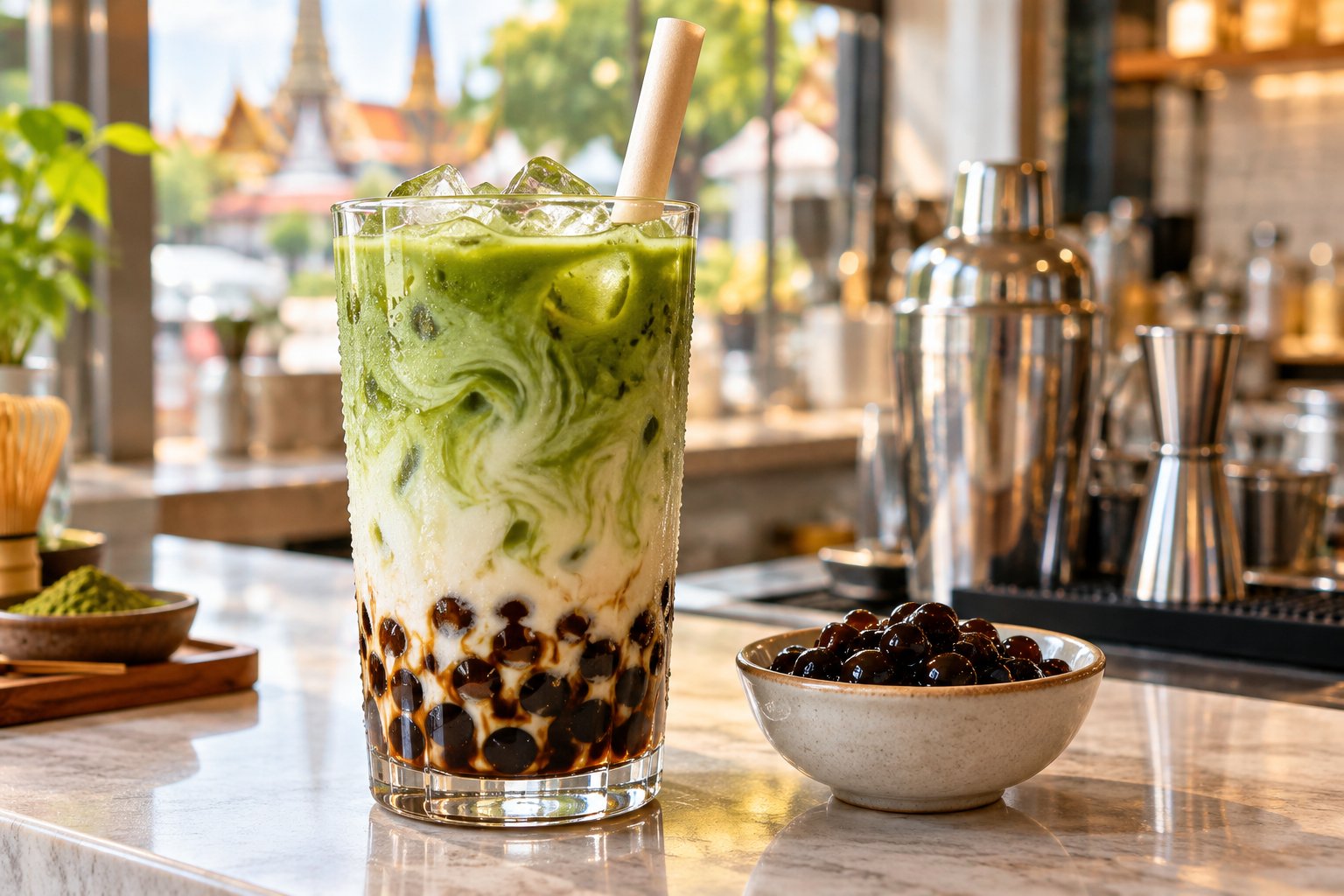
Matcha milk tea is often served with tapioca pearls as “matcha boba” or “matcha bubble tea.” Whether you use pure matcha powder or a powder that already contains sugar and creamer changes both the recipe and the sugar content. This article compares official information from a bubble tea supplier and matcha companies.
What is matcha milk tea (matcha boba)?
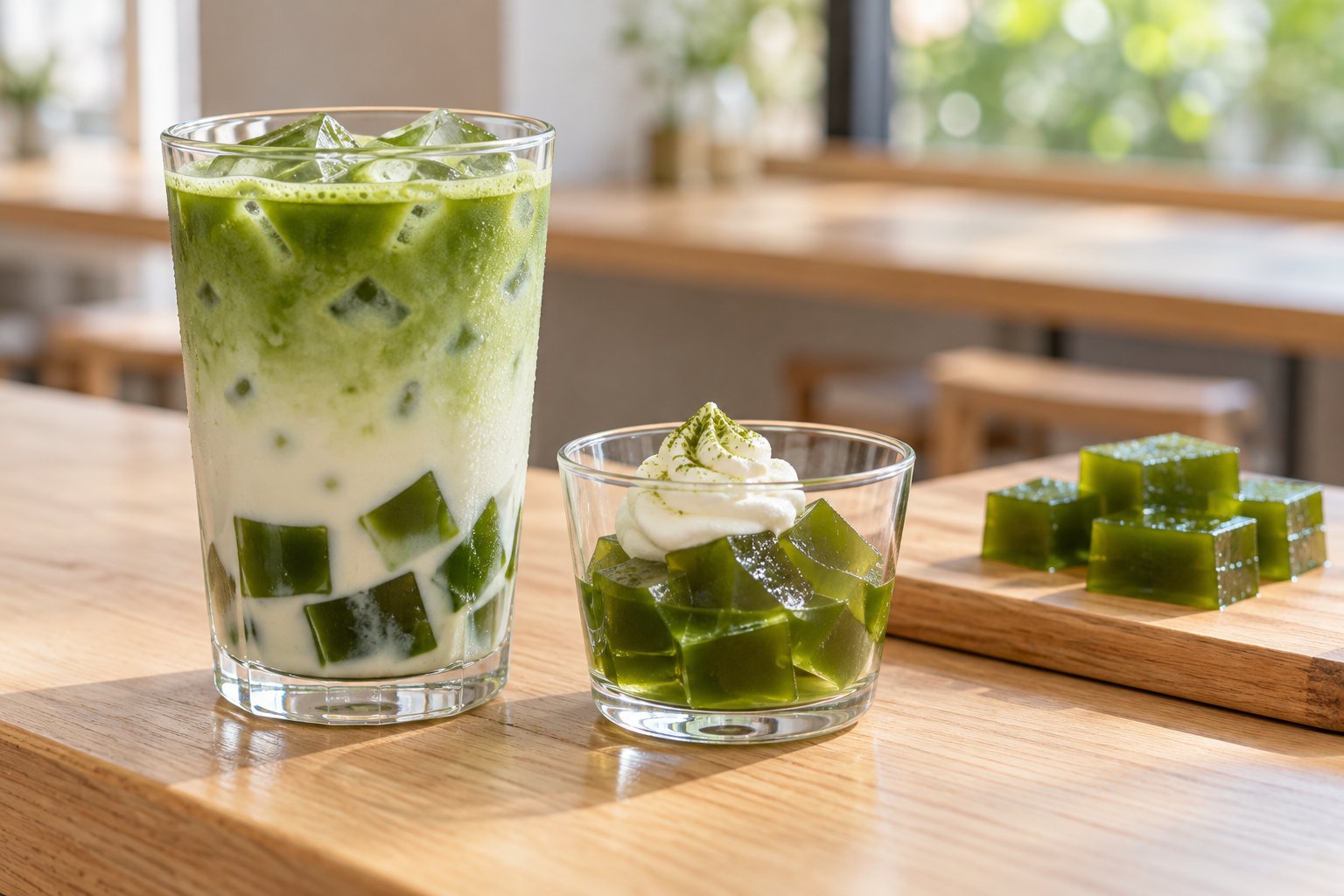
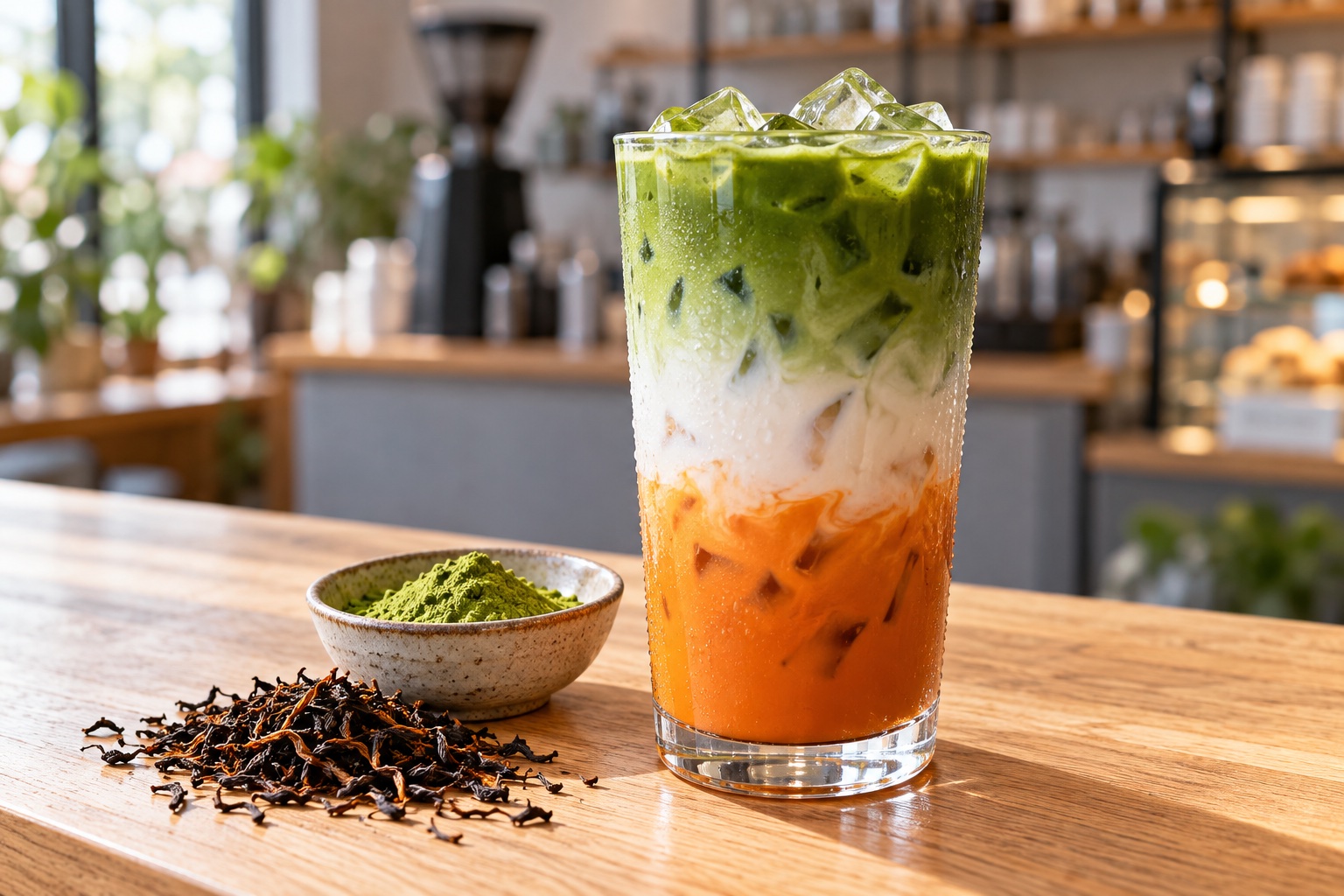
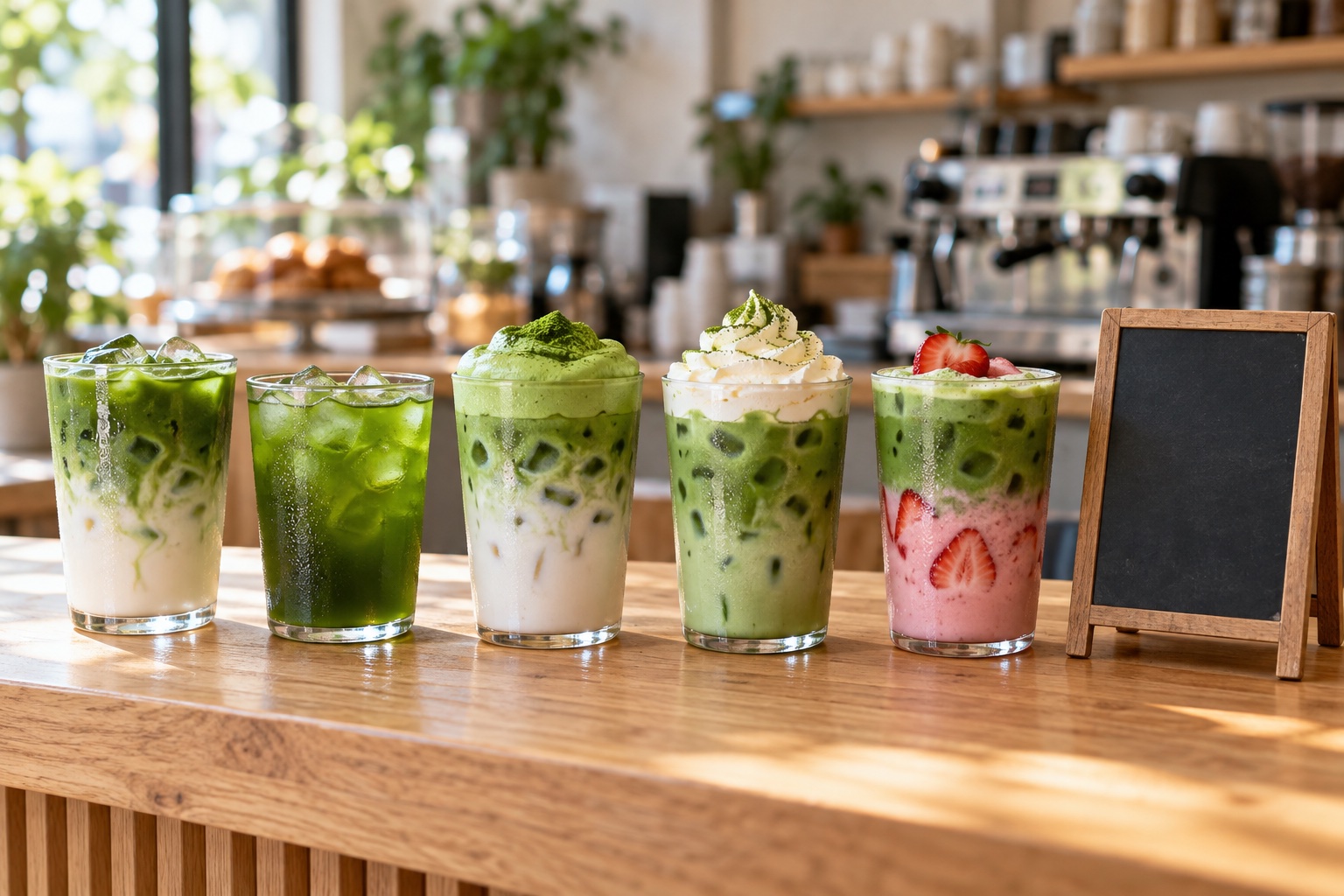
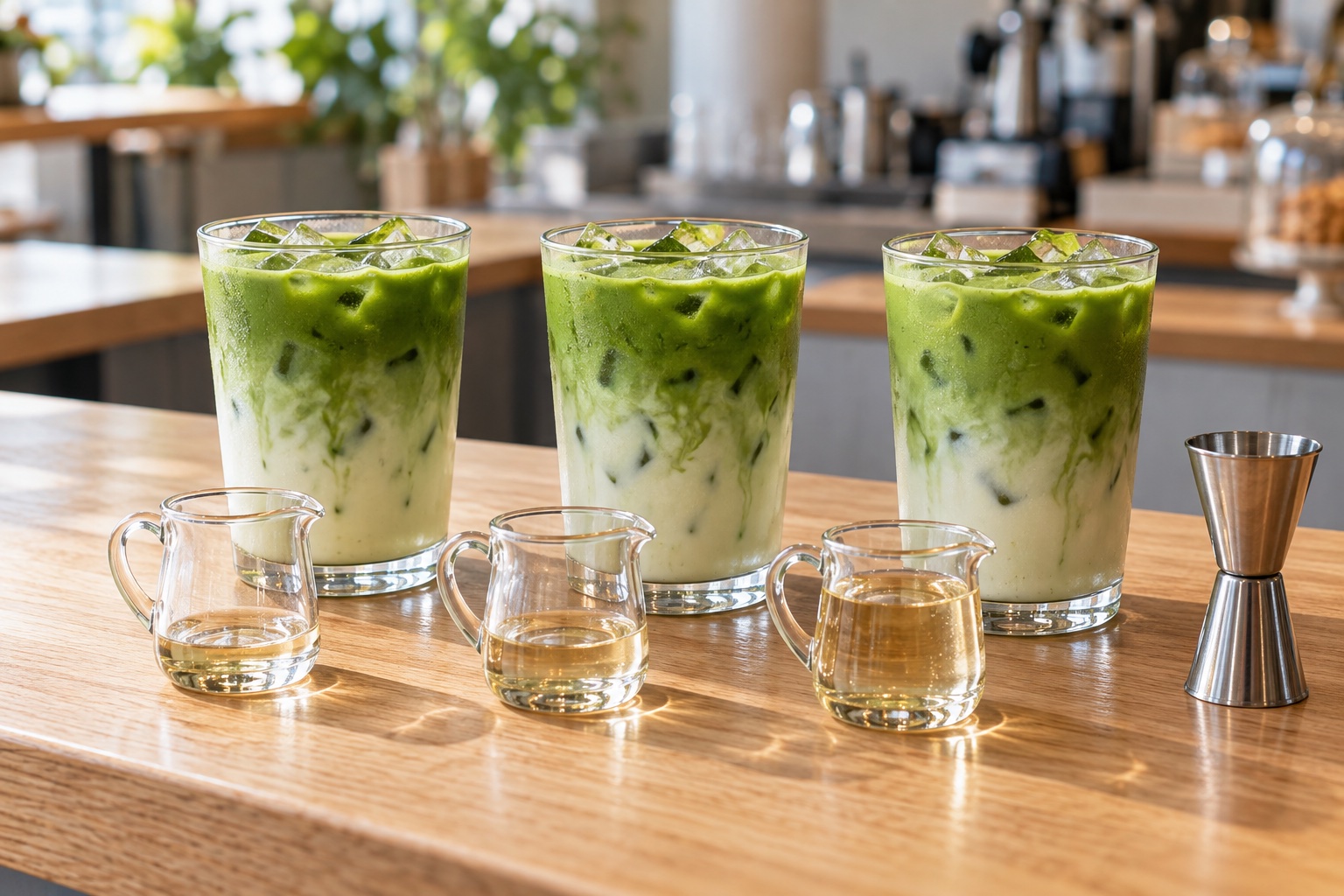
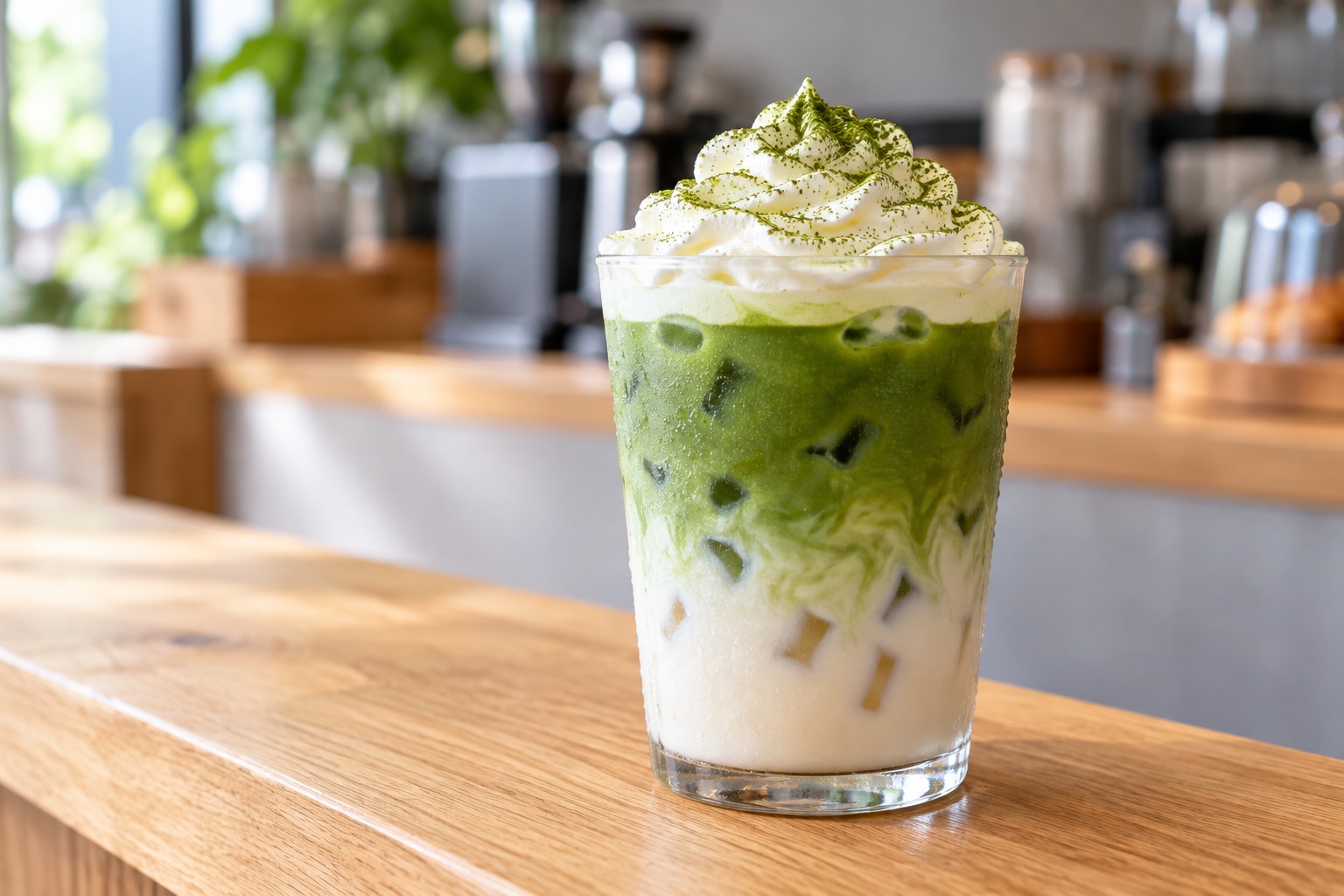
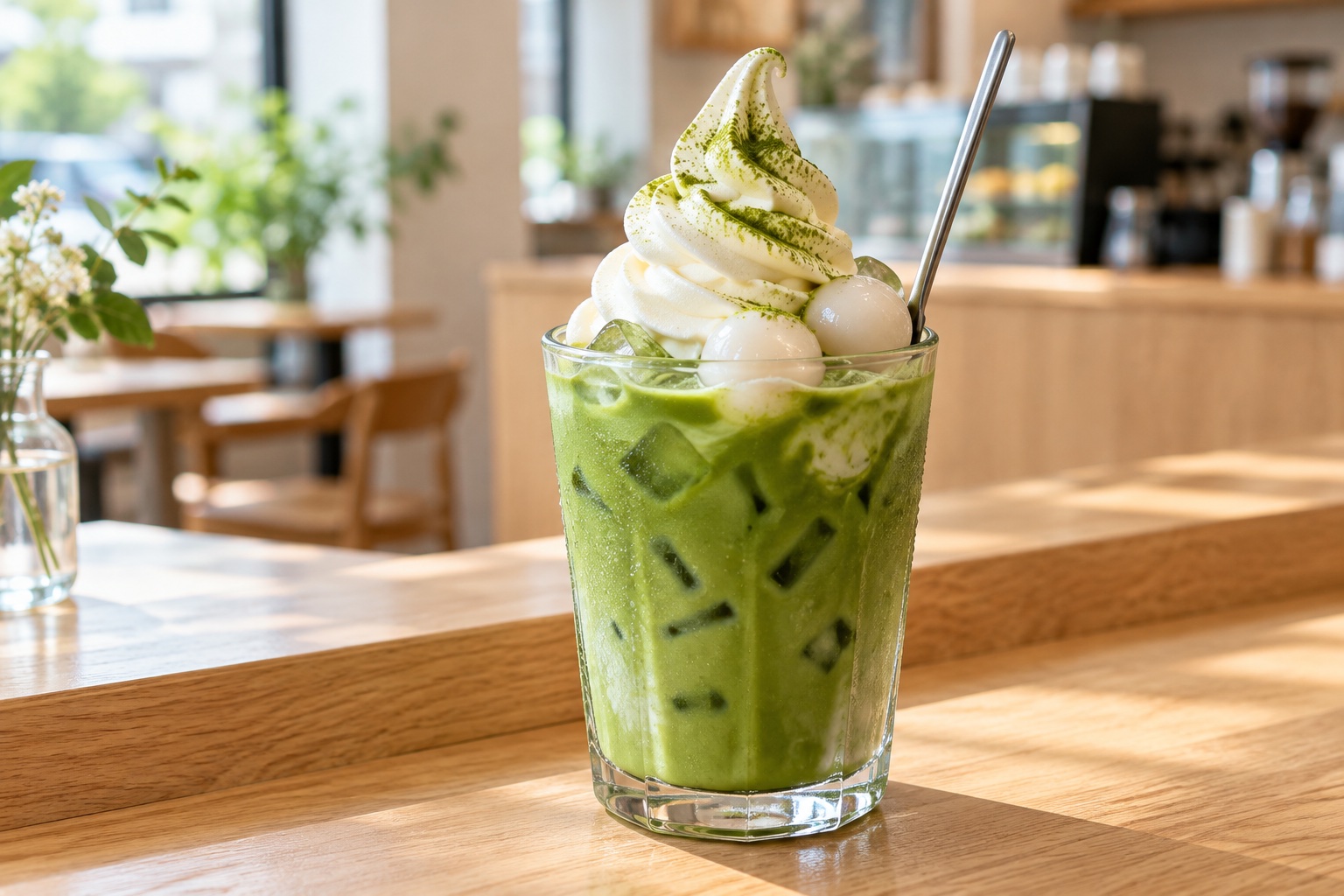
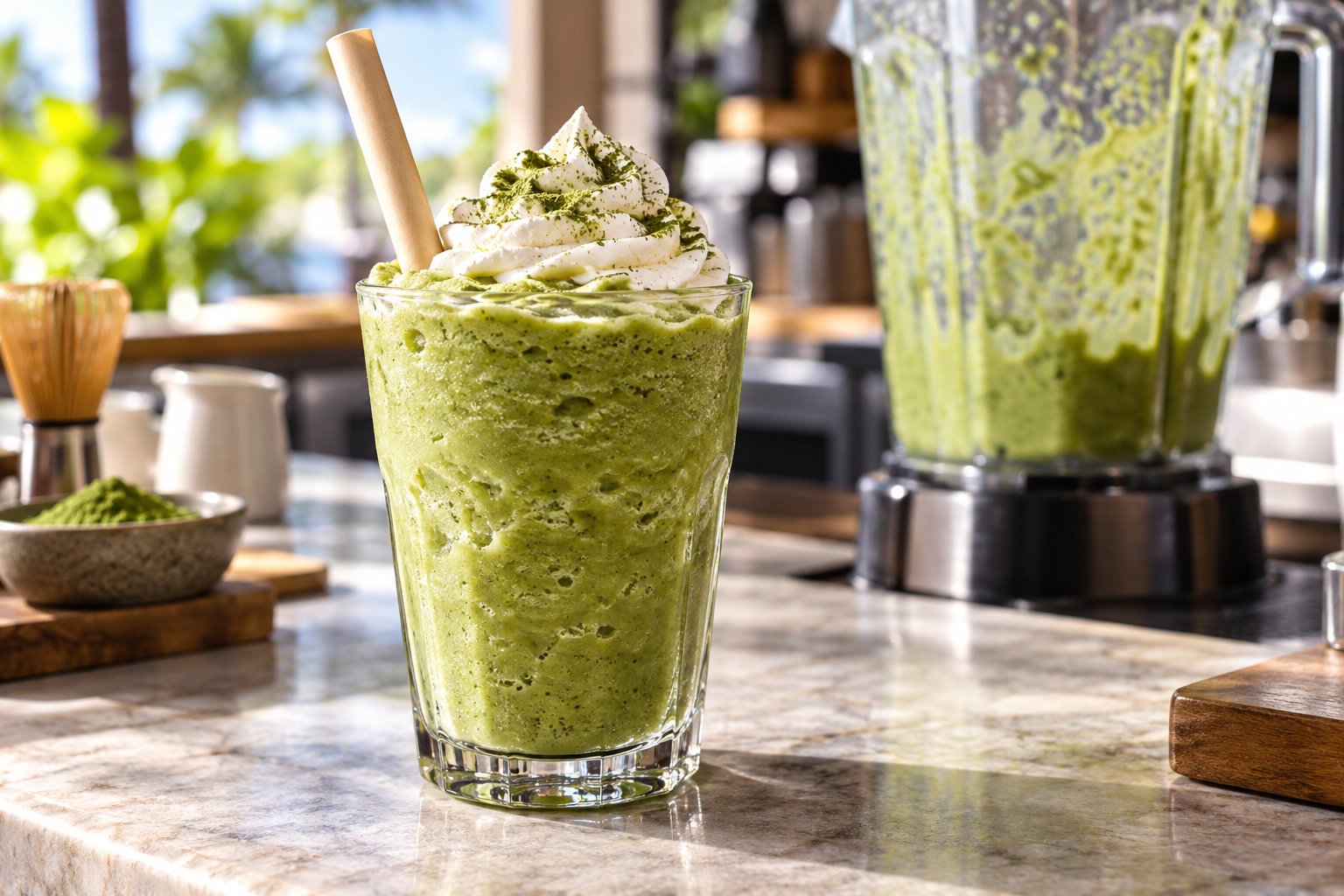
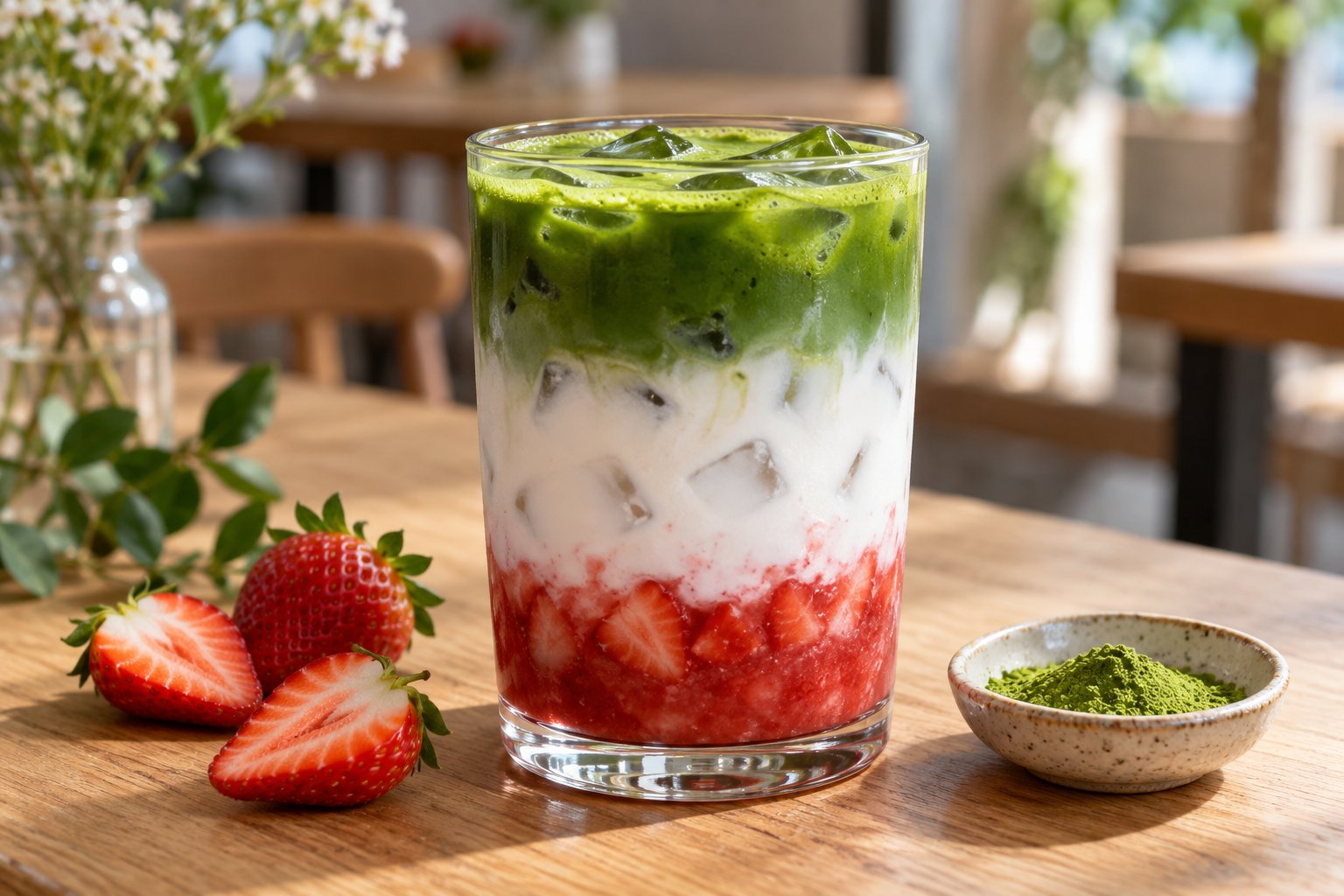
Matcha milk tea is matcha mixed with milk or powdered creamer (a milk substitute made from vegetable oil and other ingredients) and a sweetener, with toppings such as tapioca pearls. There is no fixed line between it and a matcha latte.
Dictionary definitions and names
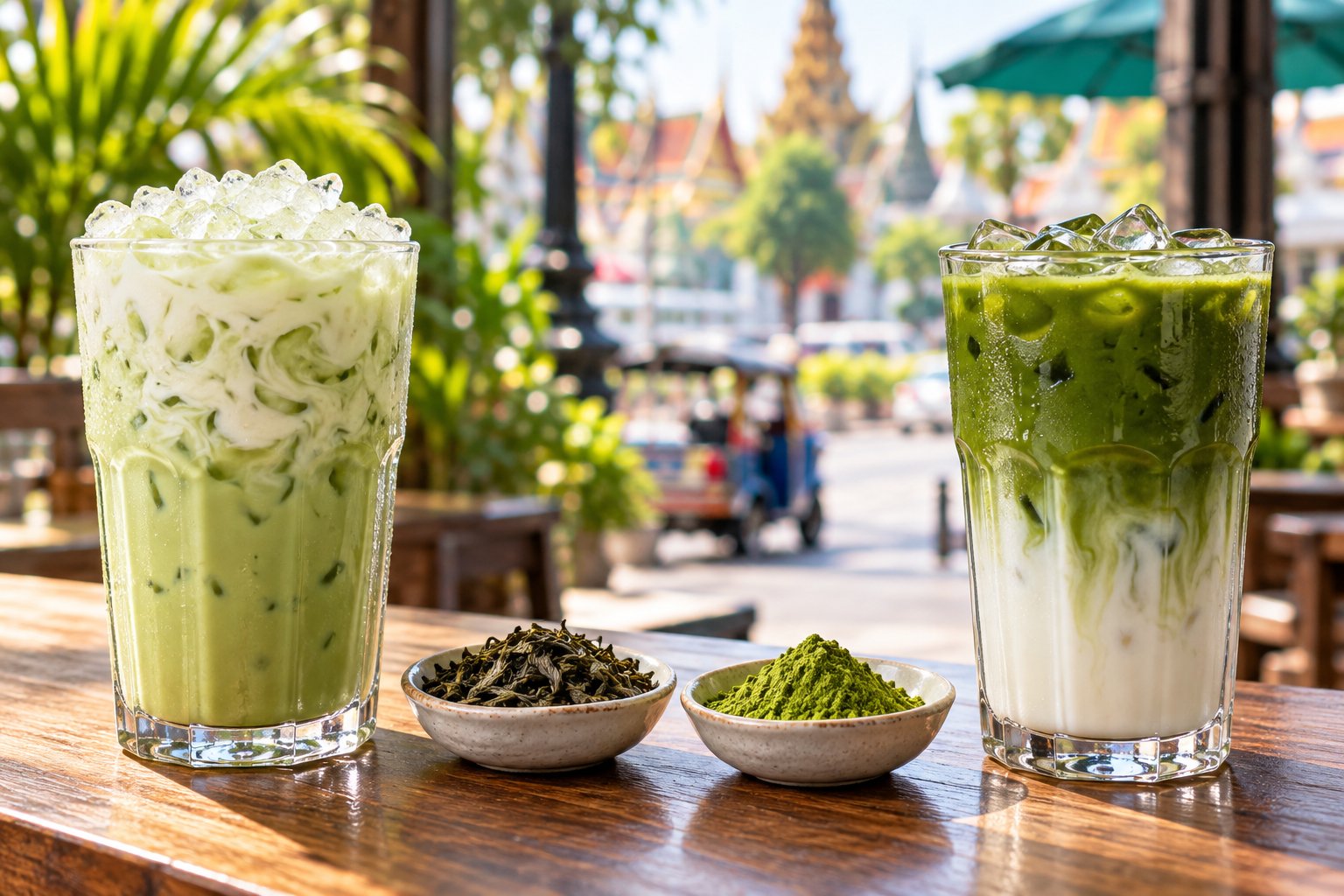
The Cambridge Dictionary defines bubble tea as “a drink, originally from East Asia, consisting of tea mixed with milk or fruit flavours, to which small balls of tapioca or jelly are added,” shaken to create bubbles. Boba are those small balls. The US matcha company Chalait says toppings are now a must, and a drink without toppings is usually called “matcha tea with milk.” In Thai it is called “ชานมไข่มุก” (milk tea with pearls).
How it differs from a matcha latte
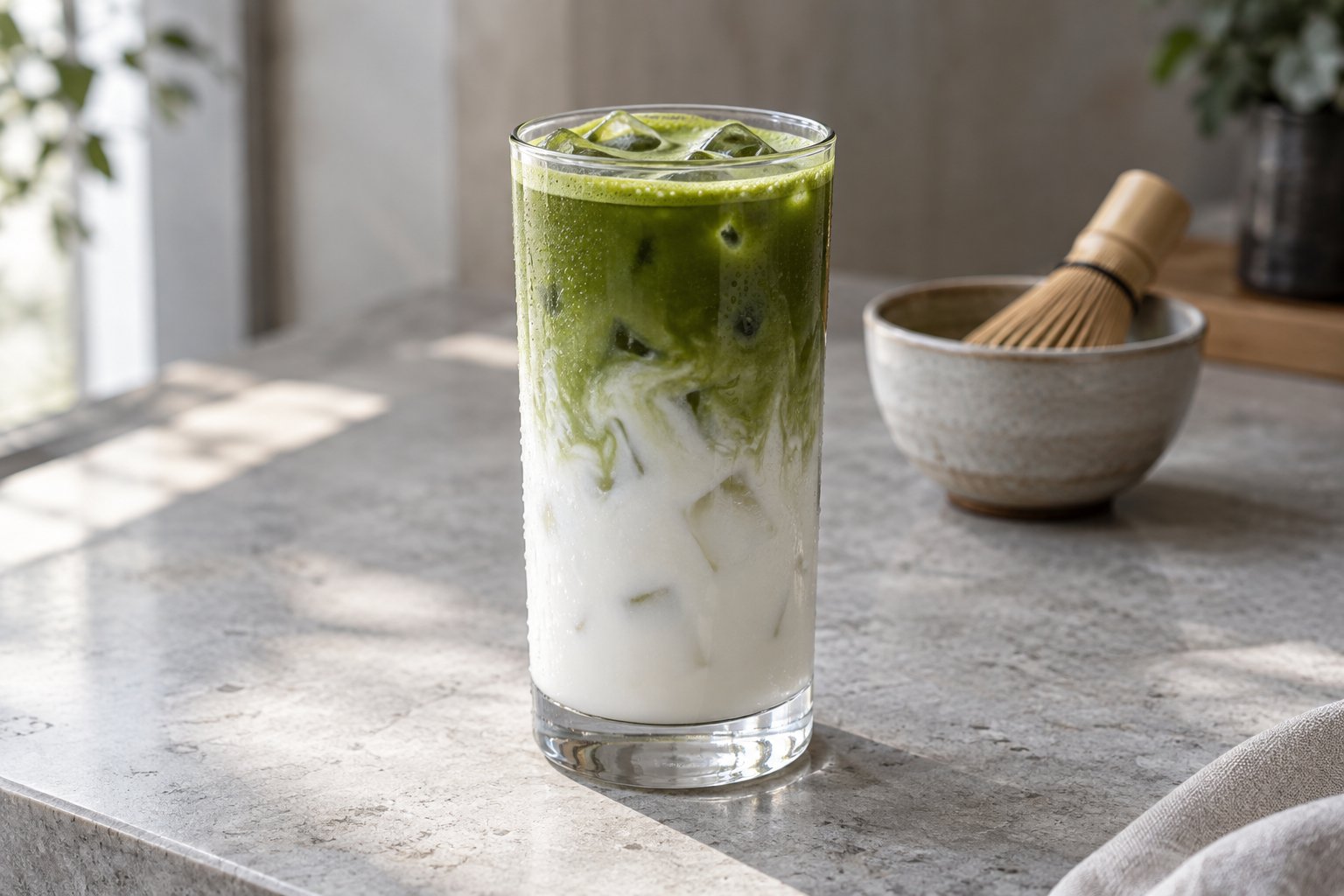
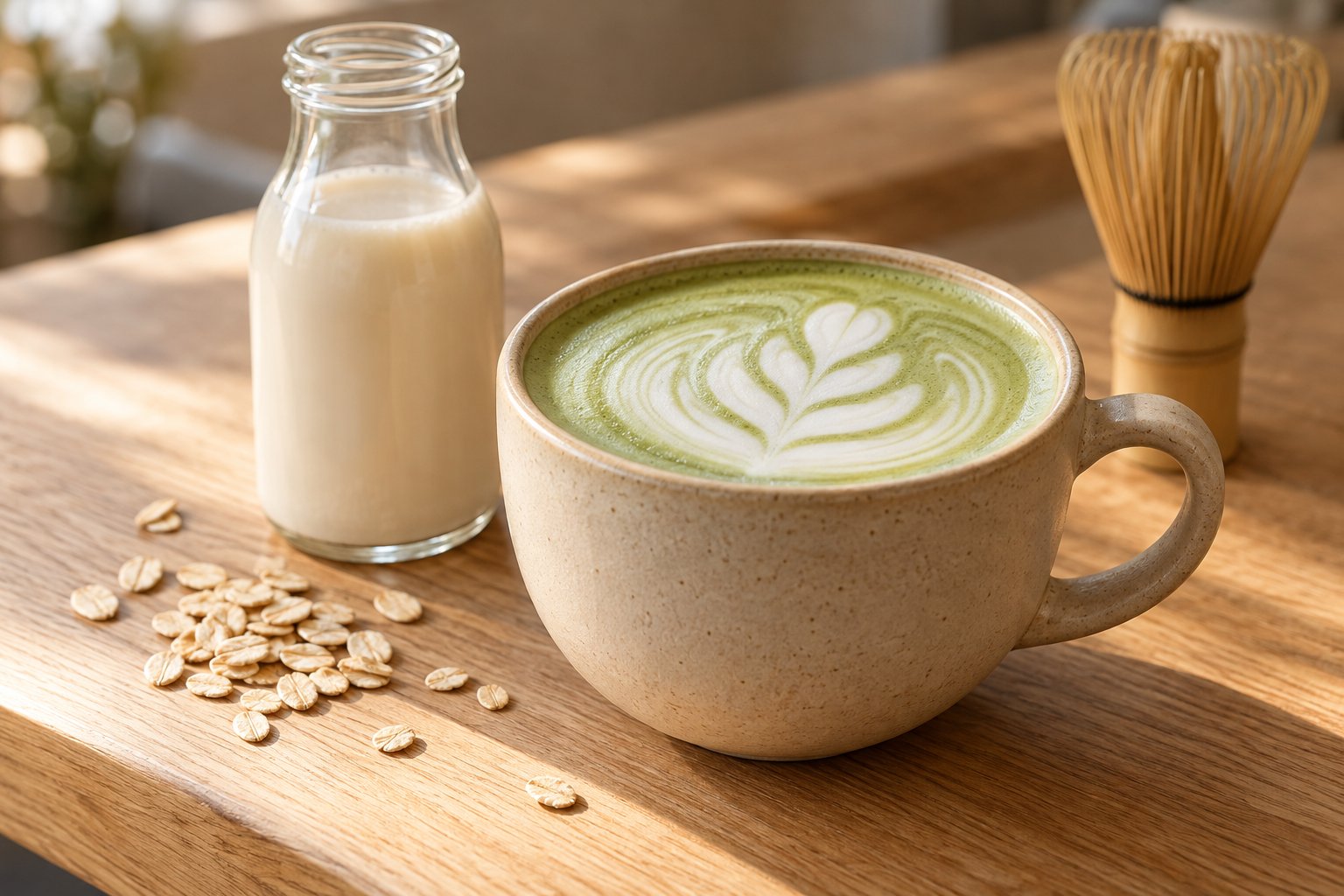
In official recipes, the differences from a matcha latte are the toppings, shaking with ice, and the use of sweetened powders or creamer. Even so, some manufacturer recipes with tapioca pearls are named “Matcha Latte.” A version with only matcha and milk is in how to make an iced matcha latte.
Comparing official recipes
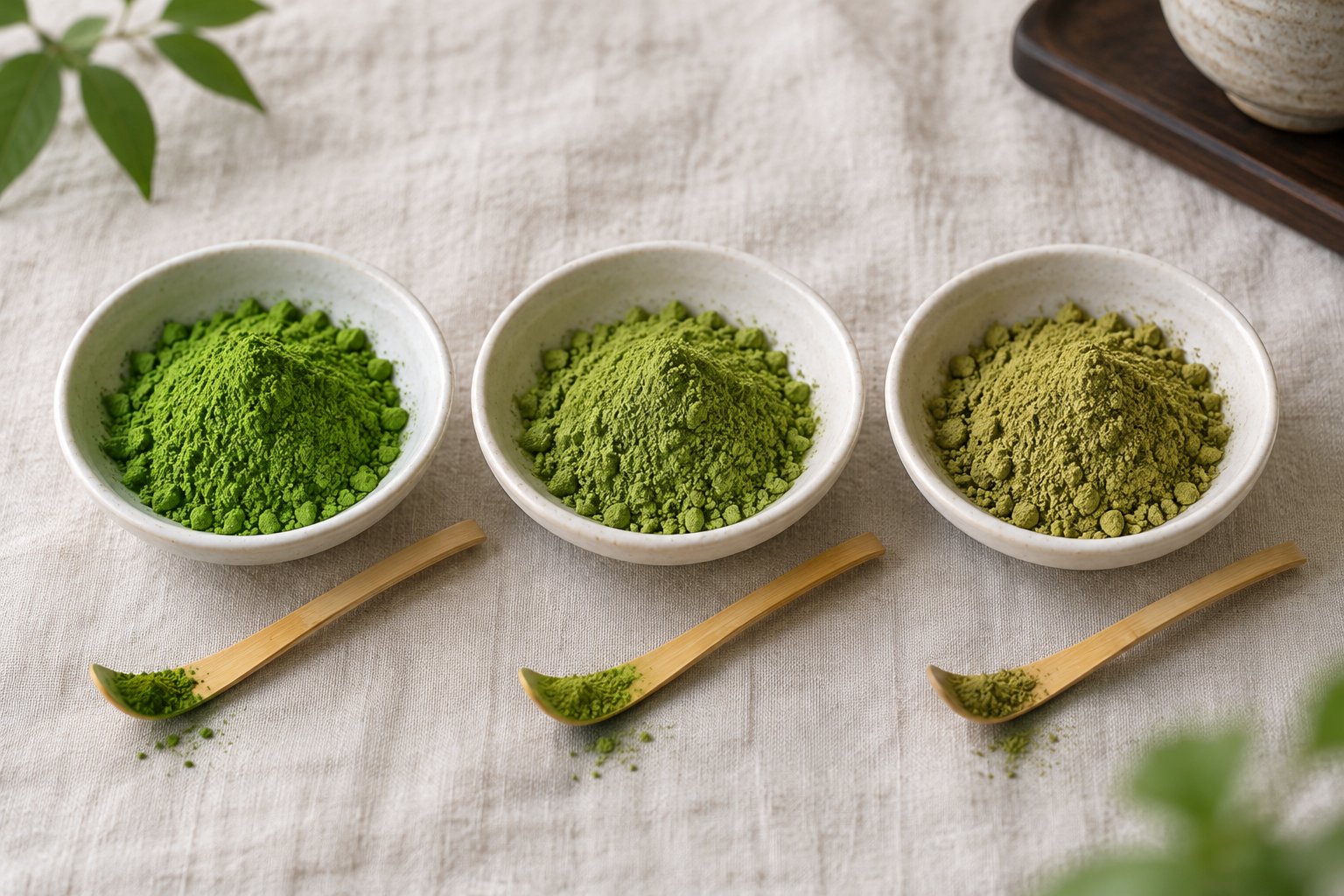
Recipes that use pure matcha powder use 2 to 7g of matcha per drink. A powder with sweetener and creamer already in it uses 36g per drink, which is a different way of building the recipe.
Five official recipes compared
| Source | Powder and amount | Liquid to dissolve | Milk or creamer | Sweetener | Tapioca and ice |
|---|---|---|---|---|---|
| Bossen (US bubble tea supplier) Uji Matcha (made in Japan) | 5g matcha | 60ml hot water, whisked until frothy | 5oz (about 150ml) steamed milk | 25ml fructose (or honey) | Tapioca pearls |
| Bossen Pure (green tea powder only, made in Taiwan) | 7g (10g for a stronger taste) | 100ml hot water, cooled with ice | 40g creamer dissolved in 100ml hot water, cooled with ice (whole milk also fine) | To taste | Ice. Served without mixing |
| Bossen Premium (contains sugar and creamer, made in Taiwan) 16oz | 36g powder | 150ml hot water | 20g creamer | 30ml fructose | Shaker filled with ice, shaken |
| Chalait (US matcha company) | 1/2 teaspoon matcha | 2oz (about 60ml) water at 80°C (176°F), 5oz (about 150ml) cold water | 1 tablespoon half-and-half (half milk, half cream) | 1 teaspoon honey | Tapioca pearls, a glass of ice |
| Pure Matcha (Australian matcha company) | 2g matcha | Hot water (amount not stated) | 3/4 cup oat milk | 20ml maple syrup | 1/4 cup tapioca pearls (uncooked) |
Bossen suggests 60 to 80g of tapioca pearls for a 16oz (about 470ml) drink.
What the table shows
Pure matcha powder ranges from 2g to 7g, a difference of more than three times. Chalait adds only 1 tablespoon of milk to matcha thinned with hot and cold water, so it uses much less milk. Every recipe with pure matcha powder dissolves the matcha in hot water first. The sweetened powder is dissolved in hot water and then shaken with ice. Sweetened powders do not state how many grams of matcha they contain, so a shop cannot work out the matcha strength or caffeine itself.
Setting your shop’s standard (our view)
This is our view. With pure matcha powder, try 3g and 5g of matcha with 150 to 200ml of milk and 20 to 30ml of sweetener, and decide the taste with the sweetness of the tapioca included. Write every quantity on a recipe card in grams or millilitres. If dissolving matcha for each order is hard, you can make a matcha syrup in advance.
Checking what is in a “matcha” powder
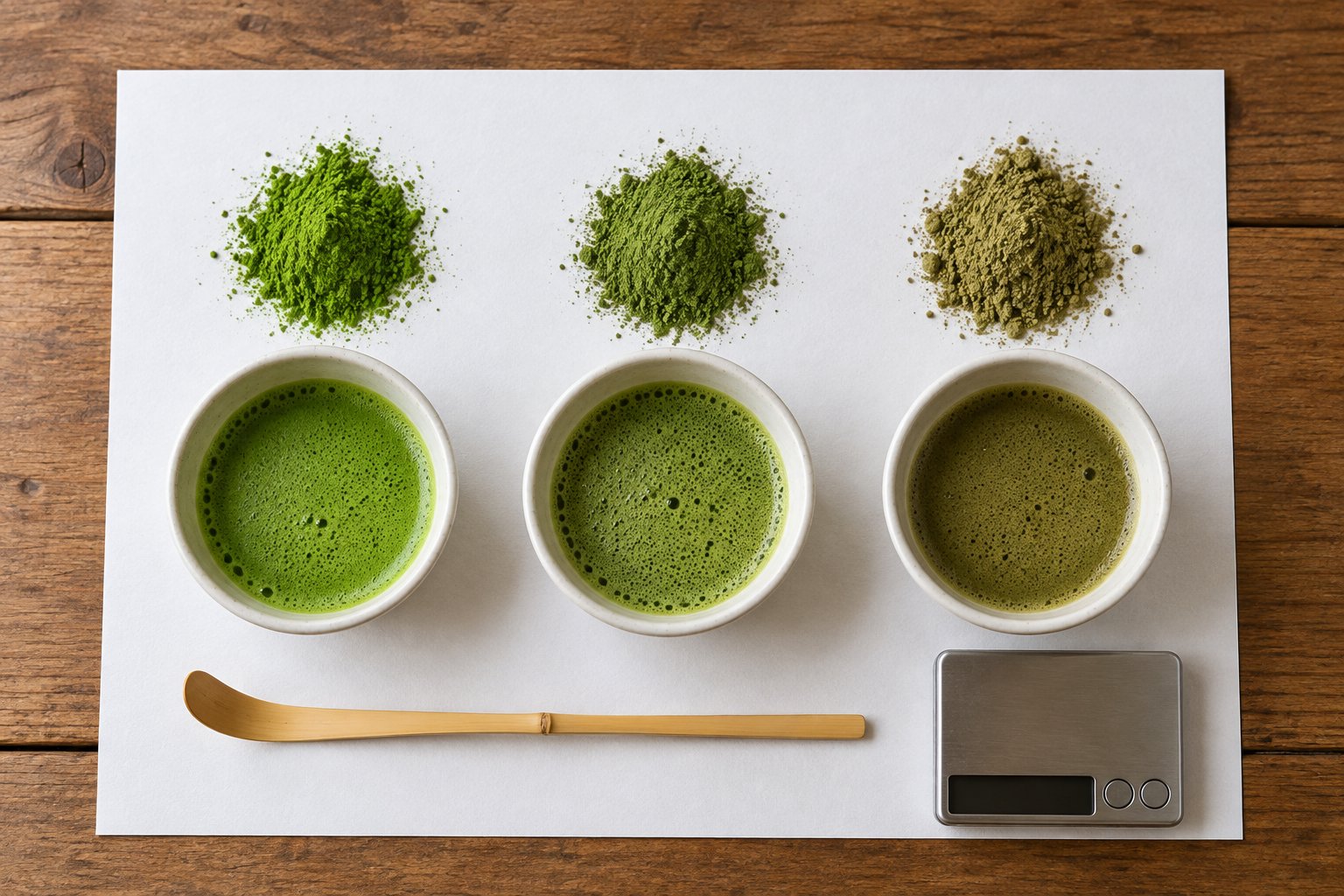
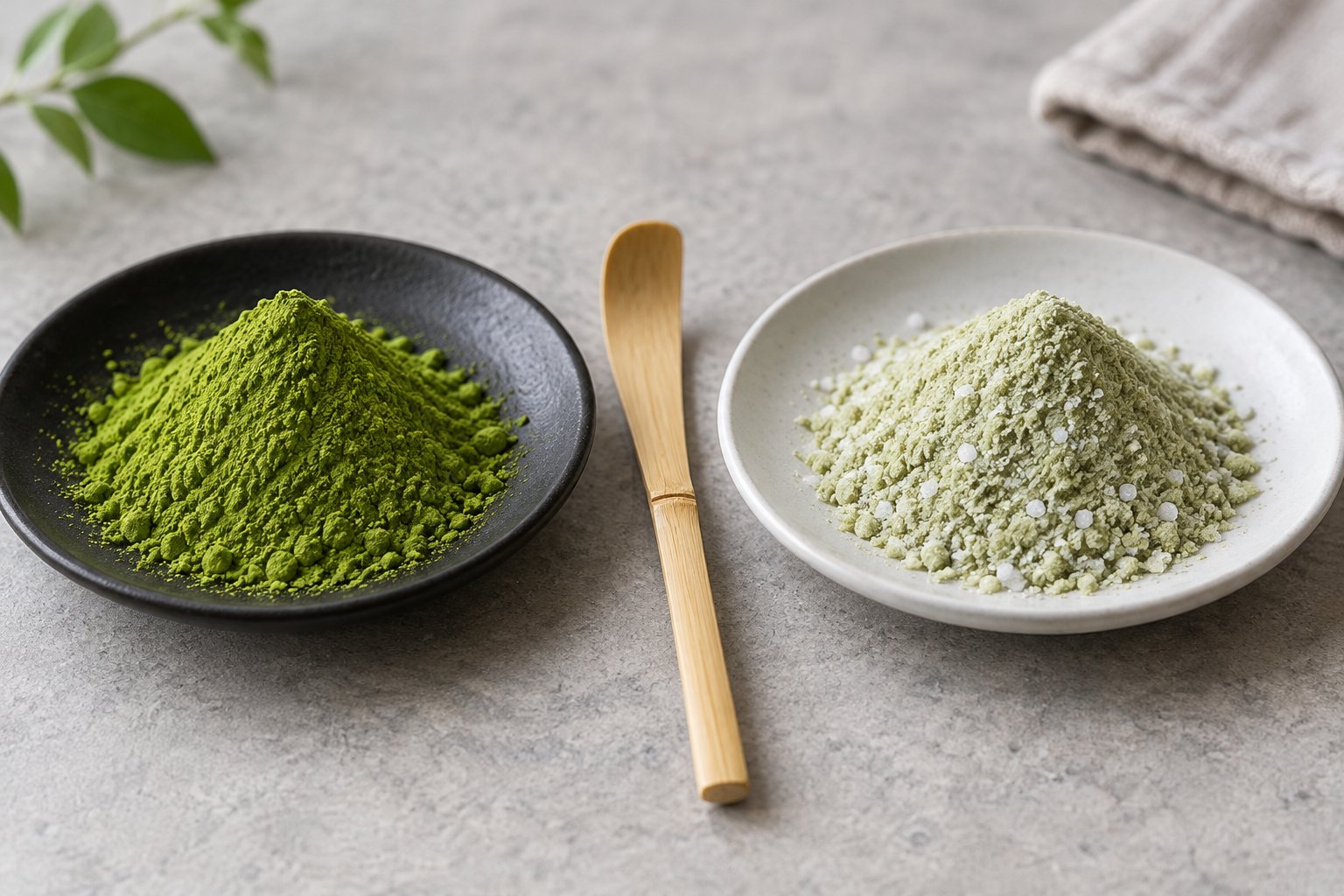
Some “matcha” powders for bubble tea are mixes with sugar and creamer already added. Before buying, check the order of the ingredients and the country of origin.
Ingredients of a sweetened mix
Bossen’s Premium Matcha Green Tea Powder is a powder mixed with sugar and creamer. Its ingredients are listed in this order: glucose, non-dairy creamer (glucose syrup, hydrogenated vegetable oil, sodium caseinate and others), matcha powder, green tea flavor, FD&C Yellow #5 and FD&C Blue #1. Its country of origin is Taiwan. Under US food labelling rules (21 CFR 101.4), ingredients are listed in descending order of weight.
Source: Bossen, “Matcha Green Tea Powder, PREMIUM” https://www.bossenstore.com/products/premium-matcha-green-tea-powder
Pure matcha powder and Japan’s labelling standard
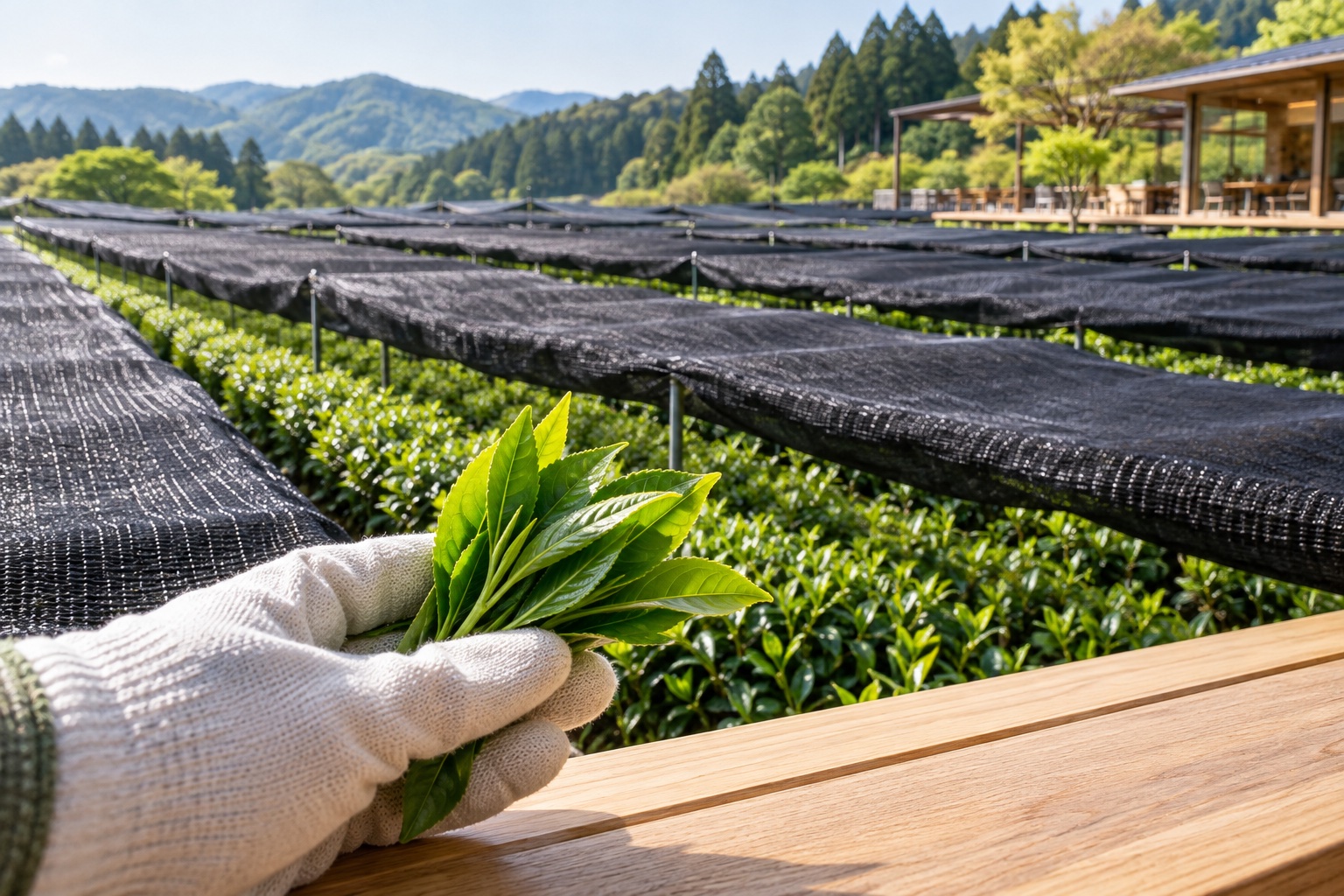
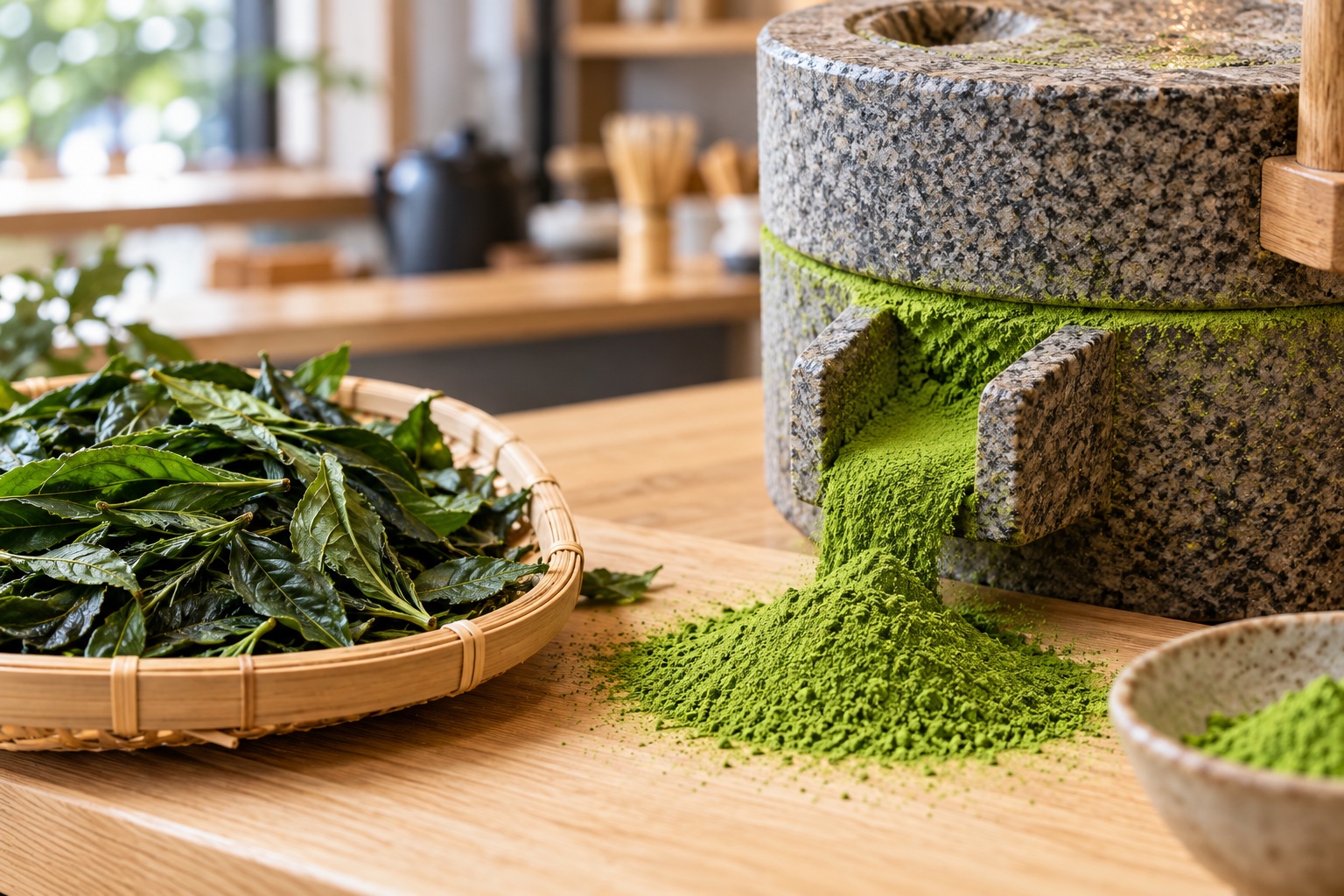
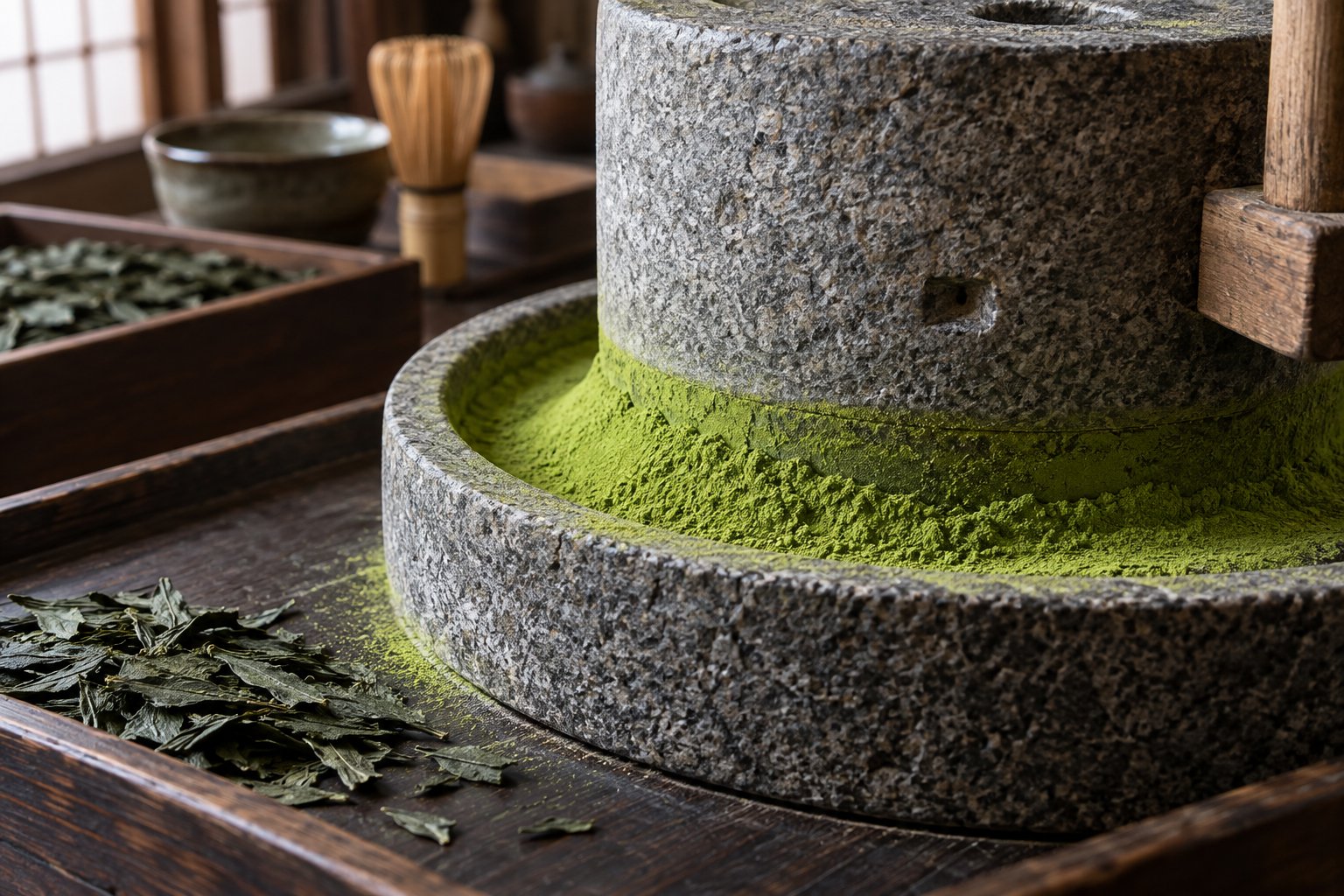
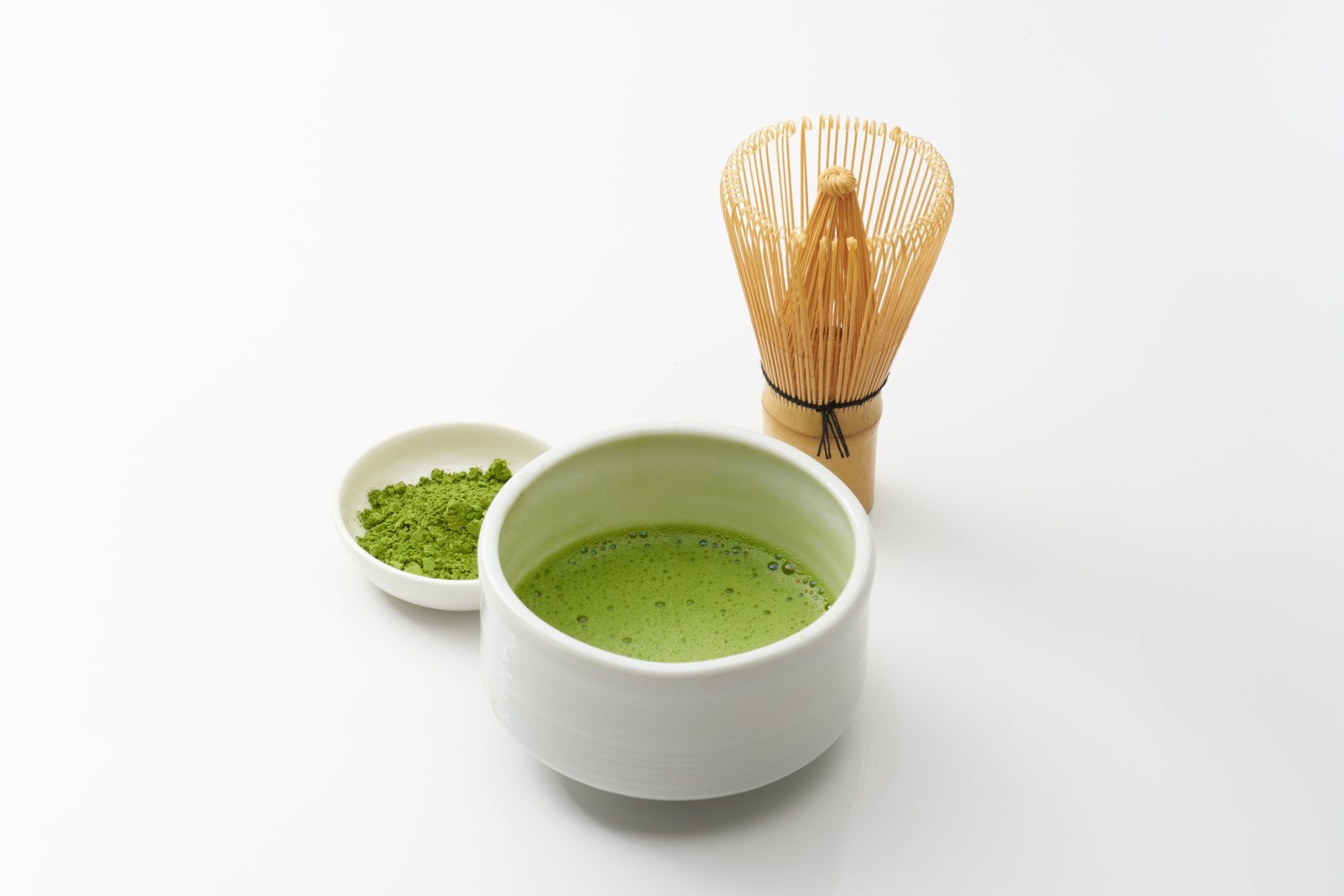
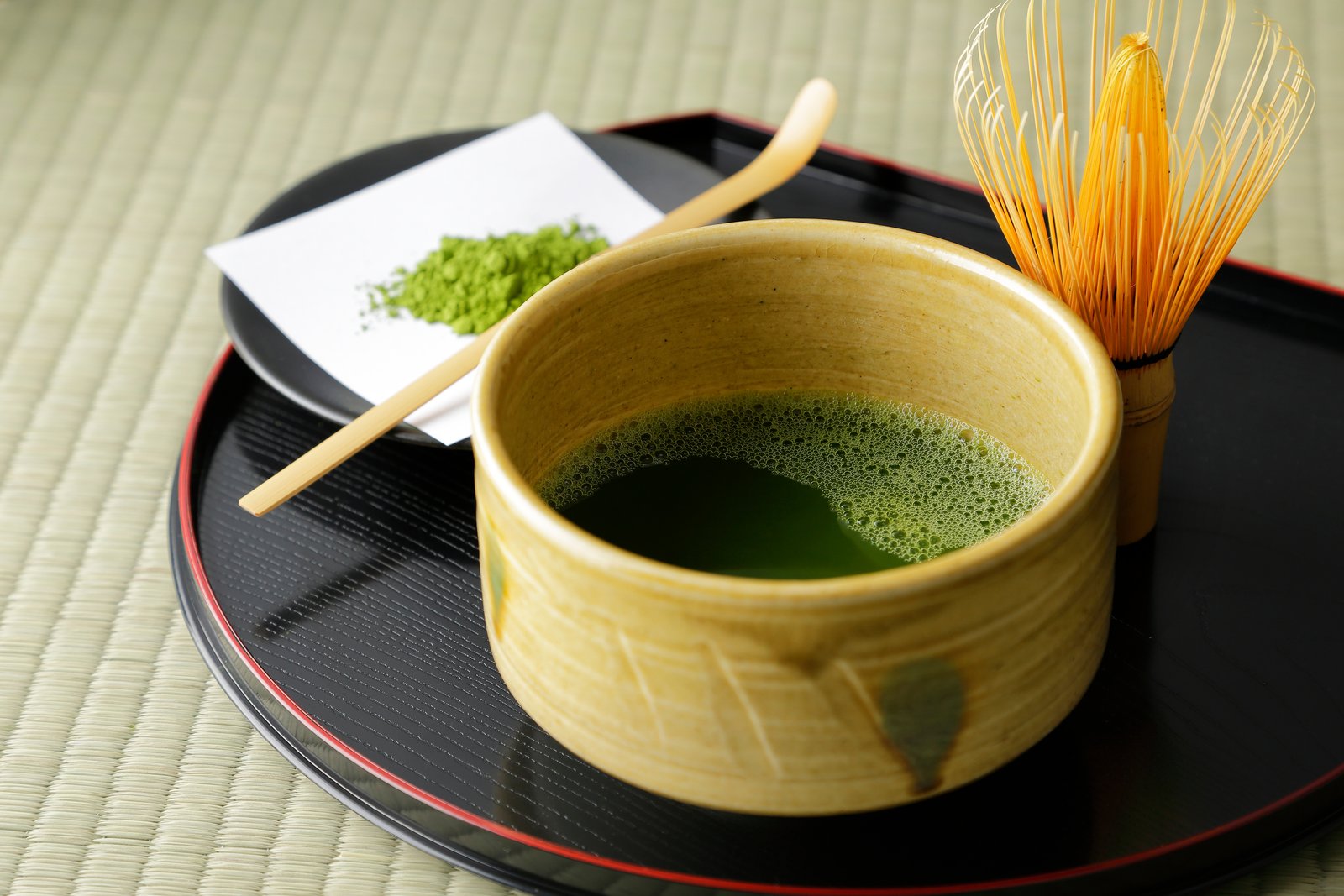
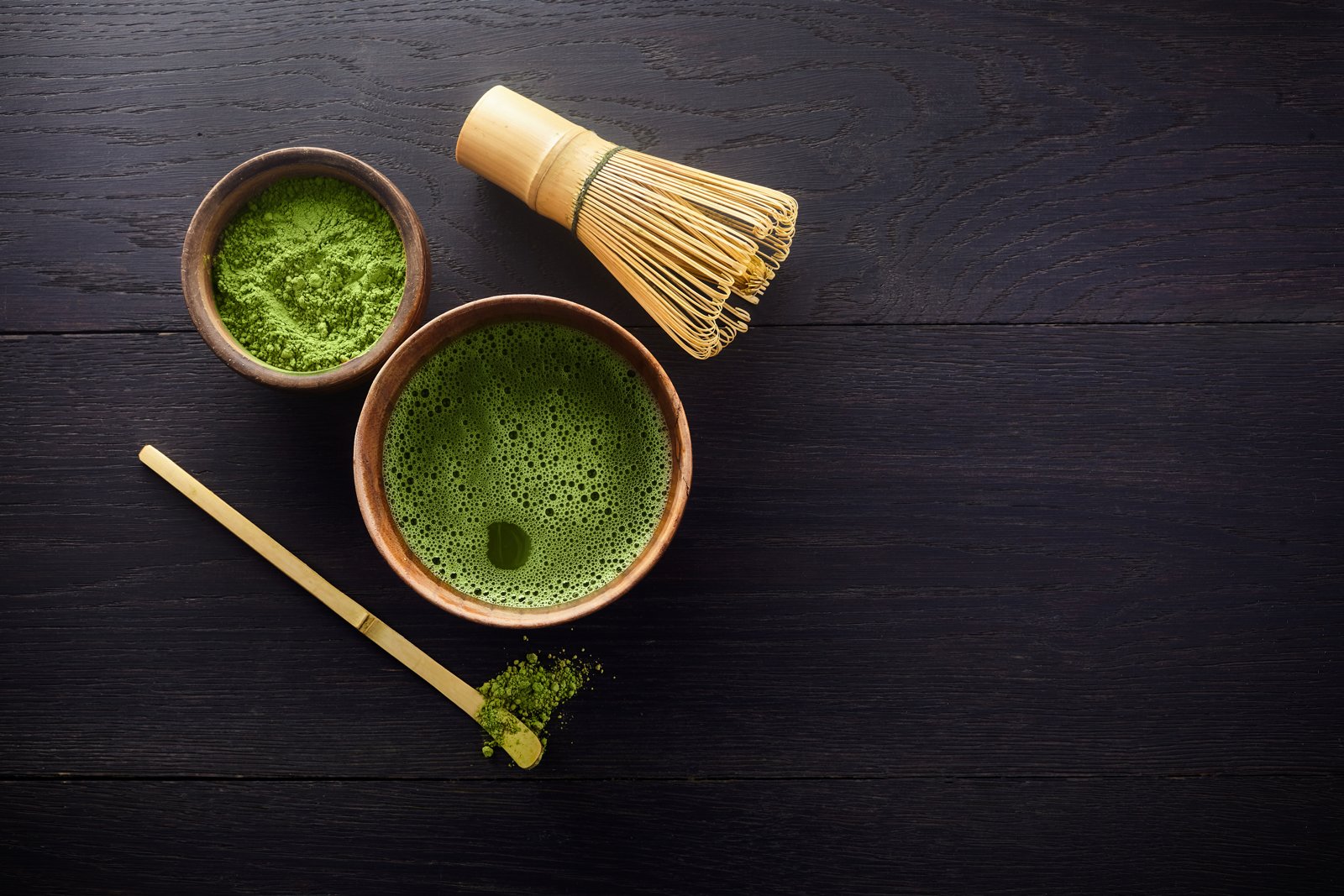
From the same supplier, “Pure” lists green tea powder as its only ingredient (made in Taiwan), and “Premium Japanese Uji Matcha” lists 100% Japanese matcha (made in Japan). Under the Japan Tea Central Public Interest Incorporated Association’s Green Tea Labelling Standard, matcha is tencha (the tea leaves used for matcha, dried without rolling) ground into powder with a stone mill or similar. How to tell them apart is covered in what is pure matcha.
This is our view. If your menu says “Japanese matcha,” use a powder whose country of origin is Japan and whose only ingredient is matcha.
Cooking and holding tapioca pearls
Cooking times differ by product, so cook tapioca pearls as the bag says. The holding times and storage below are all quality guidelines from the manufacturer.
Manufacturer cooking directions
| Product | Tapioca : water | Cooking time | Resting | After that |
|---|---|---|---|---|
| Bossen large tapioca pearls (blog) | 1 : 6 | 30 minutes on medium-low heat | 35 minutes, covered | Rinse in cold water, soak in sweetener for 15 minutes |
| Bossen small tapioca pearls (blog) | Not stated | 10 minutes | 5 minutes | Not stated |
| Bossen Express Cook Big Tapioca (quick-cook large pearls) | 1 : 10 | Stir for 2 minutes until they float, then 25 minutes with the lid not fully closed | 5 minutes, covered | Rinse in cold water for 1 to 2 minutes, sweeten with honey, fructose or cane sugar |
Bossen explains that the resting time is to cook the large pearls through to the centre. When you change suppliers, set the cooking time again from the bag.
Holding guidelines from the manufacturer
| Situation | Bossen’s guidance |
|---|---|
| After cooking | Use within 4 hours |
| Batch-cooked pearls | Keep in syrup at room temperature to keep them fresh for several hours |
| Refrigeration | Do not refrigerate, to keep the texture. If needed, reheat in warm syrup |
| Opened bag of uncooked pearls | Reseal the bag properly and use within 48 hours |
| Warnings | Do not feed to children under 5. The oxygen absorber is not edible |
Deciding how often to cook (our view)
This is our view. Work back from your daily sales and cook only what you can use within 4 hours. Write the cooking time on the container and set a rule not to serve pearls after 4 hours, so the handling stays the same when staff change.
Sweetness levels and sugar labelling
Tapioca milk tea gets sugar from the pearls as well as from the sweetener in the drink. In Singapore, the sugar in toppings must also be labelled.
A Hong Kong survey: pearls add sugar too
Hong Kong’s Centre for Food Safety (the government’s food safety body) and the Consumer Council tested tea drinks collected from shops from May to July 2018. Pearl tapioca milk tea averaged 520g, with 5.0g of sugar per 100g, or 26g per cup on average. Its energy averaged 78kcal per 100g, the highest of the 8 types tested. Drinks ordered “no added sugar” averaged 2.2g of sugar per 100g, or 11g per cup.
Source: Centre for Food Safety, Hong Kong, “Sugar and Energy Contents of Common Non-Indigenous Tea-Based Beverages in Hong Kong” https://www.cfs.gov.hk/english/programme/programme_rafs/programme_rafs_n_01_26_abstract.html
The report states that toppings such as pearl tapioca are a source of sugar and energy if added. It advises the trade to use green tea powder with no sugar so customers can choose the sugar level, to offer skimmed milk instead of non-dairy creamer, to offer a 250mL size, to use standard measuring spoons for sugar, and to show sugar and energy on menus. In our view, if you offer sweetness levels, add the sweetener separately from the matcha and measure it.
Nutri-Grade in Singapore
According to Singapore’s Ministry of Health (MOH) and Health Promotion Board (HPB), from 30 December 2023 drinks made in outlets also came under “Nutri-Grade,” which grades drinks by sugar and saturated fat, and drinks graded C or D must show the mark next to their menu listing. Smaller businesses with revenue of not more than S$1 million that sell at fewer than 10 premises are, for now, not required to show it. Toppings that can be added to drinks, such as pearls, jellies, ice cream and whipped cream, must have their sugar content stated on menus and similar materials.
Thailand’s “หวานปกติ = หวาน 50%”
In an article dated 1 July 2026, the public relations office of Thailand’s Ministry of Public Health reported that the ministry’s Permanent Secretary said the ministry is promoting “หวานปกติ = หวาน 50%” (“normal sweetness = 50% sweetness”) together with food and beverage businesses, alongside adding menu options with less sugar, fat and salt. The article does not give a start date or which shops take part. Separately, the ministry’s Department of Health announced the start of this standard on 11 February 2026, when the Thai Coffee Association and 9 brands from 7 companies said they intend to adjust their sweetness nationwide to match it.
Caffeine and cost per cup
Both the caffeine and the matcha cost of a cup depend on the grams of matcha you use.
Caffeine per cup
Japan’s Standard Tables of Food Composition list matcha at 3.2g of caffeine per 100g (about 32mg per gram). For the recipes in the table, that is 64mg for 2g, 160mg for 5g, 224mg for 7g and 320mg for 10g. For sweetened powders, ask the manufacturer for the figure. A comparison with other drinks is in matcha caffeine.
Cost formula
The matcha cost is “grams of matcha × price per kg ÷ 1,000.” Add milk and sweetener as “amount used × price per ml or g,” then add the cup, lid, wide straw and sealing film. Because pearls left after 4 hours are thrown away, dividing the amount cooked in a day by the number of cups sold gives a cost closer to reality. How matcha is priced is in matcha prices, and grades are in choosing matcha for café lattes.
Writing the menu (our view)
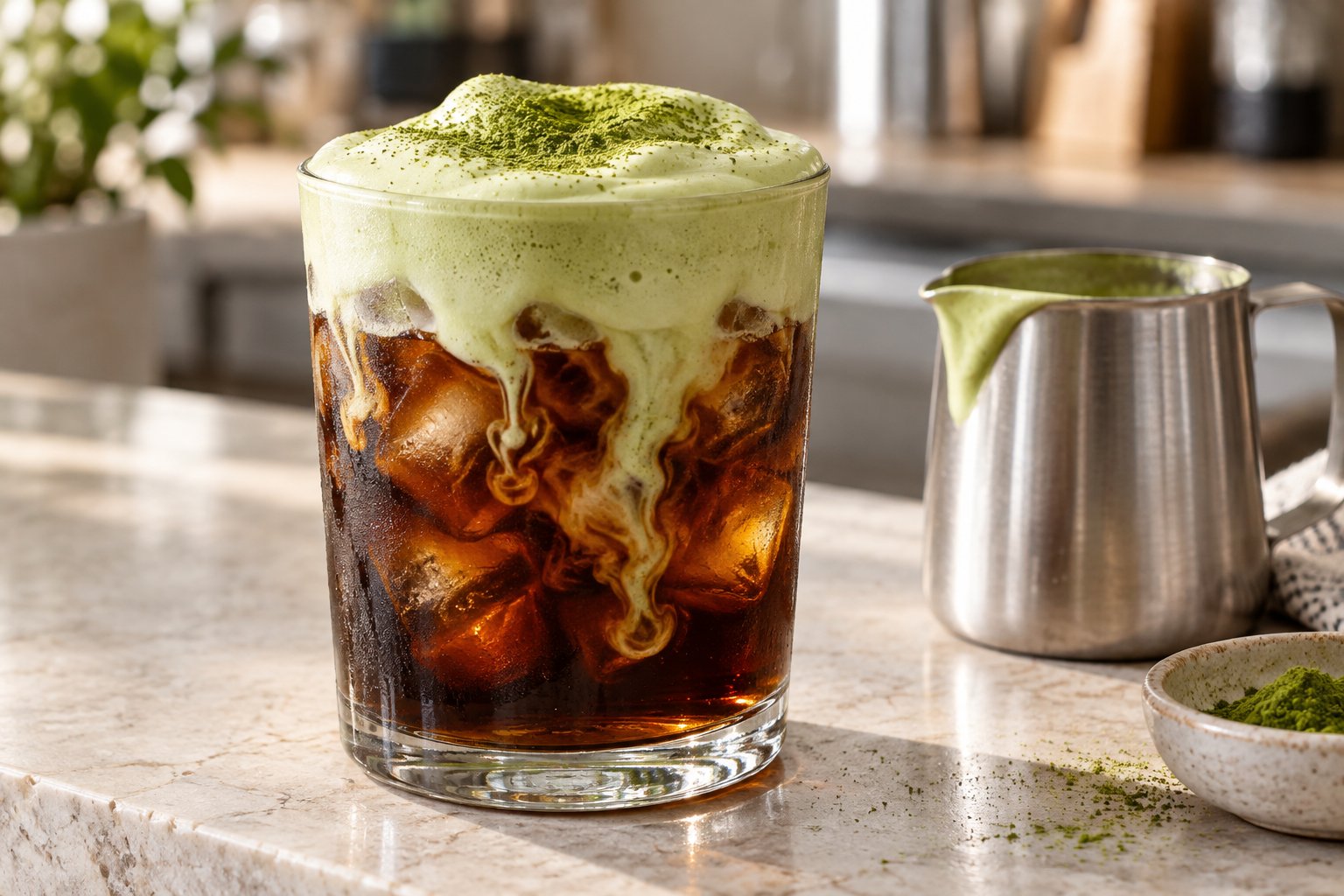
This is our view. Use names such as “Matcha Milk Tea” or “Matcha Boba,” and let customers choose the sweetness level, whether to add tapioca, and a plant-based milk. If you add brown sugar syrup or other syrups, include the amount in the sugar calculation. For a foam topping, see matcha cold foam.
Sources
- Cambridge Dictionary, “bubble tea” https://dictionary.cambridge.org/dictionary/english/bubble-tea
- Cambridge Dictionary, “boba” https://dictionary.cambridge.org/dictionary/english/boba
- Cambridge Dictionary, “latte” https://dictionary.cambridge.org/dictionary/english/latte
- Chalait, “How to Make Matcha Milk Tea” https://www.chalait.com/blogs/matcha-recipes/how-to-make-matcha-milk-tea
- Pure Matcha, “Matcha Bubble Tea Recipe” https://purematcha.com.au/blogs/matcha-recipes/matcha-bubble-tea-recipe
- Bossen, “Premium Japanese Uji Matcha Powder” https://www.bossenstore.com/products/japanese-uji-matcha-powder
- Bossen, “Matcha Green Tea Powder, Pure” https://www.bossenstore.com/products/matcha-green-tea-powder-pure
- Bossen, “Matcha Green Tea Powder, PREMIUM” https://www.bossenstore.com/products/premium-matcha-green-tea-powder
- Bossen, “Express Cook Big Tapioca” https://www.bossenstore.com/products/express-cook-big-tapioca
- Bossen, “Perfect Tapioca Pearls: Easy Recipe for Bubble Tea Shops” (10 October 2024) https://www.bossenstore.com/blogs/bossen-blog/15162297-tapioca-pearl-recipe-how-to-make-boba
- Centre for Food Safety and Consumer Council, Hong Kong, “Sugar and Energy Contents of Common Non-Indigenous Tea-Based Beverages in Hong Kong” (February 2019) https://www.cfs.gov.hk/english/programme/programme_rafs/programme_rafs_n_01_26_abstract.html
- Ministry of Health Singapore, “Implementation of Nutri-Grade requirements for freshly prepared beverages from 30 December 2023” https://www.moh.gov.sg/newsroom/implementation-of-nutri-grade-requirements-for-freshly-prepared-beverages-from-30-december-2023/
- Health Promotion Board Singapore, “Measures for Nutri-Grade” https://hpb.gov.sg/healthy-living/food-beverage/nutri-grade
- Ministry of Public Health, Thailand, Office of Public Relations (1 July 2026, in Thai) https://pr.moph.go.th/online/index/news/343881
- Department of Health, Ministry of Public Health, Thailand (11 February 2026, in Thai) https://multimedia.anamai.moph.go.th/news/1102692/
- U.S. Code of Federal Regulations, “21 CFR 101.4 Food; designation of ingredients” https://www.ecfr.gov/current/title-21/chapter-I/subchapter-B/part-101/subpart-A/section-101.4
- MEXT, “日本食品標準成分表(八訂)増補2023年” (Standard Tables of Food Composition in Japan, 8th revised edition, 2023 supplement, in Japanese) https://www.mext.go.jp/a_menu/syokuhinseibun/mext_00001.html
- Japan Tea Central Public Interest Incorporated Association, “緑茶の表示基準” (Green Tea Labelling Standard, in Japanese) https://www.nihon-cha.or.jp/pdf/hyoujikijyun.pdf